
REVIEW · MADRID
Madrid Hidden Street Art Tour
Madrid’s Lavapiés street art is not just a backdrop for photographs. It is part of the neighborhood’s character, politics, and daily life. This two-hour walk pairs well-known outdoor works with small details you could easily miss, then finishes at an emerging gallery where you meet the two women who run it. I like that the tour connects public art with local people, and I like that guide Roberto brings history and politics into the conversation instead of treating murals as simple decoration.
The main consideration is its focus. If you want Madrid’s famous museums, grand boulevards, and classic architecture, this is not the right tour. You will spend your time on foot in Lavapiés, and the experience requires good weather. The group is capped at 12, which helps keep the walk personal, but a minimum number of participants is required.
Key details of the Lavapiés walk
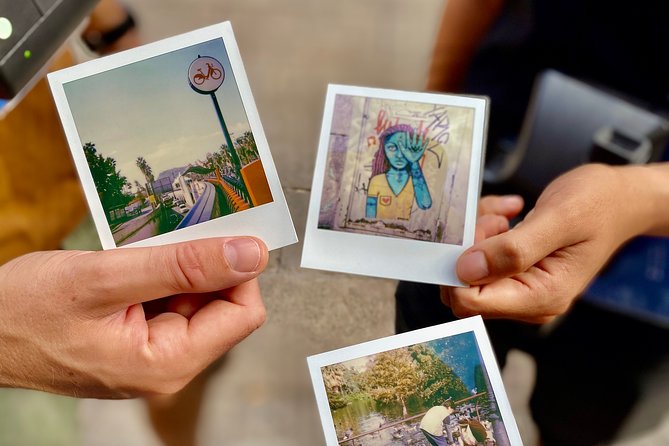
- Murals and tiny street details: You see large public works by internationally acclaimed artists, along with smaller pieces that are easy to overlook without a guide.
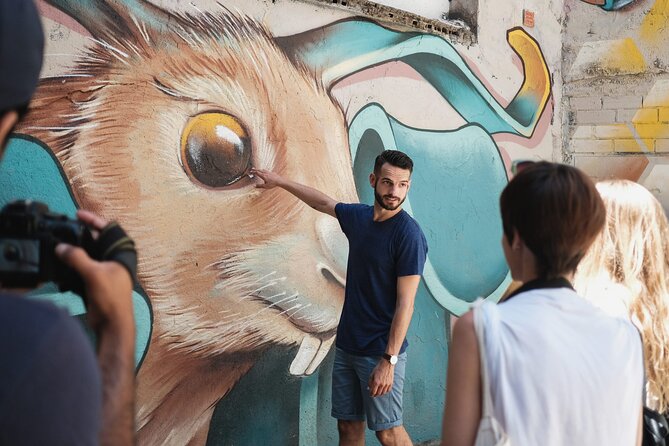
- Guide Roberto’s local context: Roberto explains the history and politics behind street art, giving the images more meaning than a quick photo stop would.
- A gallery visit at the end: The walk finishes at an up-and-coming gallery, where you meet the two women running it and have a drink.
- A small group of up to 12: The group limit allows room for questions and closer attention to the art.
- A useful way to see Madrid: The tour encourages you to notice artistic details throughout the city after the walk ends.
- A two-hour commitment: The time is short enough to fit into a busy Madrid schedule, though the tour cannot cover every corner of Lavapiés.
Why Lavapiés is the right setting for street art
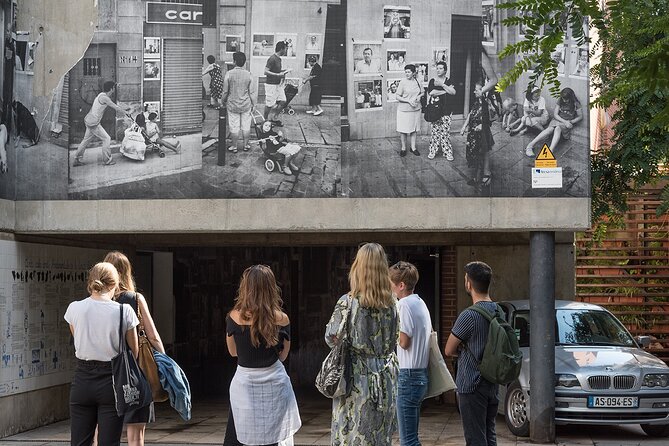
Lavapiés gives this experience a stronger sense of place than a standard art walk through a central shopping district. The neighborhood has a reputation for cultural energy and has been named the world’s coolest neighborhood by Time Out magazine. That label is a little glossy, but it points to something useful: Lavapiés has a distinct identity, and street art is part of how that identity is expressed.
You are not simply looking at isolated paintings. You are seeing art placed among the streets and buildings where local residents live, work, and pass through each day. The tour also introduces you to the character of the neighborhood’s citizens, so the walk aims to connect the artwork with the people around it.
That connection matters. A mural can be beautiful on its own, but its location, subject, and political message often tell you more about a city than the image alone. Roberto’s role is to help you read those clues.
A few more street art tours around Spain worth a look
- Moco Museum Barcelona Banksy & More
★ 4.6 · 2,340 reviews - Barcelona: Banksy Museum, Permanent Exhibition Ticket
★ 4.7 · 543 reviews - Barcelona Street Art and Graffitti Bicycle Tour
★ 5.0 · 361 reviews
Starting near Portomarín on Calle de Valencia
The tour begins at Portomarín, at Calle de Valencia 4 in Madrid’s Centro district. From there, you head toward Lavapiés and begin looking at the neighborhood through its public art.
The exact route is not provided, so you should not expect a fixed list of named murals in advance. That can be a benefit. Street art changes, and a good guide can focus on what is actually visible and worth discussing on the day rather than forcing the group through a rigid checklist.
You should arrive ready to walk for about two hours. Wear comfortable shoes and plan around the weather, since the experience can be canceled in poor conditions. The meeting point is near public transportation, making it practical to fit into a day of sightseeing without arranging a special transfer.
The ending point is in Lavapiés, at the neighborhood itself. This means you finish in a useful part of Madrid rather than being returned to the starting point. You can continue exploring nearby on your own, though the tour does not include a return transfer.
Large murals and small pieces you might miss
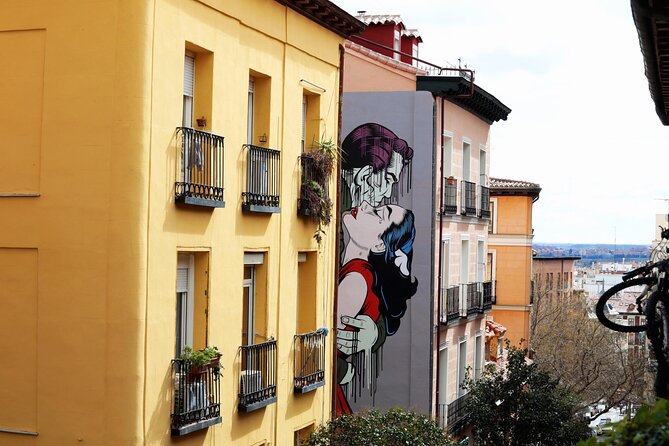
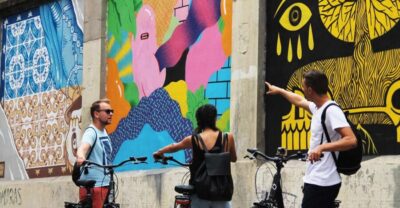
The core of the experience is the outdoor art. You will see major public works by internationally acclaimed artists, but the guide also points out the smaller creations placed around the neighborhood.
That second part may be the most useful. Large murals are easy to spot. Tiny works, symbols, details, and local additions often disappear into the street unless someone draws your attention to them. After the tour, you should be better at noticing those details elsewhere in Madrid.
I like this approach because it avoids treating street art as a collection of famous images. The larger pieces give you the obvious visual anchors, while the smaller works show how a local art community keeps adding to the city. You get both the public face of the neighborhood and the details that reward closer attention.
The subject matter may also be more complicated than a typical sightseeing stop. Street art often reflects social concerns, political ideas, and disagreements about public space. The available information specifically highlights the history and politics of the art form, so you should expect conversation and explanation, not just a series of photo opportunities.
Roberto’s role in making the art readable
Guide Roberto is singled out for his knowledge of the public murals, emerging art, and the political background of street art. That is important here because the tour’s value depends heavily on the guide.
Without context, you may see a striking image, take a picture, and move on. With context, you can ask why it is in that location, what issue it addresses, and how it relates to Madrid’s wider art culture. Roberto’s contribution is to make those connections clear.
The group size helps. With a maximum of 12 people, the walk should feel more like a conversation than a large parade. The small format also gives you a better chance to ask about a particular image or return to a detail you did not understand at first.
One point to keep in mind is that no guide can control what remains on a city wall. Street art can change, disappear, or be replaced. The appeal of this tour is partly its connection to the neighborhood as it exists now, not a promise of a permanent museum collection.
Same walls, a different guide:
- Moco Museum Barcelona Admission Ticket
★ 4.5 · 1,302 reviews - Banksy Museum Madrid: Entrance Ticket
★ 4.7 · 335 reviews - Madrid: Street Art Tour with Local Graffiti Hunter
★ 4.8 · 270 reviews - Street Art Guided Tour in Madrid
★ 5.0 · 175 reviews
The gallery visit adds something different
The final part of the experience takes you into an emerging art gallery that is making an impression on Madrid’s art scene. You meet the two women who run it and have a drink there.
This changes the pace of the tour in a useful way. The outdoor portion shows art in public spaces, often exposed to weather, opinion, and change. The gallery offers a more organized setting where emerging artists can present their work. Seeing both gives you a broader picture of how art operates in Madrid.
The gallery stop is also more personal than a quick exterior visit. Meeting the people who run the space can give you a direct connection to the city’s current art culture. It is a modest detail, but it separates this experience from a basic wall-mural walk.
You should keep your expectations measured. The available details do not name the gallery, list the artists on display, or promise a purchase opportunity. Think of it as a short introduction to a growing art space, not a full gallery tour or art-market consultation.
What $32.10 buys you
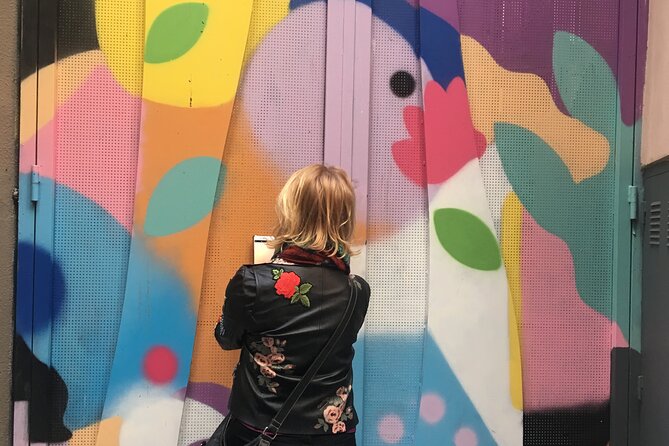
At $32.10 per person, the tour sits in a reasonable range for a two-hour guided city experience. You are paying for more than simple directions between murals. The price includes a guide who interprets the art, explains its social and political setting, and takes you into a gallery with a drink at the end.
The value is strongest if you are curious about contemporary culture or want a different side of Madrid. If you only want a fast walk past a few colorful walls, you may find it expensive compared with exploring on your own. Lavapiés can be walked without a paid guide, but you would lose the explanations, the smaller details, and the gallery connection.
The group limit of 12 also supports the price. A smaller group generally makes it easier to hear the guide and ask questions. It also helps preserve the neighborhood feel, since you are not moving through the streets with a large crowd.
The tour is booked, on average, 13 days ahead. That is a useful planning clue. You do not need to reserve half a year in advance, but this is not necessarily an activity to leave until the last morning of your Madrid stay.
Who will get the most from this tour
I would recommend this walk to you if you enjoy contemporary art, public space, local politics, or neighborhoods that do not fit a standard sightseeing script. It also works well if you have already seen Madrid’s major museums and want a different way to understand the city.
It suits first-time visitors who want a fresh introduction to Lavapiés, as well as repeat visitors who have walked through the neighborhood without noticing its artistic details. The tour can also help you develop an eye for public art that you can use during the rest of your trip.
You may want to skip it if you dislike walking, need a tightly timed schedule, or prefer historical monuments and formal museums. The experience is also less suitable for a poor-weather day because outdoor viewing is central to the route.
Most participants can take part, and service animals are allowed. The tour is near public transportation, but no specific accessibility route or surface details are provided, so you should contact the operator if you have mobility concerns.
Timing, weather, and cancellation rules
The experience lasts about two hours. That is long enough to give Lavapiés proper attention without taking over your day. You can pair it with other plans before or after, but leave some breathing room because the walk ends in Lavapiés rather than at the original meeting point.
Good weather is required. If conditions force a cancellation, you will be offered another date or a full refund. The same choice applies if the minimum number of participants is not reached.
You can cancel for a full refund up to 24 hours before the start time. Inside that 24-hour window, cancellations and changes are not accepted and the payment is not refunded. The cutoff follows Madrid local time, so check the time carefully if you are booking from another country.
The ticket is mobile, which keeps the arrival process simple. Have the booking available on your phone when you reach Portomarín.
A practical plan for your Madrid day
I would place this tour early or midway through your Madrid stay. Its biggest benefit is not only the two-hour walk itself, but the way it changes what you notice afterward. Once someone has shown you how to look for local artistic details, you may spot more of them around the city.
Starting in Centro and finishing in Lavapiés also makes it easy to build the tour into a larger day. The meeting point is near transportation, and the final stop leaves you in a neighborhood worth exploring on your own. Since the exact gallery and route are not specified, do not make a tightly timed reservation immediately afterward.
Bring a charged phone for the mobile ticket and photographs. Comfortable shoes are sensible, and a weather check is worth doing before you leave. The tour is not a good choice to treat as a backup plan if rain is likely, since poor weather can cancel it.
Should you book the Madrid Hidden Street Art Tour?
Book it if you want Madrid through its walls, local art community, and current social conversation rather than only through its grand sights. The strongest features are the small group, Roberto’s political and historical context, and the final gallery visit with its two hosts.
Skip it if your priority is classic Madrid architecture, museum collections, or a guaranteed list of specific artworks. The route can change, the tour needs a minimum number of participants, and bad weather can interrupt plans.
For the right visitor, $32.10 is a fair price for a focused introduction to Lavapiés. You leave with more than photographs. You gain a better way to notice the city’s unofficial art, which may prove useful long after the two hours are over.
FAQ
How long does the Madrid Hidden Street Art Tour last?
The tour lasts approximately two hours.
How much does the tour cost?
The listed price is $32.10 per person.
Where does the tour begin?
It starts at Portomarín, Calle de Valencia 4, Centro, 28012 Madrid, Spain.
Where does the tour end?
The tour ends in Lavapiés, Centro, 28012 Madrid, Spain.
How many people can join the tour?
The group has a maximum of 12 travelers.
Is the tour available with a mobile ticket?
Yes. A mobile ticket is available, and confirmation is sent at the time of booking.
Can I cancel for a full refund?
Yes. You can cancel at least 24 hours before the experience starts for a full refund. Cancellations within 24 hours are not refunded.
What happens if the weather is poor or the minimum number is not reached?
If poor weather or an unmet minimum causes cancellation, you will be offered a different date or experience, or a full refund.
Just added around Spain
- Small-Group Graffiti Tour and Workshop in El Carmen★ 5.0 · 2 reviews
- Bilbao Urban and Street Art Walking Tour★ 5.0 · 2 reviews
- Barcelona Street Art, Graffiti and Tapas Tour★ 4.0 · 5 reviews
- Moco Museum Barcelona: Banksy Small-Group Tour with Skip-the-Line★ 5.0 · 5 reviews
- Small-Group Moco Museum Barcelona: Banksy & Modern Art Tour★ 4.8 · 16 reviews
- Salamanca: Private Guided Street Art Walking Tour★ 5.0 · 2 reviews
- Private Barcelona Street Art Tour★ 5.0 · 2 reviews
- Barcelona | StreetArt Bike Tour Moco Museum★ 4.6 · 13 reviews
Madrid Street Art Tours, compared.
Madrid Street Art Tour (Malasaña Chueca Gran Via & Lavapies)
Read our review →
Browse the lists this tour appears in