
REVIEW · SPAIN
Bilbao Urban and Street Art Walking Tour
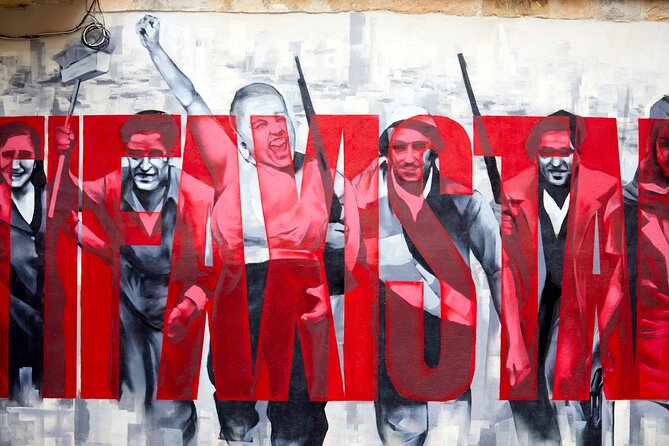
Bilbao’s most creative side is not confined to the Guggenheim. This three-hour walk leads you through Bilbao La Vieja and San Francisco, where murals, old industrial remains, cultural centers, and neighborhood projects tell a less polished but more revealing story of the city. You get art, local history, and a beer without spending the whole day inside a museum.
I like the route for two clear reasons: it connects art with real places, from a former church to an abandoned mining furnace, and it ends with a local craft beer and snack. I also like the small maximum of 15 people, which should make it easier to hear the guide and ask questions.
The main consideration is that this is a walking tour through several urban neighborhoods, not a formal gallery visit. Some art is viewed outdoors, admission to BBK Kuna is not included, and anyone wanting Bilbao’s famous museums or major monuments will need a separate plan.
Key points to know before booking
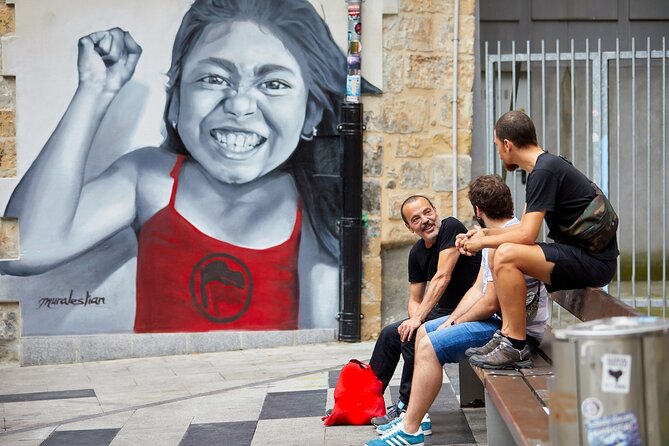
- Street art with a local story: Murals and public artworks are explained alongside the neighborhoods where they appear.
- A different side of Bilbao: The route focuses on Bilbao La Vieja, San Francisco, and nearby areas rather than staying around the Guggenheim.
- Eight compact stops: Expect short visits at Concordia Station, Martzana Kaia, BBK Kuna, Bilborock, the San Luis mining furnace, Bilbo Zaharra, Mariaren Bihotza Plaza, and BilbaoArte.
- Beer and a snack included: One local craft beer and one local snack are part of the experience.
- Three hours on foot: Wear comfortable shoes and clothes, since the route moves between several city districts.
- Small-group format: The maximum group size is 15 people, with an 11:00 am start and a return to the original meeting point.
Why this Bilbao walk goes beyond the Guggenheim
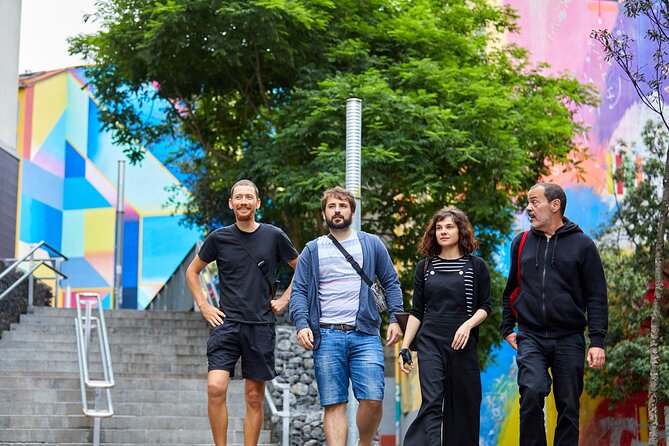
The Guggenheim helped put Bilbao on the international art map, but this tour makes a useful point: the city’s creative life did not begin with one famous building. The route heads into older and more mixed neighborhoods, where art appears on walls, in repurposed buildings, and in community spaces.
That gives the tour a stronger sense of place than a standard photo walk. You are not simply checking off murals. You are seeing how public art fits into Bilbao’s changing neighborhoods, industrial past, and modern cultural projects.
A passionate local guide is central to the experience. One five-star review praised the way the guide brought Bilbao’s culture and history to life through interesting stories and a strong interest in the arts. Since no guide name is provided in the booking details, you should not expect to select a particular guide, but the quality of the narration will matter here. Much of the value comes from the explanations between stops.
The route also offers a useful balance. You get architecture and history at Concordia Station, social change around Martzana Kaia, public art near BBK Kuna, and a clear link to Bilbao’s mining past. The beer at the end makes the outing feel social rather than academic.
More Street Art Walking Tours in Spain
- Barcelona: Raval Street Art and Graffiti Walking Tour
★ 4.9 · 60 reviews - Bilbao: Art District Walking Tour
★ 4.8 · 27 reviews - Granada: “Street Art & The Caves” Unique Guided Walking Tour
★ 5.0 · 27 reviews
From Concordia Station into Bilbao La Vieja
The tour begins at the Tourné shop on Villarías Kalea, 1, in the Abando area. Check-in is at the shop, and the walk starts at 11:00 am. The first formal stop is Bilbao La Concordia Station, about a 10-minute visit.
Concordia is a fine place to begin because its architecture sets the tone immediately. Designed at the start of the 19th century, the station has striking details inside and out. You get a quick introduction to Bilbao’s built environment before moving into the older streets of Bilbao La Vieja.
Do not expect a long station tour or a museum-style presentation. The stop is short, so the guide will likely use the building as a visual introduction rather than spend the whole morning on railway architecture. If you enjoy ornate city buildings, arrive ready to look up and pay attention to details.
From here, the route shifts toward the river and the neighborhoods south of the central shopping streets. This change is part of the appeal. You begin with a recognizable architectural landmark, then move toward places that are more closely tied to everyday city life.
Martzana Kaia and Bilbao’s changing riverfront
The next stop is Martzana Kaia, a 15-minute visit near the San Antón Bridge. The name comes from an old tower house that once stood nearby. Today, the area has bars and restaurants and reflects the changes that have taken place in the neighborhood.
This is a good place to consider Bilbao’s recent development without reducing the city to a simple before-and-after story. Old buildings, food and drink businesses, river views, and public life now share the same stretch of the city. Your guide can provide the context that a quick walk alone would miss.
The stop is also a practical chance to get your bearings. The San Antón Bridge is an important visual marker, and the route’s position beside the river helps you understand how the older districts connect. The visit lasts only 15 minutes, so it is more about the setting and explanation than lingering over a drink.
If you are hoping for a full food tour, this is not it. Bars and restaurants are part of the surroundings, but additional food and drinks are not included. The included snack comes later, along with one craft beer.
BBK Kuna, public art, and a former nursery
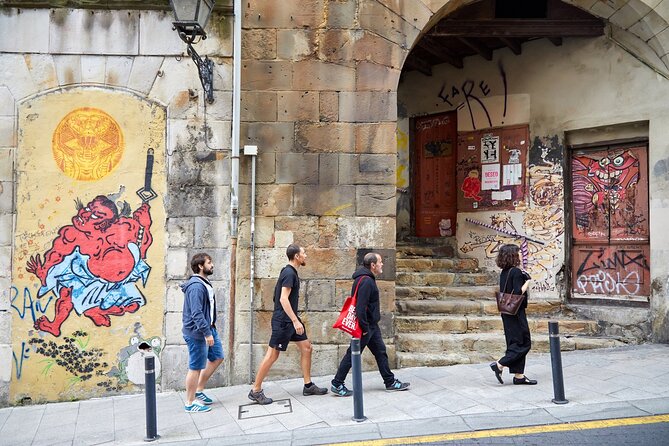
BBK Kuna is one of the more distinctive stops. The building was once a nursery where the children of day laborers were cared for. It is now being developed as a center for innovation projects connected to sustainable development.
The visit lasts about 20 minutes, but the building is an external visit only, and admission is not included. That distinction matters. You will see the site and learn about its new purpose, but you should not plan on entering as part of this tour.
Nearby, the guide points out works of urban art made by local artists. This is one of the best matches between the tour’s subject and its setting. Instead of treating street art as decoration, the route places it beside a building with a social past and a modern civic purpose.
I like this section because it shows how Bilbao uses existing spaces for new ideas. It also gives you a chance to see how local art can reflect neighborhood identity. The drawback is that outdoor art can never be fully predictable. A wall may look different depending on light, weather, maintenance, or changing displays, so you should book this for the overall route rather than one promised mural.
Same walls, a different guide:
- Moco Museum Barcelona Banksy & More
★ 4.6 · 2,340 reviews - Moco Museum Barcelona Admission Ticket
★ 4.5 · 1,302 reviews - Barcelona: Banksy Museum, Permanent Exhibition Ticket
★ 4.7 · 543 reviews - Barcelona Street Art and Graffitti Bicycle Tour
★ 5.0 · 361 reviews
Bilborock, from church to cultural venue
Centro Municipal Bilborock-La Merced takes about 10 minutes. The building was once a 17th-century church and is now a cultural center with a concert hall, cinema, and workshop rooms.
The change in use is the main story here. Bilbao’s cultural life is not limited to purpose-built arts institutions. Older buildings can take on new roles, and Bilborock shows how a former religious space now supports music, film, and creative activity.
Again, this is not a ticketed concert or a full interior tour. The admission is free, but the stop is brief. You should think of it as a guided look at an important cultural building, not a chance to attend an event.
For visitors who like adaptive reuse, this may be one of the most satisfying stops. For anyone mainly interested in major artworks, it may feel like a short pause between street-art locations. The guide’s stories will make the difference.
The San Luis mining furnace and Miribilla
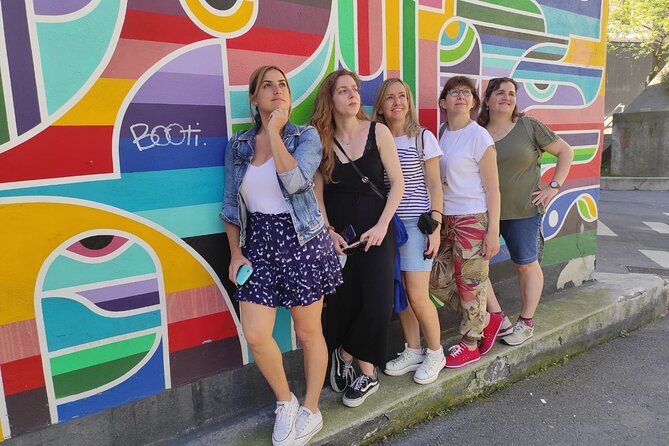
The old San Luis mine calcination furnace is a compact stop of about 10 minutes, but it adds useful weight to the route. The furnace remains as a reminder of the area’s mining past and points toward the Miribilla neighborhood, one of Bilbao’s later urban regeneration projects.
This is where the tour makes its strongest connection between industry and modern city planning. Bilbao was shaped by work, mining, river commerce, and heavy industry. A preserved furnace gives you a physical clue to that past, while Miribilla shows how former industrial areas can be changed for new urban uses.
Do not expect a large industrial museum. The furnace is an outdoor remnant, and the visit is short. Its value comes from the story around it. Without that explanation, it could be easy to walk past. With a guide, it becomes part of the city’s larger transformation.
This stop may also be less appealing if you want a route packed with colorful walls and galleries. That is precisely why it belongs here. It prevents the street-art theme from becoming shallow and adds a reminder that creative Bilbao grew from a working city.
Bilbo Zaharra and the San Francisco neighborhood
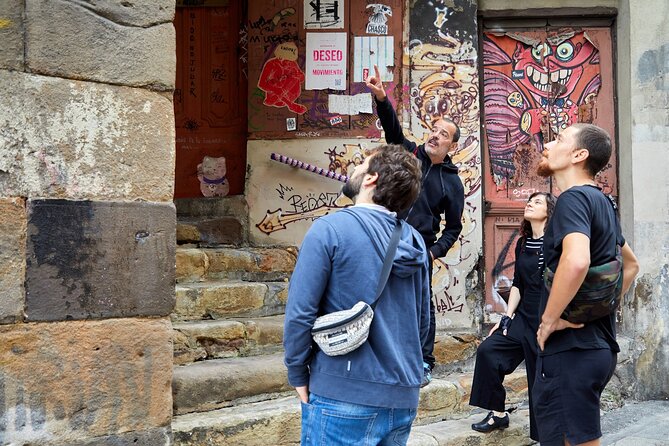
Bilbo Zaharra Kalea receives about 15 minutes. The street was once a border between old Bilbao and Calle de San Francisco. Today, new restaurants and urban artworks give the area a different feel.
This is a key part of the route because it brings art into a neighborhood setting. The walls are not isolated displays. They sit beside restaurants, older streets, and places where people live and work. You get a more honest sense of how public art becomes part of a district’s daily view.
The route then continues to Mariaren Bihotza Plaza, the center of the multicultural San Francisco neighborhood. The square occupies the site of a former 16th-century Franciscan convent and is also home to Sarean, a neighborhood meeting space managed by a local cultural association.
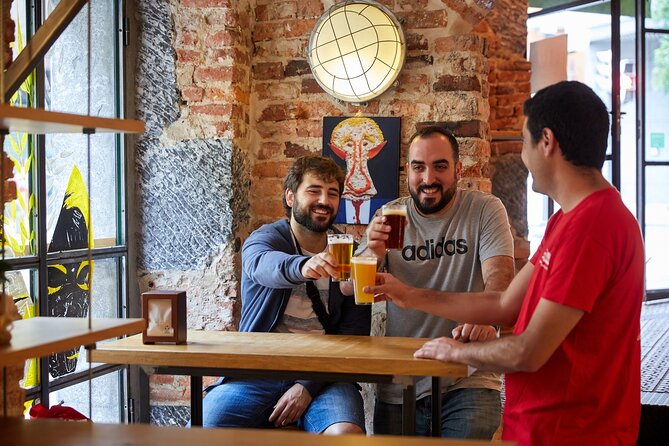
This stop lasts about 15 minutes and is where the tour finishes its social side, with a beer. One local craft beer is included, along with a local snack. Additional drinks and food cost extra.
I appreciate this ending because it gives the walking route a human pause. You can talk with the guide, reflect on the art and neighborhoods you have seen, and get a taste of local craft production. The beer is not a replacement for lunch, so plan another meal if you are hungry after a late morning walk.
BilbaoArte and the city’s working art scene
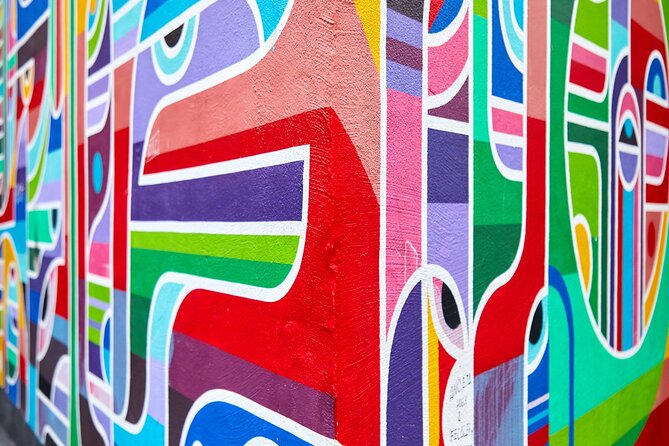
BilbaoArte Fundazioa is the final major stop before returning to the meeting point. The visit lasts about 20 minutes. It is an artistic production center where professionals working in screen printing, sculpture, and technology share space.
This is a valuable contrast to street art. You see not only finished public works but also a place connected to the making of art. BilbaoArte is described as an important reference point in the Basque cultural scene, and its focus on several forms of production helps explain why the tour includes it.
The stop is especially useful for anyone curious about how artists work, not just how art looks on a wall. At the same time, the tour details do not promise entry into studios, a workshop, or a live demonstration. Treat it as a guided look at the center and its role in Bilbao’s creative community.
After BilbaoArte, the activity ends back at the original meeting point. The full experience lasts about three hours, though the listed stop times add up to less than that. The remaining time is likely used for walking, explanations, and transitions between neighborhoods.
Is $49.74 a fair price?
At $49.74 per person, this is not the cheapest way to spend three hours in Bilbao. But the price includes a local guide, one craft beer, and one local snack, along with a route that covers several districts and themes.
The value depends on what you want from a city walk. If you only want to see murals, you could explore public streets on your own for less. You would not get the same explanation of the former nursery, church, mining furnace, neighborhood changes, or art-production center.
The strongest reason to pay for this tour is the interpretation. The route has several stops that could seem disconnected without context. A good guide links them into a story about Bilbao’s working past, cultural changes, and current creative life.
The price is also easier to justify for first-time visitors who want orientation beyond the Guggenheim. You cover a lot of ground, meet the city through its neighborhoods, and finish with something local to eat and drink. If you already know Bilbao well and prefer independent wandering, the cost may feel less worthwhile.
Timing, group size, and what to wear
The fixed start time is 11:00 am, and the tour lasts about three hours. That makes it easy to pair with an afternoon museum visit, lunch, or another activity, but you should avoid scheduling anything too tightly in case the walk runs over its approximate duration.
The group maximum is 15 people. That is small enough for a guide to manage questions and keep the group together, while still being large enough that the walk will not feel like a private tour. The experience is near public transportation, and most people can take part.
Wear comfortable clothes and shoes. The route moves between multiple neighborhoods, and the walking itself is a major part of the activity. You do not need formal clothing or special equipment.
The mobile ticket is practical. Confirmation is provided at booking, and you should have the ticket ready for check-in at the Tourné shop. A tip is not compulsory, but it is customary to budget for one if your guide provides strong service.
Who will enjoy this tour most?
I would recommend this walk to you if you like public art, local neighborhoods, adaptive reuse, and city stories that go beyond famous sights. It suits visitors who want to understand how Bilbao changed, not just photograph its best-known building.
It is also a good choice if you have already seen the Guggenheim and want a different angle. The route adds social and industrial context, especially around Bilbao La Vieja, San Francisco, and Miribilla.
You may want to skip it if you need a slow, indoor art experience, a fully accessible museum route, or a food-focused tour. The available details do not promise a specific accessibility arrangement, and the experience includes outdoor stops and walking between districts. The tour also does not include major museum admission or a full meal.
Should you book the Bilbao Urban and Street Art Walking Tour?
Book it if you want street art tied to real neighborhoods, not a quick mural checklist. The old furnace, former church, nursery, cultural spaces, and craft beer give the route more range than its title might suggest.
I would choose it early in a Bilbao visit, since the guide can help you understand parts of the city you might otherwise pass through without context. At $49.74, it is a fair buy for a small-group walk with a local guide, snack, and beer, especially if authentic neighborhood stories matter more to you than museum interiors.
Skip it if your main goal is the Guggenheim, traditional old-town monuments, or a long sit-down tasting. For everyone else, this is a useful three-hour introduction to Bilbao’s creative, changing, and distinctly local side.
FAQ
How long does the Bilbao Urban and Street Art Walking Tour last?
The tour lasts approximately three hours.
What time does the tour start?
The tour starts at 11:00 am.
Where does the tour begin?
Check-in takes place at the Tourné shop at Villarías Kalea, 1, Abando, 48001 Bilbao, Bizkaia, Spain.
Where does the tour finish?
The activity ends back at the original meeting point.
What is included in the price?
The price includes a local craft beer, a local snack, and a local guide.
Is cancellation free?
Yes. You can cancel for a full refund if you cancel at least 24 hours before the experience start time. Changes or cancellations made less than 24 hours before the start time are not accepted for a refund.
Just added around Spain
- Small-Group Graffiti Tour and Workshop in El Carmen★ 5.0 · 2 reviews
- Madrid Hidden Street Art Tour★ 5.0 · 12 reviews
- Barcelona Street Art, Graffiti and Tapas Tour★ 4.0 · 5 reviews
- Moco Museum Barcelona: Banksy Small-Group Tour with Skip-the-Line★ 5.0 · 5 reviews
- Small-Group Moco Museum Barcelona: Banksy & Modern Art Tour★ 4.8 · 16 reviews
- Salamanca: Private Guided Street Art Walking Tour★ 5.0 · 2 reviews
- Private Barcelona Street Art Tour★ 5.0 · 2 reviews
- Barcelona | StreetArt Bike Tour Moco Museum★ 4.6 · 13 reviews
Spain Street Art Tours, compared.


Barcelona Street Art and Graffitti Bicycle Tour
Read our review →
Barcelona Street Art Tour with Exclusive Artist Studios Visit
Read our review →Browse the lists this tour appears in