
REVIEW · SPAIN
Best Street Art in Valencia Walking Tour
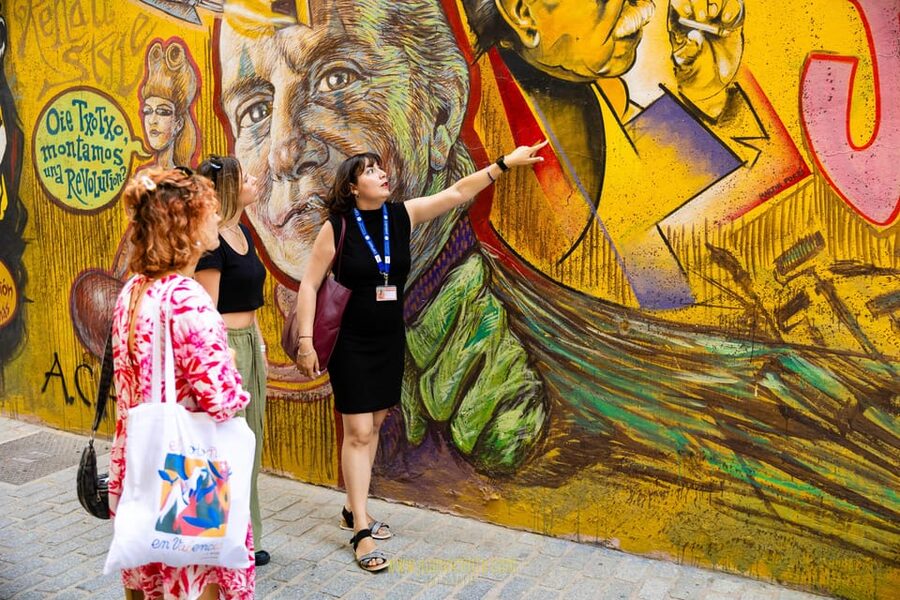
Valencia’s street art is not confined to one gallery wall. It appears on old façades, side streets, museum spaces, and corners you could easily pass without noticing. This two-hour small-group walk begins behind the Torres de Serranos and follows the art through Ciutat Vella, with local artists and their ideas at the center.
I like two things here: the guide explains both the image and the method behind it, and the stop at the CCCC gives the street scene a wider cultural setting. Maria has earned especially strong praise for her clear, passionate explanations and for connecting the art to political and social subjects. The main consideration is timing: the CCCC visit is not available on Mondays.
Key points
- Start behind the Torres de Serranos: Meet on the Plaza dels Furs side, then begin in an area packed with visible and easy-to-miss murals.
- Follow Valencia’s major street artists: See work linked to Escif, David de Limón, Disneylexia, Deih, Hyuro, La Nena Wapa Wapa, and Julieta XLF.
- Learn how street art is made: The walk covers paste-ups, stencils, and yarn art, not just painted murals.
- Visit the CCCC: Explore murals and the story of Valencia’s street art scene, except on Mondays.
- Finish in Velluters: The route ends near Plaça de la Botxa, among large-scale works made by several artists.
- Keep the group personal: With no more than 10 participants, you have a better chance to ask questions and follow the guide’s explanations.
Why Valencia’s street art deserves a walking tour
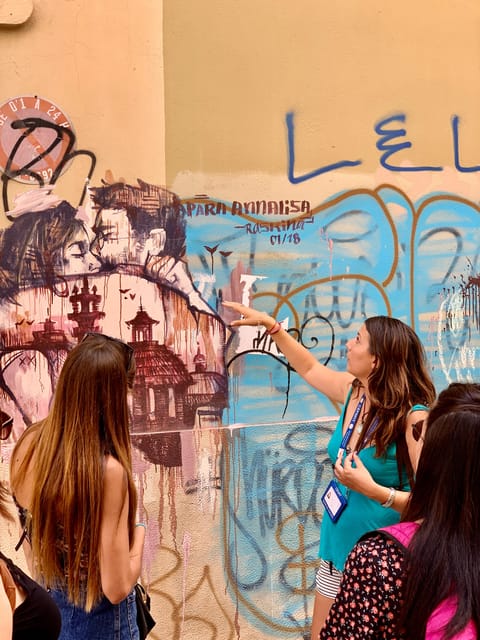
The best reason to book this experience is that street art rarely explains itself. A mural may look simple from a distance, but its artist, technique, placement, and subject can change the way you read it.
This walk is built around those extra layers. You learn who made the work, how it was put together, and what it may be saying about local life or wider social issues. That is more useful than simply collecting a few colorful photographs.
The route also gives you a practical introduction to Valencia’s street art vocabulary. You learn to tell a stencil from a paste-up and see how yarn art fits into the same wider scene. Once you know the methods, you can keep spotting related work after the tour ends.
I especially like the balance between famous names and works tucked into less obvious corners. The tour promises murals you might not find on your own, which matters in a city where the best piece may be on a side wall rather than a major avenue.
More Street Art Walking Tours in Spain
- Barcelona: Raval Street Art and Graffiti Walking Tour
★ 4.9 · 60 reviews - Granada: “Street Art & The Caves” Unique Guided Walking Tour
★ 5.0 · 27 reviews - Bilbao: Art District Walking Tour
★ 4.8 · 27 reviews
Meeting at the Torres de Serranos
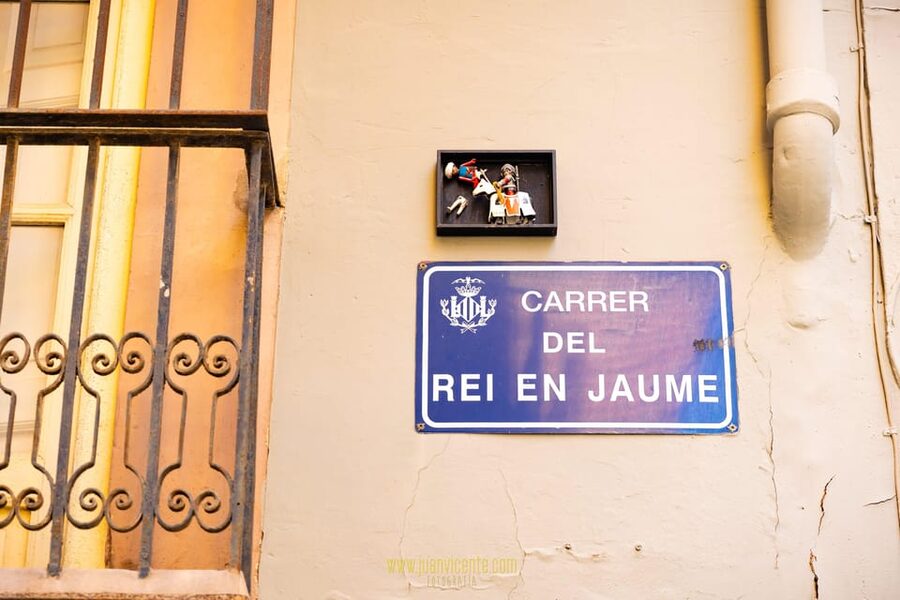
The tour begins at the Torres de Serranos, one of the most recognizable points in Ciutat Vella. Do not simply wait at the front of the towers. The meeting point is on the back side, facing Plaza dels Furs.
That detail is worth taking seriously. Arrive a few minutes early, check the plaza side, and keep your phone charged so you can contact the guide if needed. A charged smartphone is also listed among the recommended items, and you will likely want it for photographs and for noting artist names.
The opening area is already part of the experience. You begin surrounded by murals, including works that can be easy to miss when you are focused on the monumental stone gate. Starting here makes the point quickly: Valencia’s street art is woven into the old city rather than placed in a single designated district.
Your guide can give the first bit of context before leading the group into the Barrio del Carmen. Since the group is limited to 10 people, the opening explanation should feel more like a conversation than a speech delivered to a crowd.
Through the Barrio del Carmen, from image to artist
The walk continues through the Barrio del Carmen, where the main task is learning how to look. You will encounter work associated with artists such as David de Limón, Disneylexia, Deih, Hyuro, La Nena Wapa Wapa, Julieta XLF, and Escif.
That list gives you a useful set of names to remember. The included document with the artists’ Instagram accounts is a practical extra, since it lets you identify their work later and continue exploring after you leave Valencia.
The guide does not just point at a wall and name its creator. You learn the background behind the artist and the work, including the personal, political, and social ideas that may sit behind the image. Maria, one of the guides, has been particularly praised for making those subjects clear and easy to follow in Spanish. She also leads in English, French, and Catalan.
The language choice matters because street art can involve subtle references. A guide who can explain the subject in a language you understand gives you more than a translation of the artist’s name. You get the reason the image matters in its setting.
Still, remember that this is a walking tour, not a formal art-history class. The value comes from short explanations at the walls and from the connection between one stop and the next. Wear comfortable shoes and clothes, since the route moves through the old city for two hours.
Paste-ups, stencils, and yarn art
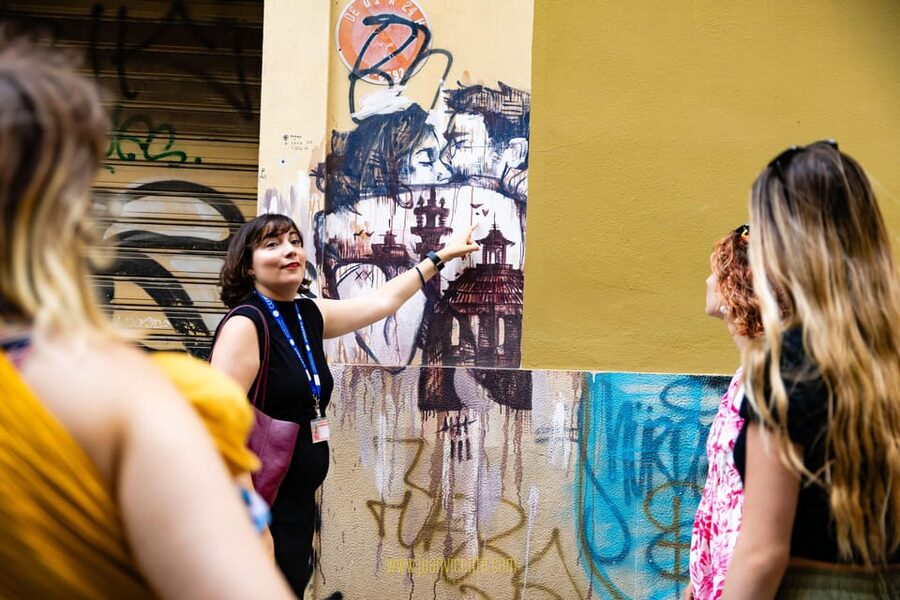
One of the most useful parts of the route is the introduction to technique. You will learn about paste-up, stencil, and yarn art, alongside painted murals.
A paste-up is an image prepared elsewhere and attached to a wall. A stencil uses a cut-out shape to create a repeated or sharply defined design. Yarn art uses thread or knitted material in a street setting. You do not need an art background to follow the distinctions, and the guide’s job is to connect each technique to what you are seeing.
This technical information gives you a better way to explore Valencia afterward. Instead of saying that you like a wall, you can begin to notice whether the artist built it from a repeated stencil, attached a prepared image, or used an entirely different material.
The guide also helps you understand that street art is not one visual style. The artists named along the route work in different ways, and the city becomes a kind of open-air record of those choices.
Bring a camera, but do not let the camera replace looking. The included great pictures at the murals are a pleasant part of the outing, yet the strongest benefit is learning how to read the work. Your phone is also useful for recording names and saving the artists’ social media details.
Same walls, a different guide:
- Moco Museum Barcelona Banksy & More
★ 4.6 · 2,340 reviews - Moco Museum Barcelona Admission Ticket
★ 4.5 · 1,302 reviews - Barcelona: Banksy Museum, Permanent Exhibition Ticket
★ 4.7 · 543 reviews - Barcelona Street Art and Graffitti Bicycle Tour
★ 5.0 · 361 reviews
The CCCC adds an indoor art stop
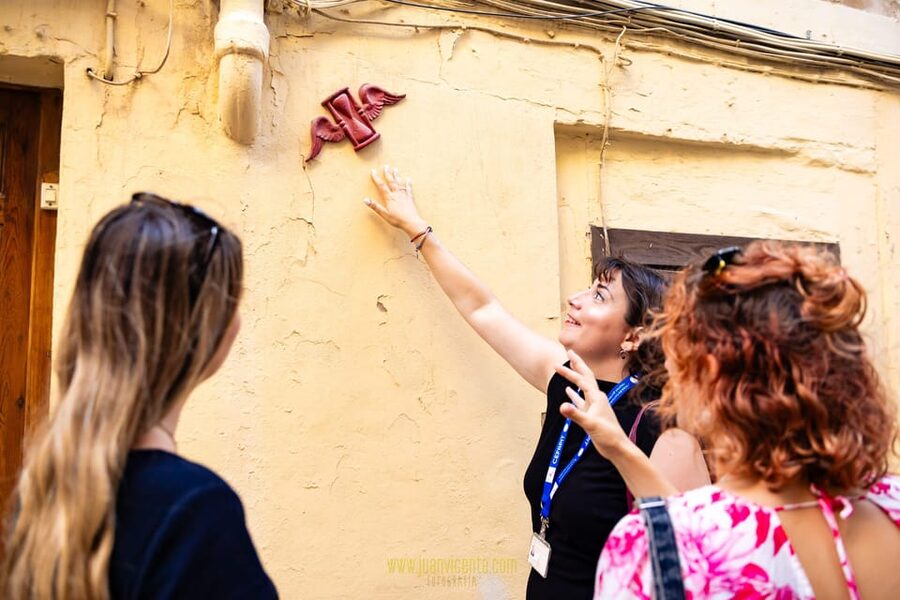
The route includes a visit to the CCCC, the Centre del Carme Cultura Contemporània. Here you see murals and learn more about the history of street art in Valencia.
This is an important change of pace. Outdoor murals can be temporary, exposed to weather, paint, or redevelopment. A museum setting gives you time to consider the scene in a more controlled space and helps connect individual works to Valencia’s wider art culture.
The CCCC visit is included in the price, but it is not available on Mondays. If the museum stop matters to you, check the starting date before booking. This is the clearest scheduling limitation in the experience.
The stop also suits people who want more context than a sequence of photographs. Maria has been praised for bringing political and social insight into her explanations, and the museum visit gives those ideas more room to make sense.
Do not expect the whole two hours to take place inside. The museum is one part of a route that keeps returning to the streets, where the art belongs to the buildings and neighborhoods around it.
Behind the IVAM and the work of Escif
After the CCCC, the route includes the area behind the IVAM, Valencia’s modern art museum. The emphasis here is on impressive murals by Escif and other artists.
This stop is useful for seeing how a group of large works can change the feel of a place. Rather than treating each painting as an isolated object, you can compare the scale, placement, and style of several pieces in the same area.
Escif is one of the recurring names on this walk. The tour gives you a chance to connect the artist’s work with the broader Valencia street art scene, rather than encountering one mural without context.
The information provided does not specify exactly how long the group stays behind the IVAM, so think of it as one section of the continuous route. The guide may spend more or less time at a particular wall depending on the group’s questions and the day’s conditions.
That flexibility is one reason a group of 10 works well. You can ask about a detail that catches your eye without holding up a large crowd.
Ending among the large walls of Velluters
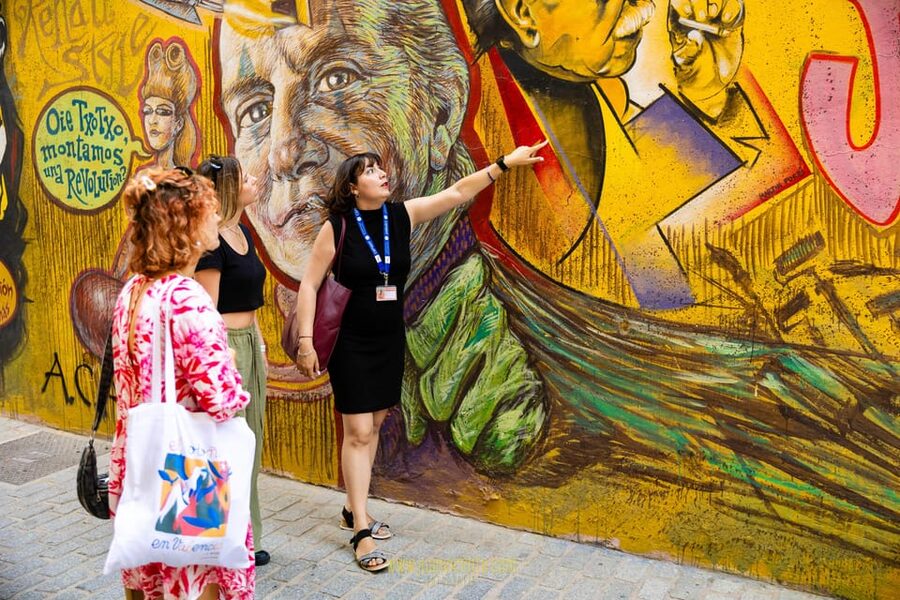
The final neighborhood is Velluters, and the tour ends at Plaça de la Botxa in Ciutat Vella. Here you discover large murals made by a group of artists.
The ending gives the walk a strong visual finish. You have moved from smaller or less obvious works near the towers and through the Barrio del Carmen to a setting with major wall pieces. It also reinforces the idea that Valencia’s street art is a shared scene, not only the work of individual stars.
Ending at Plaça de la Botxa is convenient for continuing your time in the old city, although no onward transport details are provided. You can plan the rest of your afternoon from there without needing to return to the Torres de Serranos.
The final stop is also a good moment to use the artist document. After two hours of names and techniques, you may want to record which works you liked best before they blur together.
What the $41 price really buys
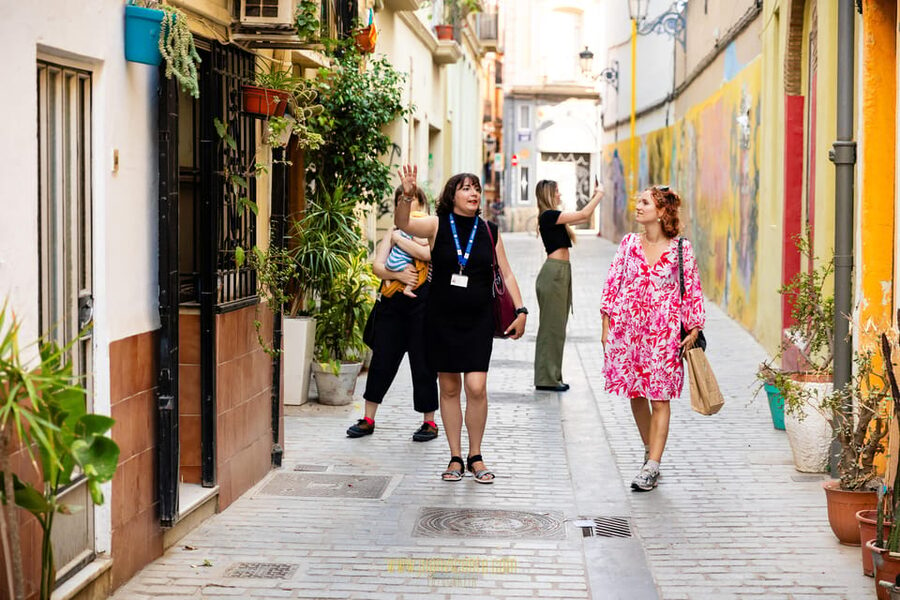
At $41 per person, this is not the cheapest way to spend two hours in Valencia. You can walk through the Barrio del Carmen on your own for nothing, and the city’s murals remain free to see.
The difference is the guide. Your payment covers a certified guide, the small-group format, the CCCC visit, the artist social media document, and the interpretation that links the works together. For someone interested in art, those details make the price easier to justify.
The strongest value comes from access to local knowledge. You might find a mural on your own, but you are less likely to know its artist, technique, or social meaning. You are also less likely to locate every tucked-away work included in the route.
The value is lower if you only want a quick photo walk or already know Valencia’s street art scene well. In that case, a self-guided route may be enough. If you want the stories and the names, the fee buys a useful layer of understanding.
With a maximum of 10 participants, the price also supports a more personal format. You are not paying for a large bus group or a distant microphone. You are paying for two hours of walking and explanation in the old city.
Who will get the most from this walk
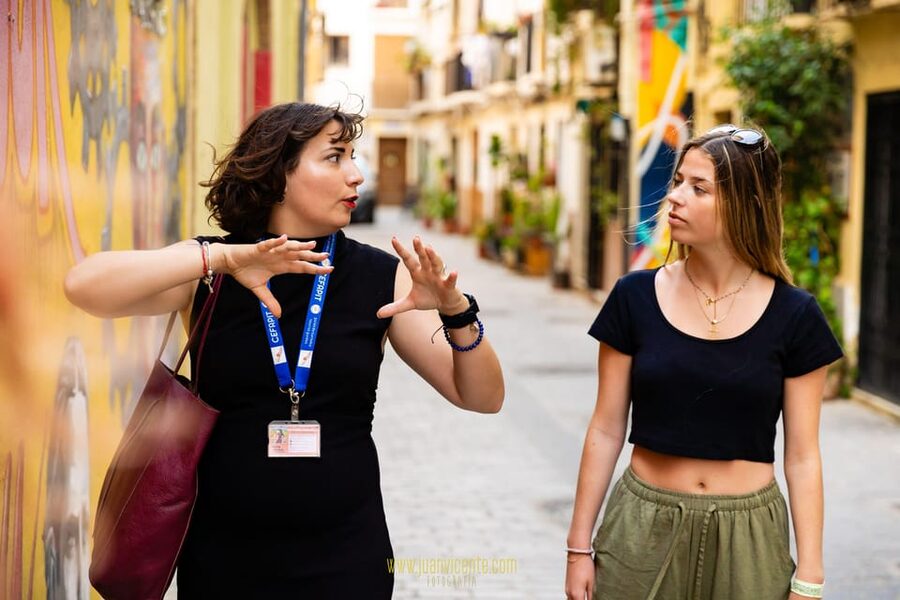
I would choose this tour if you enjoy visual art but do not want a formal gallery lecture. It works especially well for first-time visitors who want an introduction to Valencia through its creative side.
It also suits returning visitors. The route gives you a reason to explore parts of Ciutat Vella with fresh eyes, and the artist names provide a starting point for later independent discovery.
The experience is a good fit for:
- People interested in murals, urban art, or contemporary culture
- Visitors who want local political and social context
- Photographers looking for unusual walls and details
- Anyone who prefers a small group and a live guide
- Families or friends who can manage a two-hour walking route
- Visitors who want a museum stop as well as outdoor art
It may not suit you if you dislike walking, want a completely private tour, or care mainly about grand historic monuments. The Torres de Serranos and old-city setting provide the backdrop, but the focus is firmly on street art.
The tour is listed as wheelchair accessible. Since the route includes streets, outdoor walls, and museum areas, you may still want to confirm any specific access needs before booking.
Practical advice before you go
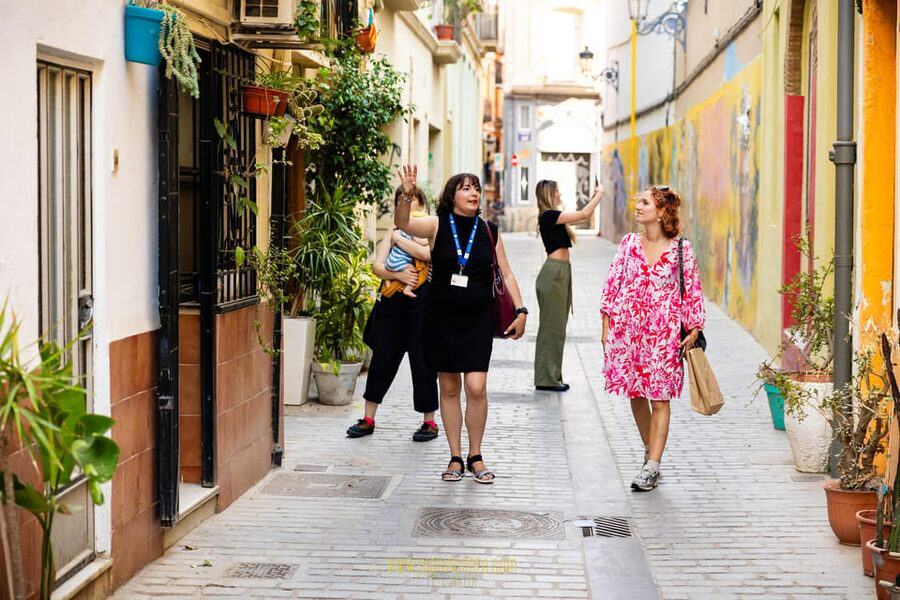
Wear comfortable shoes. This is simple advice, but it matters more than a stylish outfit when you are walking through the old city for two hours.
Use sunscreen and bring water or another drink. Food and drinks are not included, although you can buy them during the tour. The route is not built around a meal stop, so have your own plan for refreshments.
Bring a camera and a charged smartphone. The phone helps with photographs, artist names, and the included social media document. Comfortable clothes will make the walking easier.
Choose your language at booking from Spanish, English, French, or Catalan. If you are deciding between dates, avoid Monday if the CCCC visit is important to you.
Cancellation is free up to 24 hours before the tour for a full refund. You can also reserve now and pay later, which helps if your Valencia schedule is still changing.
Should you book the Best Street Art in Valencia Walking Tour?
Book it if you want to understand Valencia’s street art rather than simply pass it on the way to another sight. Maria’s clear explanations, the small group, the CCCC stop, and the chance to see work connected with Escif, Hyuro, Deih, and other artists give the walk real substance.
Skip it if you are looking for a free, self-guided stroll or if Mondays are your only option and the museum visit is essential. For most art-minded visitors, though, $41 is a fair price for two hours of guided discovery, especially when you want the stories, techniques, and artist names that the walls cannot provide on their own.
FAQ
Where does the Best Street Art in Valencia Walking Tour begin?
The meeting point is behind the Torres de Serranos, on the Plaza dels Furs side.
Where does the tour finish?
The walk finishes at Plaça de la Botxa in the Velluters neighborhood of Ciutat Vella.
How long does the tour last?
The guided walking tour lasts two hours.
What languages are available?
The live guide can lead the experience in Spanish, English, French, or Catalan.
Is the CCCC museum included?
Yes. The visit to the CCCC is included, except on Mondays.
Is food included?
No. Food and drinks are not included, but you can buy them during the tour.
How many people are in the group?
The tour is limited to 10 participants.
Is the tour wheelchair accessible?
Yes, the activity is listed as wheelchair accessible.
What should I bring?
Bring comfortable shoes, comfortable clothes, sunscreen, a camera, and a charged smartphone.
Just added around Spain
- Small-Group Graffiti Tour and Workshop in El Carmen★ 5.0 · 2 reviews
- Madrid Hidden Street Art Tour★ 5.0 · 12 reviews
- Bilbao Urban and Street Art Walking Tour★ 5.0 · 2 reviews
- Barcelona Street Art, Graffiti and Tapas Tour★ 4.0 · 5 reviews
- Moco Museum Barcelona: Banksy Small-Group Tour with Skip-the-Line★ 5.0 · 5 reviews
- Small-Group Moco Museum Barcelona: Banksy & Modern Art Tour★ 4.8 · 16 reviews
- Salamanca: Private Guided Street Art Walking Tour★ 5.0 · 2 reviews
- Private Barcelona Street Art Tour★ 5.0 · 2 reviews
Spain Street Art Tours, compared.

Barcelona Street Art and Graffitti Bicycle Tour
Read our review →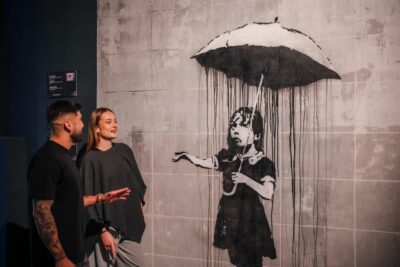
Barcelona Street Art Tour with Exclusive Artist Studios Visit
Read our review →Browse the lists this tour appears in