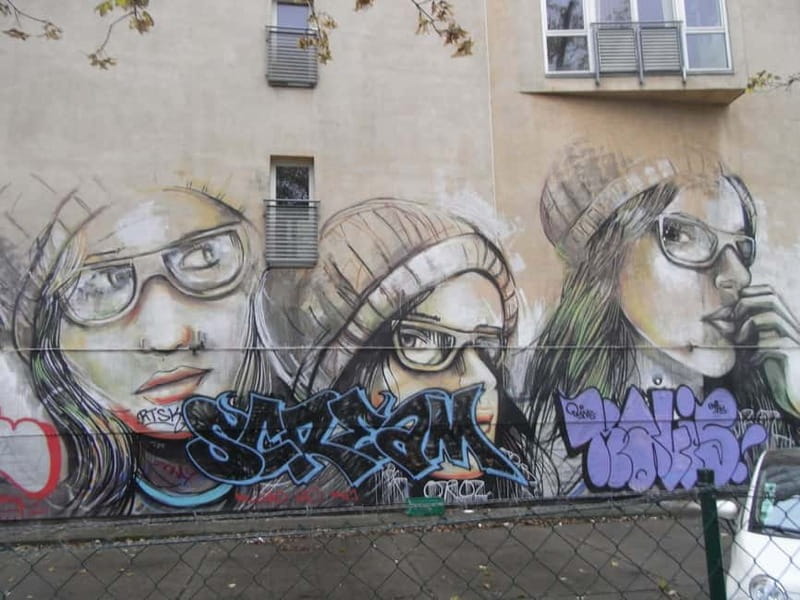
REVIEW · BERLIN
Private Alternative Berlin Tour -Murals, Graffiti and Squats
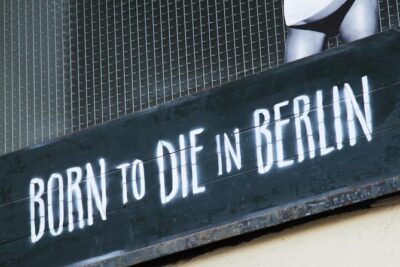
Berlin’s alternative culture is written across its walls. On this private tour, you move from the rebuilt towers of Potsdamer Platz to Dead Chicken Alley, Haus Schwarzenberg, East Side Gallery, and the old punk districts of Friedrichshain and Kreuzberg. The route connects Berlin’s street art with the squats, artists, and free-spirited communities that shaped the city after the Wall fell.
I like the private format, since Nadav Jacob or Jacob can adjust the pace and spend more time on the subjects you care about. I also like the mix of famous sights and rougher, less polished places, especially the chance to see Berlin’s art as part of its social story rather than as a string of photo stops.
The main consideration is that the tour lasts only 2.5 hours and uses public transport. You will cover a lot of ground, but this is an introduction to Berlin’s alternative scene, not a slow, detailed visit to every art space or squat.
Key points at a glance
- Dead Chicken Alley and Haus Schwarzenberg: See two of central Berlin’s most distinctive pockets of murals, graffiti, studios, and alternative culture.
- East Side Gallery: Spend about 45 minutes with the painted remains of the Berlin Wall, the tour’s longest stop.
- Private, flexible guiding: Nadav Jacob and Jacob can adapt the route, start time, meeting place, and discussion to your interests.
- Public transport is part of the experience: Bring a ticket costing about $4 to $10, depending on the required fare.
- Easy walking with comfortable shoes: No special fitness level is required, though the day includes several transfers and outdoor stops.
- Best for curious first-time visitors: This suits anyone who wants Berlin’s political and artistic story told together, rather than a standard city highlights tour.
Why Berlin’s alternative story matters
Before and after the fall of the Berlin Wall, housing in Berlin was cheap and many damaged or empty buildings were available. Artists, hippies, punks, musicians, and other outsiders arrived from across the world. They used abandoned spaces for homes, workshops, galleries, clubs, and community projects.
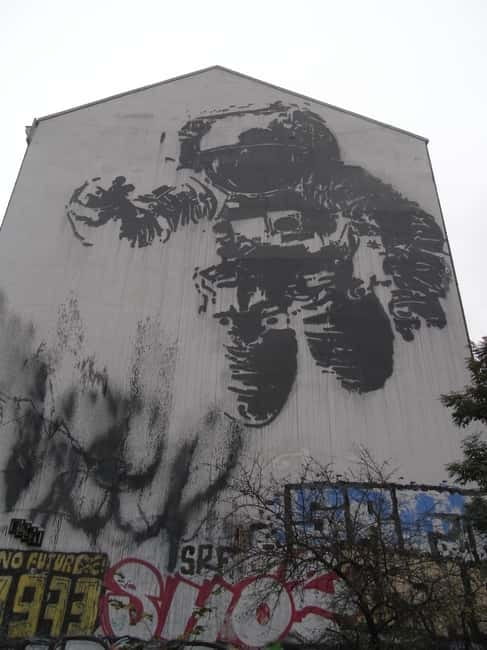
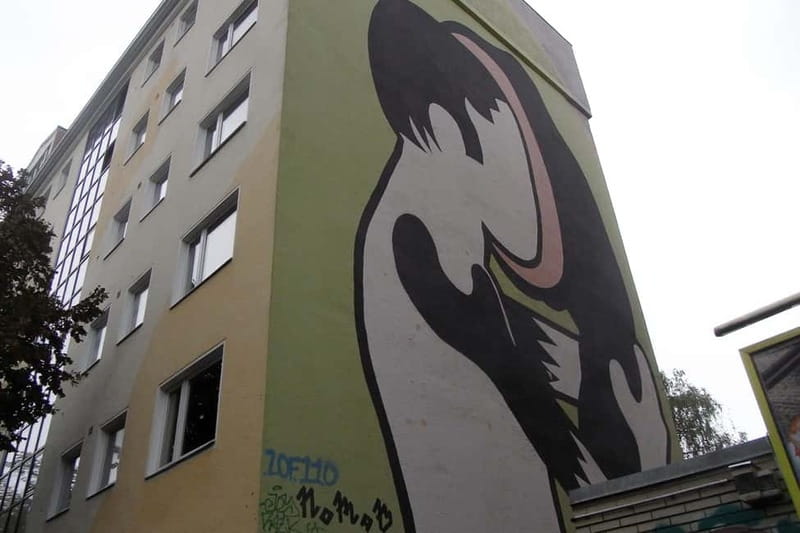
That history helps explain why Berlin’s graffiti is more than surface decoration. A painted wall can point to a former squat, a house project, a political idea, or a neighborhood that changed as rents rose. You will not get a full academic study in 2.5 hours, but the guide provides the background needed to read what you are seeing.
The tour also deals with change. Berlin is still a major home for artists and independent cultural projects, but constant gentrification has altered many of the districts that once felt improvised and lawless. That tension is one of the most useful parts of the experience. You see both the surviving art and the city that is replacing much of its original setting.
More Alternative City Tours in Berlin
- Berlin: Street Art and Alternative Tour
★ 4.7 · 98 reviews - Street Art and Alternative Tour of Berlin in French
★ 5.0 · 49 reviews - Berlin Alternative Street Art Tour
★ 4.0 · 26 reviews
Potsdamer Platz and the new Berlin
The tour begins with hotel pickup or at a location you specify, then uses public transport to reach the first main area. After roughly 15 minutes, you arrive at Potsdamer Platz for about 30 minutes of guided time.
Potsdamer Platz is an effective opening because it shows the opposite of the classic squat story. Once divided by the Wall and heavily damaged in the Second World War, the area was rebuilt as a modern business and shopping district. Its tall buildings and planned public spaces give you a clear picture of the new Berlin.
Your guide uses this setting to explain the city’s sharp contrasts. Berlin can move from polished redevelopment to rough murals within a short ride. That contrast makes the later stops easier to understand, since you are not looking at street art in isolation.
A nearby viewpoint adds about 10 minutes. The exact viewpoint is not specified, so you should think of it as a short orientation stop rather than a major observation deck visit. It gives the guide a chance to place Berlin’s districts and postwar divisions in context before you continue.
Dead Chicken Alley and Haus Schwarzenberg
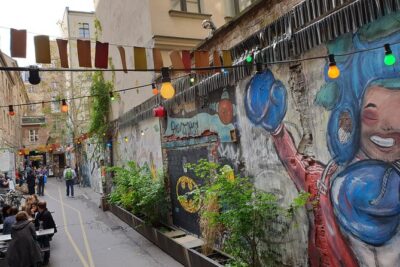
After another public transport ride of about 10 minutes, the group reaches Dead Chicken Alley. You spend around 10 minutes here, looking at an enclosed and heavily painted corner of central Berlin.
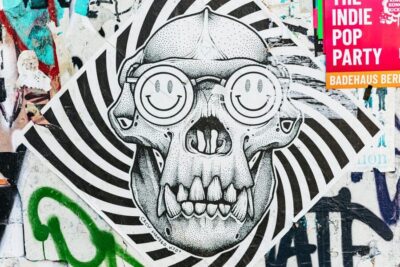
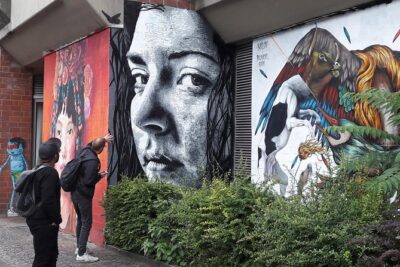
The name alone hints at the area’s unconventional character. Expect layers of graffiti and murals rather than a neat open-air gallery. The appeal is the density and informality of the work. New marks appear beside older ones, and the setting feels tied to Berlin’s alternative culture rather than separated from it.
The short visit is enough to take in the atmosphere and hear the basic story, but it may feel quick if you want to photograph every wall or study each piece. If you have a particular interest in street-art technique, political imagery, or the history of the space, tell the guide early so the private format can work in your favor.
Haus Schwarzenberg follows, with around 20 minutes of guided time. This is one of the most useful stops for understanding how Berlin’s alternative culture can survive within a central neighborhood. The house is associated with art, memory, independent projects, and a deliberately unfinished visual style.
Here, the walls and courtyards matter as much as any single mural. The guide can explain how spaces like this grew out of Berlin’s postwar and post-Wall conditions. You get a sense of the difference between commissioned public art and work that developed through informal communities.
Alexanderplatz and the city’s changing center
The route includes about 20 minutes at Alexanderplatz. At first glance, this may seem like an odd stop on a graffiti tour, since the square is known for transit, shopping, modern construction, and its famous television tower.
That is exactly why it belongs here. Alexanderplatz lets you see how an ordinary public square can sit beside the alternative districts without sharing their visual language. Your guide can connect the square to the wider story of East Berlin, reunification, redevelopment, and the changing use of public space.
This stop also helps break up the art-focused sections. You are not simply moving from one painted wall to another. Instead, the route compares official city projects with informal expression. If you care about how Berlin’s identity changed after reunification, Alexanderplatz gives the discussion a useful center.
More Alternative City Tours in Germany
- Berlin: Alternative Street Art Tour
★ 4.4 · 18 reviews - Alternative Berlin & Street Art Tour
★ 4.5 · 14 reviews - Berlin: Alternative & Street Art Tour
★ 4.5 · 10 reviews - Alternative Berlin / Street art tour – Private group
★ 5.0 · 6 reviews
East Side Gallery and the Wall’s painted remains
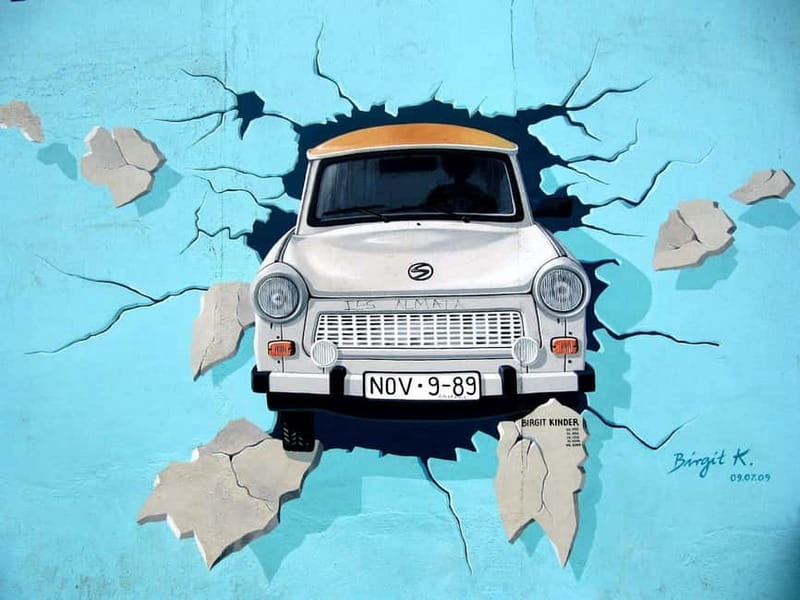
The longest stop is East Side Gallery, with about 45 minutes of guided time. This is the tour’s clearest link between Berlin’s political past and its modern street-art identity.
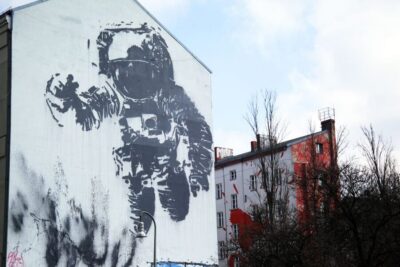
East Side Gallery is a long section of the former Berlin Wall covered with murals. The art was created after the Wall fell, and the site has become one of Berlin’s best-known public art areas. Some images are playful, some political, and some closely tied to the emotions surrounding division and reunification.
A guide adds value here because the wall can otherwise become a quick sequence of photographs. You can ask how the art relates to the Wall, how the city preserves it, and why this particular stretch became such an important public canvas. The guide also helps separate the original historical structure from the later artwork painted on it.
The 45-minute stop is generous compared with the shorter visits elsewhere. You have time to walk along the murals, listen to the explanation, and take photos without rushing through every section. Still, East Side Gallery is outdoors and exposed, so comfortable shoes and weather-appropriate clothing are sensible.
Friedrichshain, Kreuzberg, and Oberbaumbrücke
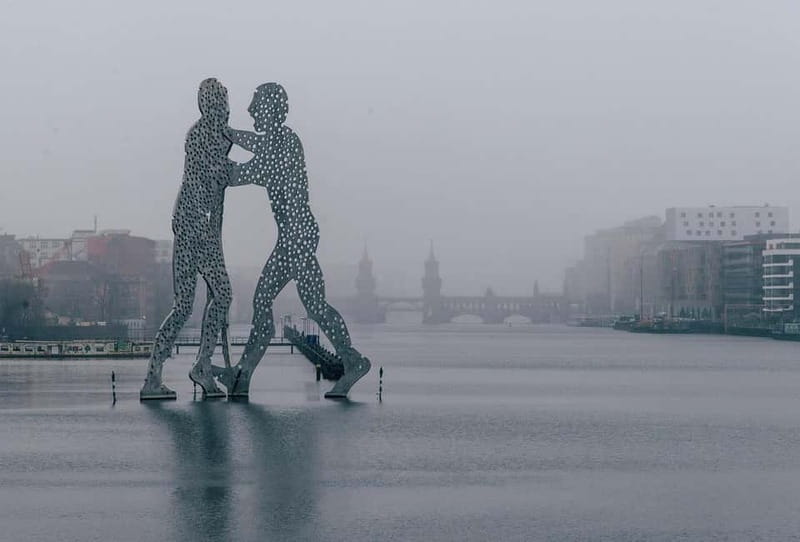
After another 10-minute public transport segment, the tour continues through Friedrichshain and Kreuzberg for about 15 minutes. These districts are central to Berlin’s alternative reputation, with a history of squats, punk communities, house projects, galleries, music, and independent cultural spaces.
The guide’s task here is to connect physical neighborhoods with the people who made them distinctive. Some former squats have changed or disappeared, and gentrification has altered the character of both districts. That does not make the visit less worthwhile. It gives you a more honest view of Berlin, where alternative culture remains important but is not frozen in its 1980s or 1990s form.
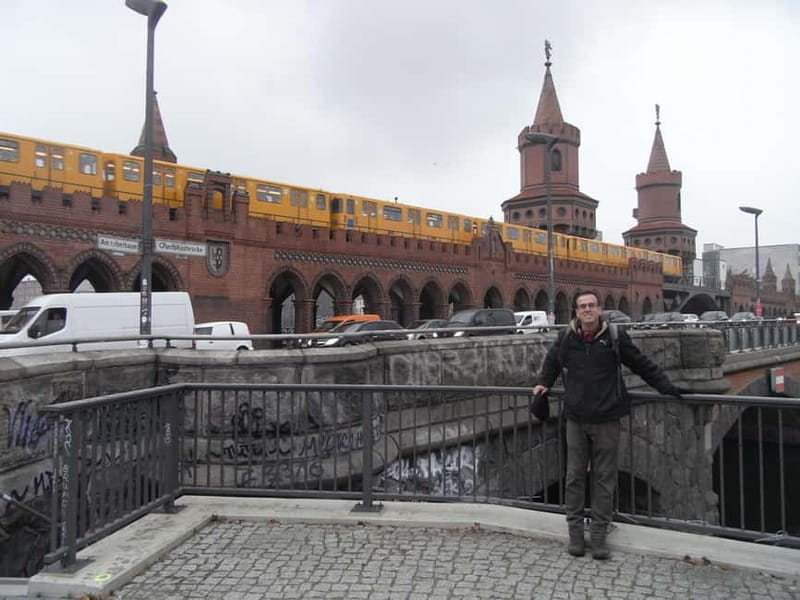
The final stop is Oberbaumbrücke, with about 10 minutes of guided time. The bridge links Friedrichshain and Kreuzberg and works as a fitting endpoint because it joins two districts with strong alternative identities. It is also a recognizable Berlin setting, giving the tour a visual finish after the more enclosed art spaces.
The final stop is brief, so expect a short explanation and a chance to take in the surroundings rather than a long architectural visit. The value lies in the connection between the bridge, the neighborhoods, and the city’s divided past.
A private guide changes the pace
A private group of up to six people gives this tour a different feel from a large walking group. You can ask direct questions, request more time on a subject, or explain that you care more about punk history, murals, squats, post-Wall politics, or photography.
Nadav Jacob is described as both an engaging storyteller and someone with broad knowledge of Berlin and its alternative scene. That combination matters here. A list of dates and artists would not be enough, since the tour depends on explaining why certain places developed the way they did.
Jacob has also adjusted the tour to personal interests and changed the start time or meeting location when needed. Guide Jacob is likewise described as flexible, entertaining, and easy to understand. Since the experience is private, the exact personality of your guide will shape the day, but the format gives you a good chance to steer the conversation.
You also receive a 3A picture folder with interactive explanations of Berlin’s alternative style. The material can help you remember the places afterward and may add context that is difficult to cover during a moving tour.
What the $302 group price really means
The price is $302 per group of up to six people, not per person. For six people, that works out to about $50 per person. For two people, the effective price is much higher, so the value depends heavily on your group size.
The fee includes the professional guide, hotel pickup, the picture folder, and WhatsApp availability before and after the tour for recommendations and information about what to see in Berlin. That follow-up access is useful if you want help choosing more alternative venues or planning the rest of your stay.
You pay extra for public transport, usually about $4 to $10, and for food, coffee, or snacks during a break, estimated at $5 to $15. The transport cost is modest, but remember that every person needs the correct ticket. Since the route crosses several parts of Berlin, public transport is not an optional detail. It is part of how the tour works.
For a group of friends or family members who want a personal introduction, the price can be reasonable. Solo visitors and couples should compare it with a standard group tour, since the private format carries most of its value through flexibility and conversation.
Who should book this Berlin art tour
I would choose this tour if you want to understand why Berlin became a magnet for artists, punks, hippies, and people looking for a less conventional life. It is especially useful early in your visit, since the guide can suggest other places to see afterward through WhatsApp.
You should also book it if famous Berlin sights alone do not interest you. Potsdamer Platz, Alexanderplatz, and East Side Gallery are well-known, but the route gives them a different frame by linking them to street art, urban change, and alternative communities.
This is less suitable if you want a slow art-history tour, a museum visit, or a detailed study of individual artists. The schedule is active, with several public transport segments and a series of short stops. You will see a lot, but you will not spend an hour at every wall.
The tour is described as fun and easy, with no special requirements. Comfortable shoes are the only stated item to bring, though you should also prepare for outdoor walking and changing weather.
My verdict on this private Berlin experience
Book this tour if you want a personal, story-led introduction to Berlin’s murals, graffiti, former squats, and alternative districts. The strongest features are the private group, flexible guide, and the way the route connects street art with the city’s divided and changing past.
Think carefully if you are traveling as only one or two people and are watching your budget. The group price makes better sense with several people sharing it. Also expect a brisk introduction rather than a complete survey of Berlin’s alternative culture.
For the right group, this is a useful way to see a side of Berlin that standard sightseeing often misses. You leave with more than photographs of painted walls. You gain a clearer idea of who made these places, why they mattered, and what is happening as the city changes.
FAQ
How long does the private Berlin alternative tour last?
The tour lasts 2.5 hours, including walking and public transport between the stops.
What places are included on the route?
The route includes Potsdamer Platz, a viewpoint, Dead Chicken Alley, Alexanderplatz, Haus Schwarzenberg, East Side Gallery, Friedrichshain and Kreuzberg, and Oberbaumbrücke.
Is hotel pickup included?
Yes. Pickup is included from your hotel reception or another location you specify.
How many people can join the private group?
The price covers a private group of up to six people.
What language is the tour offered in?
The live tour guide and the experience are offered in English.
Do I need to buy a public transport ticket?
Yes. Public transport is not included. The stated cost is about $4 to $10.
Are food and drinks included?
No. Food, coffee, and snacks are not included. A suggested budget for a break is $5 to $15.
What should I bring?
Bring comfortable shoes. The tour involves easy walking and public transport, with no special requirements stated.
Can I cancel the tour or pay later?
You can cancel up to 24 hours in advance for a full refund. You can also reserve now and pay later, keeping your plans flexible.
More Graffiti Tours in Germany
- Open graffiti workshop in the Mauerpark in Berlin
★ 5.0 · 2 reviews - Mega Street Art, Mural, Graffiti Private Tour
★ 5.0 · 2 reviews - Berlin Graffiti Workshop For Groups & Team-Buildings
★ 5.0 · 2 reviews - Berlin: Graffiti Workshop at the Berlin Wall
★ 4.6 · 234 reviews
More Graffiti Tours in Berlin
- Berlin Street Art & Graffiti Walking Tour
★ 5.0 · 109 reviews - Berlin Street Art Tour with Graffiti, Murals, and Urban Culture
★ 4.5 · 12 reviews - Alternative Berlin Private Tour with Jacob – Graffiti and Squats
★ 5.0 · 6 reviews - Graffiti Workshop Berlin with professional graffiti artists
★ 4.0 · 4 reviews
Just added around Berlin
- Berlin Private Street Art Tour – Off The Grid★ 5.0 · 9 reviews
- Open graffiti workshop in the Mauerpark in Berlin★ 5.0 · 2 reviews
- Alternative Berlin & Street Art Tour★ 4.5 · 14 reviews
- Street Art & Berlin Gay, Queer, Trans History + Free Gay Map★ 4.9 · 15 reviews
- Berlin : Private Street Art Walking Tour (Private Tour)★ 5.0 · 2 reviews
- Mega Street Art, Mural, Graffiti Private Tour★ 5.0 · 2 reviews
- Berlin: Alternative & Street Art Tour★ 4.5 · 10 reviews
- Alternative Berlin / Street art tour – Private group★ 5.0 · 6 reviews
Berlin Street Art Tours, compared.
East Meets West: Berlin Food Culture & Street Art
Read our review →