
REVIEW · BERLIN
East Meets West: Berlin Food Culture & Street Art
Berlin’s food culture makes the most sense when you walk through the neighborhoods that shaped it. This small-group tour of up to eight people links Friedrichshain, the East Side Gallery, and Kreuzberg with German, Turkish, Ukrainian, vegan, and other city flavors.
I like the range, from a Berlin-style schnitzel and currywurst to Turkish street food and Ukrainian soul food. I also like the mix of history and street art, especially the chance to touch a remaining section of the Berlin Wall while hearing about East Berlin, Nazi Germany, and the city’s immigrant communities. The main consideration is price: at $169.38 per person, you should arrive hungry and expect a food-and-history walk rather than a major sightseeing tour.
Key points to know before booking
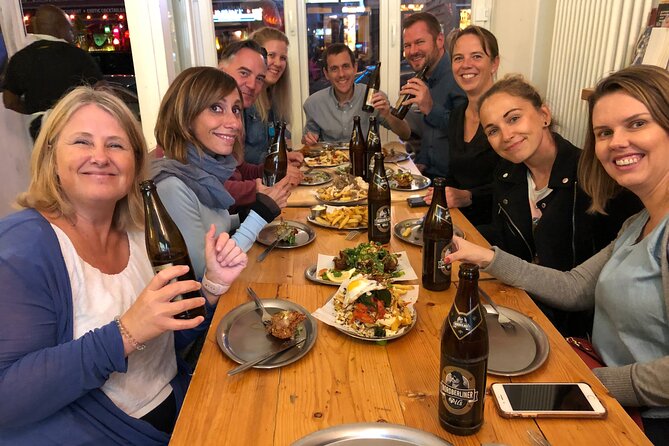
- Six tastings and drinks are included, with local food, beverages, and Berliner Pilsner.
- The route crosses Berlin’s former divide, from Friedrichshain in East Berlin to Kreuzberg in former West Berlin.
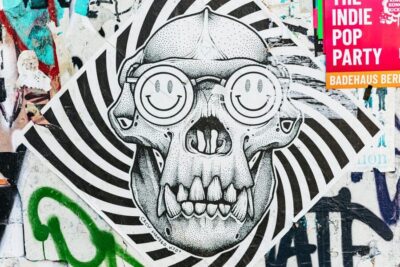
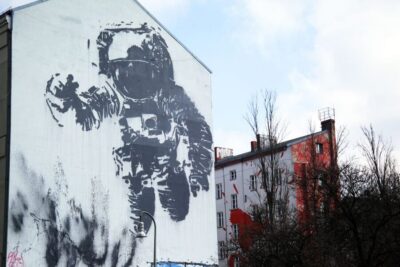
- Street art is part of the history lesson, not just decoration, with time at the East Side Gallery and other murals.
- Turkish influence shapes the food stops, including Anatolian street food in Kreuzberg’s Little Istanbul area.
- The group is capped at eight, giving you a better chance to ask questions and keep the pace comfortable.
- The walk ends near U Kottbusser Tor, on the U1 and U8 lines, but your BVG transport ticket is not included.
A food walk across Berlin’s old border
The route begins at Industriepalast Hostel on Warschauer Strasse in Friedrichshain at noon. From there, you move through a part of the city associated with East Berlin’s rebellious spirit before crossing toward Kreuzberg.
That change of neighborhood gives the tour its shape. You are not simply moving between restaurants. You are walking through places where the political border, migration, music, art, and inexpensive local food all helped shape modern Berlin.
The tour lasts about three and a half hours. That is enough time for a useful introduction to several parts of the city, but not enough for long museum visits or extended time at every stop. The pace is best for you if you enjoy walking, brief food stops, and short talks rather than sitting down for one full meal.
The group size matters here. With no more than eight people, a guide such as Lee, Elena, Tiago, or Will can respond to individual questions and keep the group together without the feel of a large city tour. Past accounts specifically praise these guides for explaining Berlin’s food, people, and history in a personal way.
More Food and Drink Tours in Berlin:
- Medellin: Comuna 13 Graffiti Tour, Cable Car & Street Food
★ 4.8 · 9,046 reviews - Naples: Spanish Quarters Folk Street Art w/ Sweets Tasting
★ 4.9 · 788 reviews - Cancun Street Food Tour with Food Stalls, Local Market and Murals
★ 5.0 · 723 reviews
Friedrichshain and the East Side Gallery
Friedrichshain is the first setting, with about 20 minutes to get your bearings. The neighborhood is linked with revolutionary East Berliners, and it provides the political starting point for the walk.
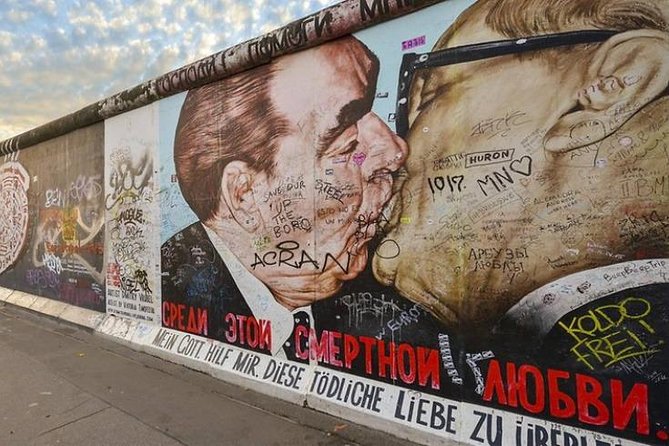
You then reach the East Side Gallery, where about 20 minutes is set aside for the remaining section of the Berlin Wall. This is a useful stop because you can see and touch an actual piece of the structure rather than only viewing photographs or an outline on the pavement.
The wall here is covered with political art. The murals help explain how Berlin turned a former barrier into a public record of division and reunification. You will hear about the Wall’s secrets and the stories carried by the artwork, although the short time means you should not expect to study every mural in detail.
This portion is one of the strongest parts for first-time visitors. It gives you a real physical connection to Berlin’s divided past before the tour shifts toward food and neighborhood life.
Crossing into Kreuzberg
The route then crosses toward Kreuzberg, the former West Berlin district that became one of the city’s best-known centers for food, bars, art, and immigrant life. About 30 minutes is assigned to the neighborhood itself.
The value here is the contrast. Friedrichshain introduces you to the former East, while Kreuzberg shows a different side of Berlin’s postwar story. The tour connects the two rather than treating them as isolated stops.
You will also hear about Nazi-era Berlin and the SS soldiers who once moved through these streets. That subject adds weight to the walk, but the tour keeps moving through present-day food and art rather than becoming a formal war-history tour.
If your main goal is a long, detailed explanation of World War II sites, this experience may feel too light. If you want historical context woven into a neighborhood walk, the format works better.
Schnitzel, currywurst, and Berlin comfort food
At Scheers Schnitzel, you get a Berlin-style serving from a local institution. The stop lasts about 15 minutes, so think of it as a tasting rather than a leisurely restaurant meal.
The portion sizes across the tour can add up quickly. One previous account advised arriving very hungry, skipping breakfast, and even leaving room for the fact that dinner might not be necessary. That is useful advice, especially since the experience includes several savory stops and sweets.
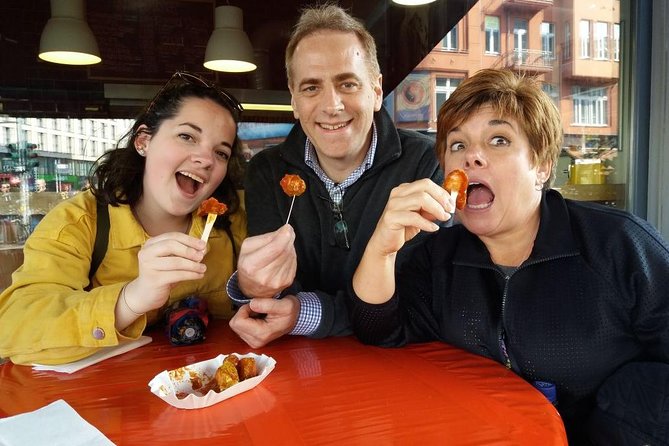
Ketels Curry brings the famous currywurst story into the picture. You will learn how this sausage and sauce combination changed Berlin’s food culture, along with a story that many local people may not know. This is a good example of the tour’s approach: take a familiar dish and use it to explain the city.
The German food is not presented as a formal culinary lesson. Instead, it is part of a moving portrait of Berlin, where simple street food can carry a surprising amount of social history.
More Food Tours in Berlin:
- 3-Hour Atlanta Beltline Food, Street Art and History Tour
★ 5.0 · 345 reviews - Arts District Eats: Food, Art & Culture Walking Tour in Las Vegas
★ 5.0 · 191 reviews - Naples: Street Art, Wine and Food Tasting Walking Tour
★ 5.0 · 163 reviews - 2-Hour Food, History and Street Art Tour of Ponce City Market
★ 5.0 · 159 reviews
Turkish Berlin and the food of migration
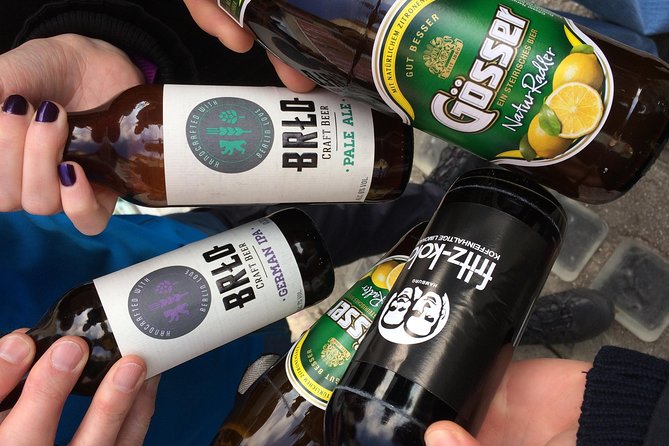
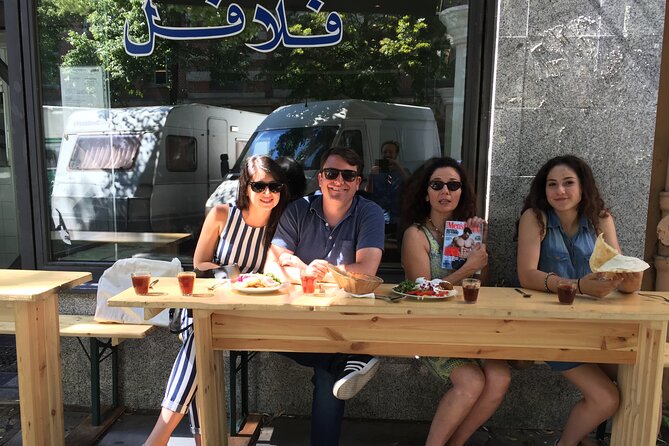
Kreuzberg’s Turkish influence is central to the route. The district’s Turkish community helped rebuild and reshape the area during the 1980s and 1990s, and Berlin is home to the largest Turkish population outside Turkey.
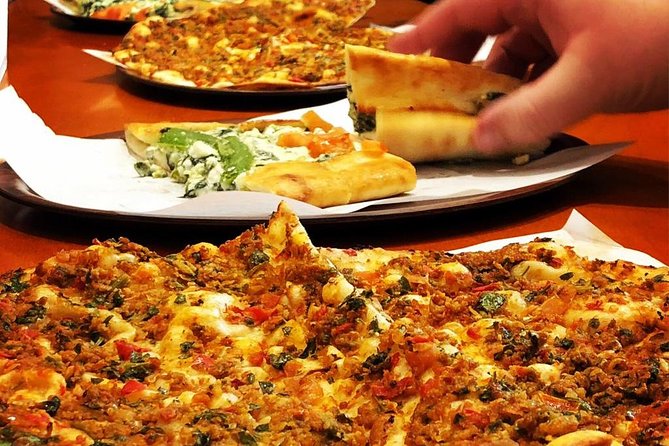
At Leylak, you taste street food connected with the Anatolian region. The stop lasts about 20 minutes and gives you a direct way to understand how migration changed the flavor of Kreuzberg.
This is one of the most meaningful parts of the experience because the food is tied to people and neighborhoods, not presented as an exotic side note. You are seeing how a community helped remake a district through daily life, restaurants, shops, and family traditions.
The route also refers to the area as Little Istanbul. That label is useful as shorthand, but the experience is stronger when you think of Kreuzberg as a Berlin neighborhood shaped by several cultures rather than as a replica of another city.
Ukrainian soul food at Slava Berlin
Slava Berlin introduces a newer chapter in Berlin’s food story. This immigrant women-led restaurant presents modern Ukrainian food and nalivanki, a type of fruit-based drink.
The stop lasts about 20 minutes. It adds a different perspective from the Turkish and German tastings, showing that Berlin’s food culture continues to change as new communities arrive and build businesses.
This stop also helps keep the tour from becoming a simple history lesson about the Berlin Wall. The city’s identity is still being formed, and food provides an easy, human way to talk about that change.
The included beverages and local Berliner Pilsner also make the tastings feel more substantial. Still, you should not expect a full drink at every stop, since the experience is built around several small portions and shared sampling.
Markthalle Neun and Berlin’s independent food scene
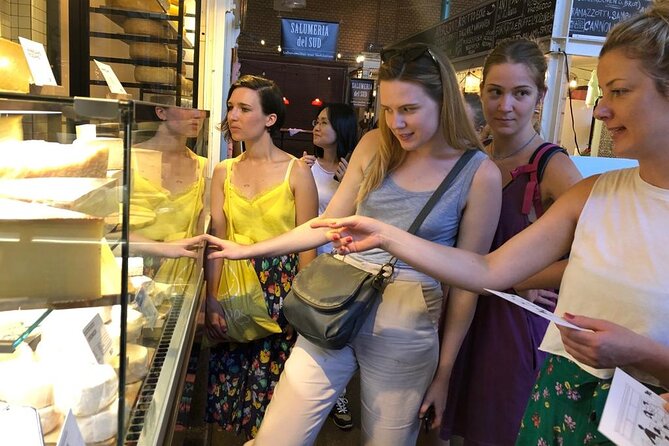
Markthalle Neun is one of the longer stops, at about 30 minutes. The restored market hall dates from the early 1900s and survived the destruction of World War II as well as later pressure from commercial development.
Today, it is known for independent food businesses, producers, and events. The hall gives you a chance to see how Berlin’s food scene connects local cooking with new ideas and nearby producers.
This stop is especially useful if you want suggestions for the rest of your stay. You can get a sense of the city’s current food culture in one place, rather than only visiting traditional German restaurants.
The limitation is time. Thirty minutes is enough to look around and taste something, but not enough to explore every stall or attend one of the hall’s larger food events. Your experience may also depend on what is open and operating on the day of your tour.
Street art beyond the Wall
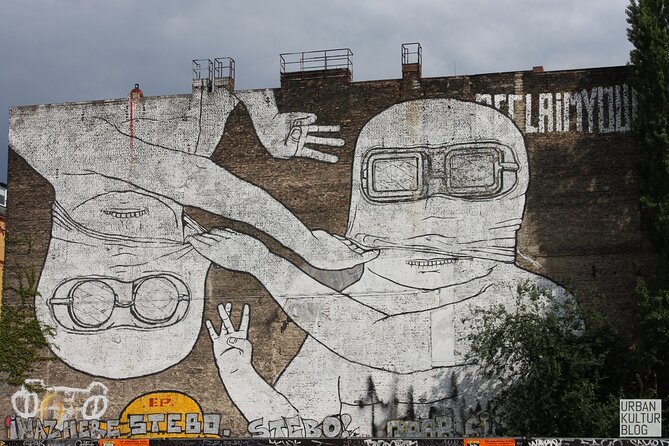
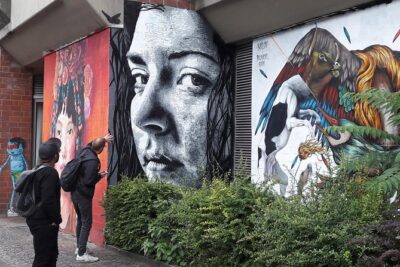
The East Side Gallery is the major Wall stop, but street art appears again in Kreuzberg. About 15 minutes is set aside for a famous mural and the stories tied to the neighborhood’s art.
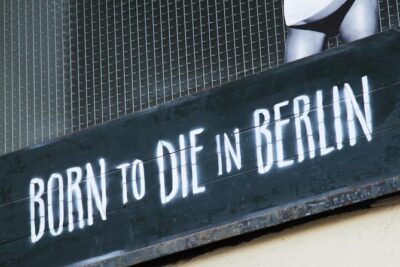
Berlin’s murals work well in this tour because they connect the past and future. Some art responds to East and West Berlin, while newer work reflects the city’s creative and political life today.
You should keep your expectations realistic. This is not a dedicated street-art tour with hours spent tracking down dozens of works. The art is one part of a broader food and history route. For many people, that balance is ideal. If murals are your main reason for booking, a specialist street-art walk would give you more time and detail.
Vegan donuts and the final stretch
The final tasting at Brammibal’s Donuts on Maybachufer adds a sweet finish. The donuts are vegan, reflecting Berlin’s strong plant-based food scene.
This stop is a smart contrast to schnitzel, currywurst, and Turkish savory dishes. It also gives you a sense of how Berlin’s food culture is not limited to traditional recipes or immigrant cuisine. Modern bakeries and vegan businesses are part of the city’s current identity too.
The tour ends at U Kottbusser Tor, close to both the U1 and U8 lines. That is convenient if you plan to continue exploring Kreuzberg or head back across the city.
The route includes a moderate amount of walking. Wear comfortable shoes, and bring a rain jacket or poncho if the forecast looks uncertain. Berlin weather can change quickly, and the experience continues outdoors between tastings.
Is the $169.38 price fair?
At $169.38, this is not a cheap snack walk. The price makes more sense if you value the guide’s local context, six tastings, drinks, and a small group more than you value a large number of paid sights.
The included food is varied rather than luxurious. You are paying for a guided route through several neighborhoods, not for high-end dining. Some stops are inexpensive by nature, such as currywurst, donuts, and street food.
I would judge the value this way:
- It is a good deal for a first visit if you want food, history, and neighborhood orientation in one afternoon.
- It is less appealing if you mainly want famous monuments or a sit-down meal.
- It is stronger for curious eaters who ask questions and enjoy trying several small portions.
- It is weaker if you want generous time at the East Side Gallery or detailed coverage of every historical site.
The 4.9 rating from 157 evaluations and the 97 percent recommendation rate point to a consistently well-received experience, but the value still depends on your priorities. One account found the food and sightseeing too basic for the price. That is a fair warning: the tour’s strength is its connections between places, not luxury or landmark quantity.
Who should book this Berlin food tour?
I would recommend it to first-time visitors who want to understand how Berlin’s neighborhoods fit together. It is also a good choice for people who enjoy trying foods from several cultures and prefer a small group to a large bus tour.
History-minded eaters will get the most from it. You can ask about the Wall, Nazi Germany, Communist-era Berlin, Turkish migration, Ukrainian food, and the city’s creative culture in one outing.
It may not suit you if you have limited mobility, dislike moderate walking, or want a quiet restaurant experience. The tour is also not the best pick for someone seeking a focused museum or street-art tour.
Vegetarian options are available if you request them when booking. Specific dietary needs should also be provided in advance. The experience is offered in English, and confirmation is sent at booking. The operator may change the meeting point or start time by season, so check the reconfirmation email before you set out.
Should you book it?
Book this tour if you want Berlin explained through food, murals, migration, and the old East-West divide. The strongest features are the small group, the generous range of tastings, and guides such as Lee, Elena, Tiago, and Will, who have been praised for making the history easy to follow.
Skip it if $169.38 feels high for small portions or if you want more time at major sights. For the right person, arriving hungry and curious is the key. You will leave near Kottbusser Tor with a fuller stomach and a much clearer sense of why Friedrichshain and Kreuzberg taste, look, and feel so different.
FAQ
Where does the tour start?
The tour starts at Industriepalast Hostel, Warschauer Strasse 43, 10243 Berlin, Germany.
Where does the tour end?
It ends at U Kottbusser Tor, near the U1 and U8 lines, at 10999 Berlin.
What time does the experience start?
The stated start time is 12:00 pm. The operator may change the time by season and will reconfirm details by email.
How long does the tour last?
The experience lasts approximately three hours and 30 minutes.
How many people can join?
The maximum group size is eight people.
What food and drinks are included?
The experience includes six local tastings, beverages, food tastings, and local Berliner Pilsner beer.
Is a vegetarian option available?
Yes. You should request the vegetarian option when booking.
Should I share dietary requirements?
Yes. Provide any specific dietary requirements at the time of booking.
Is public transportation included?
No. A BVG transport ticket is not included.
What should I wear?
Wear comfortable walking shoes. A rain jacket or poncho is recommended when the weather calls for it.
Just added around Berlin
- Berlin Private Street Art Tour – Off The Grid★ 5.0 · 9 reviews
- Open graffiti workshop in the Mauerpark in Berlin★ 5.0 · 2 reviews
- Alternative Berlin & Street Art Tour★ 4.5 · 14 reviews
- Street Art & Berlin Gay, Queer, Trans History + Free Gay Map★ 4.9 · 15 reviews
- Berlin : Private Street Art Walking Tour (Private Tour)★ 5.0 · 2 reviews
- Mega Street Art, Mural, Graffiti Private Tour★ 5.0 · 2 reviews
- Berlin: Alternative & Street Art Tour★ 4.5 · 10 reviews
- Alternative Berlin / Street art tour – Private group★ 5.0 · 6 reviews
Berlin Street Art Tours, compared.
Street Art and Alternative Tour of Berlin in French
Read our review →
Browse the lists this tour appears in