
REVIEW · COLOMBIA
Historical Shared Tour Salsa, Graffiti & Resistance in Cali
Cali’s salsa story is not confined to a dance hall. It appears in murals, public squares, music bars, cultural buildings, and the way people claim space in the city. This three-hour walk connects those pieces, with salsa, graffiti, and social resistance at its core. Guides such as Cristian and Juliana add dance steps, instruments, and clear stories about how popular culture shaped Cali.
I like the route’s wide cultural range. You get music, public art, city history, architecture, football, food suggestions, and nightlife in one outing. I also like the practical finish at Cimarrón Salsa Bar, where you can continue the evening instead of ending at an ordinary plaza.
The main consideration is pace. Ten listed stops, each planned for about 18 minutes, leave limited time for long visits, and the group may reach 30 people. Also, food and drinks are not included, and you should check the direct Beyond Colombia price because one booking note says the same style of walk may be offered as a tip-based free tour.
Key points about the Cali salsa and street-art walk
- Salsa beyond the dance floor: Learn how music, dance, and public art connect to Cali’s identity.
- Ten central stops: The route links Jairo Varela’s plaza, cultural buildings, mural-lined streets, the Cali River, and Cimarrón Salsa Bar.
- Hands-on moments: Depending on the guide, you may play simple instruments and learn basic salsa steps.
- Spanish-speaking guide: The advertised service includes a certified guide in Spanish, with Cristian and Juliana praised by name in the supplied comments.
- Useful nightlife advice: You receive suggestions for respected salsa bars and possible discounts with recommended partners.
- Low-cost format: The listed price is $14 per person, though direct booking and tip arrangements are worth checking.
Why salsa is the right way to meet Cali
Cali is often introduced through salsa, but this walk gives the music a wider setting. The tour presents salsa as part of popular culture and as a form of expression tied to community identity and resistance. That makes the experience more than a stop at a club for a quick lesson.
At several points, you can expect the guide to explain influential musicians, dancers, and local movements. The strongest guides use the city itself as their classroom. A mural becomes a prompt for discussing public memory. A bar becomes a way to explain how music travels through neighborhoods. A plaza becomes a place to talk about who gets heard.
The experience is conducted in Spanish. If you understand Spanish well enough to follow a walking tour, that gives you direct access to the guide’s stories and jokes. If you do not, the dance and visual-art portions still offer something, but the social and political context will be harder to catch.
The supplied comments give Cristian particular credit for his energy, clear explanations, dance instruction, and ability to make historical material enjoyable. Juliana is also named as an effective guide. Guides can shape this kind of walk more than the route itself, so the specific person leading your departure matters.
More Graffiti Tours in Colombia
- Medellin: Comuna 13 Graffiti Tour, Cable Car & Street Food
★ 4.8 · 9,046 reviews - Medellín: Comuna 13 Tour with Snacks And Your Own Graffiti
★ 4.9 · 311 reviews - Bogotá: La Candelaria Graffiti & Urban Art Guided Tour
★ 4.7 · 250 reviews
Starting at Plazoleta Jairo Varela
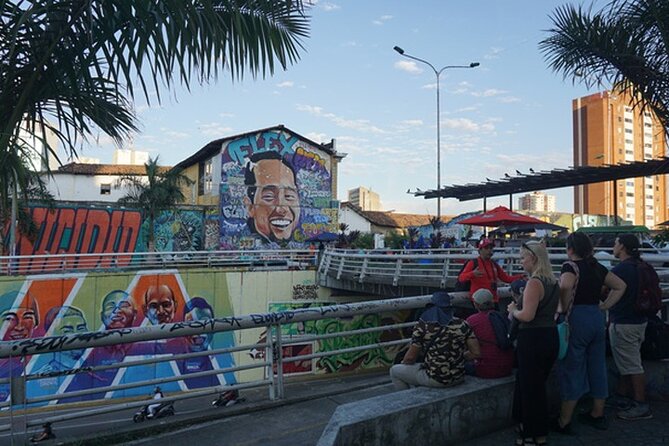
The walk begins at Plazoleta Jairo Varela in the Granada area. The plaza honors Jairo Varela, one of Cali’s great salsa composers, and its murals give the opening stop a clear purpose. You are not simply meeting at a convenient street corner. You begin with a figure who helps explain why Cali and salsa are so closely linked.
Allow about 18 minutes here. The guide can set up the musical story, point out images connected with Varela, and explain the local meaning of caleña culture. This is a good place to ask questions about the music before the route turns toward broader public art and city life.
Because admission is free and the stop is outdoors, the value comes from interpretation rather than entry access. Without a guide, you might see colorful walls and a pleasant square. With context, the murals become a starting point for understanding the city’s sound.
Parque de las Piedras and the public side of salsa
At Parque de las Piedras, salsa lovers have a gathering place with fountains, sculptures, and open areas. The stop adds a more relaxed public setting to the first plaza. You can expect attention to the murals and the cultural mix they represent.
This is one of the places where the tour’s theme becomes practical. Salsa is not treated only as a performance for tourists. It is connected to meeting, listening, dancing, and occupying shared city space. The guide may also explain how different parts of Cali contribute to its musical character.
The planned time is again about 18 minutes. That is enough for an explanation and a few photos, but not for a long pause. If you enjoy public art, keep your eyes on the details while the guide speaks.
Fine Arts and the city’s cultural conversation
The Departmental Institute of Fine Arts brings the route indoors in spirit, even if your visit does not include a long formal exhibition stop. The building is described as a cultural center for painting, sculpture, photography, and other forms of artistic work.
Its place on the route helps connect gallery art with the murals you have already seen. The tour’s central idea is that Cali’s creativity does not belong to one institution or one neighborhood. Music, dance, painting, and street art overlap.
Do not expect a full museum visit with hours to examine displays. The stop lasts around 18 minutes, so treat it as a short cultural explanation and an architectural pause. This is more useful for understanding Cali’s art scene than for viewing a large collection.
Same walls, a different guide:
- Medellín: Comuna 13 and Graffiti Guided Tour with a Local
★ 4.9 · 239 reviews - Medellín: Private Comuna 13 Street Art Tour
★ 4.8 · 88 reviews - Medellín: Comuna 13 Tour with Spray Painting and ice cream
★ 5.0 · 74 reviews - Fun Graffiti Workshop: The Art of Aerosol and Color
★ 5.0 · 73 reviews
La Curva del Boulevard: food, murals, and evening energy
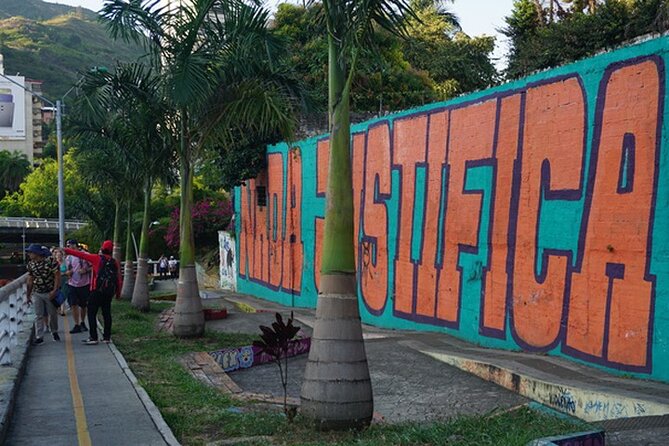
La Curva del Boulevard shifts the focus toward nightlife and eating. The area is known for dining options, and the route uses its murals and street setting to show how public art accompanies ordinary social life.
Food is not included, so you should budget separately if you want a typical dish here. That is both a drawback and an advantage. You choose what to buy, but the tour price does not cover a tasting menu or a planned meal.
One supplied account describes a separate food-focused experience with market stops, broad food choices, and useful advice for a pescatarian. Do not assume this salsa and graffiti walk includes that same food program. You may receive food suggestions, but the advertised inclusions do not promise tastings.
The Cali River view from Boulevard del Río Emcali
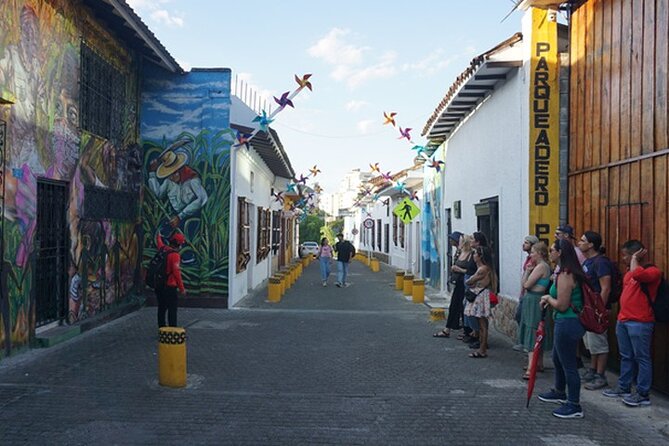
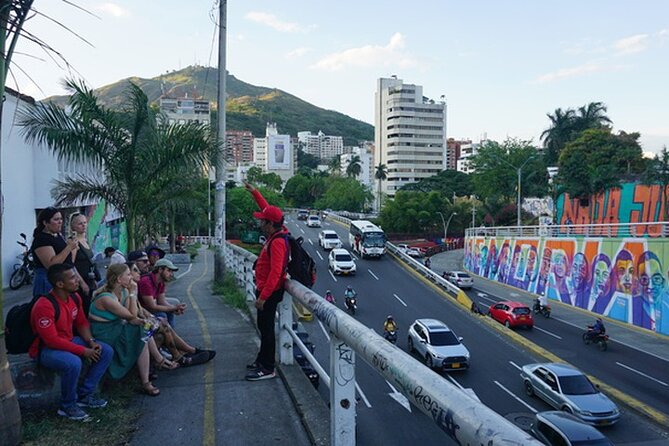
The Edificio Boulevard del Río Emcali offers a change of scale. Its modern architecture points to Cali’s newer urban development, while its viewpoint gives you a look toward the city and the Cali River.
This stop is useful because the route is not only about old facades and music venues. It shows how the city’s public spaces and buildings have changed. The view can also help you place the earlier stops within central Cali.
The advertised stop lasts about 18 minutes. A short viewing point works well in a walking tour, but do not expect an extended sightseeing platform visit. Weather may affect this part of the experience, since the activity requires good conditions.
Calle del Sabor, where the music gets louder
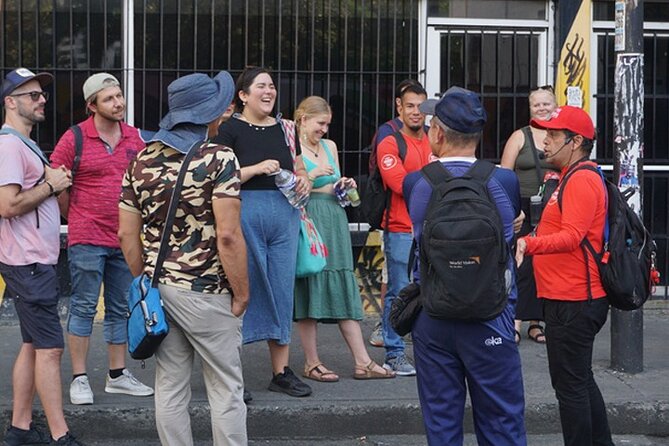
Calle del Sabor is the route’s clearest salsa center. Bars, restaurants, themed shops, and murals fill the street with references to musicians, dancers, and popular culture.
This is where you may get the most useful advice for your evening. The guide provides recommendations for respected salsa bars, and the tour includes possible benefits or discounts with recommended partners. Ask for specific suggestions before the walk ends, especially if you want live music rather than a quiet restaurant.
The street also shows why a walking route works better than a lecture. You can see the subjects of the discussion on the walls: performers, dance poses, instruments, and local characters. Depending on the guide, the tour may include simple rhythm work, instruments, or a few dance steps. Cristian is specifically praised for including these hands-on elements.
Do not confuse a street stop with a full salsa night. You will get an introduction and recommendations, not an included club entry or open-ended dancing session.
Beneficencia del Valle del Cauca and local heritage
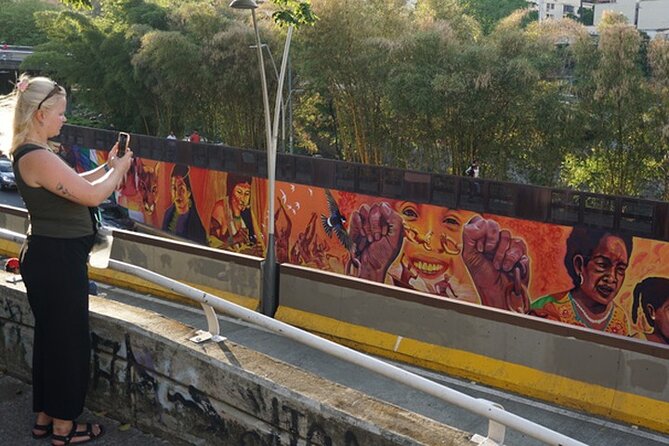
The Beneficencia del Valle del Cauca is described as a historic building with colonial architecture and cultural spaces. It adds a more formal heritage stop to a route that often feels informal and street-based.
The building may host art displays, music presentations, or events tied to Cali’s culture. Since the tour schedule allows about 18 minutes, the guide’s explanation will likely matter more than a long indoor visit. Ask whether anything is open during your walk, since the supplied details do not promise a specific exhibition.
I like this stop because it prevents the experience from becoming only a sequence of murals and bars. It gives the city’s heritage a physical address and helps show how cultural activity works through both institutions and public streets.
Calle de la Escopeta and the language of murals
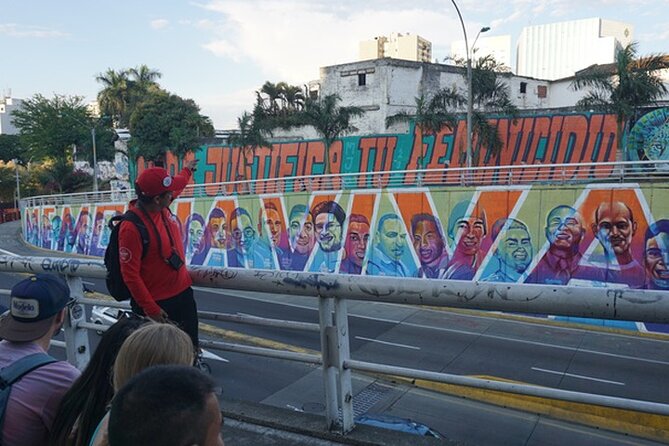
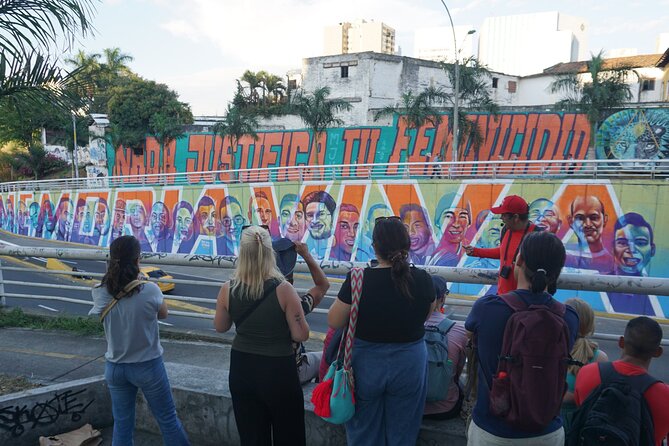
Calle de la Escopeta is one of the route’s strongest street-art stops. Its colorful facades act as large outdoor canvases, with local artists using walls to express ideas, identity, and creativity.
This is also where the resistance theme should become clearest. The tour presents art, music, and dance as forms of unarmed resistance and empowerment. That does not mean every mural has one fixed political message. It means the guide helps you consider why communities use public space to tell their own stories.
The quality of this stop depends on the explanation. A quick photo walk would miss the point. Listen for who created the works, what local concerns they address, and how public art differs from decoration. If you care about street art, this may be one of the most rewarding parts of the route.
Túnel Mundialista and football culture
The Túnel Mundialista brings football into the story. Murals here celebrate the sport and local culture, creating a colorful passage rather than a traditional monument.
This stop shows how Cali’s identity is built from more than salsa alone. Football, public celebration, music, and neighborhood pride share the same visual language. The guide can help explain the stories behind the images, though the supplied details do not name specific players, matches, or artists.
At roughly 18 minutes, this is a compact visit. You will have time to walk through and hear the main points, but not to study every painted surface. Keep the group together, since tunnels and narrow urban spaces can make a group of up to 30 feel larger.
Ending at Cimarrón Salsa Bar
The route finishes at Cimarrón Salsa Bar in the Normandia area. This is a smart ending because it moves the subject from explanation to possible action. The venue is described as a cult salsa bar with live music and dance shows, and the tour does not force you to end your night when the walk finishes.
Admission, drinks, and food are not included in the tour price. Treat the final stop as a recommendation and endpoint, not as a prepaid club package. You can ask the guide about the best time to return, current music, and any partner discount.
If you are new to salsa, the ending can feel more useful after the earlier dance practice. You will have some basic vocabulary and rhythm to work with. If you already dance, the value is the local setting and the guide’s suggestions for other places to go.
What the $14 price really buys you
At $14 per person, the price is reasonable for a three-hour guided walk with ten cultural stops, provided you want interpretation more than included attractions. All stops are listed as free admission, so you are paying for the guide, route planning, local context, and practical nightlife advice.
The price becomes particularly good if Cristian, Juliana, or another strong guide adds instruments, dance steps, and useful explanations. Those details turn a standard city walk into a participatory introduction to Cali’s culture.
There is one pricing point to check before booking. One purchaser reported that Beyond Colombia offers a free version of this walking tour when booked directly, with tips for the guide rather than a paid ticket through a third party. I cannot confirm that every departure follows this arrangement, so compare the direct option with the $14 booking before you pay.
The published figures are strong: a 4.9 rating from 107 reviews and a 97 percent recommendation rate. Those numbers suggest consistent satisfaction, but they do not remove the practical limits of a shared walk. With a maximum of 30 people, a quieter or more personal experience may require a private tour instead.
Timing, group size, and what to bring
The walk lasts about three hours. Ten stops are listed at approximately 18 minutes each, which totals close to three hours before counting the movement between locations. Expect a steady urban walk rather than long visits at any one site.
Wear comfortable shoes and keep your schedule open after the stated finish time. The final bar stop may tempt you to stay, and the guide’s nightlife recommendations can lead to a later evening.
Confirmation is provided at booking. The activity is near public transportation, and service animals are allowed. Most people can participate, but the supplied details do not give a precise accessibility assessment for every street, tunnel, or building.
The experience requires good weather and a minimum number of participants. If weather or low enrollment cancels the walk, you are offered another date or experience, or a full refund. You can cancel for a full refund up to 24 hours before the start time. Changes or cancellations inside that window are not accepted.
Who should book this walk
I would choose this tour if you are new to Cali and want an organized introduction before heading out alone at night. It gives you names, places, music context, and a practical list of salsa venues in one afternoon.
It also suits people who like street art but want more than photographs. The resistance theme gives the murals a social purpose, while the cultural buildings and football tunnel widen the story.
Salsa beginners get extra value from dance steps and instruments if the guide includes them. Food-focused visitors should note that this is not the dedicated food tour described in one of the supplied accounts. You may hear recommendations, but food and drinks are your responsibility.
You may want another option if you dislike group walks, need extensive time at each artwork, or want a full evening of dancing included in the ticket. A group of up to 30 can limit questions and make narrow streets feel crowded.
Should you book Salsa, Graffiti & Resistance in Cali?
Yes, if you want a lively first look at Cali through music, art, and local culture rather than a checklist of monuments. The best reasons to book are the guide-led explanation of salsa, the street-art route, the chance to learn a few steps, and the useful finish at Cimarrón Salsa Bar.
Before paying, check whether Beyond Colombia offers the same walk directly as a free, tip-based experience. If the direct price is still $14, the tour offers solid value. If you prefer to reward the guide directly, compare the departure times and terms.
FAQ
Where does the tour begin?
It begins at Plazoleta Jairo Varela, also called Plazoleta de la Caleñidad, at Av. 2 Nte. #10 Norte-1 a 10 Norte-75 in Granada, Cali.
Where does the tour end?
The walk ends at Cimarrón Salsa Bar, at Cl. 4 #1-113 in Normandia Sebastian de Belalcazar, Cali.
How long does the tour last?
The tour lasts approximately three hours.
What language is the tour conducted in?
The included guide is certified and speaks Spanish.
How much does the experience cost?
The listed price is $14 per person.
Are food and drinks included?
No. Food, drinks, and souvenirs are not included.
How many people can join the tour?
The shared tour has a maximum of 30 participants.
Can I cancel for a full refund?
Yes. You can cancel at least 24 hours before the start time for a full refund. Cancellations or changes made less than 24 hours before the start are not accepted for a refund.
What happens if bad weather cancels the tour?
You are offered another date or experience, or a full refund. The same options apply if the minimum number of participants is not reached.
More History Tours in Colombia
- History and Street Art Tour in Comuna 13
★ 5.0 · 35 reviews - Commune 13, Graffitour street food. History.All inclusive
★ 5.0 · 35 reviews - Complete Tour in Comuna 13: Graffiti, History and Street Delights
★ 5.0 · 11 reviews - 3-Hour Atlanta Beltline Food, Street Art and History Tour
★ 5.0 · 345 reviews
Just added around Colombia
- Comuna 13 Neighborhood & Street Art Private Tour★ 4.7 · 12 reviews
- Medellin: Graffiti Tour Comuna 13★ 4.1 · 14 reviews
- Medellín Comuna 13 local guides snacks and your own graffiti★ 4.9 · 13 reviews
- Comuna 13: Recorrido de Arte Urbano, Cultura y Resiliencia★ 5.0 · 3 reviews
- Graffiti Tour: a fascinating walk through a street art City★ 5.0 · 5 reviews
- Fun Graffiti Workshop: The Art of Aerosol and Color★ 5.0 · 3 reviews
- Comuna 13: Graffiti Tour with Tasting, Live Show, & Gallery★ 5.0 · 4 reviews
- Comuna 13: Graffiti tour & Street Food/drink with telesferic★ 4.4 · 19 reviews
Colombia Street Art Tours, compared.
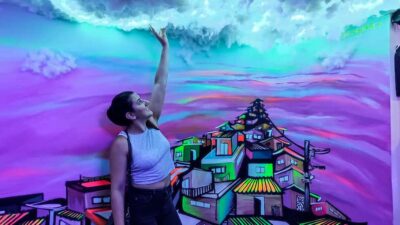
Comuna 13 Graffiti Tour, Cable Car & Street Food
Read our review →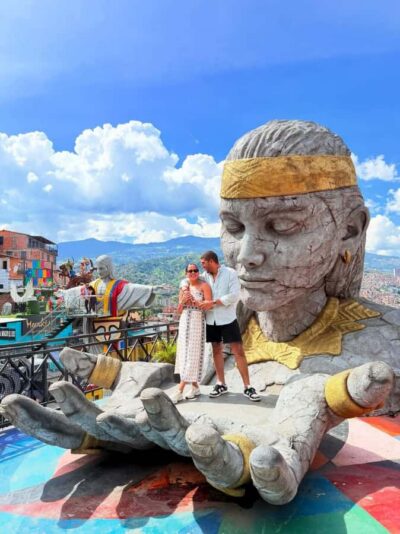
Medellín: Comuna 13 Tour with Snacks And Your Own Graffiti
Read our review →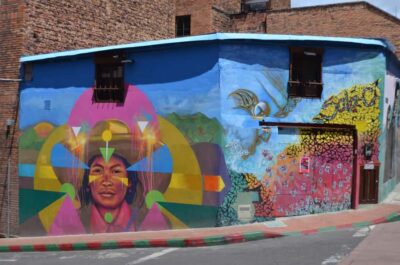
Bogotá: La Candelaria Graffiti & Urban Art Guided Tour
Read our review →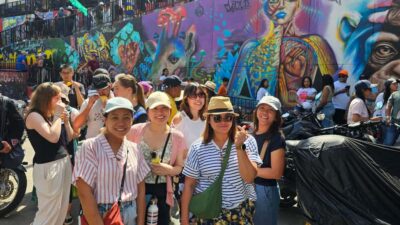
Medellín: Comuna 13 and Graffiti Guided Tour with a Local
Read our review →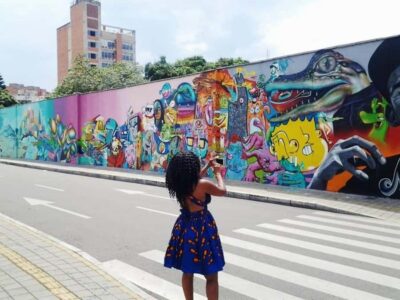
Medellín: Comuna 13 Tour with Spray Painting and ice cream
Read our review →
Fun Graffiti Workshop: The Art of Aerosol and Color
Read our review →
Graffiti Tour in La Candelaria Bogotá with Transportation
Read our review →Browse the lists this tour appears in