REVIEW · MEDELLIN
Commune 13, Graffitour street food. History.All inclusive
Comuna 13 tells Medellín’s story in fast-moving pictures: a cable car ride above crowded hills, bright murals at street level, and public escalators built into a neighborhood where steep streets once made daily life harder. I like the way this tour joins big city views with close-up stories about the people who live here. I also like that the walk includes art, local shops, viewpoints, and mango ice cream rather than stopping at murals alone.
The main caution is physical. You will walk uphill and climb stairs, and the route is not recommended if you have chronic knee problems. Cable-car service can also change, so the experience may shift to buses and walking if the system is closed.
Key points to know before booking
- Cable-car views first: See Comuna 13 from above before walking through the neighborhood.
- Local voices matter: Guides have included Sebastián, Manuela, Luis, Andrés, Mergie, and Leidy, with several guides connected to the area.
- Graffiti has meaning: The tour explains symbols, hip-hop’s influence, and the neighborhood’s difficult past.
- Three hours, active pace: Expect hills, stairs, and a fair amount of walking.
- Small maximum group: The tour accepts up to 20 people, and some departures may be much smaller.
- Good value at $25: The price includes the listed admission and mango ice cream, along with the planned transport-based route.
Seeing Comuna 13 from the cable car
The tour begins at Estación Metro San Javier, at Cra. 95 #96-29 in San Javier II. This is an important detail: you are not meeting in the center of Medellín and then adding a long transfer to the activity. You start near the part of the city you are about to explore.
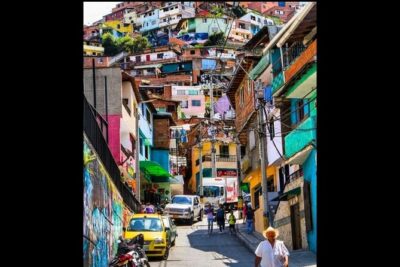
From the meeting point, the route uses the cable car to look down over Comuna 13. This opening gives you a useful sense of the neighborhood’s shape. You see homes and streets climbing the hills, and you begin to understand why public transport and access have mattered so much here.
I like this order. If you begin on foot among the murals, you may focus only on color and photographs. The ride from above gives you a wider frame first. Then, when the guide explains the area at street level, you can connect the steep terrain with the stories of daily life.
The cable-car portion is also one of the most memorable photo opportunities. The ride gives you views that are hard to get from the street, and several guides have used the trip to explain how life in the neighborhood developed. It is not simply a ride added to fill time. It helps you read the geography.
There is one practical limitation. The cable cars may occasionally be closed, as happened on one reported departure. In that case, the route changed to a bus and walking. The neighborhood portion still went ahead, but anyone booking mainly for the aerial ride should keep this possibility in mind.
More Graffiti Tours in Colombia
- Medellin: Comuna 13 Graffiti Tour, Cable Car & Street Food
★ 4.8 · 9,046 reviews - Medellín: Comuna 13 Tour with Snacks And Your Own Graffiti
★ 4.9 · 311 reviews - Medellín: Comuna 13 and Graffiti Guided Tour with a Local
★ 4.9 · 239 reviews
The public bus and the route into Independence neighborhood
After the cable-car section, the group returns to the meeting area and takes a public bus toward the Independence neighborhood, where the graffiti route begins. The transport makes the experience feel more like a city outing than a sealed tour-bus excursion.
That matters because Medellín’s public transport is part of the city’s story. You are moving through the same urban system that residents use, rather than being carried from one photo stop to another. The tradeoff is that public transport can be less predictable than a private vehicle, especially if conditions change.
The tour lasts about three hours, so the schedule is compact. You should expect the guide to keep the group moving between the transport, street art, galleries, viewpoints, shops, and escalators. This is not designed as a slow afternoon with long free periods at each stop.
At the same time, the small maximum of 20 people helps. A group of that size can still hear explanations and move through narrow areas without becoming unwieldy. Some departures have turned into very small groups or even private-feeling outings when other people canceled, though you should not book expecting a private tour.
Why the Comuna 13 escalators matter
The Escaleras Electricas de la Comuna 13 are the central practical feature of the walking route. They are public escalators built into a steep neighborhood, and the tour presents them as a project that is unusual in Latin America.
Their value is easy to understand once you are walking the hills. A neighborhood with steep streets presents a daily challenge, especially for residents carrying goods, commuting, or traveling with limited mobility. The escalators are not just a tourist attraction. They are tied to access and to the area’s changing public image.
You will still need to walk and climb during the tour. The escalators do not remove every hill or stair. Think of them as one part of the route, not a promise of an easy, flat outing.
The guide’s explanation makes the stop more useful. Several guides have focused on the neighborhood’s past, the changes brought by public projects, and the way residents have helped shape the area’s new identity. This is where a local guide can add more than a map or a short audio recording.
If you have chronic knee problems, take the warning seriously. Even with escalators, the combination of hills, stairs, and standing may be tiring.
Reading the graffiti instead of just photographing it
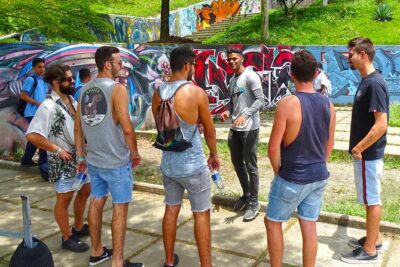
The graffiti route includes large murals, smaller painted details, art galleries, shops, and viewpoints. The color is immediate, but the meaning is the real reason to go with a guide.
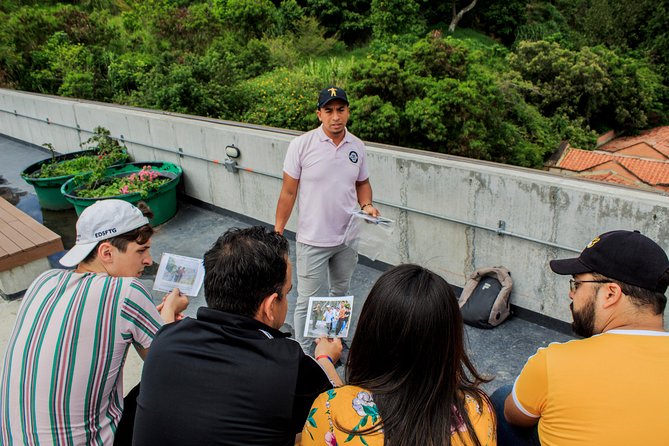
Luis has been praised for explaining the symbols and their meaning in detail. Other guides, including Sebastián, have connected the art with the neighborhood’s past and with the hopes of its residents. Guides have also discussed hip-hop’s influence, an important part of the area’s cultural expression.
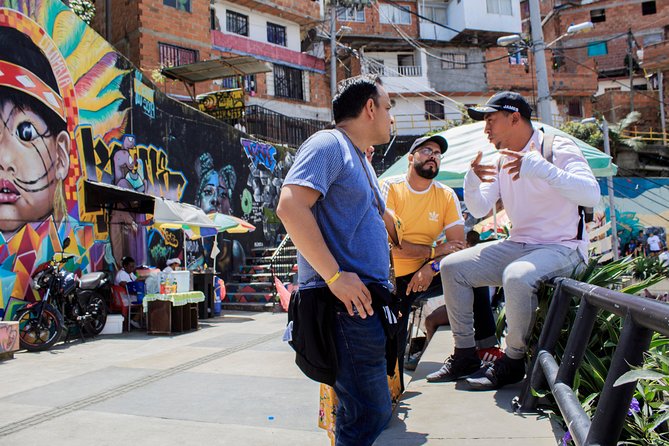
You should pay attention to how the art is presented. This is not simply a collection of attractive walls. The murals can serve as public memory, local commentary, and a way for artists to speak about change. The best part of the route is having someone explain what you are looking at and why it matters to the people who created it.
Several guides have personal ties to Comuna 13. Sebastián, in particular, has been described as someone who grew up in and still lives in the neighborhood. That kind of connection can give the tour a direct local perspective. Manuela, Andrés, Mergie, and Leidy have also led highly personal versions of the experience.
The guide assigned to your departure may vary, so do not assume you will have one particular person. What you can reasonably look for is a guide who can explain the art, history, and local changes clearly in the language you need. English-language departures have been successfully led by guides such as Sebastián.
More Comuna 13 Graffiti Tours in Medellin:
- Medellín: Private Comuna 13 Street Art Tour
★ 4.8 · 88 reviews - Medellín: Comuna 13 Tour with Spray Painting and ice cream
★ 5.0 · 74 reviews - 2-Hours Street Art Walking Tour in Medellin Comuna 13
★ 5.0 · 54 reviews - Graffiti Tour comuna 13 and cable car (made by local guides)
★ 4.5 · 42 reviews
Viewpoints, galleries, and the neighborhood’s daily life
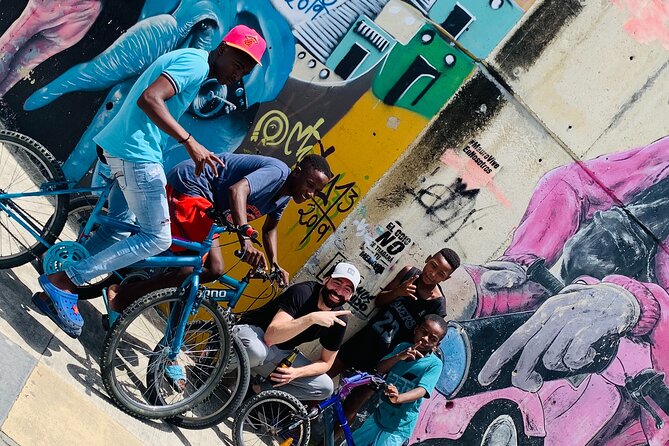
The route is not limited to a single mural corridor. You pass viewpoints, galleries, and shops, which gives the outing a broader feel. You get moments to look outward over Medellín, then return to the close detail of painted walls and neighborhood businesses.
The viewpoints are especially useful after the cable-car ride. From above in a cabin, you see the area as part of the city. From a street-level viewpoint, you can better appreciate the steep slopes, nearby homes, and dense layout.
The shops and galleries also remind you that Comuna 13 is a living neighborhood, not an open-air museum. You may find music, food, art, and small businesses operating alongside the tour route. The experience has a tourist side, but the guides’ explanations help connect that side with local work and culture.
You should be respectful with photography. The supplied details do not set out a specific photography rule, so ask your guide before photographing people, private homes, or inside shops. A good visit means paying attention to the place as well as collecting pictures.
Mango ice cream and the food element
The food part of this experience is modest but welcome. The itinerary specifically includes a mango ice cream during the route. Some accounts also describe trying other desserts, but you should treat the mango ice cream as the clear included food item rather than expecting a full meal.
That distinction matters. The title presents the outing as a street-food, history, and graffiti experience, but the detailed route centers on one mango treat. At $25, the value comes mainly from the guide, transport-based route, and explanations, with the ice cream as a pleasant extra.
Mango ice cream makes sense in the middle of an active walk. It gives you a short break and a taste of something local without adding a formal restaurant stop to a three-hour schedule. If you need lunch, plan separately.
The food stop also adds balance to a serious subject. Comuna 13’s past includes painful periods, and a good tour should not treat that past as a photo prop. A simple snack, conversation, and time among local businesses help keep the outing connected to ordinary life.
What the guides add to the experience
The strongest part of this tour is the guide. The route itself is easy to describe: cable car, bus, escalators, murals, galleries, viewpoints, and ice cream. The guide determines whether those pieces become a meaningful explanation or just a quick walk through a famous area.
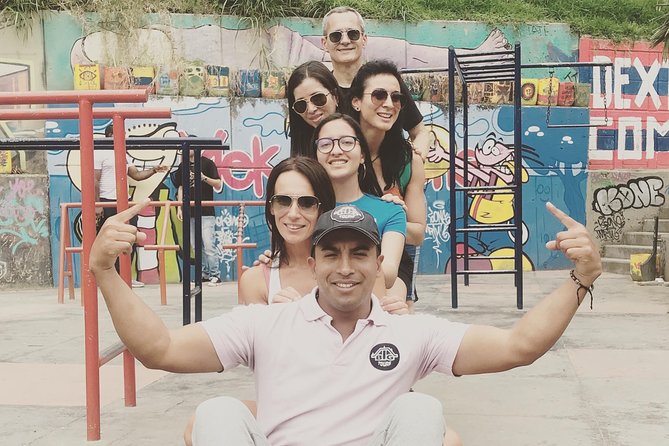
Sebastián has been singled out repeatedly for his friendly manner, clear English, local perspective, and ability to answer questions. He has also offered recommendations for other things to do in Medellín. Luis has been praised for detailed explanations of the art and neighborhood history, while Manuela has led a memorable and personal outing.
Other departures have included Andrés, Mergie, Leidy, and Jason. The important point is not to expect the same guide every time. It is to understand that the company has used local guides with different styles and backgrounds.
I would ask questions during the tour. Ask about a symbol in a mural, how the escalators changed movement through the area, or how hip-hop shaped local expression. The experience becomes much stronger when you treat it as a conversation rather than a series of stops.
Is $25 a fair price?
At $25 per person, this is a reasonable price for a three-hour guided experience that combines transport, a local guide, the main Comuna 13 route, and mango ice cream. The price is strongest if you value interpretation and want someone to explain the area rather than simply point out the murals.
It is less compelling if you want a full food tour or a long, relaxed visit with plenty of independent time. The stated route offers one named ice cream stop, not a broad meal or a long list of tastings.
The included cable-car experience also adds value, provided the service is operating. If the cable car is closed, the tour can still work, but part of the appeal changes. Since the price is moderate, the risk is fairly limited, especially for someone who wants a structured first introduction to Comuna 13.
A 97 percent recommendation rate and a 4.9 rating from 35 reviews suggest strong satisfaction, but I would read those numbers alongside the practical details. The main areas to judge are walking ability, communication at the meeting point, and how much importance you place on the cable car.
Timing, group size, and practical planning
The activity lasts about three hours and ends back at the meeting point. You may also choose to remain in Comuna 13 afterward or arrange your own transport from there, according to the tour details.
Arrive at Estación Metro San Javier with enough time to identify the group. One departure had a communication problem when the cable cars were closed and a group cancellation was not clearly passed along. The guide eventually helped place the person with another group, but the episode shows why you should have a working phone and the provider’s contact details available.
Confirmation is provided when you book. The experience accepts service animals, is near public transportation, and is suitable for most people who can handle the walking. Good weather is required, and a poor-weather cancellation results in a different date or a full refund.
Free cancellation is available up to 24 hours before the start time. Cancellations or changes made less than 24 hours before departure are not refunded or accepted, and the cut-off uses Medellín local time.
Wear comfortable clothing and shoes. Several accounts stress the stairs, hills, and amount of walking. The tour is not recommended for people with chronic knee trouble, and anyone wanting a gentle ride should choose a less active outing.
Who should book this Comuna 13 tour?
I would choose this tour for a first visit to Medellín if you want a clear introduction to Comuna 13 without arranging several separate activities. It suits couples, families with active members, solo visitors, and anyone who prefers to explore with a guide.
It is especially good for you if you care about the meaning behind public art. The strongest parts are the local explanations, the cable-car view, and the connection between neighborhood history, hip-hop, murals, and public access.
I would be more cautious if your main goal is a serious food tour, a private experience, or a flat and leisurely walk. The food offering is limited, the group can reach 20 people, and the route is physically active.
Should you book it?
Yes, if you want a compact and fairly priced introduction to Comuna 13 that joins transport, art, local history, and a small food stop. The cable-car ride gives the neighborhood context, while the street route lets you see the art and hear the stories at close range.
Book with realistic expectations. The cable car may be unavailable, the assigned guide may vary, and the three-hour route includes hills and stairs. If those points suit you, this is a strong choice for seeing Comuna 13 with more understanding than you would gain from walking through alone.
FAQ
Where does the tour begin?
It begins at Estación Metro San Javier, at Cra. 95 #96-29, San Javier II, Medellín.
Where does the tour end?
The activity ends back at the meeting point. You may also choose to stay in Comuna 13 or arrange your own transport from there.
How long does the experience last?
The tour lasts approximately three hours.
What transport is used during the tour?
The planned route uses the cable car and then a public bus before the walking portion in Comuna 13. If the cable cars are closed, the route may change to buses and walking.
Is food included?
The route includes a mango ice cream. Other accounts mention desserts, but the stated itinerary specifically identifies mango ice cream.
Is the tour suitable for people with knee problems?
It is not recommended for people with chronic knee problems because the route includes substantial walking, hills, and stairs.
What is the cancellation policy?
You can cancel up to 24 hours before the start time for a full refund. Changes or cancellations made less than 24 hours before the experience are not accepted or refunded. If poor weather causes the operator to cancel, you will be offered another date or a full refund.
More Graffiti Tours in Medellin
- Medellin: Graffiti Tour Comuna 13
★ 4.1 · 14 reviews - Medellín Comuna 13 local guides snacks and your own graffiti
★ 4.9 · 13 reviews - Complete Tour in Comuna 13: Graffiti, History and Street Delights
★ 5.0 · 11 reviews - City Tour: Graffiti Tour Comuna 13 + Downtown Medellín
★ 5.0 · 2 reviews
More Street Art and Street Food Tours in Medellin
- Comuna 13: Graffiti tour & Street Food/drink with telesferic
★ 4.4 · 19 reviews - Cancun Street Food Tour with Food Stalls, Local Market and Murals
★ 5.0 · 723 reviews - Naples: Street Art, Wine and Food Tasting Walking Tour
★ 5.0 · 163 reviews - Sydney Street Art & Food Tour
★ 5.0 · 120 reviews
Just added around Medellin
- Comuna 13 Neighborhood & Street Art Private Tour★ 4.7 · 12 reviews
- Medellin: Graffiti Tour Comuna 13★ 4.1 · 14 reviews
- Medellín Comuna 13 local guides snacks and your own graffiti★ 4.9 · 13 reviews
- Comuna 13: Recorrido de Arte Urbano, Cultura y Resiliencia★ 5.0 · 3 reviews
- Comuna 13: Graffiti tour & Street Food/drink with telesferic★ 4.4 · 19 reviews
- Complete Tour in Comuna 13: Graffiti, History and Street Delights★ 5.0 · 11 reviews
- City Tour: Graffiti Tour Comuna 13 + Downtown Medellín★ 5.0 · 2 reviews
- History and Street Art Tour in Comuna 13★ 5.0 · 35 reviews
Medellin Street Art Tours, compared.
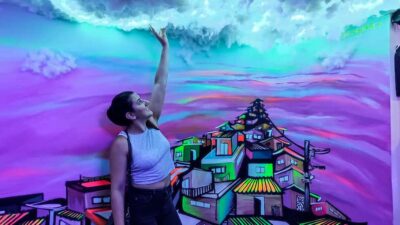
Comuna 13 Graffiti Tour, Cable Car & Street Food
Read our review →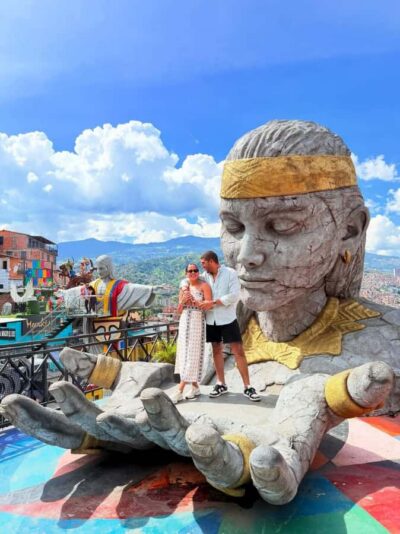
Medellín: Comuna 13 Tour with Snacks And Your Own Graffiti
Read our review →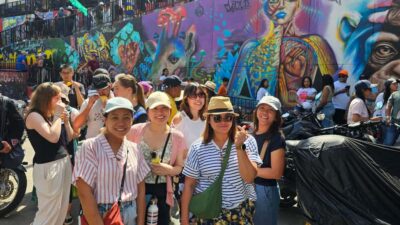
Medellín: Comuna 13 and Graffiti Guided Tour with a Local
Read our review →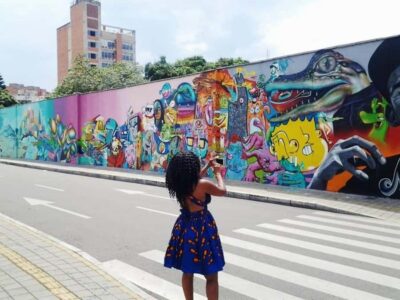
Medellín: Comuna 13 Tour with Spray Painting and ice cream
Read our review →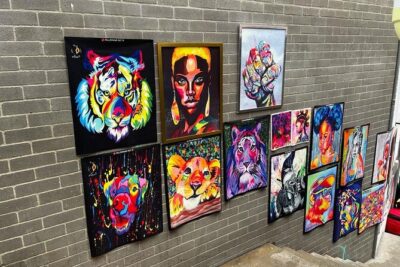
2-Hours Street Art Walking Tour in Medellin Comuna 13
Read our review →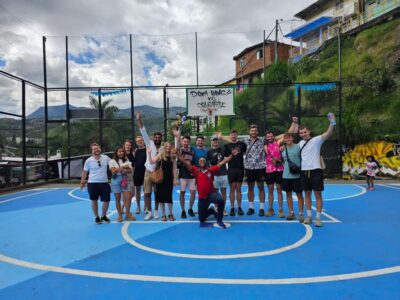
Graffiti Tour comuna 13 and cable car (made by local guides)
Read our review →