
REVIEW · COLOMBIA
Cali: Comuna 20 Siloé Street Art Tour
Comuna 20 Siloé is not a polished tourist district. That is the point. This 2.5-hour walk takes you through a mountainside neighborhood where murals cover walls, alleys, and staircases, turning everyday streets into an open-air gallery. Along the way, Carlos Arturo Torres Salguero explains how residents worked to reclaim their community.
I like the mix of street art and local history, and I like that the tour includes a 10-minute cable car ride and broad views over Cali. The main drawback is the walking: steep streets, stairs, heights, and changing weather make this a poor fit for wheelchair users, people with mobility limits, or anyone uneasy with heights.
Key points to know before you go
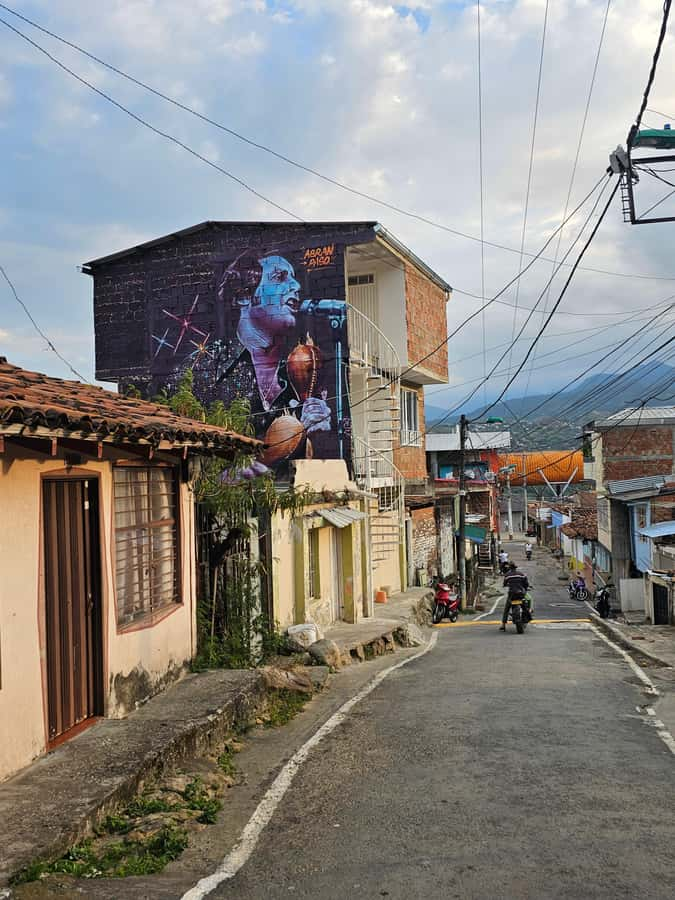
- A neighborhood seen through its art: Murals tell stories about struggle, pride, hope, and community change.
- Carlos Arturo Torres Salguero leads the tour: English and Spanish guiding are available.
- The cable car is part of the route: You ride for about 10 minutes between the Terminal Cañaveralejo area and the mountain neighborhood.
- A strong city viewpoint: The higher streets open to wide views across Cali.
- Local food is extra: You can stop at cafes or neighborhood eateries, but meals and drinks are not included in the $32 price.
- Plan for a 3 p.m. start: Meet at the MIO Terminal Cañaveralejo station, then return there at the end.
Why Siloé makes a strong street-art outing
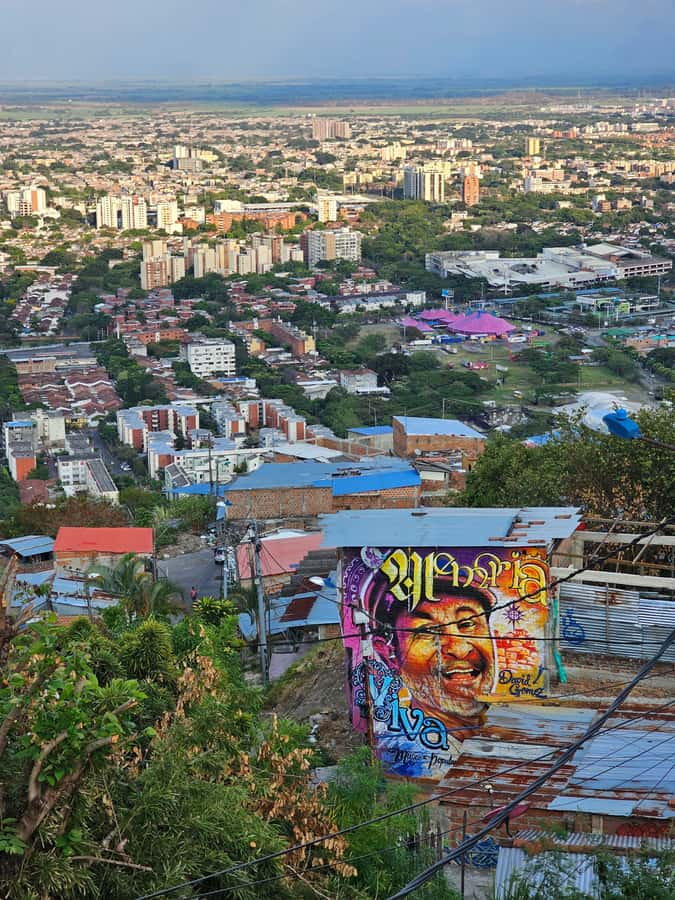
Street art is often easiest to appreciate when you know what you are looking at. In Siloé, the paintings are not simply decoration placed along a sightseeing route. They reflect a neighborhood that has dealt with neglect, insecurity, and hard social conditions while working to create more pride and connection.
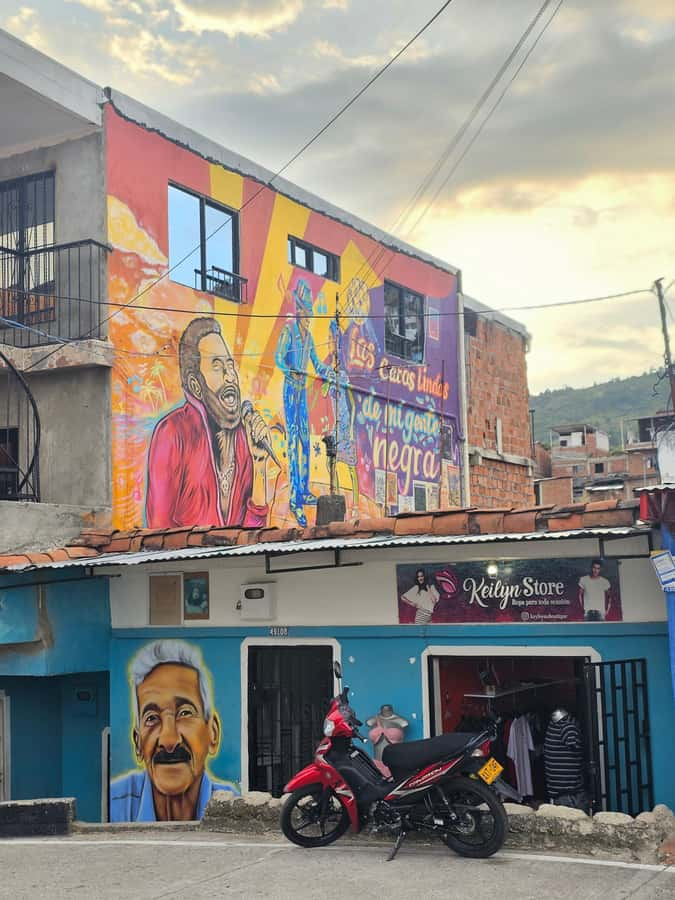
You will see color on building walls, narrow lanes, and staircases. Some images express local identity. Others reflect the hopes and frustrations of residents. Your guide connects these pictures to the people who live here, giving the art a human setting instead of leaving you to guess at its meaning.
I find that especially useful in a neighborhood tour. A quick walk past painted walls can be pretty, but it can also feel shallow. Here, the artwork is meant to help you understand how local artists and residents have used public space to tell their own story.
The tour also gives you a chance to meet local people and hear about change from the community itself. The experience is not designed as a standard list of Cali landmarks. It is more personal and grounded in one part of the city.
More Comuna 13 Graffiti Tours in Colombia:
- Medellin: Comuna 13 Graffiti Tour, Cable Car & Street Food
★ 4.8 · 9,046 reviews - Medellín: Comuna 13 Tour with Snacks And Your Own Graffiti
★ 4.9 · 311 reviews - Medellín: Comuna 13 and Graffiti Guided Tour with a Local
★ 4.9 · 239 reviews
Starting at Terminal Cañaveralejo at 3 p.m.
The tour begins at the MIO Terminal Cañaveralejo station at 3 p.m. This is an important detail when planning your day. You are not meeting in the center of Cali and then being transferred to Siloé by private vehicle. The route starts and ends at the same transport point, which keeps the plan simple.
Arrive ready to walk. Comfortable shoes matter more here than stylish ones. You should also bring water, sunscreen, a hat, and a camera. The tour lasts 2.5 hours, so the afternoon timing gives you enough time to see the neighborhood without turning the outing into a full-day commitment.
The exact start time should be checked when you reserve, since availability can vary. The listed meeting time is 3 p.m., but it is sensible to confirm the current schedule before setting your plans around it.
The cable car ride sets the scene
One of the tour’s practical pleasures is the cable car ride, which lasts about 10 minutes. It helps connect the transport terminal with the mountain neighborhood and gives you a changing view as you move above the city.
This is more than a way to get from one place to another. From above, you begin to understand Siloé’s position on the slopes and its relationship to Cali below. The ride also breaks up the walking and adds a memorable part to the route without requiring a separate ticket or extra excursion.
If you are afraid of heights, take the warning seriously. The activity is specifically not suitable for people who are uncomfortable with heights. The cable car may be brief, but it is a central part of the experience, not an optional extra tucked away in the fine print.
Walking through murals, stairs, and everyday streets
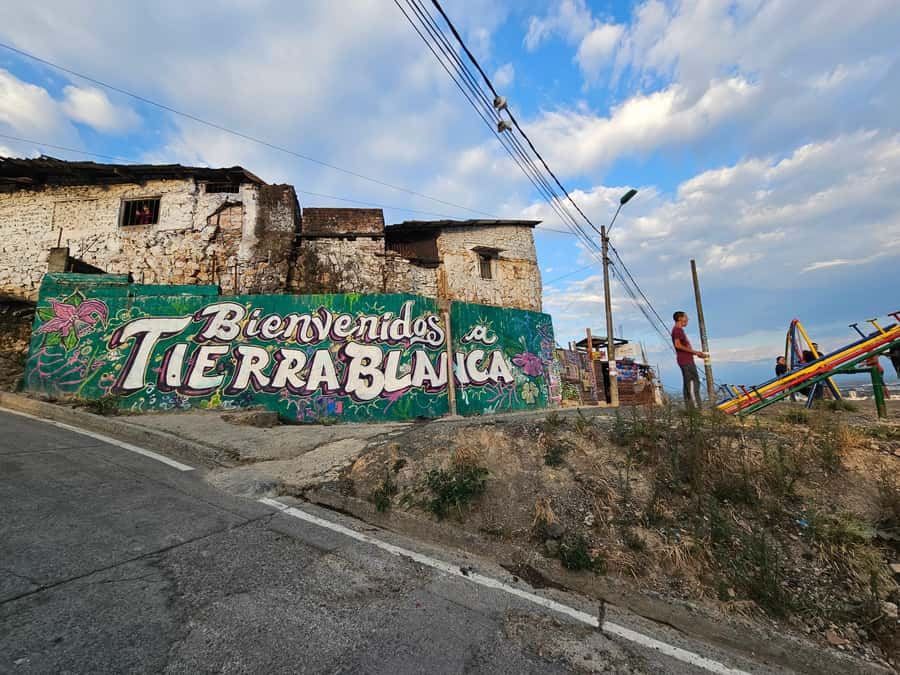
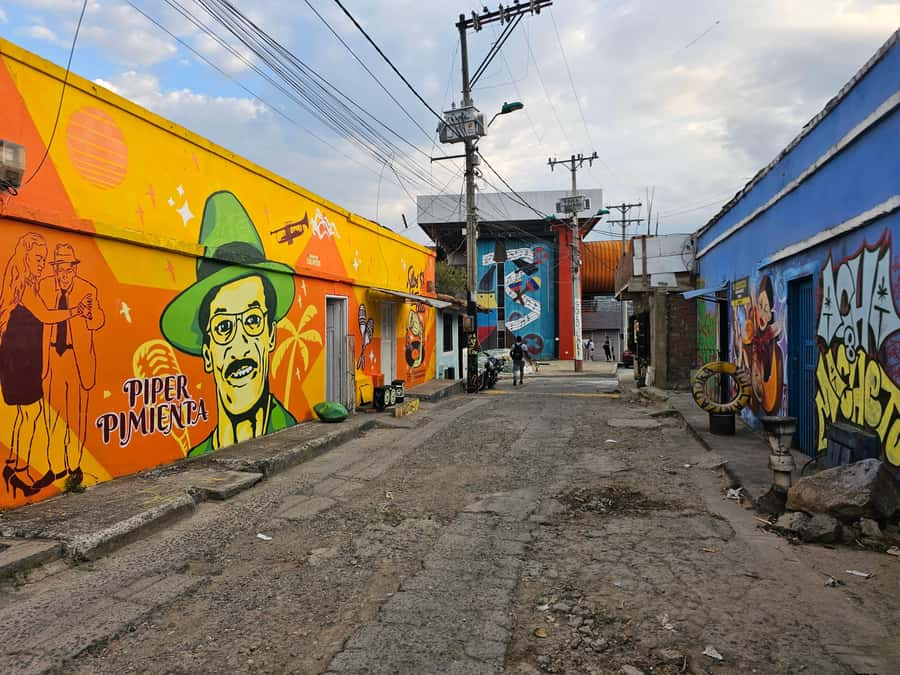
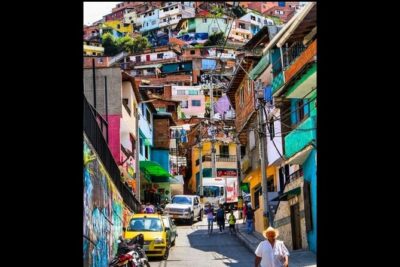
Once you begin on foot, expect a tour shaped by the neighborhood itself. You move through streets, alleys, building fronts, and staircases rather than following a level museum path. The art appears in different forms and settings, so the walk feels tied to daily life.
That setting is part of the value. You are not looking at paintings in a gallery with labels and controlled lighting. You are seeing public art where residents live, work, and move through the day. The placement of each mural helps show how artists have made shared spaces more expressive.
The tour is also a reminder that improvement does not mean every difficult issue has disappeared. The story focuses on residents uniting to improve safety, strengthen belonging, and take pride in their surroundings. You hear about the progress, but the setting keeps the conversation connected to real community challenges.
The terrain requires attention. You should expect slopes and stairs, and the information specifically rules out the tour for people with mobility impairments and wheelchair users. Anyone who simply dislikes long walks should also consider the route carefully, even though the total duration is only 2.5 hours.
A few more street art tours around Colombia worth a look
- Bogotá: La Candelaria Graffiti & Urban Art Guided Tour
★ 4.7 · 250 reviews - Historical Shared Tour Salsa, Graffiti & Resistance in Cali
★ 5.0 · 107 reviews - Medellín: Private Comuna 13 Street Art Tour
★ 4.8 · 88 reviews - Medellín: Comuna 13 Tour with Spray Painting and ice cream
★ 5.0 · 74 reviews
Hearing the story behind the transformation
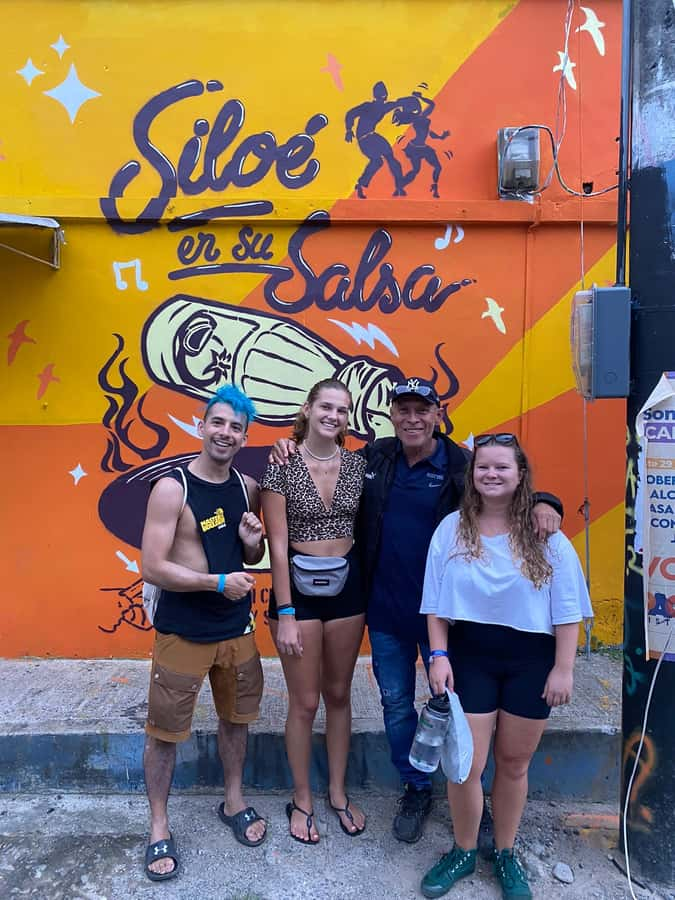
Carlos Arturo Torres Salguero is the named guide for this experience, with English and Spanish available. A good guide matters here because the main attraction is not just what you see. It is the explanation of how the neighborhood changed and why the art matters.
The tour presents Siloé as a place where residents helped reclaim public space. You hear about efforts to improve safety and create a stronger sense of belonging. You also learn about the challenges people faced in the past and the work involved in building a more connected community.
That cultural context is the part I would value most. The murals give you an immediate visual hook, but the stories explain the pride behind them. The experience also leaves room for interaction with local residents, who may share personal accounts of hardship and progress.
The strongest part of this approach is its respect for local agency. Siloé is not presented only as a place that needed outside help. The emphasis is on residents, artists, and community efforts shaping the neighborhood themselves. That makes the tour more thoughtful than a quick photo stop.
The view across Cali
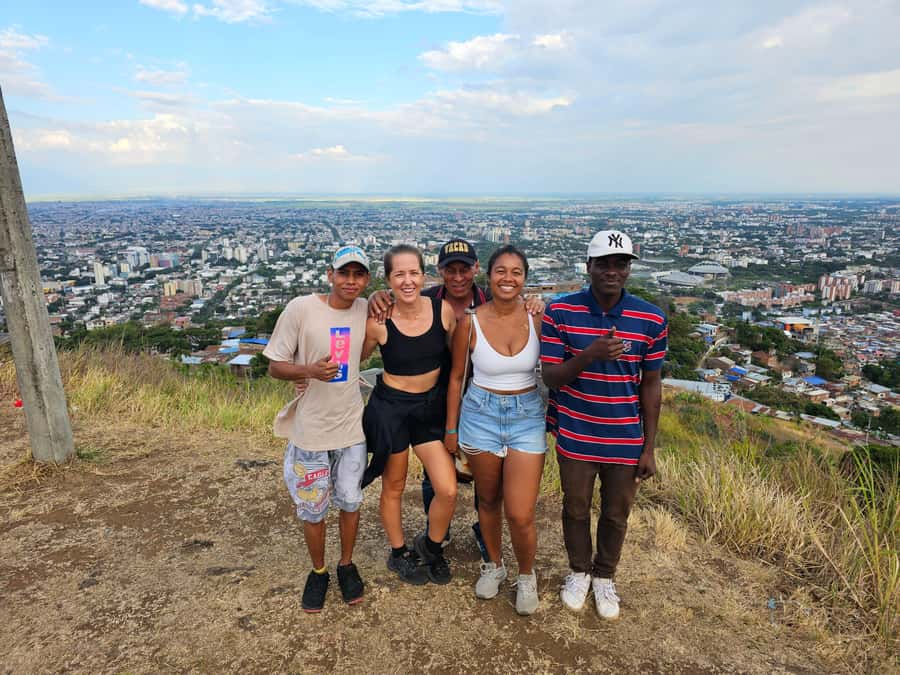
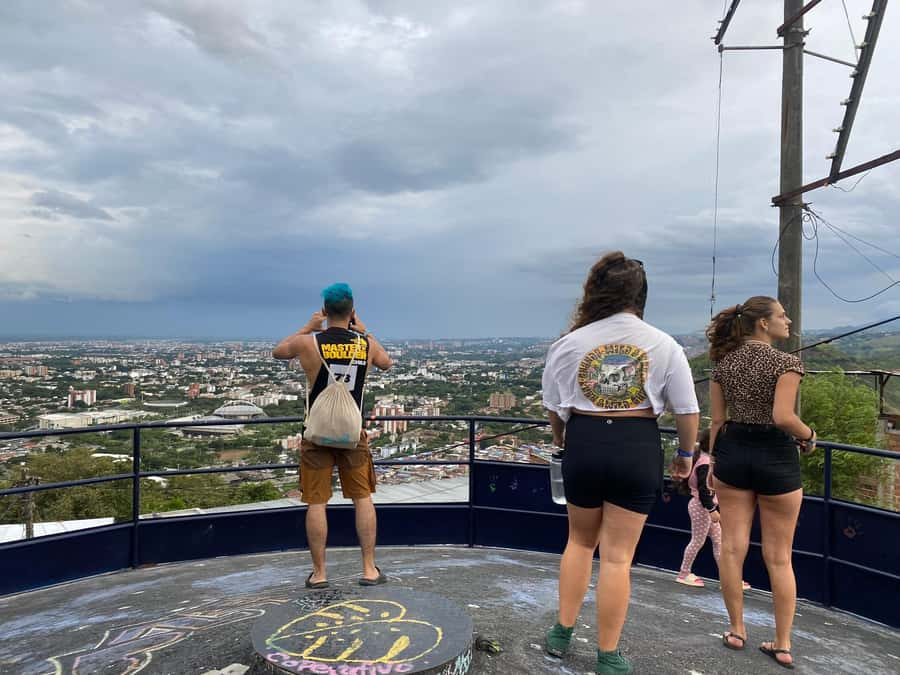
As you climb, the route reaches a spot with wide views over Cali. From this height, the city spreads out below, creating a sharp contrast with the close-up streets and painted walls you have just explored.
Bring your camera, but give yourself time to look without photographing everything. The view is one of the clearest rewards of the uphill route, and it helps place Siloé within the larger city. You see the urban area from a different angle than you would from a central plaza or street-level viewpoint.
The climb is also the reason to wear proper shoes and carry water. The combination of sun, slopes, and stairs can make the walk feel more demanding than the 2.5-hour duration suggests. Weather can change, so carry what you need for both heat and a passing shift in conditions.
Local food stops, with costs kept separate
The tour may include stops at cafes and local eateries, giving you a chance to try flavors linked to the neighborhood’s mixed heritage. This adds an everyday dimension to the outing. You are not only looking at walls and views, you are also getting a small taste of how the community expresses itself through food.
Meals and drinks are not included in the $32 price. That is useful to know before you arrive. You can decide how much to spend instead of paying for a fixed meal you may not want.
Because no specific dishes are listed, I would treat the food stop as an opportunity rather than a guaranteed tasting menu. Bring water even if you plan to buy something along the way. If you have dietary restrictions, ask the guide what is available before ordering.
Is $32 a fair price?
At $32 per person, this is reasonably priced if you want more than a self-guided mural walk. The fee includes the neighborhood guide, the cable car, the chance to interact with locals, and the city viewpoint. It also buys the explanation that connects the artwork to Siloé’s social changes.
A self-guided visit might cost less, but it would not necessarily give you the same context or help you understand which stories are important. You would also need to arrange your own route and learn how to connect the terminal, cable car, mountain streets, and return point.
The price does not include food or drinks, so set aside a little extra if you want to eat. Still, the included cable car is a useful value because it is part of the route rather than an optional add-on.
I would book this for the cultural access, not simply for transportation or sightseeing. If your main goal is a polished city tour with many major landmarks, this may not be your best choice. If you want a close look at one community and the people shaping its identity, the fee makes sense.
What the 2.5-hour schedule feels like
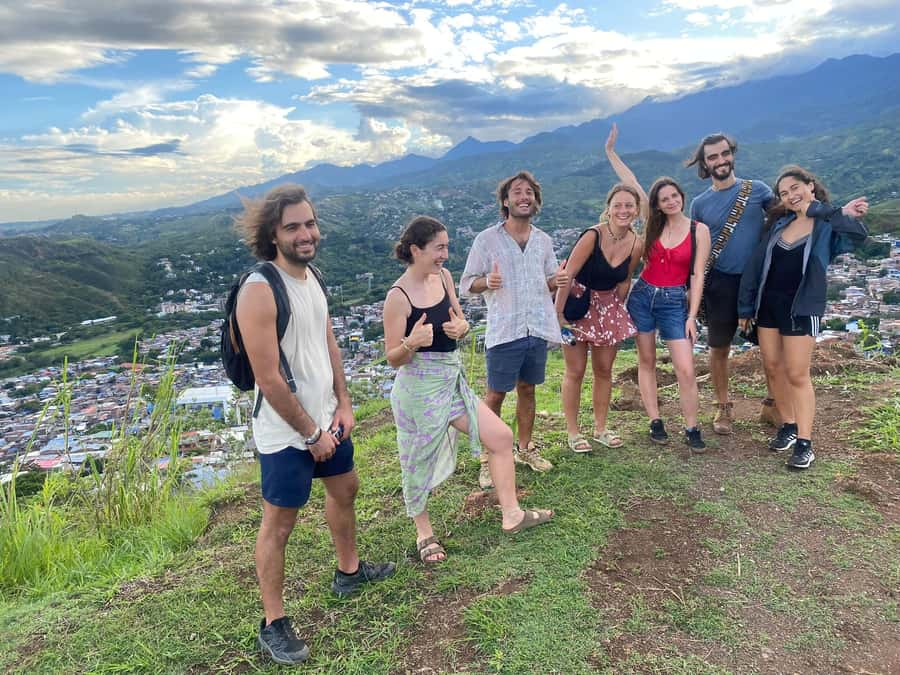
The length is well suited to a half-day plan. You meet at 3 p.m., take the cable car, walk through the neighborhood, hear the local stories, stop at food spots if appropriate, enjoy the viewpoint, and return to Terminal Cañaveralejo.
The schedule is long enough to give the neighborhood room to make an impression, but short enough to combine with other plans in Cali. The return to the starting point is helpful because you do not need to arrange a separate pickup at an unfamiliar location.
You should not expect a slow, flat stroll. The time includes movement through a mountainside community, so the pace and terrain may feel more active than a standard urban walking tour. Wear shoes with good support and avoid bringing anything cumbersome.
The activity is offered in English and Spanish, which makes it easier to choose the language that lets you follow the social and historical details. Confirm the language and start time when booking.
Who should book this tour
I would recommend it to you if you like street art, community stories, local food, and city views more than formal museums or standard sightseeing routes. It suits curious visitors who want to see how public art can reflect local pride and social change.
It is also a good choice if you have already seen central Cali and want a different side of the city. The focus is narrow, but that is a strength. You spend your time getting to know Comuna 20 Siloé rather than rushing through several unrelated attractions.
You should think twice if you need step-free access, dislike steep walking, or feel uneasy in a cable car. The activity is not suitable for wheelchair users, people with mobility impairments, or people afraid of heights.
Families and groups should also consider each person’s walking ability. The tour’s subject matter is cultural and community based, not an amusement attraction. Its appeal comes from listening, looking closely, and treating the neighborhood and its artwork with respect.
Small details that improve the experience
Wear comfortable walking shoes and use sunscreen, even if the afternoon starts mild. A hat, water, and a camera are also listed as useful items.
Respect the artwork and the people who live around it. Do not treat private walls, homes, or local residents as props. The tour asks you to understand the community, and that works best when you move through it with care.
Smoking is not allowed during the activity. Weather conditions may vary, so dress with some flexibility rather than assuming the whole afternoon will be cool or sunny.
Free cancellation is available up to 24 hours in advance for a full refund, and you can reserve now and pay later. Those terms are helpful if your Cali schedule is still shifting, but you should still confirm the current details before booking.
Should you book the Comuna 20 Siloé tour?
Book it if you want local context, public art, and a real neighborhood setting. The combination of mural stories, the cable car, the views, and the chance to meet residents gives you more substance than a quick street-art photo stop.
Skip it if you need an accessible route, dislike slopes and heights, or prefer a broad overview of Cali’s main sights. For the right visitor, $32 buys a focused and memorable look at how a community has used art and collective effort to reshape the way its streets are seen.
FAQ
Where does the Comuna 20 Siloé tour begin?
The tour begins at the MIO Terminal Cañaveralejo station in Cali.
What time does the tour start?
The stated meeting time is 3 p.m. Check availability when booking to confirm the current starting time.
How long does the activity last?
The tour lasts approximately 2.5 hours.
Does the tour include a cable car ride?
Yes. The cable car ride lasts about 10 minutes and is included in the activity.
Where does the tour end?
The activity returns to Terminal Cañaveralejo, the starting point.
Is the tour offered in English?
Yes. Live guiding is available in English and Spanish.
Are meals and drinks included?
No. Meals and drinks are not included, although the route may stop at local cafes or eateries.
What should I bring?
Bring comfortable walking shoes, a hat, sunscreen, water, and a camera.
Is the tour suitable for wheelchair users or people with mobility impairments?
No. The activity is not suitable for wheelchair users or people with mobility impairments. It is also not suitable for people afraid of heights.
Just added around Colombia
- Comuna 13 Neighborhood & Street Art Private Tour★ 4.7 · 12 reviews
- Medellin: Graffiti Tour Comuna 13★ 4.1 · 14 reviews
- Medellín Comuna 13 local guides snacks and your own graffiti★ 4.9 · 13 reviews
- Comuna 13: Recorrido de Arte Urbano, Cultura y Resiliencia★ 5.0 · 3 reviews
- Graffiti Tour: a fascinating walk through a street art City★ 5.0 · 5 reviews
- Fun Graffiti Workshop: The Art of Aerosol and Color★ 5.0 · 3 reviews
- Comuna 13: Graffiti Tour with Tasting, Live Show, & Gallery★ 5.0 · 4 reviews
- Comuna 13: Graffiti tour & Street Food/drink with telesferic★ 4.4 · 19 reviews
Colombia Street Art Tours, compared.
Comuna 13 Graffiti Tour, Cable Car & Street Food
Read our review →
Medellín: Comuna 13 Tour with Snacks And Your Own Graffiti
Read our review →
Bogotá: La Candelaria Graffiti & Urban Art Guided Tour
Read our review →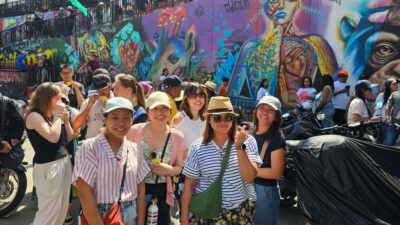
Medellín: Comuna 13 and Graffiti Guided Tour with a Local
Read our review →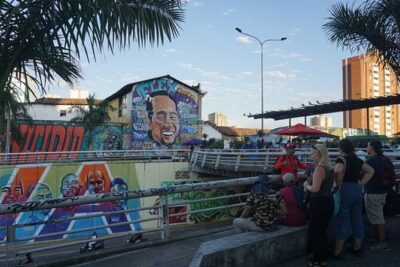
Historical Shared Tour Salsa, Graffiti & Resistance in Cali
Read our review →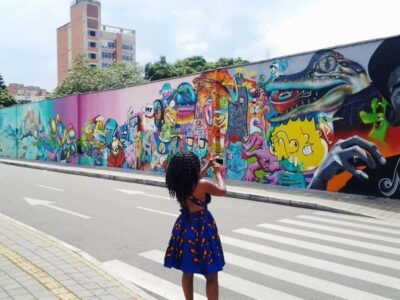
Medellín: Comuna 13 Tour with Spray Painting and ice cream
Read our review →
Fun Graffiti Workshop: The Art of Aerosol and Color
Read our review →Browse the lists this tour appears in