
REVIEW · BERLIN
Berlin: Private Kreuzberg Street Art Walking Tour
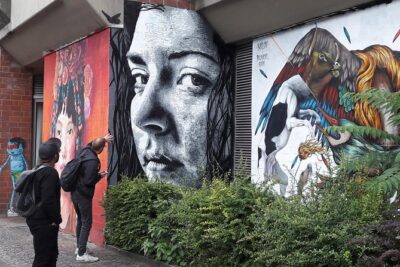
Kreuzberg turns city walls into a changing open-air museum, and this private walk gets you close to the art without reducing it to pretty backdrops. You’ll hear how politics, squatting, immigration, and nightlife shaped the neighborhood, then see huge works by international artists along the way.
I like the private format, which lets your group ask questions and set the pace, and I like the guide’s connection to graffiti and street art. Tijmen, one guide named in the tour feedback, was praised for being friendly, funny, and good at explaining techniques.
The main caution is that guide quality may vary. One German-speaking participant felt the personal tour did not provide enough specialist detail, so book this for a personal introduction to Kreuzberg’s street life, not a formal art-history lecture.
Key points at a glance
- Schlesisches Tor start: Meet beside the elevator at this U-Bahn station, served by the U1 and U3 lines.
- Two hours on foot: The route begins and ends at Schlesisches Tor, with Kreuzberg as the main subject.
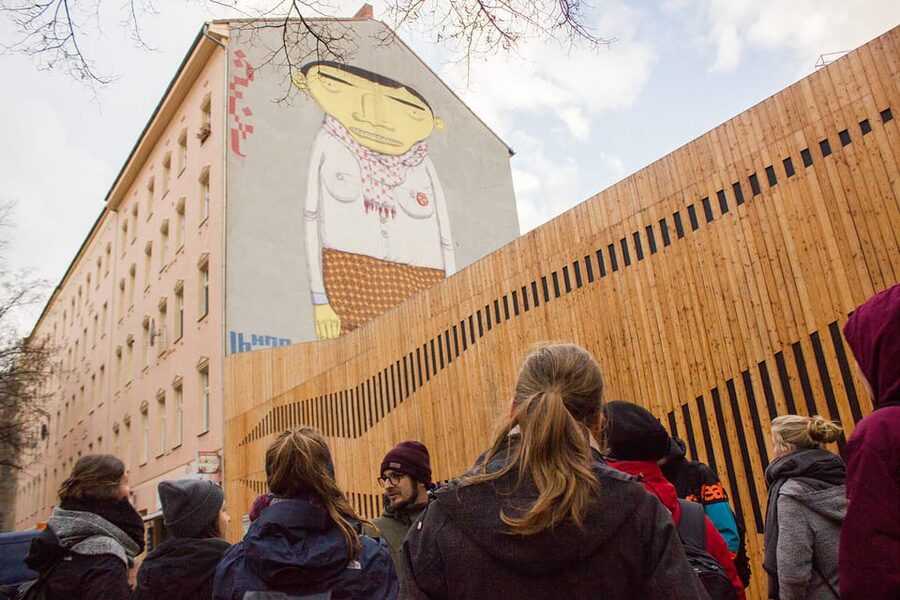
- Large-scale murals: See works by international street artists and learn how the artists use walls as public space.
- Politics behind the paint: Hear about squatting, the Turkish community, graffiti culture, and Kreuzberg’s changing identity.
- Oberbaumbrücke included: The walk takes in one of Berlin’s best-known bridges and a popular local sightseeing spot.
- Private group value: The $200 price covers up to five people, making the cost much easier to justify for a full group than for one or two people.
Why Kreuzberg is the right place for street art
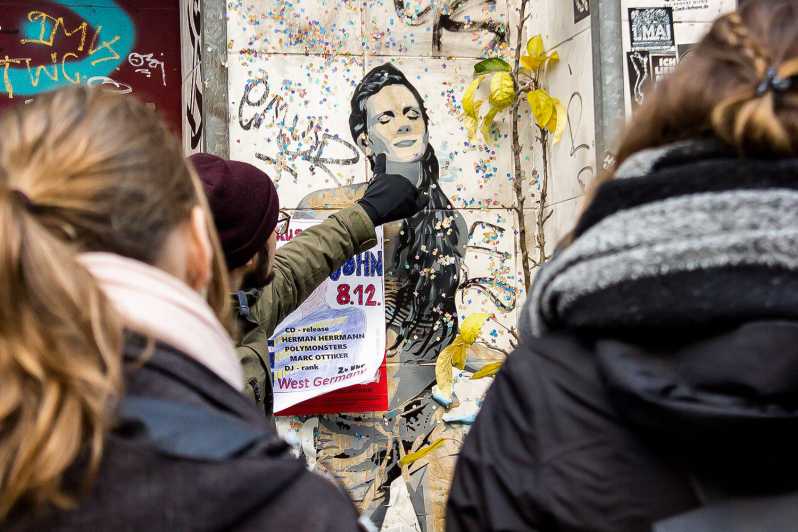
Kreuzberg is not simply a district with painted walls. Its street art makes more sense when you know something about the people and conflicts that shaped the neighborhood.
Your guide discusses Kreuzberg’s past as a home for squatters and its long connection to Berlin’s Turkish community. The neighborhood later became a major nightlife area, and that shift matters. The walls reflect ideas about identity, protest, ownership, migration, and who gets to decide what a city should look like.
That context is the real reason to take a guided walk instead of simply searching for murals on your own. You can photograph a giant painting without knowing why it appeared there, how it was made, or why a particular wall matters. A guide with direct experience in graffiti and street art can point your attention toward the techniques and choices that are easy to miss.
The art also changes. Outdoor work can be painted over, damaged, removed, or replaced. A walking tour gives you a snapshot of Kreuzberg as it exists now, along with the stories that help you understand why the walls keep changing.
More Street Art Walking Tours in Berlin
- Berlin: City Street Art Guided Walking Tour
★ 4.8 · 1,051 reviews - Berlin Street Art Walking Tour – Off The Grid
★ 5.0 · 270 reviews - Berlin Street Art & Graffiti Walking Tour
★ 5.0 · 109 reviews
Starting at U Schlesisches Tor
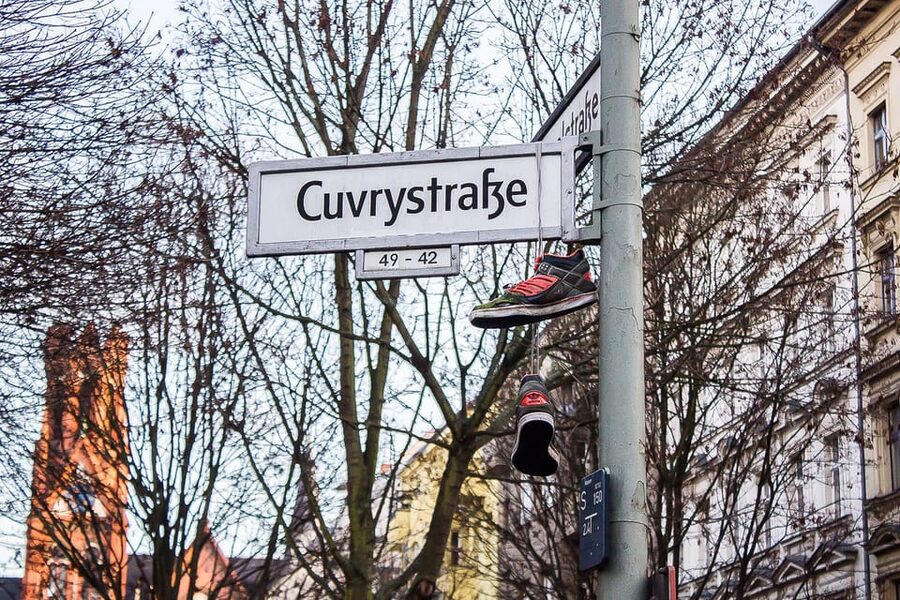
The meeting point is outside Schlesisches Tor U-Bahn station, beside the elevator. This is a practical starting point because the station is served by the U1 and U3 lines, but you still need to leave time to find the correct exit.
The tour starts and finishes at the same station. That makes planning easier, especially if you have dinner reservations, an evening concert, or another activity afterward. It also means you do not need to arrange a second transport connection at the end of the walk.
Arrive early. Late arrivals are not refundable, and the meeting instructions specifically warn you to check the location in advance. Berlin stations can have several exits, so do not assume that arriving at Schlesisches Tor automatically puts you beside the guide.
Bring comfortable shoes and travel light. Large bags and luggage are not allowed on the tour. That rule is worth taking seriously because a two-hour walk is more pleasant without a suitcase or oversized daypack.
Walking through Kreuzberg’s street-art scene
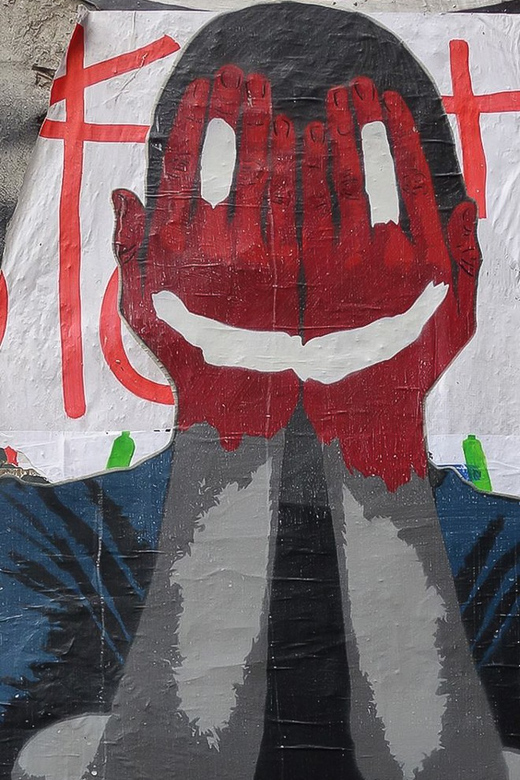
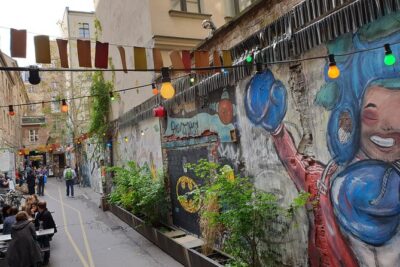
Once the tour begins, you move through Kreuzberg on foot, passing streets lined with cafés, bars, and restaurants. The setting is part of the experience. You are not viewing art inside a quiet gallery, where every work has a label and a clean border. You are seeing paintings and graffiti in the same public spaces used by residents, businesses, nightlife crowds, and commuters.
The guide’s job is to explain how the works fit into that setting. You can expect attention to both large murals and other forms of street art. The tour information highlights huge pieces by international artists, while the guide also discusses graffiti and the methods used to create different effects.
That practical side received some of the strongest praise. Tijmen was described as entertaining and especially good at explaining techniques. If you want to know how artists work with scale, lettering, layers, or different approaches to a wall, this tour may give you more than a standard photo walk.
Still, keep your expectations sensible. The experience lasts two hours, so it cannot cover every important wall in Kreuzberg or offer a full course in urban art. The route needs to balance walking, looking, and conversation. One participant praised the background information but wished for more movement and less time spent in one place, possibly because the weather was very hot. On a warm day, that pacing issue can matter.
The politics behind the murals
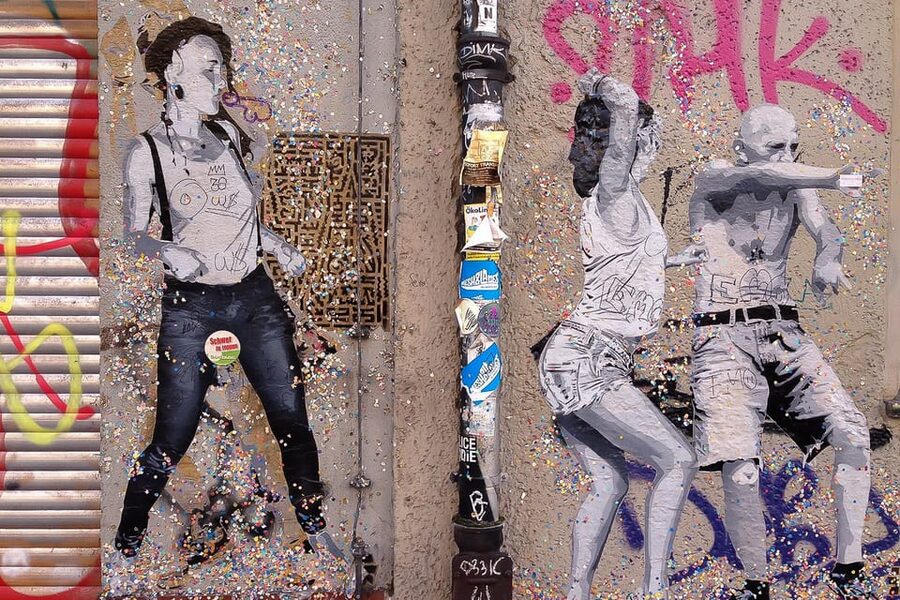
The strongest part of the walk is likely to be the connection between art and local history. Your guide explains why artists transform walls into public statements and how the neighborhood’s social past shaped its artistic identity.
Kreuzberg’s history with squatters gives the street art a political frame. So does the Turkish community’s role in the area. These subjects help explain why public walls can become places for protest, identity, and debate rather than mere decoration.
You also hear how Kreuzberg became a nightlife center. That change adds another layer. Bars, cafés, restaurants, music, and street art now draw people from across Berlin, but the district’s current popularity sits alongside older struggles over housing, ownership, and belonging.
The tour is not presented as a museum lecture. Guides are described as people who are, or have been, part of the graffiti and street-art scene. That first-hand connection can make the discussion more direct and grounded. It also means the quality of the experience depends heavily on the individual guide’s ability to explain the subject clearly.
The feedback gives you a useful warning here. Most of the available comments point to an enjoyable and informative walk, but one person expected more professional expertise from a private guide. If your interest is mainly in seeing famous walls and understanding the local story, the tour should fit well. If you want exact dates, artist biographies, or a scholarly analysis of every work, ask about the guide’s background before booking.
More Street Art Walking Tours in Germany
- Berlin : Private Street Art Walking Tour (Private Tour)
★ 5.0 · 2 reviews - Dresden: Neustadt District Street Art Guided Walking Tour
★ 4.3 · 333 reviews - Cologne: Ehrenfeld District Street Art Walking Tour
★ 4.9 · 202 reviews - Mannheim: Guided Street Art Walking Tour
★ 4.7 · 57 reviews
Oberbaumbrücke and the wider Berlin view
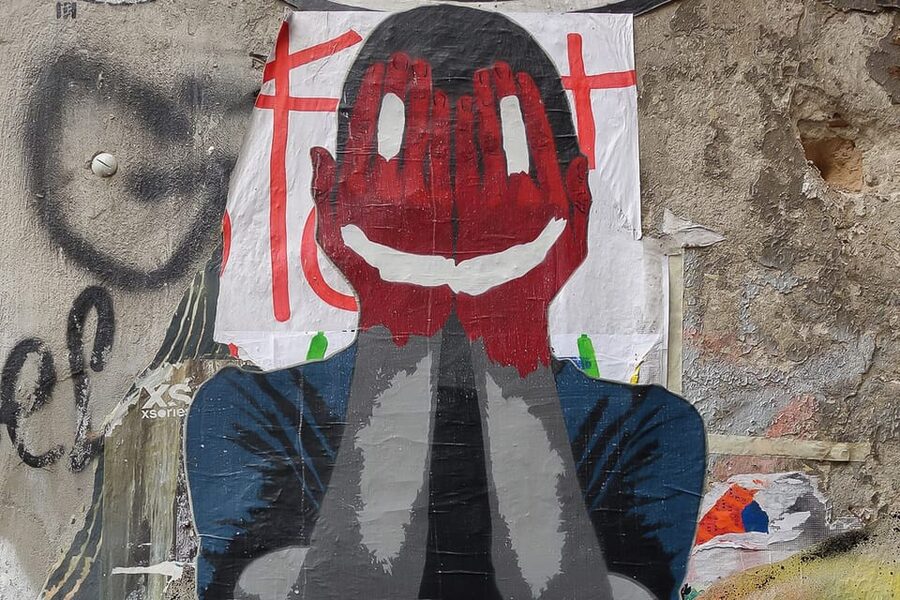
The walk includes Oberbaumbrücke, one of Berlin’s most recognizable bridges. This gives the tour a break from close-up wall viewing and adds a familiar sightseeing point to the route.
The bridge is also useful for understanding how the tour combines tourist sights with everyday Kreuzberg. You are not being taken only to obscure corners, nor are you spending the whole time at standard photo stops. The route links street art with a well-known Berlin landmark and the surrounding city streets.
Because the tour begins and ends at Schlesisches Tor, the bridge is part of a compact Kreuzberg experience rather than a separate excursion. You should not expect a broad tour of all Berlin or a long bridge-focused visit. The emphasis remains on the neighborhood, with Oberbaumbrücke serving as one of the route’s notable points.
What a private group changes
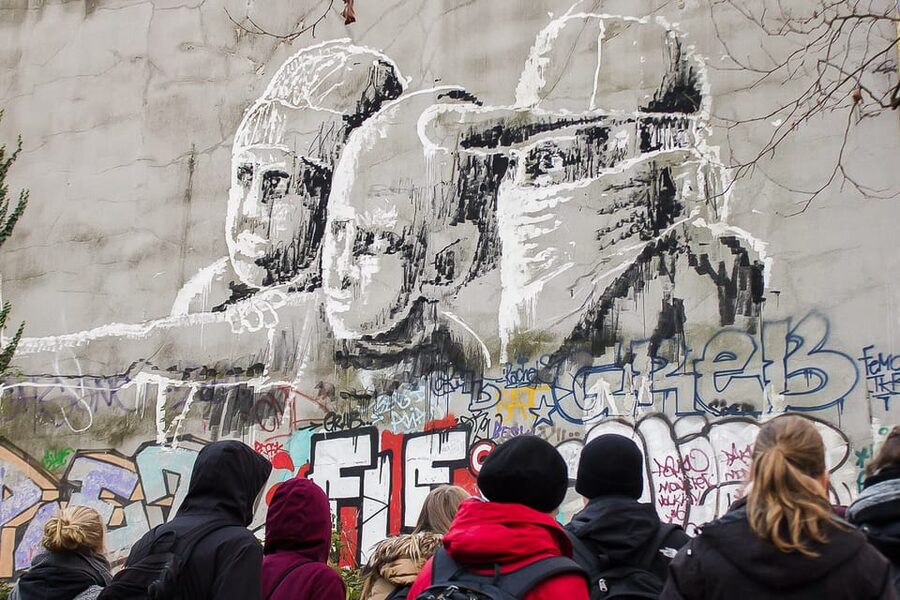
The price is $200 per group of up to five people. For five people, that works out to $40 per person. For four, it is $50 each, and for two, it becomes $100 each. For a solo participant, the full price is a much harder sell.
The private setup is most useful when your group has a shared interest in graffiti or when you want to ask questions freely. You do not have to compete with a large crowd to hear the guide, and the pace can feel more personal. Families, friends, and small groups who want the same guide and route may find that worthwhile.
The value depends on what you want from the walk. If you want a quick orientation to Kreuzberg’s street art, local history, and public murals, the price can make sense for a full group. If you are mainly looking for a free stroll and a few mural photographs, $200 is a lot for two hours.
The private format also raises the expectation level. You should reasonably expect attention to your group and room for questions. You should not assume that private automatically means academic or highly specialized. The mixed feedback on specialist detail makes the guide’s personal expertise an important part of your decision.
Languages, accessibility, and timing
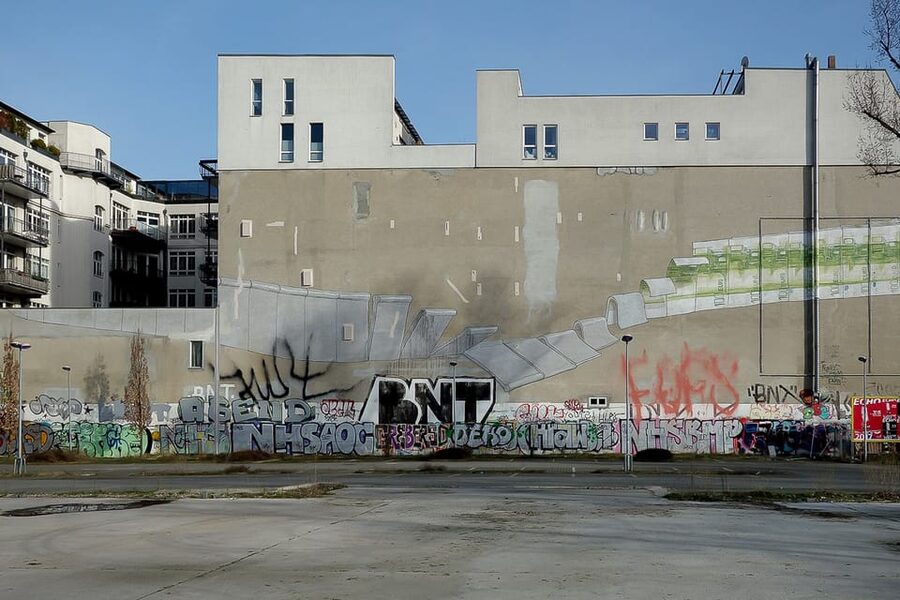
The tour is offered with a live guide in English or German. Choose the language that lets you ask questions comfortably, since much of the value comes from discussion rather than simply walking past walls.
The activity is listed as wheelchair accessible. Since it takes place on city streets, you may still want to confirm the exact route and current street conditions if accessibility is a major concern. The supplied details confirm access status, but they do not describe the pavement, slopes, or restroom arrangements.
The walk lasts two hours. That is long enough to get a clear introduction without taking up an entire day. It also leaves room for you to continue exploring Kreuzberg afterward, perhaps stopping at one of the cafés, bars, or restaurants along the streets described on the route.
Weather can affect the experience. Much of the tour takes place outdoors, and one participant specifically noted the heat while discussing the amount of time spent at certain points. Wear suitable clothing, carry water if needed, and remember that large bags and luggage are not allowed.
Who will enjoy this walk most
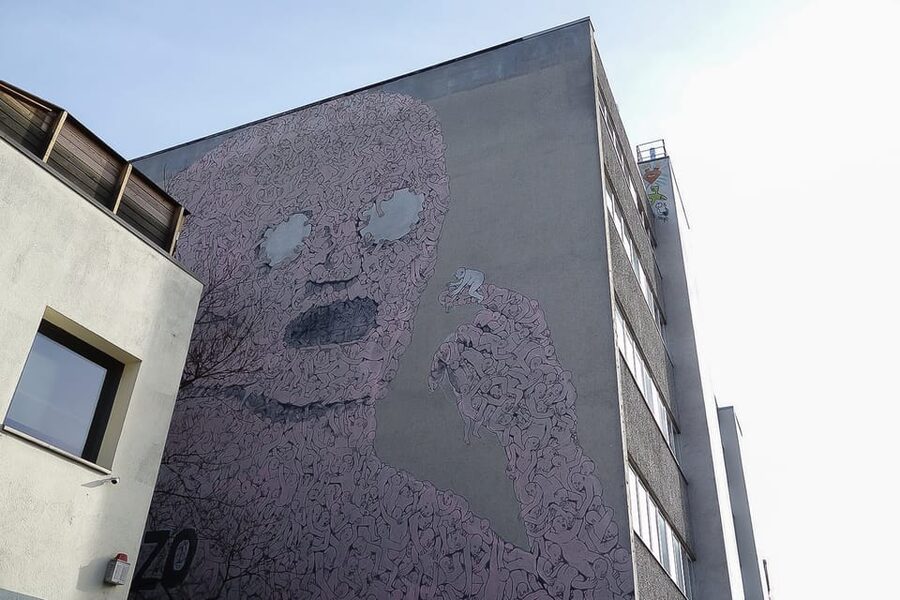
I would recommend this tour to you if you want street art explained in its neighborhood setting. It suits first-time Berlin visitors who want to see a different side of the city, as well as repeat visitors who have already covered the main museums and monuments.
It is also a good match for people who enjoy the social meaning behind art. The discussion of squatters, the Turkish community, nightlife, graffiti methods, and public walls gives you subjects to think about after the tour ends.
Small groups benefit most from the price. Five friends sharing the $200 cost receive a much better deal than one person booking alone. A private group is also useful when one member wants to ask many questions or when you prefer not to join a larger mixed group.
You may want another type of experience if you need a formal art lecture, a long list of artist names and dates, or a route covering every major Berlin mural. The two-hour format gives you a focused introduction, not a complete history of street art in the city.
Booking advice and final call
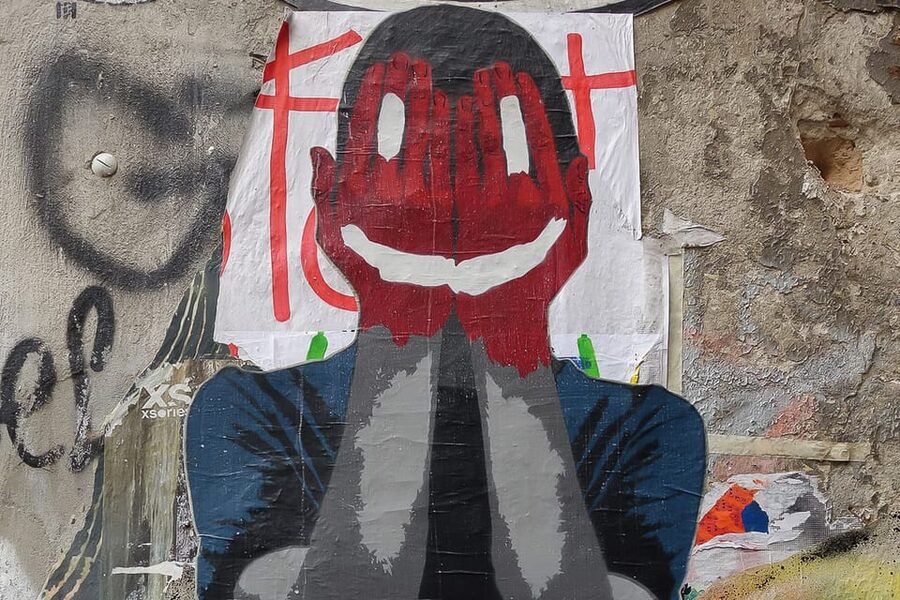
Book this walk if you want a personal, neighborhood-based look at Kreuzberg and care about the ideas behind the murals. The strongest reasons to go are the private setting, the guide’s connection to graffiti culture, the political and social context, and the chance to combine street art with Oberbaumbrücke.
Think twice if you are booking alone at $200 or if you expect highly technical art expertise from every guide. The positive feedback highlights friendly guiding, useful technique explanations, and good background information, but the less favorable experience shows that specialist depth may not be consistent.
For a group of four or five, I see solid value. Arrive early at the Schlesisches Tor elevator exit, leave your luggage behind, wear comfortable shoes, and treat the walk as an introduction to Kreuzberg’s changing public art rather than a final word on Berlin graffiti.
FAQ
How long is the Kreuzberg street art tour?
The walking tour lasts two hours.
Where does the tour begin?
It begins at the exit of Schlesisches Tor U-Bahn station, next to the elevator.
Which public transport lines serve Schlesisches Tor?
Schlesisches Tor is served by the U1 and U3 lines.
Where does the tour finish?
The tour returns to U Schlesisches Tor.
Is the tour private?
Yes. It is a private group experience for up to five people.
What languages are available?
The live guide can conduct the tour in English or German.
Is Oberbaumbrücke included?
Yes. The route includes a walk along Oberbaumbrücke as one of its sightseeing points.
Is the tour wheelchair accessible?
Yes. The activity is listed as wheelchair accessible.
Can I bring luggage or a large bag?
No. Luggage and large bags are not allowed.
Just added around Berlin
- Open graffiti workshop in the Mauerpark in Berlin★ 5.0 · 2 reviews
- Berlin Private Street Art Tour – Off The Grid★ 5.0 · 9 reviews
- Alternative Berlin & Street Art Tour★ 4.5 · 14 reviews
- Street Art & Berlin Gay, Queer, Trans History + Free Gay Map★ 4.9 · 15 reviews
- Berlin : Private Street Art Walking Tour (Private Tour)★ 5.0 · 2 reviews
- Mega Street Art, Mural, Graffiti Private Tour★ 5.0 · 2 reviews
- Berlin: Alternative & Street Art Tour★ 4.5 · 10 reviews
- Alternative Berlin / Street art tour – Private group★ 5.0 · 6 reviews
Berlin Street Art Tours, compared.

East Meets West: Berlin Food Culture & Street Art
Read our review →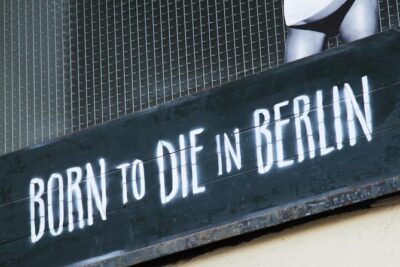
Street Art and Alternative Tour of Berlin in French
Read our review →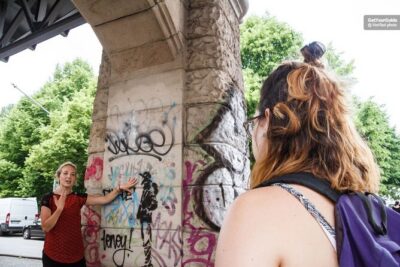
Browse the lists this tour appears in