
REVIEW · ITALY
Rome street art tour: off the beaten path with a local guide
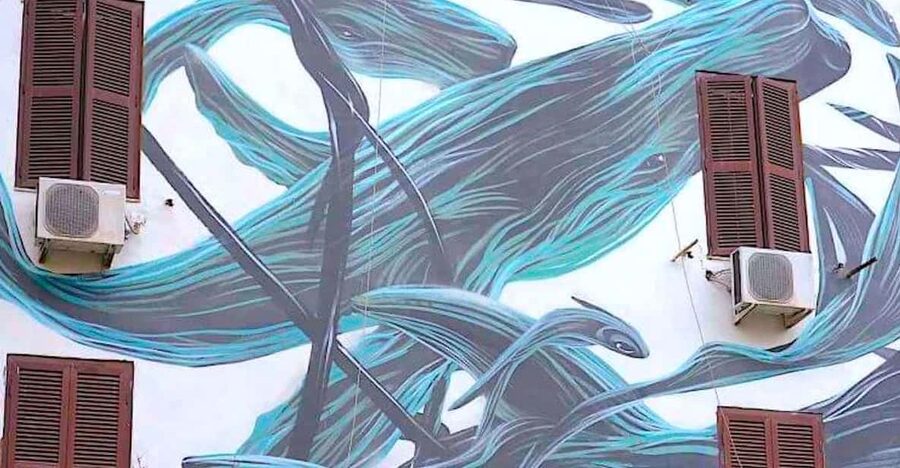
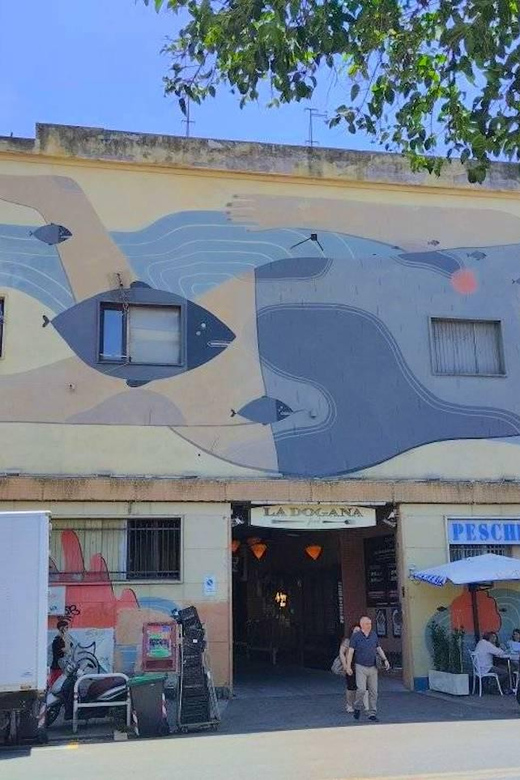
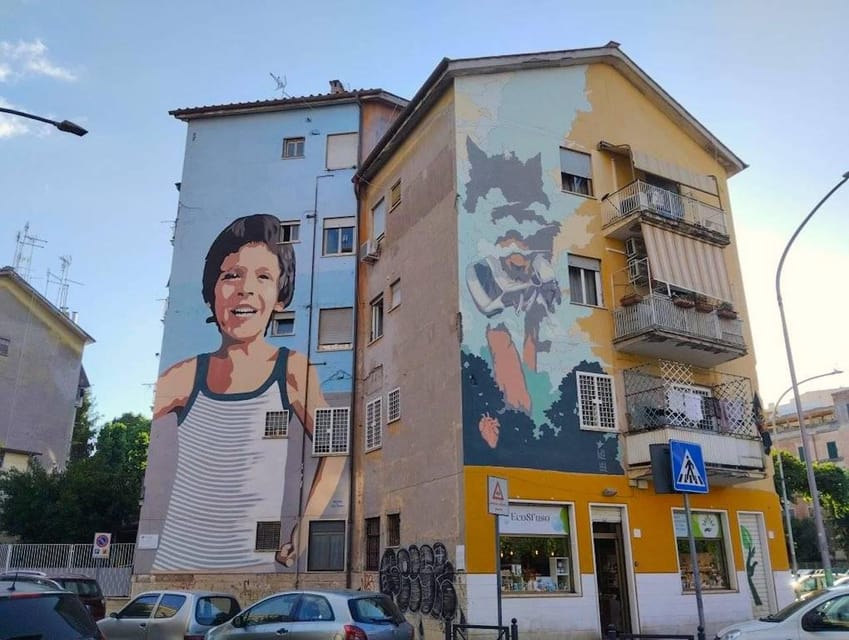
Rome’s street art is not confined to the city center. This 4-kilometer walk through Garbatella and Tor Marancia takes you into two residential districts where murals sit alongside local streets, monuments, and early 20th-century architecture. Lisa, who was born and raised in Rome, explains both the art and the neighborhoods that gave it a home.
I like the way the tour connects painted walls to Roman life instead of treating street art as a string of photo stops. I also like the easy Metro B access and the chance to pause for gelato. The main consideration is the walking: comfortable shoes are required, and summer visitors will want a hat and plenty of water.
Key points at a glance
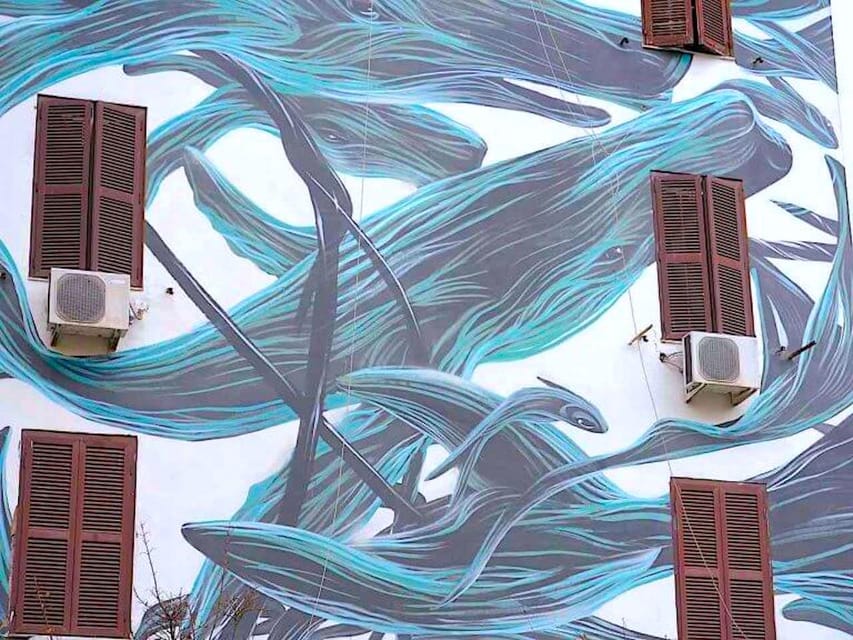
- About 30 murals in two neighborhoods: See major works in Garbatella and the Tor Marancia open-air art area.
- Lisa leads the walk: Your English-speaking guide grew up in Rome and explains the local history behind the art.
- A 4-kilometer urban hike: Expect steady walking through residential streets rather than a short stop-and-go art visit.
- Easy Metro access: Meet outside Garbatella Metro station, at the small colored amphitheater by the exit.
- Gelato can be part of the outing: A stop at a well-regarded gelato shop is possible, though the cost is not included.
- A quiet side of Rome: This is a good choice if you want local neighborhoods and public art instead of another crowded ancient monument.
Why Garbatella changes your view of Rome
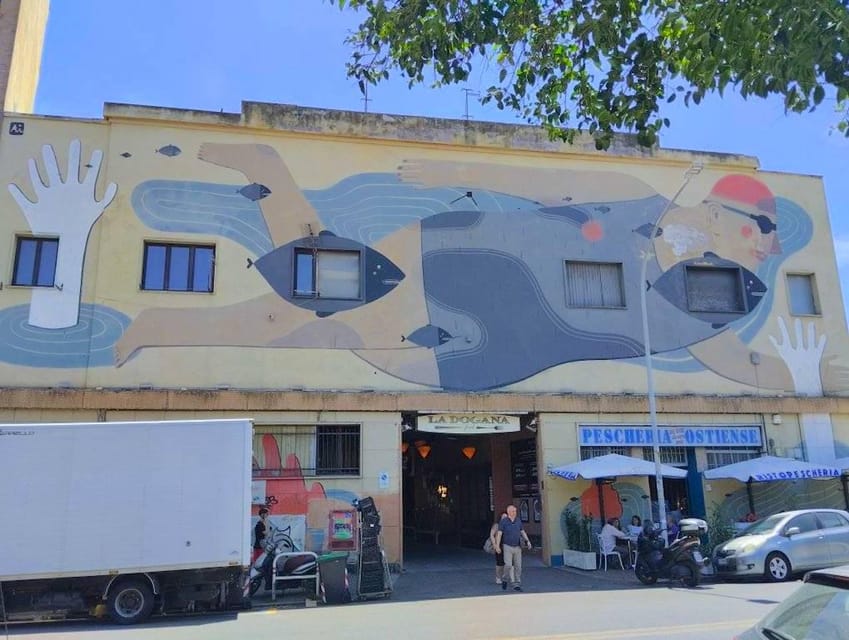
The tour begins at Garbatella Metro station, on Rome’s blue Metro B line. This is a practical meeting point, especially if you are staying near the historic center and do not want to arrange a taxi. Exit the station and look for the small colored amphitheater. That is where Lisa waits.
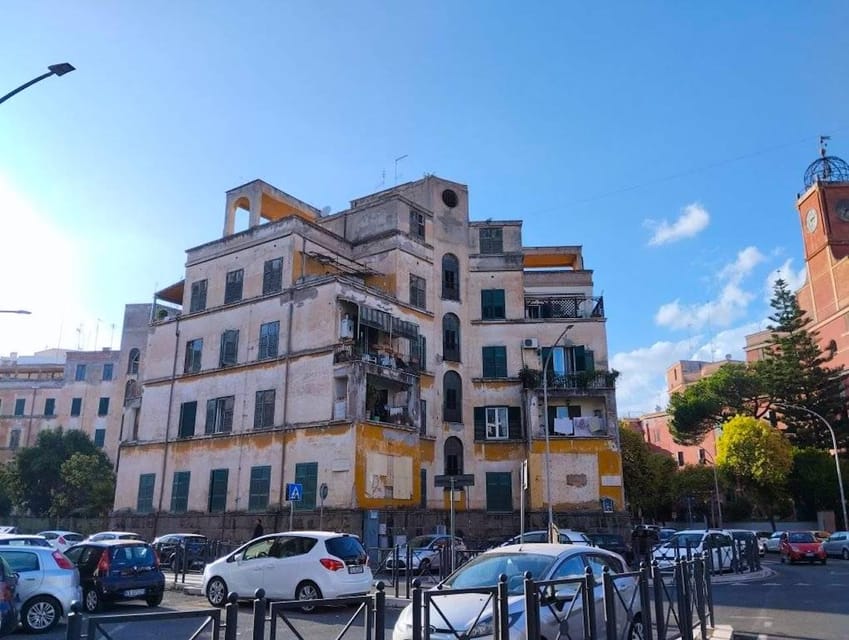
Garbatella is not just a convenient starting point. It gives the walk its first sense of place. The neighborhood was designed by architects in the early 20th century, and its layout feels unlike the Rome of postcards and grand avenues. You will walk through an area shaped by residential planning, local life, and a strong neighborhood identity.
Lisa uses the streets to explain how the district developed, pointing out monuments and architectural details along the way. This matters because the murals are not displayed in a gallery with a clean wall and a label. They are part of a lived-in area. You see the art beside ordinary homes and streets, which makes the work feel tied to the people and setting around it.
I like this opening because it slows you down. Rome can become a blur of famous fountains, churches, and ruins. Garbatella asks you to notice how Romans live in a district that many first-time visitors skip.
The first section includes murals spread through the neighborhood rather than gathered in one compact courtyard. That means you should expect to walk between pieces. In return, you get a better sense of how public art changes a street and how the district itself becomes part of the experience.
More Alternative City Tours in Italy:
- London Bike Tour: Landmarks, Secret Gems, Pub Stop & Street Art
★ 5.0 · 943 reviews - Budapest: Street Art and Underground Movements Walking Tour
★ 5.0 · 365 reviews - Berlin: Street Art and Alternative Tour
★ 4.7 · 98 reviews
Reading the murals with Lisa
The value of this tour depends heavily on the guide, and Lisa’s role is central. She does not simply point at painted walls and name the artists. The tour is designed to explain the stories behind the murals, their authors, and the areas where they appear.
That extra context is useful because street art can be easy to admire without fully understanding. You may notice the colors and scale at once, but a local guide can explain why a particular wall matters, how a project relates to the neighborhood, or what the artwork says about Rome today.
Lisa also speaks English, and the available feedback consistently highlights her friendly manner, clear communication, and storytelling. Several people who took the walk singled out her ability to connect the art with local history. That is a stronger reason to book than the mural count alone.
You should still keep your expectations sensible. This is a small walking tour led by one local guide, not an academic art seminar. The supplied information does not specify the group size, and the focus is split between public art, architecture, and neighborhood history. If you want a technical study of street-art methods or a detailed account of every artist’s career, this may feel light. If you want an engaging introduction to Rome beyond the old center, it fits well.
Tor Marancia and its open-air art collection
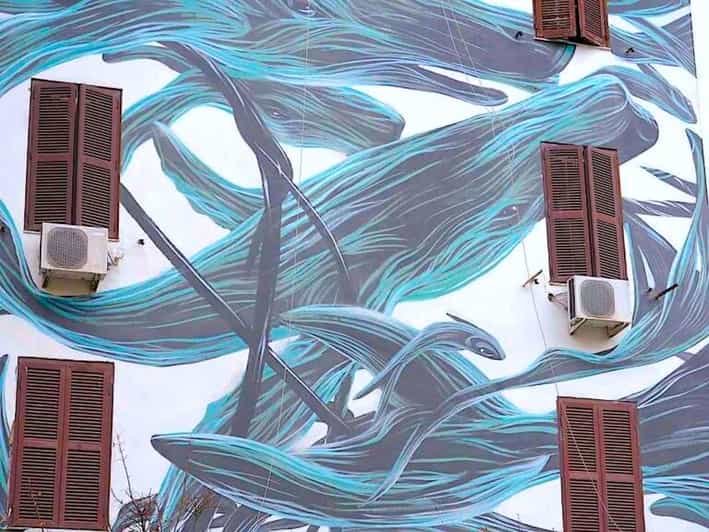
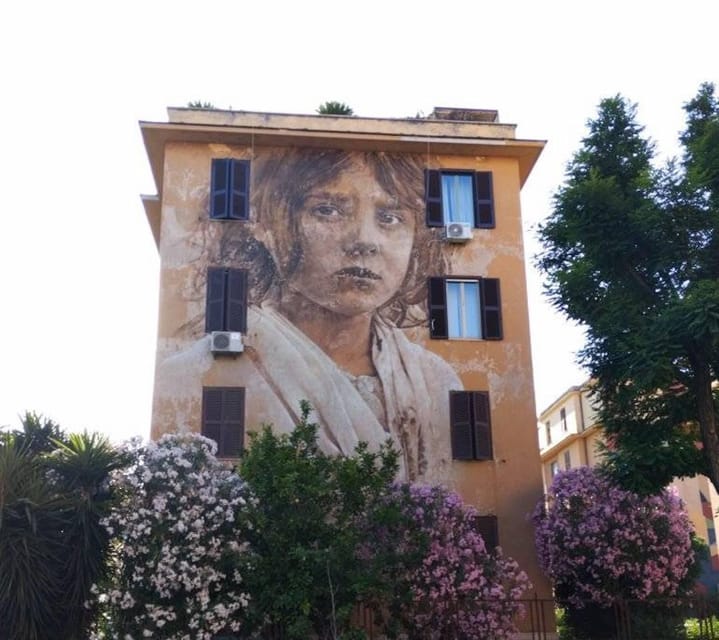
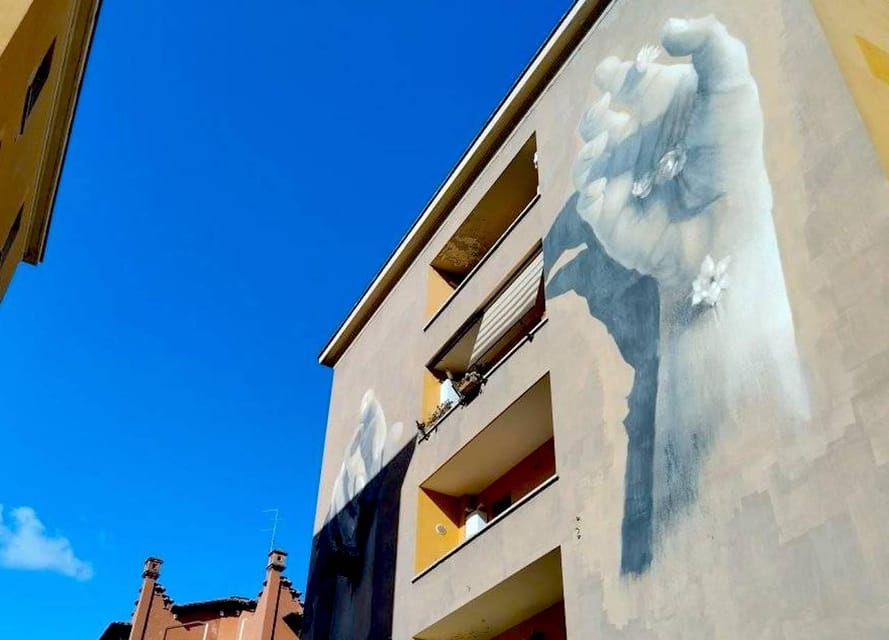
After Garbatella, the route continues to Tor Marancia. This is the main artistic payoff of the walk. The neighborhood is described as an open-air museum of contemporary art, with large-scale murals that are difficult to forget.
The change from Garbatella is part of the appeal. Garbatella gives you architecture, monuments, and street scenes mixed with murals. Tor Marancia places contemporary public art more firmly at the center. You can compare the two districts and see how different settings affect the way the work feels.
Allow time to look up. Large murals are easy to photograph, but their scale is better understood when you stand at street level and take in the surrounding buildings. A camera is worth bringing, but do not spend the whole route viewing the neighborhood through a screen. Lisa’s explanations are the reason to join a guided walk rather than simply search for the murals on your own.
The Tor Marancia section also gives the tour a clear sense of purpose. You are not just being taken to a fashionable art district. You are walking through a residential part of Rome and learning how contemporary art can become part of its public identity.
The exact order and number of individual stops can vary, but the route includes about 30 notable murals across both areas. That is enough variety to keep the walk moving without turning it into a rushed checklist.
The route back to Garbatella Metro
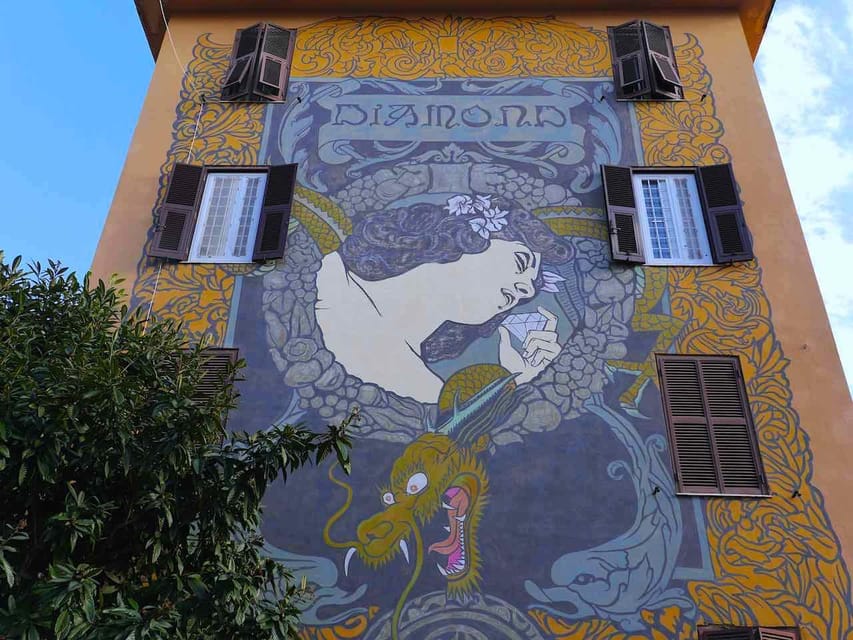
The tour does not finish at Tor Marancia. You walk back toward Garbatella Metro station through more street art, with further discussion of local culture and neighborhood history along the way.
This return route is useful for two reasons. First, it makes the outing a loop rather than a one-way transfer. You end where you began, which simplifies the rest of your day. Second, the walk back gives Lisa more time to put the two districts into context.
The stated route is about 4 kilometers, so this is a real urban hike. You will be on your feet for most of the experience, and the surfaces and pace may vary as you move through residential streets. Wear supportive shoes. Sandals that are fine for a short piazza visit may become uncomfortable here.
The duration is listed as 2.5 hours, while the itinerary also describes the guided tour as taking 3 hours. I would allow at least the longer amount of time in your schedule, especially if you want to stop for photographs or gelato. Check the available starting time when booking and avoid placing a tight museum reservation immediately afterward.
More Guided Tours in Italy:
- Pisa Street Art Self-Guided Bike Tour
★ 5.0 · 36 reviews - Bristol: Blackbeard to Banksy Guided Walking Tour
★ 4.9 · 1,422 reviews - London: Street Art and Graffiti Guided Walking Tour
★ 4.9 · 1,354 reviews - Berlin: City Street Art Guided Walking Tour
★ 4.8 · 1,051 reviews
Gelato, water, and summer planning
A gelato stop may be included during the walk, but it is optional and you pay for it separately. This is a pleasant extra rather than a core part of the tour. If you are trying to keep the day moving, you can skip it. If you want a break and a classic Roman treat, the opportunity is there.
Bring a water bottle. The route includes a chance to refill it for free, which is especially helpful in warm weather. A hat is recommended in summer, and you should not assume that the city’s shade will protect you for the whole walk.
The tour has no listed food or drink included in the $41 price. That keeps the cost straightforward: you are paying for Lisa’s guiding and the walking experience, not a meal or a package of extras.
Is $41 a fair price?
At $41 per person, this is not the cheapest way to see public art in Rome. You could seek out murals independently and spend only the cost of transportation. The question is what you would gain by doing so.
With the tour, you get a planned route through two neighborhoods, an English-speaking local guide, explanations of the art and local history, and a return to the starting point. You also avoid spending your limited holiday time working out which streets to connect. For me, that makes the price reasonable if you care about context and prefer a guided experience.
The value is strongest for first-time visitors who have already seen, or plan to see, Rome’s main ancient and Renaissance sights. A street art walk gives you a different picture of the city and adds a local afternoon or morning to an itinerary dominated by major monuments.
The value is less clear if you are already comfortable navigating Rome’s outer districts, have a strong background in public art, or prefer to explore entirely alone. The murals themselves can be visited without a guide. You are paying mainly for Lisa’s local knowledge, route planning, and explanation.
The tour also offers free cancellation up to 24 hours before the start and a reserve-now, pay-later option. Those policies are useful if your Rome schedule is still changing, but the important decision is still whether you want a guided neighborhood walk rather than a self-guided art hunt.
Who will enjoy this Rome street art walk?
I would recommend it to you if you want to see a quieter side of Rome and are curious about how public art fits into ordinary neighborhoods. It is particularly well suited to repeat visitors, couples, solo visitors who enjoy meeting a guide, and anyone who has had enough of packed central attractions for one day.
It also suits people who like architecture and local history but do not want a formal museum tour. Garbatella gives you an unusual built environment, while Tor Marancia supplies the largest concentration of contemporary murals.
Families with older children may enjoy the visual variety, though the 4-kilometer distance and 2.5 to 3 hours of walking may be too much for very young children. The tour data does not list a special children’s program, so you should judge it by your group’s walking stamina.
I would think twice if you have limited mobility, dislike walking on city streets, or need a tightly timed schedule. No accessibility details are provided, so ask the provider before booking if that affects your decision.
Practical meeting and timing advice
Plan to reach Garbatella Metro station a little early. Meet at the station exit by the small colored amphitheater, not at a famous landmark elsewhere in the neighborhood. This is an easy point to find once you are outside, but leaving extra time helps if you are unfamiliar with Rome’s Metro system.
The tour is offered in English. Lisa meets you there, introduces the route, and then leads the group through Garbatella before continuing to Tor Marancia and returning to the station.
Bring:
- Comfortable walking shoes
- A refillable water bottle
- A hat for summer
- A phone or camera for the murals
- A little extra time for an optional gelato stop
There is no need to pack special equipment. The main preparation is physical rather than technical: wear shoes you can walk in for several kilometers and plan for an outdoor outing.
Should you book it?
Book this tour if you want Rome to feel like a living city rather than a collection of famous sights. The best parts are the contrast between Garbatella and Tor Marancia, the chance to see about 30 murals, and Lisa’s local explanation of the art and neighborhoods.
I would choose it for a free morning or afternoon after the Colosseum, Vatican, or historic center. It offers a useful change of pace, though you should allow closer to three hours and accept that the walk is the main event.
Skip it if you want a short art stop, a fully indoor activity, or a tour focused only on ancient Rome. For everyone else, $41 is a fair exchange for a well-planned route, local stories, and a view of Rome that most standard sightseeing days leave out.
FAQ
Where does the Rome street art tour begin?
The tour begins outside Garbatella Metro station. After exiting the station, look for the small colored amphitheater, where Lisa meets the group.
Where does the tour finish?
The walk returns to the starting point at Garbatella Metro station.
How long is the tour?
The duration is listed as 2.5 hours. The itinerary also describes a guided tour lasting 3 hours, so allow extra time in case the walk runs toward the longer estimate.
How far do you walk?
The route is about 4 kilometers and forms a loop through Garbatella, Tor Marancia, and the streets connecting them.
Which neighborhoods does the tour visit?
The tour visits Garbatella and Tor Marancia, including their murals, monuments, streets, and local areas.
Is gelato included in the price?
No. You may stop for gelato during the walk, but it is optional and paid for separately.
What should you bring?
Wear comfortable shoes, bring a water bottle, and wear a hat during summer. There is an opportunity to refill your bottle for free during the walk.
Just added around Italy
- Torpignattara Photo Tour: melting pot, street art and politics★ 5.0 · 5 reviews
- Rome: Pigneto Urban Art Walking Tour with Italian Aperitif★ 5.0 · 2 reviews
- Art & Craft: Beer Tour with Street Art in Rome★ 4.5 · 6 reviews
- Street Art of Spanish Quarters and Maradona Tour★ 3.5 · 3 reviews
- The Spanish Quarters, Street Art and Local Market Tour in Naples★ 5.0 · 23 reviews
- Private Street Art Tour: Exploring Milan’s Hype Neighborhoods★ 5.0 · 2 reviews
- Street Art&Urban Vibes in Milan’s Most Exciting Rising Areas★ 4.4 · 5 reviews
- Spanish Streets – Maradona Street Art & Murals★ 5.0 · 3 reviews
Italy Street Art Tours, compared.
Naples Spanish Quarters Walking Tour Street Art, Folklore & Sweet
Read our review →
Spanish Quarters Folk Street Art w/ Sweets Tasting
Read our review →
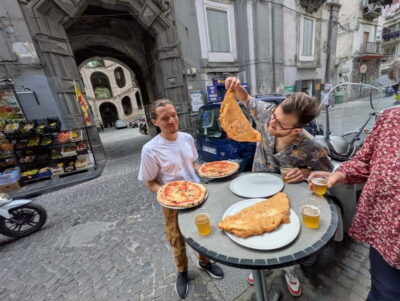
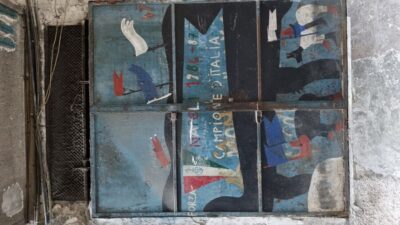
Naples Essentials: Monuments, Local Life & Street Art
Read our review →
4×4 tour of Orgosolo: Murals and typical lunch at the shepherd’s
Read our review →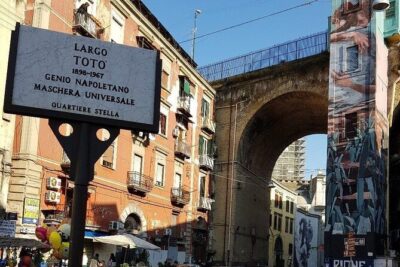
Rione Sanità tour among baroque, revival, street art & food
Read our review →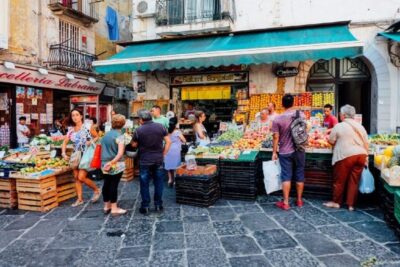
The Spanish Quarters, Street Art and Local Market
Read our review →Browse the lists this tour appears in