
REVIEW · ITALY
Street Art&Urban Vibes in Milan’s Most Exciting Rising Areas
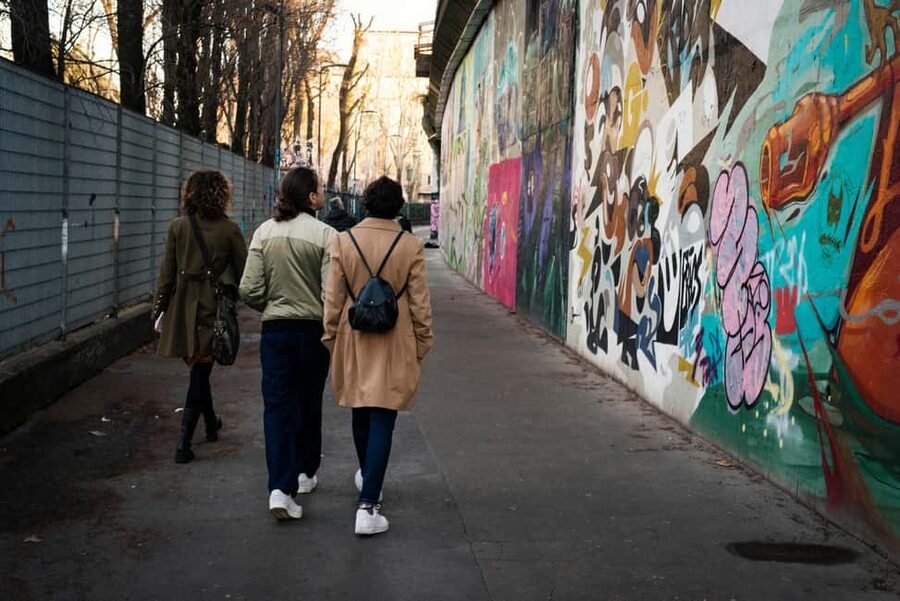
Milan’s most interesting art may not hang in a museum. It appears on working-class streets, blank walls, shop shutters, and old buildings around Via Padova. This private walk brings you into that less polished side of the city, where murals mix with small businesses, migration stories, and local protest.
I like the way the route connects street art with Milanese and Italian history, rather than treating murals as simple backdrops for photos. I also like the personal scale: your local guide can explain odd details, point out lesser-known corners, and adjust the pace for a private group.
The main drawback is the price, $90.63 per person for two hours, which is a serious spend for a walking tour. You are paying for a private experience and a specialist guide, so it makes the most sense if you care about urban art and want a focused introduction to a part of Milan you may otherwise skip.
Key points at a glance
- Via Padova is the heart of the route: Expect murals, working-class streets, cultural crossings, and stories about how street art can act as protest.
- The walk visits several creative stops: Via Giovanni Pontano, Viale Monza, Mosso, Bici&Radici, and Hug add variety beyond wall paintings.
- Your guide shapes the experience: Guides speak English or Italian, and Simon is one named guide associated with the tour.
- It is private and wheelchair accessible: You get a more personal outing, with no large group to slow the walk.
- The tour begins and ends at Pasteur: Public transport to the meeting point is not included, so plan that part yourself.
- The pace is compact: Two hours gives you a useful introduction, not an exhaustive survey of Milan’s street art scene.
Why Milan’s northern streets make a better art walk
Around Pasteur, Via Padova, and Viale Monza, Milan feels different from the grand center around the Duomo and Galleria. The streets are more mixed in character, with older buildings, local shops, cultural businesses, and walls used as large public canvases.
That change of setting is the main reason to book this walk. You are not simply moving from one famous attraction to another. You are seeing how art fits into an ordinary neighborhood, including streets where people live and work.
The route presents street art as more than decoration. Some works are playful and photo-friendly. Others connect to social questions, identity, and protest. Your guide explains the background of Milanese and Italian street art, helping you see why a wall may matter to the people who pass it each day.
I find that context especially useful in Milan. The city is known for fashion, design, and polished architecture, but its creative life also appears in rougher, less formal places. This tour gives that side of the city a proper place in your visit.
A few more street art tours around Italy worth a look
- Naples Spanish Quarters Walking Tour Street Art, Folklore & Sweet
★ 5.0 · 797 reviews - Naples: Spanish Quarters Folk Street Art w/ Sweets Tasting
★ 4.9 · 788 reviews - Graffiti art tour in Rome
★ 5.0 · 714 reviews
Starting at Pasteur and entering Via Padova
The meeting point is in front of the Scaringi pastry shop near Pasteur. That is a practical starting point because it places you directly near the route rather than requiring a long transfer into the city center.
From there, the walk moves toward Via Padova. The first part is a good chance to settle into the neighborhood and understand what makes it different from Milan’s better-known sightseeing districts.
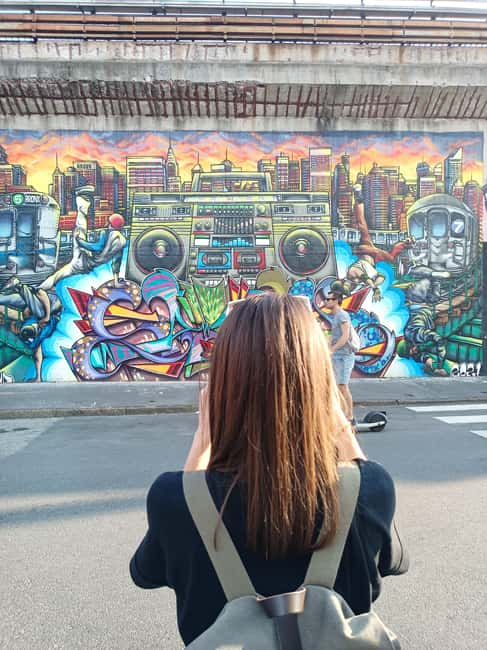
Via Padova is the central stop on the tour. You can expect a guided visit and time for photographs, but the value is in the explanations between the photo stops. Your guide introduces the local street art scene and points out how the area’s cultural mix shapes the art on its walls.
This is also the part of the route where the tour’s social side becomes clear. Via Padova is presented as a melting pot of cultures, new creative businesses, and older working-class streets. You might see art that feels welcoming and comic, then encounter a work with a sharper political edge.
Bring a phone or camera if you want pictures, but do not treat the walk as a rapid photo checklist. The guide’s comments are what turn the route into an experience rather than a simple search for colorful walls.
Via Giovanni Pontano and the art of the unexpected
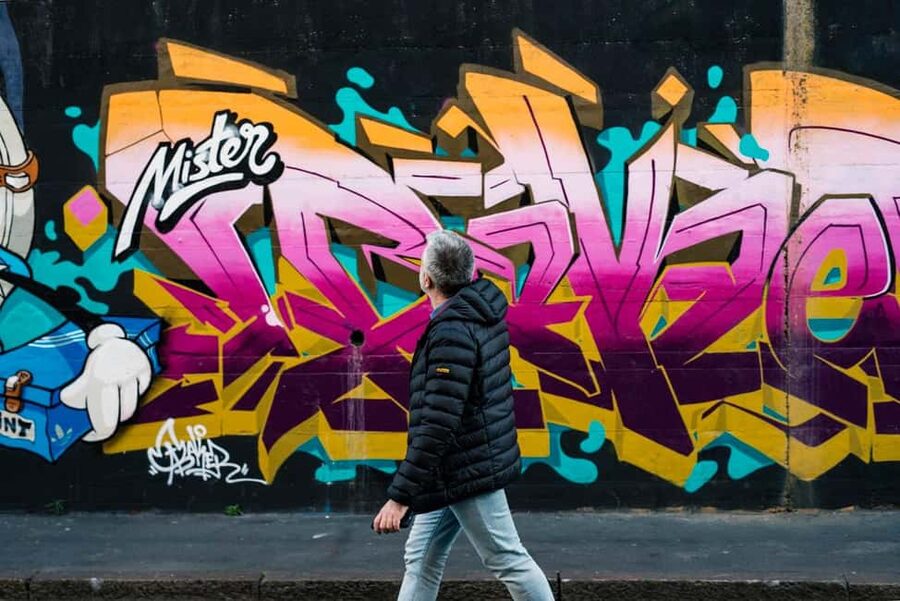
The next stop is Via Giovanni Pontano, with another guided visit and photo stop. The supplied details do not identify individual murals, artists, or exact wall locations, so you should not expect a fixed catalog of famous works.
That lack of a long artist list is worth keeping in mind. The tour is about seeing the district through a local eye, not ticking off internationally known names. Your guide may point out details you would pass without noticing, including how a work relates to the surrounding buildings or local businesses.
For photographers, this section should offer a change of texture from the broad scenes on Via Padova. Street art can look very different when viewed beside apartment blocks, side streets, storefronts, or older industrial traces.
The route also gives you a chance to ask questions. In a private group, you can stop for clarification rather than waiting for a guide to finish a standard speech. That matters if you want to know about technique, local reactions, the difference between graffiti and commissioned mural work, or the role of protest art.
Viale Monza, where the city keeps moving
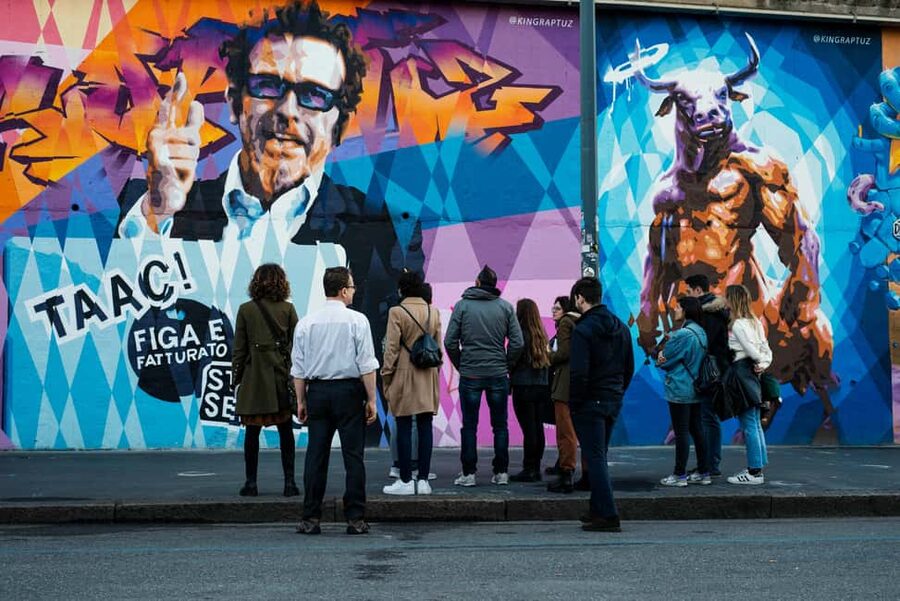
Viale Monza is another guided stop and photo point. It is one of the route’s useful contrasts because it brings the art into contact with a larger urban corridor rather than keeping you only on smaller side streets.
The supplied information does not promise a particular mural at Viale Monza, so keep your expectations flexible. What you can count on is a local explanation of the street art you encounter and time to photograph the surroundings.
I like this kind of stop on an urban walk because it shows how public art survives beside normal city movement. Milan’s street art is not isolated in a dedicated park or gallery. It shares space with traffic, shops, residents, and daily routines.
That setting can also be a drawback if you want a quiet art experience. These are city streets, not a controlled exhibition. Sound, traffic, and changing street conditions are part of the setting, and the tour’s appeal depends on accepting that reality.
Same walls, a different guide:
- Naples: Street Art, Wine and Food Tasting Walking Tour
★ 5.0 · 163 reviews - Naples Essentials: Monuments, Local Life & Street Art
★ 4.9 · 79 reviews - 4×4 tour of Orgosolo: Murals and typical lunch at the shepherd’s
★ 5.0 · 76 reviews - Naples: The Spanish Quarters, Street Art and Local Market
★ 4.7 · 59 reviews
Mosso brings art and local enterprise together
Mosso is listed as another photo stop and guided visit. Here, the route shifts toward one of the small and alternative businesses that help define this part of Milan.
The name Mosso is important because the experience is not limited to walls. You are also being introduced to places where local culture is made, shared, or sold. The exact activities inside are not specified, so consider it a neighborhood stop rather than a guaranteed workshop or formal museum visit.
This is where the tour can feel more useful than a standard sightseeing loop. You get a sense of how creative businesses fit into a district that is still changing. A guide can explain why a particular place matters and how it connects to the people who live nearby.
If you are interested in independent shops, local projects, and alternative Milan, Mosso adds substance to the walk. If you only want major murals, this part may feel less direct. The experience asks you to appreciate the setting around the artwork, not only the artwork itself.
Bici&Radici and Hug, two different kinds of local stop
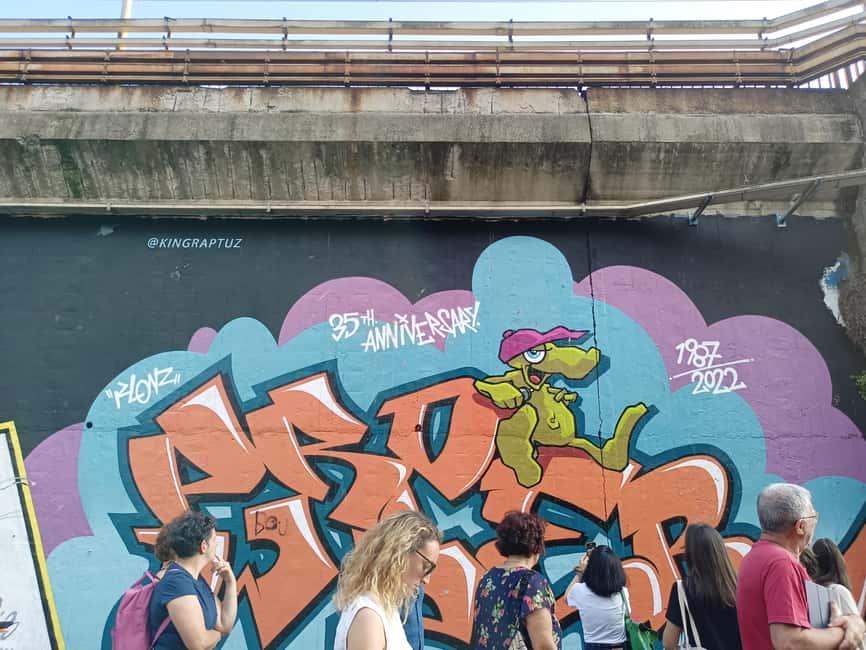
Bici&Radici comes next, followed by Hug. Both are listed as guided visits and photo stops, and both help widen the tour beyond street art alone.
Bici&Radici suggests the kind of independent urban business that gives a neighborhood its personality. The information provided does not specify its exact role, opening arrangements, or what you will do there, so think of it as a place your guide introduces rather than a promised hands-on activity.
Hug is the final named stop before the return to Pasteur. Again, the attraction is the combination of place, art, and local explanation. You may find that the stop works best as part of the larger picture: a neighborhood with creative projects, small businesses, and public art existing side by side.
These stops are useful for anyone who wants more than an Instagram route. They show how culture appears in practical, everyday spaces. You do not need to buy anything or take part in a workshop based on the information provided, but you can expect your guide to explain the role of these places within the route.
What a private two-hour format really gives you
Two hours is enough time to get a clear taste of the district without taking up half your day. You visit six named points after leaving Pasteur, then return to the same meeting place.
The short format works well if you have limited time in Milan or want to pair this walk with another activity. It is also a good first look before returning independently to the areas you like best.
The trade-off is depth. You will not see every important wall in Milan, hear the full story of Italian street art, or spend long periods inside each creative business. The route is an introduction with several stops, not a full-day study of the city’s urban art.
Because the group is private, the pace can be more personal than on a large shared walk. You can ask questions, spend longer at a work that interests you, or keep moving if a particular stop is less appealing. The tour is offered in English or Italian, so choose the language that lets you follow the historical and cultural details easily.
The experience is also wheelchair accessible. That is a useful feature for anyone who needs an accessible route, although the supplied details do not describe the exact pavement conditions at every stop. If you have specific mobility needs, confirm route details before booking.
Is $90.63 per person a fair price?
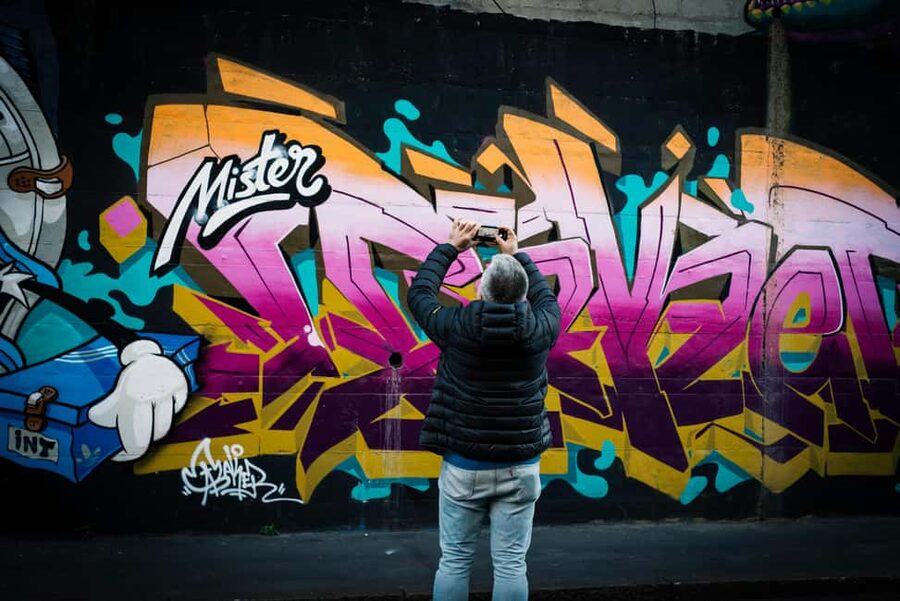
At $90.63 per person, this is not a budget walk. For a solo visitor or couple comparing it with a free self-guided street art route, the cost may be hard to justify.
The price makes more sense for a private group that values a local specialist. You are paying for a guide focused on street art, a planned route through several areas, interpretation of the city’s art culture, and introductions to small alternative businesses.
The value also depends on how you normally travel. If you enjoy locating murals yourself and reading about artists afterward, save the money and explore independently. If you prefer someone to connect the visual details with local history and neighborhood change, the private format gives you something a map cannot.
The five available ratings average 4.4 out of 5, and Simon is specifically praised for making an effort to show hidden corners of Milan while keeping the walk informative and full of surprises. That points to the guide’s personal attention as the main strength, rather than a promise of famous, fixed attractions.
Getting to Pasteur and planning the walk
Public transport to the meeting point is not included. You need to arrange your own way to Pasteur and arrive in front of the Scaringi pastry shop.
The activity ends back at the same meeting point. That makes planning simpler, especially if you want to continue elsewhere in Milan after the walk. It also means you do not need to work out a return transfer from an unfamiliar neighborhood.
Starting times vary, so check availability for the date you want. The experience lasts two hours, and the route includes outdoor walking with repeated photo stops. Comfortable shoes are the sensible choice, even though the supplied information does not list a recommended dress code or equipment.
The tour is offered as a private group experience. That can be a strong choice for families, couples, friends, or anyone who prefers not to discuss questions in front of strangers. It is less appealing if your main goal is the lowest possible price.
Who should book this Milan street art walk?
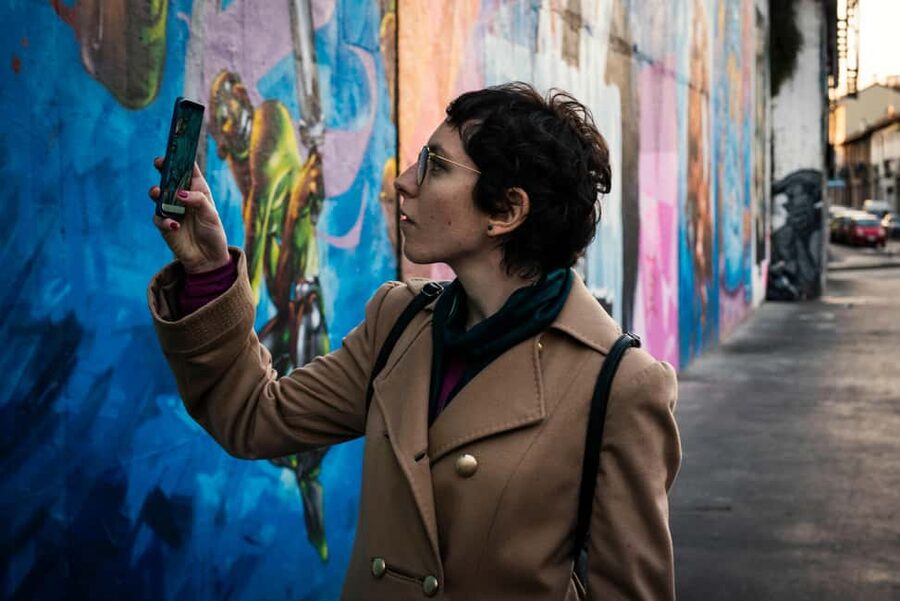
I would choose this experience if you have already seen Milan’s major landmarks and want a different view of the city. It also suits visitors interested in photography, design, social history, independent businesses, and the way art appears outside formal galleries.
It is particularly useful for first-time visitors who might otherwise stay around the Duomo, Brera, and the main shopping streets. The guide helps you reach an alternative neighborhood without wasting time figuring out which streets and businesses are worth your attention.
Families and private groups may like the flexibility, especially with an English or Italian guide. The wheelchair-accessible format also widens its usefulness, though you should confirm any personal route requirements before paying.
I would hesitate if your Milan schedule is very short and this would replace a major landmark you strongly want to see. I would also hesitate if $90.63 feels high for two hours or if you want a large collection of famous artist names and guaranteed masterpieces.
Should you book it?
Book this walk if you want Milan’s less polished, more local side and prefer interpretation to independent wandering. Its strongest points are the private format, the focus on street art as culture and protest, and the route through Via Padova, Via Giovanni Pontano, Viale Monza, Mosso, Bici&Radici, and Hug.
Skip it if you are looking for a cheap general city tour or a long museum-style presentation. For the right person, the price buys access to a side of Milan that is easy to miss, with a guide such as Simon helping you notice the stories behind the walls and neighborhood businesses.
FAQ
Where does the street art tour start?
It starts in front of the Scaringi pastry shop near Pasteur in Milan.
Where does the tour end?
The activity ends back at the meeting point near Pasteur.
How long does the experience last?
The tour lasts two hours.
What areas does the route visit?
The route includes Via Padova, Via Giovanni Pontano, Viale Monza, Mosso, Bici&Radici, and Hug.
Is public transportation to Pasteur included?
No. Public transportation to the meeting point is not included.
What languages are available?
The live guide is available in English or Italian.
Is this a private tour?
Yes. The activity is offered for a private group.
Is the tour wheelchair accessible?
Yes. The activity is listed as wheelchair accessible.
Can I cancel for a full refund?
Yes. You can cancel up to 24 hours in advance for a full refund.
Just added around Italy
- Torpignattara Photo Tour: melting pot, street art and politics★ 5.0 · 5 reviews
- Rome: Pigneto Urban Art Walking Tour with Italian Aperitif★ 5.0 · 2 reviews
- Art & Craft: Beer Tour with Street Art in Rome★ 4.5 · 6 reviews
- Street Art of Spanish Quarters and Maradona Tour★ 3.5 · 3 reviews
- The Spanish Quarters, Street Art and Local Market Tour in Naples★ 5.0 · 23 reviews
- Private Street Art Tour: Exploring Milan’s Hype Neighborhoods★ 5.0 · 2 reviews
- Spanish Streets – Maradona Street Art & Murals★ 5.0 · 3 reviews
- Rione Sanità: tour among street art, architecture, folklore★ 4.5 · 2 reviews
Italy Street Art Tours, compared.
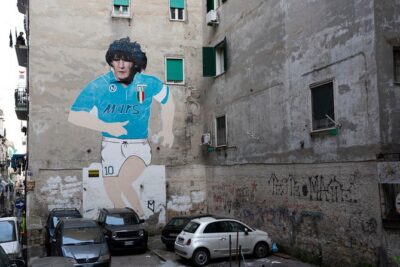
Naples Spanish Quarters Walking Tour Street Art, Folklore & Sweet
Read our review →
Spanish Quarters Folk Street Art w/ Sweets Tasting
Read our review →
Naples Essentials: Monuments, Local Life & Street Art
Read our review →
4×4 tour of Orgosolo: Murals and typical lunch at the shepherd’s
Read our review →
Rione Sanità tour among baroque, revival, street art & food
Read our review →
The Spanish Quarters, Street Art and Local Market
Read our review →Browse the lists this tour appears in