
REVIEW · ITALY
Rome: Ostiense Graffiti and Modern Street Art Walking Tour
Ostiense is where Rome trades marble columns for factory walls, stickers, wheatpaste posters, and giant painted surfaces. This two-hour street-art walk begins beside the Pyramid of Cestius and follows Via Ostiense into a former industrial quarter that now mixes old warehouses, apartments, bars, and restaurants.
I like the sharp contrast between the ancient pyramid and the neighborhood’s modern art. I also like the small-group limit of 10, which should make it easier to ask questions and pause for photographs. The main concern is value: at $94 per person, the tour needs a strong guide and a full two hours to feel worthwhile. One recent booking lasted about 1.5 hours and moved too quickly, so the guide’s pace matters.
Key points at a glance
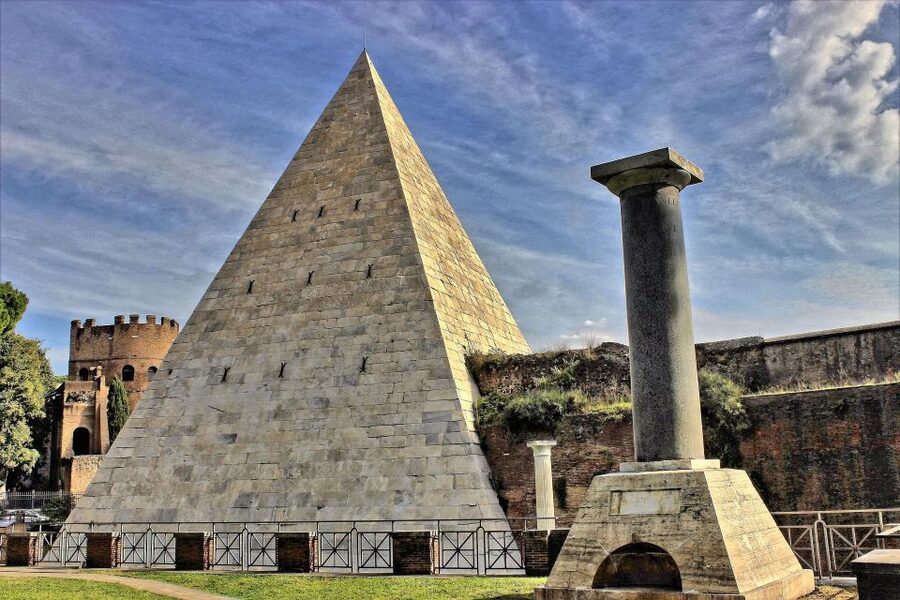
- The Pyramid of Cestius begins the story: Meet outside Piramide metro station beside a 2,000-year-old Roman tomb faced with white marble.
- Via Ostiense links old Rome to modern art: Follow the ancient road toward Ostia as graffiti, stickers, and wheatpaste posters begin to appear.
- The gasometer gives Ostiense its industrial character: The huge cylindrical structure dates from the 1930s and can be seen from around the city.
- A small group keeps the walk personal: The tour is limited to 10 people, with headsets used if the group grows beyond 10.
- The art is the main event: Famous international artists have used factories and other walls as their canvas.
- Come ready to walk, not roll: Comfortable shoes are needed, and the tour is not suitable for wheelchair users or people with mobility impairments.
Why Ostiense makes a good street-art walk
Rome is usually sold through emperors, popes, fountains, and polished piazzas. Ostiense gives you a different city. This was once a working industrial district, tied to transport, energy, manufacturing, and the road leading toward Rome’s ancient port at Ostia.
That older purpose still shows in the district’s scale. Industrial buildings have room for large painted works. The neighborhood does not feel arranged only for sightseeing. You see useful city streets, converted buildings, restaurants, bars, and walls that have been claimed by artists.
That mix is the reason to choose this walk instead of another central Rome tour. You are not simply checking off isolated murals. You are looking at how art fits a changing part of the city. The painted walls make more sense when you notice the factories, railway connections, broad roads, and working-class roots around them.
The tone is also less formal than a tour of ancient monuments. Graffiti and posters change over time. A wall may be painted over, altered, or covered with a new work. This is part of the appeal, but it also means the exact art you see can change. You should book this for the neighborhood and the guide’s interpretation, not for a guaranteed list of permanent masterpieces.
More Street Art Walking Tours in Italy
- Naples Spanish Quarters Walking Tour Street Art, Folklore & Sweet
★ 5.0 · 797 reviews - Naples: Street Art, Wine and Food Tasting Walking Tour
★ 5.0 · 163 reviews - Naples: Street Art, Wine and Food Walking Tour
★ 5.0 · 15 reviews
Meeting at the Pyramid of Cestius
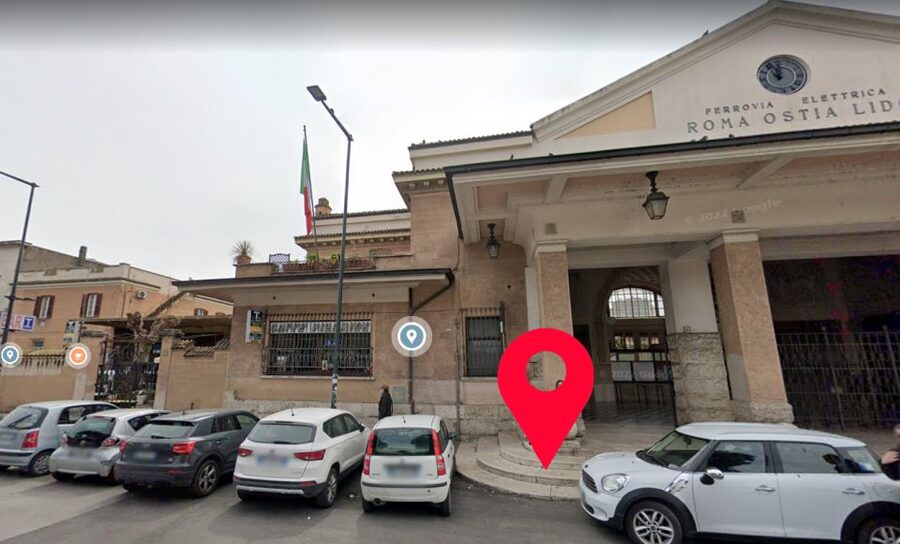
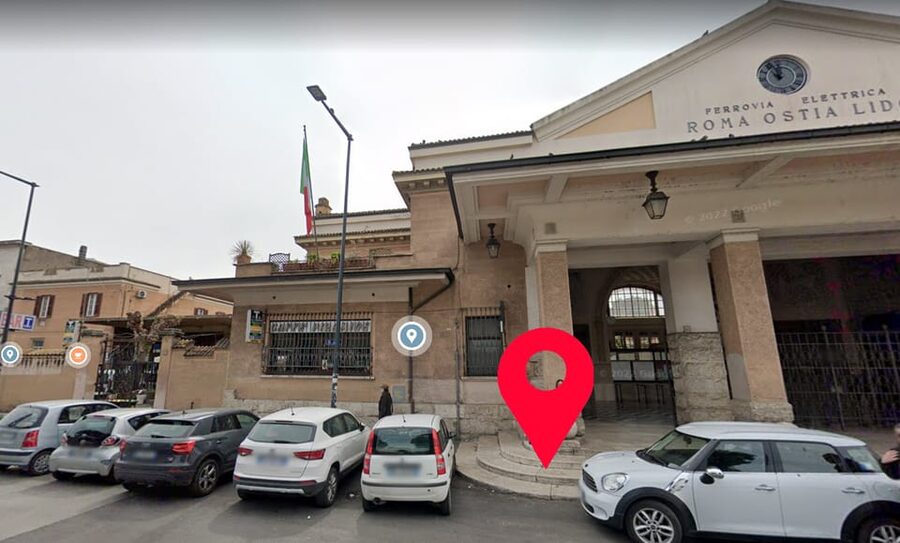
The meeting point is in front of the Roma Ostia Lido Station, outside the Piramide metro stop. This is a practical starting place because the station name points directly to one of Rome’s more unusual monuments.
The Pyramid of Cestius is an Egyptian-style tomb built for the Roman general Gaius Cestius. It rises 36 meters and is covered in white marble. Its clean triangular form looks almost startling beside the modern transport hub and the surrounding streets.
Your guide uses the pyramid as a first lesson in Ostiense’s character. Ancient Rome is right here, but the neighborhood is not frozen in antiquity. You begin with a Roman funerary monument, then set off toward painted walls and industrial structures. That change of visual language happens quickly.
Arrive with enough time to find the station entrance and guide. The meeting point is specific, but the information does not include hotel pickup. You need to make your own way there and return from the final stop independently.
Walking Via Ostiense toward the old industrial quarter
From Piramide, the route follows Via Ostiense. In ancient times, this road led from Rome toward the port at Ostia and the sea. That fact gives the street a useful sense of purpose: it was not merely a local lane, but a route connecting the capital with trade and transport beyond the city.
Today, Via Ostiense introduces the street art gradually. You begin to notice graffiti, stickers, and wheatpaste posters rather than arriving at one fenced-off art site. Look closely at walls, shutters, corners, and building fronts. Some work may be large and easy to spot. Other pieces are smaller and compete with ordinary city marks.
This is where a guide can make a real difference. A fast walk turns the route into a wall-spotting exercise. A good guide helps you understand why a particular surface matters, how different forms of street art work, and how the neighborhood has changed. The most praised guide in the supplied feedback was Juan, whose passion for the subject came through clearly.
That praise points to the tour’s strongest feature. The art itself is free to see, so you are paying for selection, context, and the chance to notice work you could otherwise pass without seeing. If your guide gives only brief comments and keeps moving, the price becomes harder to defend.
From factories to bars, homes, and painted walls
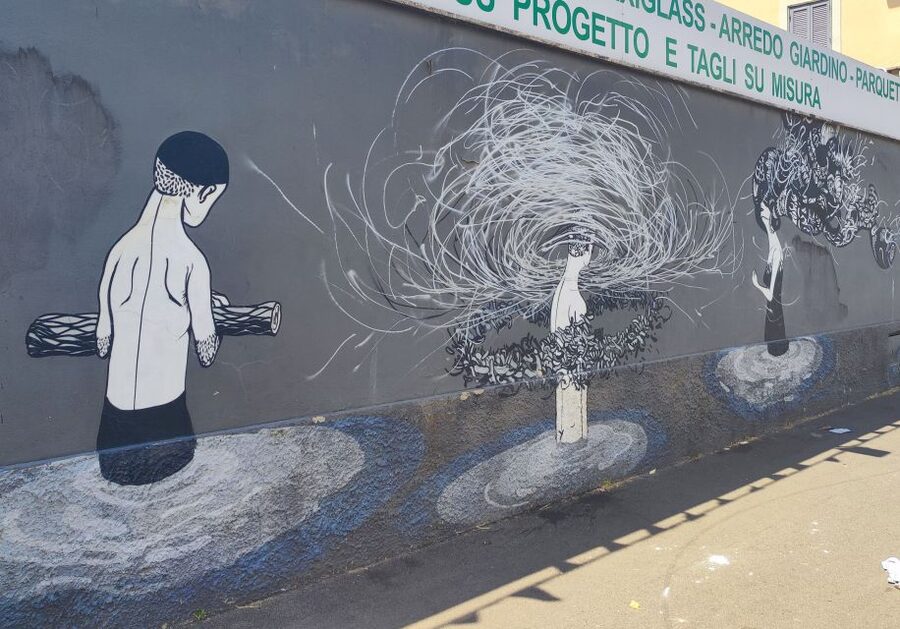
Ostiense’s industrial buildings now have new lives. Former factories and turn-of-the-century structures have become apartments, bars, and restaurants. Their older brick, concrete, metal, and oversized walls provide a rough setting for modern art.
You will see a district in transition rather than a carefully preserved historic zone. That can be rewarding if you enjoy cities with visible layers. The new uses do not erase the old ones completely. Industrial forms still shape the streets, while contemporary businesses bring different energy and foot traffic.
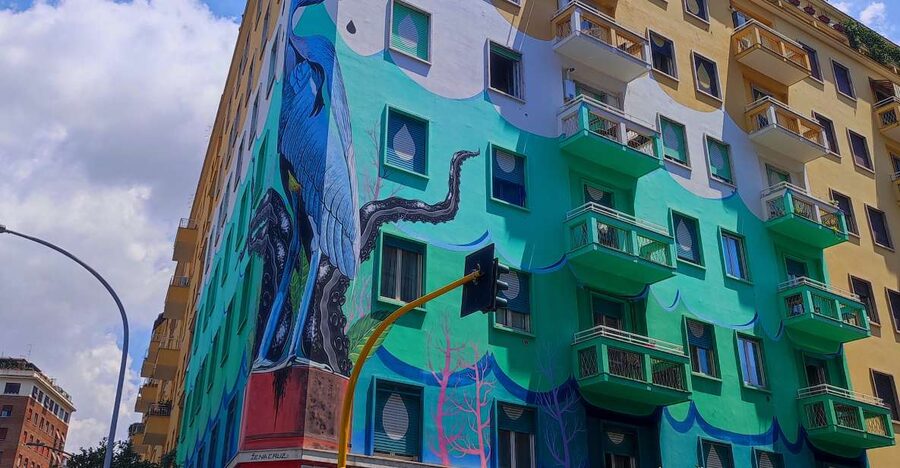
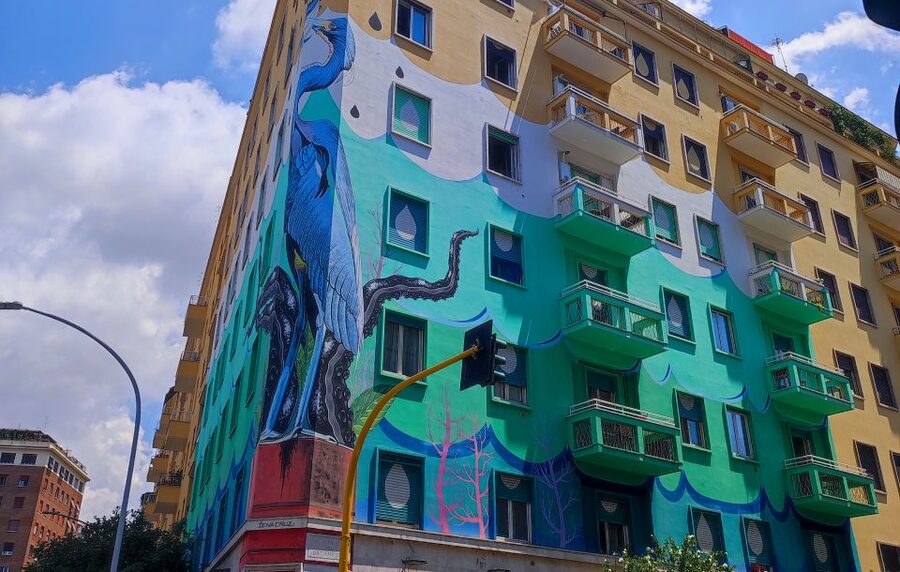
The street art belongs to this change. International artists have chosen Ostiense as a large outdoor canvas, and their works sit beside more informal graffiti and pasted posters. A guided walk can help you distinguish between commissioned murals, quick tags, stickers, and other forms of urban marking, but the exact amount of explanation depends on the guide.
I would keep your expectations practical. This is not described as a museum-quality collection with indoor galleries, labels, or guaranteed major works at every stop. It is a walk through a neighborhood where art appears across the public realm. You may find a wall that catches you for its scale or color, while another stop may seem less memorable.
More Graffiti Tours in Italy:
- Graffiti art tour in Rome
★ 5.0 · 714 reviews - Medellin: Comuna 13 Graffiti Tour, Cable Car & Street Food
★ 4.8 · 9,046 reviews - Wynwood Graffiti Golf Cart Small-Group Tour
★ 5.0 · 1,646 reviews - London: Street Art and Graffiti Guided Walking Tour
★ 4.9 · 1,354 reviews
The gasometer and Ostiense’s working roots
The large cylindrical gasometer is one of the area’s clearest symbols. Built in the 1930s, it is visible from many parts of Rome and recalls Ostiense’s industrial and working-class past.
It is not presented as a building you enter. Its value is visual and historical. The structure helps you understand the scale of the old energy district and gives the walk a strong point of reference. Against the smaller streets and painted walls, the gasometer shows that Ostiense was built for industry rather than for grand tourist views.
This is one of the places where the tour’s two subjects meet. Street art is not floating in a random collection of walls. It has found a home in a district already shaped by factories, utilities, transport, and large working surfaces.
Bring your camera, but do not expect every stop to allow a long photo session. One recent participant found the pace too quick and had little time to study the art or take photographs. That is a useful warning. At the start, tell the guide if you need a moment to frame pictures, especially if the group is moving briskly.
What the small group and headsets change
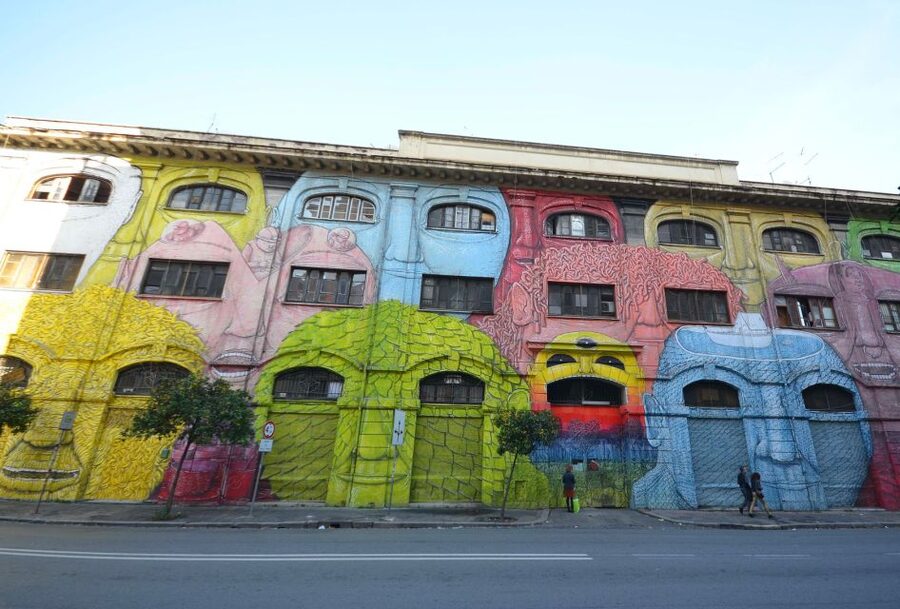
The group is limited to 10 people. For a walking tour in city streets, that is a sensible size. You can usually stay close to the guide, hear questions, and avoid the stretched-out line that often forms behind a large group.
Headsets are included if the group is bigger than 10, though the stated maximum is 10. In practice, the small-group format is more important than the equipment. A headset helps with traffic and street noise, but it cannot fix a rushed route or thin commentary.
The English-language format keeps the tour straightforward for visitors who want one language throughout. The available information lists English only, so you should not book expecting a multilingual walk.
The two-hour duration is another key point. On paper, it is long enough to cover the pyramid, Via Ostiense, industrial remains, the gasometer, and a selection of street art without turning into an all-day commitment. In reality, the route needs to use the full time. A walk that ends after roughly 1.5 hours offers a weaker bargain, particularly at $94.
Is $94 a fair price?
The price is high for a neighborhood walk where most of the sights are outdoors and free. You are not paying an entrance fee to the pyramid or the gasometer. The value must come from the guide’s knowledge, route planning, and ability to turn scattered walls into a readable story.
At its best, the tour gives you access to a side of Rome that many first-time visitors miss. You get a small group, an English-speaking guide, a focused route, and a clear theme. You also save the time it would take to locate the main works on your own, assuming the guide delivers a well-paced walk.
At its weakest, the cost feels out of balance. If the route is shorter than advertised, the commentary is limited, or you have little time to look at the art, you are essentially paying a premium for a walk you could attempt independently.
I would compare this price with your priorities. If you care deeply about public art and want a guide to explain Ostiense’s change from industry to modern culture, the fee may be reasonable. If you mainly want a few photographs of murals, walking the district without a guide could be better value.
The rating supplied for this experience is 3.1 from seven reviews, which reflects that mixed value. Strong guide-led experiences are possible, and Juan received particular praise for his enthusiasm. But the uneven feedback means you should not book on the assumption that every departure will feel equally polished.
Who will enjoy this walk most
This tour suits you if you have already seen some of central Rome and want a different kind of afternoon. It also works for repeat visitors who have had enough of fountains and ancient ruins for one day.
You should enjoy it if you like:
- Public art, graffiti, stickers, and pasted posters
- Former industrial districts and urban change
- Photography, especially large-scale wall art
- Small groups and live commentary
- Walking routes with a clear neighborhood theme
It is less suitable if you want a slow art lesson with plenty of time at every wall. It is also a poor match if you dislike uneven city walking or need wheelchair access. The tour is specifically not suitable for wheelchair users or people with mobility impairments.
Wear comfortable shoes. Do not bring luggage or a large bag, since those are not allowed. Food and drinks are not included, and the tour does not provide hotel pickup or drop-off.
How to get the most from the two hours
Start by treating this as an urban walk, not a standard monument tour. The best parts may be small details on a wall, a pasted image partly covered by another, or the way a mural works with an old factory facade.
Keep your camera ready, but listen before shooting. The guide’s explanation is the part you cannot easily recreate later. If the group begins moving too quickly, politely ask for a short pause. That is especially sensible at larger works, where the point is often in the detail rather than the first glance.
You may also want to look up the route area afterward and spend more time there on your own. Since the walk lasts only two hours, it offers an introduction rather than a full survey of Ostiense. Bars and restaurants occupy former industrial buildings, so the neighborhood can make a useful follow-up stop, though food and drinks are not part of the tour.
Flexible booking is helpful here. You can cancel up to 24 hours before the activity for a full refund, and you can reserve now and pay later. Those terms reduce the risk if your Rome plans are still shifting, but they do not change the need to judge the price carefully.
Should you book the Ostiense street-art tour?
Book it if you want a compact introduction to Rome’s modern side and value a guide who can connect murals with the district’s industrial past. The pyramid, Via Ostiense, gasometer, old factories, and street art create a strong route with plenty of contrast.
I would be cautious if $94 feels steep for two hours. The experience depends heavily on the guide’s pace and depth. Juan appears to be an especially good match for the subject, but guide availability can vary. Before booking, confirm the start time and be prepared to speak up if you need time for photographs.
My call: a worthwhile choice for street-art fans and repeat visitors, but not an automatic buy at this price. Choose it for the guide and neighborhood context, not simply for a list of murals.
FAQ
Where does the Ostiense street-art tour meet?
It meets in front of the Roma Ostia Lido Station, outside the Piramide metro stop.
How long does the tour last?
The scheduled duration is two hours.
What language is the tour offered in?
The live tour guide speaks English.
How large is the group?
The group is limited to 10 participants.
Is the Pyramid of Cestius included?
Yes. The tour begins outside the Piramide metro stop, beside the Pyramid of Cestius, a 36-meter-high Roman funerary monument covered in white marble.
Is food or drink included?
No. Food and drinks are not included.
Is the tour suitable for wheelchair users?
No. The activity is not suitable for wheelchair users or people with mobility impairments. Comfortable shoes are recommended, and luggage or large bags are not allowed.
Just added around Italy
- Torpignattara Photo Tour: melting pot, street art and politics★ 5.0 · 5 reviews
- Rome: Pigneto Urban Art Walking Tour with Italian Aperitif★ 5.0 · 2 reviews
- Art & Craft: Beer Tour with Street Art in Rome★ 4.5 · 6 reviews
- Street Art of Spanish Quarters and Maradona Tour★ 3.5 · 3 reviews
- The Spanish Quarters, Street Art and Local Market Tour in Naples★ 5.0 · 23 reviews
- Private Street Art Tour: Exploring Milan’s Hype Neighborhoods★ 5.0 · 2 reviews
- Street Art&Urban Vibes in Milan’s Most Exciting Rising Areas★ 4.4 · 5 reviews
- Spanish Streets – Maradona Street Art & Murals★ 5.0 · 3 reviews
Italy Street Art Tours, compared.
Naples Spanish Quarters Walking Tour Street Art, Folklore & Sweet
Read our review →
Spanish Quarters Folk Street Art w/ Sweets Tasting
Read our review →
Naples Essentials: Monuments, Local Life & Street Art
Read our review →
4×4 tour of Orgosolo: Murals and typical lunch at the shepherd’s
Read our review →
Rione Sanità tour among baroque, revival, street art & food
Read our review →
The Spanish Quarters, Street Art and Local Market
Read our review →Browse the lists this tour appears in