

REVIEW · BUDAPEST
Budapest: Alternative Street Art & Jewish Tour
Budapest’s Jewish Quarter is where bold murals, old community landmarks, ruin bars, and weathered buildings share the same few streets. This three-hour walk connects those pieces, using street art as a way into the story of Pest and the Jewish community that helped shape Pest, Buda, and Óbuda.
I like the mix of art and history, since you are not simply stopping for mural photos. I also like the practical finish: guides such as Burak and Zsanett offer advice on live music, clubs, food, and places to spend the evening. The main consideration is that this is an outdoor walking tour in all weather, with no food, drinks, or attraction admissions included.
Key points to know
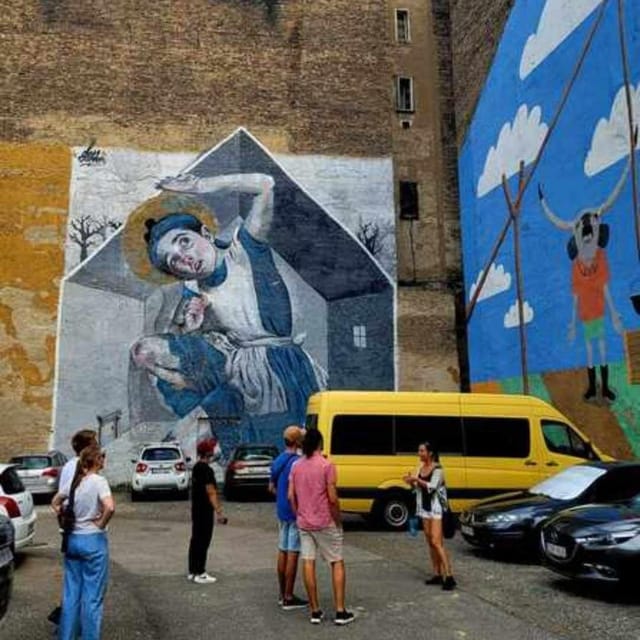
- Street art with a local focus: See work by Budapest artists, including the revolutionary Színes Város group.
- A serious historical thread: Learn how the Jewish community influenced all three parts of the city: Pest, Buda, and Óbuda.
- Old and new Budapest together: The route contrasts modern shops and bars with crumbling structures and memorials.
- Guides who add personal detail: Burak and Zsanett are named examples of guides who explain the artwork clearly and offer useful evening advice.
- A manageable three-hour walk: The route is long enough to cover several themes without taking a full day.
- Good value at $23: For a guided city walk with local recommendations, the price is modest, though extras cost more.
Why this Budapest walk feels different
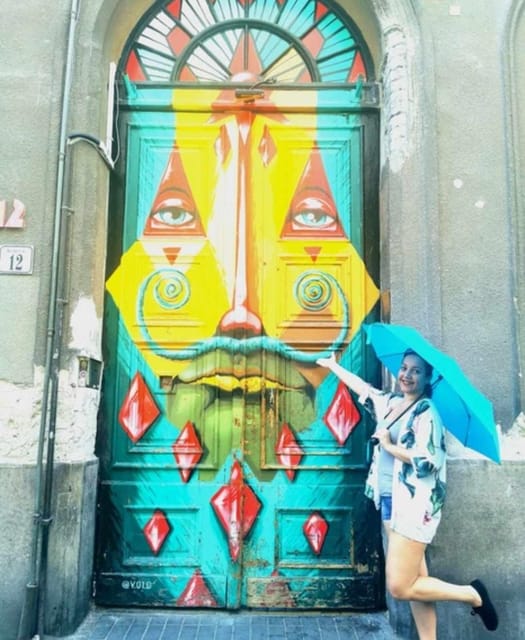
Many Budapest walks focus on grand buildings, thermal baths, or the Danube. This one takes a less polished route through the Jewish Quarter, where art appears on blank walls and old structures carry difficult memories.
That contrast is the point. You might pass a modern bar or shop, then turn toward a fading wall, a memorial, or a surviving piece of the old Jewish community. The guide helps connect what you see, so the quarter becomes more than a place for nightlife and photographs.
The street art gives the walk an easy entry point. Murals are visual, large, and often playful, but they also reflect how Budapest presents itself today. The tour includes work by local artists and the Színes Város movement, known for bringing color and public art into the city.
I like this approach because you get something to look at while hearing about the city. A wall becomes a starting point for a story about the neighborhood, its people, or modern Budapest culture.
More Alternative City Tours in the world:
- London Bike Tour: Landmarks, Secret Gems, Pub Stop & Street Art
★ 5.0 · 943 reviews - Budapest: Street Art and Underground Movements Walking Tour
★ 5.0 · 365 reviews - Berlin: Street Art and Alternative Tour
★ 4.7 · 98 reviews
Meeting at St. Stephen’s Basilica
The tour begins at the entrance to St. Stephen’s Basilica, at Szent István tér 1. Look for the guide holding a blue umbrella. That detail matters in a busy central square, especially if several groups are gathering nearby.
The basilica is a practical central meeting place, but the tour itself is not focused on the church. You set off from here toward the Jewish Quarter, so arrive ready to walk rather than expecting an indoor visit or a basilica admission.
I would allow a few extra minutes to locate the blue umbrella. Wear comfortable shoes, and check the forecast before leaving your hotel. The tour runs in all weather, so a light rain layer or sun protection may make the three hours far more pleasant.
Reading Budapest through its murals
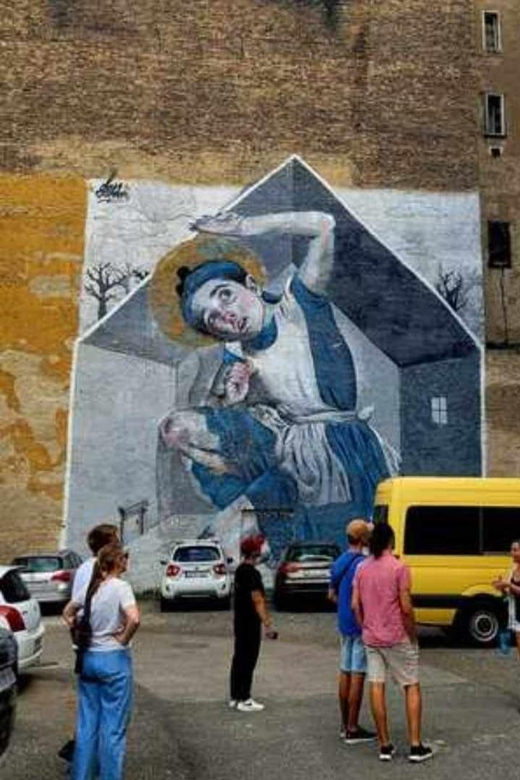
The street art portion is not just a photo stop. Your guide explains the work of local artists, including Színes Város, and gives the walls a place in Budapest’s modern cultural life.
That added explanation is important. Without a guide, you can admire a large image but miss why it was made, how it fits the neighborhood, or what makes the artist significant. The strongest part of this format is the conversation between the artwork and the street around it.
Expect several stops where the group pauses to look closely and hear the story behind a mural. The exact sequence can vary, and the supplied details do not promise a fixed list of artworks. That is useful to remember if you are hoping to see one particular wall.
The art also keeps the walk from feeling like a formal history lecture. You move through the streets, stop for visual details, and then shift into the story of the area. That rhythm suits people who prefer an active city tour with short explanations rather than a long indoor presentation.
The Jewish Quarter beyond nightlife

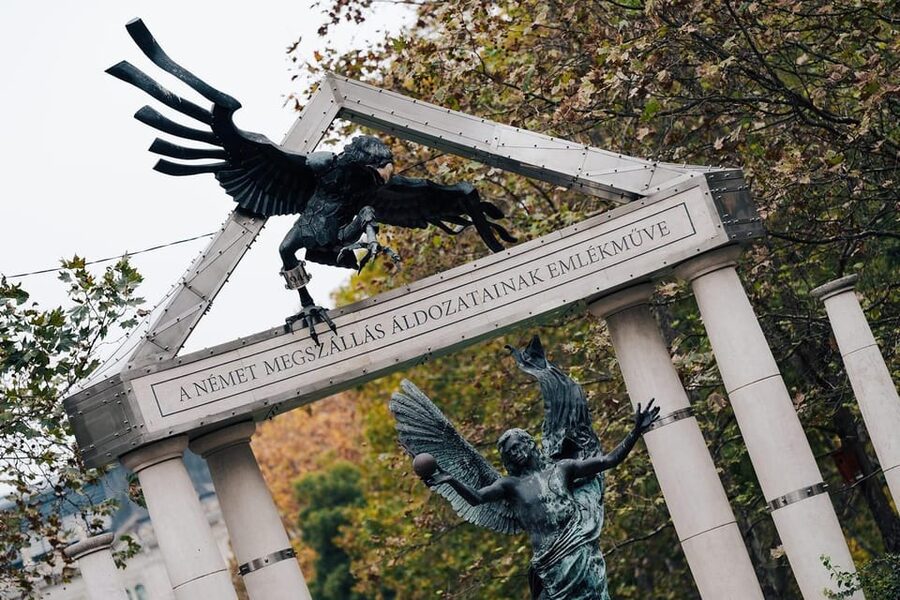
Budapest’s Jewish Quarter is often treated as a nightlife district first. This tour gives you a wider view, including the remains of the old Jewish community and monuments connected with the past.
You will hear how Jewish residents played a major part in the development of Pest, Buda, and Óbuda. That broader focus matters because the quarter is not an isolated pocket. Its story reaches across the city and helps explain Budapest’s culture and urban growth.
The route also looks at survival. Old structures and monuments offer a reminder of what was lost, what remained, and how the neighborhood changed. The guide’s job here is especially important. A crumbling building can look like simple decay until someone explains why it matters.
The tone is likely to shift from playful street art to more serious history. I see that as a strength, but it may not suit someone wanting a light sightseeing stroll from start to finish. The tour asks you to pay attention to both the cheerful and painful parts of the area.
A few more street art tours around the world worth a look
- Moco Museum Amsterdam Entrance Tickets with Banksy & More
★ 4.4 · 10,088 reviews - Medellin: Comuna 13 Graffiti Tour, Cable Car & Street Food
★ 4.8 · 9,046 reviews - CDMX: Xochimilco, Coyoacan, Frida Kahlo Museum & Murals Tour
★ 4.4 · 3,025 reviews - Moco Museum Barcelona Banksy & More
★ 4.6 · 2,340 reviews
Old walls beside modern bars
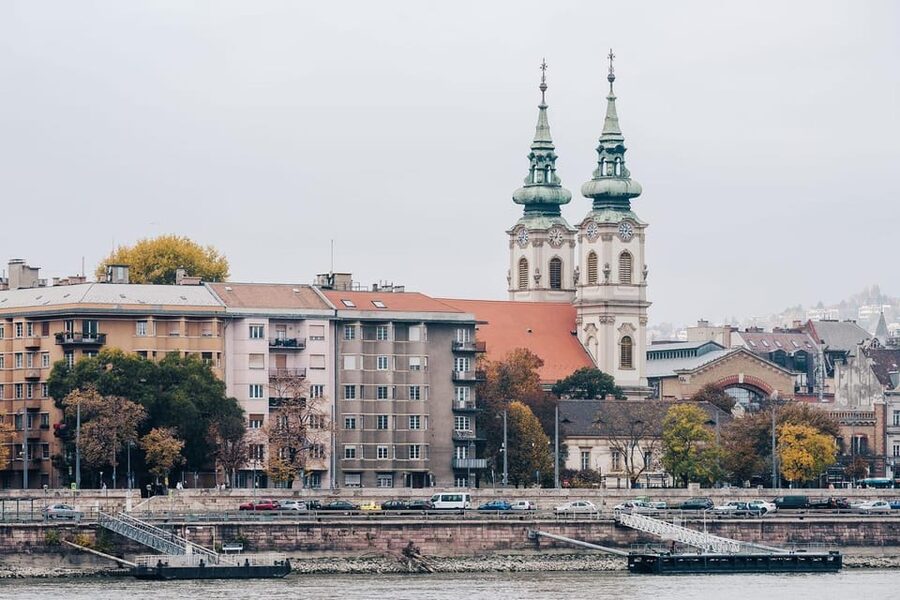
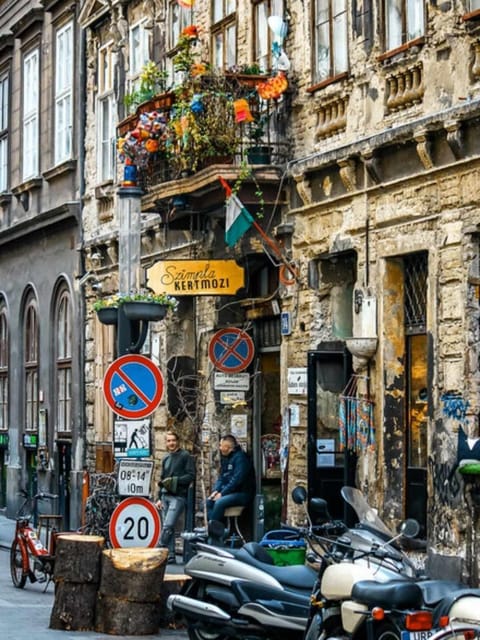
One of the most useful ideas on this walk is the contrast between old and new Budapest. Modern shops and bars sit near worn structures and monuments, creating a neighborhood that can feel visually uneven but historically layered.
That mixture is what makes the Jewish Quarter worth walking with a guide. You are not seeing a preserved historic district where every facade looks tidy. You are seeing a living part of the city that has changed, sometimes awkwardly, while still holding onto reminders of earlier generations.
The guide can point out details you might otherwise pass without noticing. Look at the walls, entrances, signs, and fragments around you. The value is not only in the headline attractions. It is in learning how to read an ordinary street.
You also receive advice for continuing your Budapest evening. Burak and Zsanett are specifically noted for offering recommendations after the walk, including a ruin bar, clubs, food, and live music. These suggestions can help you turn a daytime tour into a useful first-night orientation.
What the guide adds
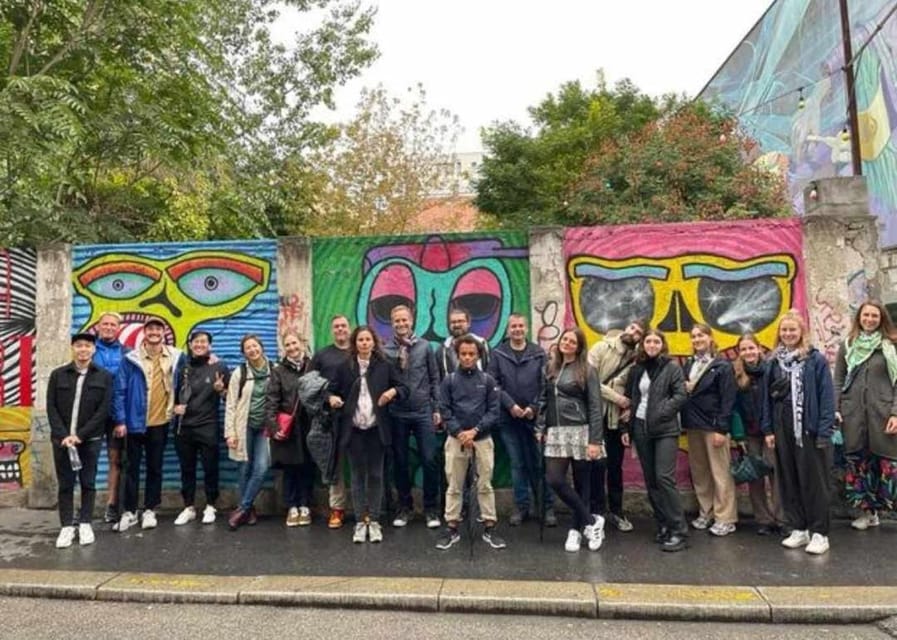
The guide is the key part of this experience. A good street art walk needs someone who can explain more than where to point your camera, and a history walk needs someone who can make old events relevant to the street you are standing on.
Burak is described as personable and attentive, especially with a small group. That can make the walk feel closer to a private tour, since the guide has more room to answer questions and keep an eye on everyone.
Zsanett is also named as a guide who brings the artwork to life and explains it in a funny, interesting way. She has shown participants a ruin bar and provided a useful list of recommendations. Guide assignments can change, so treat these names as examples rather than a promise that one particular person will lead your departure.
The language is English. The overall rating is 4.8 from 49 reviews, which supports the idea that the guiding is a major strength. Still, your own experience will depend partly on the day’s group size, guide, weather, and pace.
Three hours on foot, with a sensible pace
At three hours, this is more than a quick introduction but shorter than a full-day city tour. The length gives you time to cover both the murals and the Jewish Quarter’s history without using an entire afternoon.
The walk is described as neither too long nor too short, but you should still expect to be standing and moving for most of the outing. Comfortable shoes are essential. There is no mention of transport between stops, so plan as though this is a continuous walking route.
The group’s pace may vary. A small group can make stops feel relaxed and allow more questions. A larger group may require you to stay close and listen carefully near busy streets. The information does not specify group size, so do not book this expecting a private tour.
Because the tour ends back at the meeting point, you can plan the rest of your day from central Budapest. You might continue sightseeing, return to your hotel, or use the guide’s food and nightlife suggestions that evening.
Is $23 a fair price?
At $23 per person, the tour offers solid value if you want context rather than a self-guided walk. You are paying for three hours with an English-speaking guide, street art interpretation, Jewish Quarter history, and local suggestions for the evening.
The price is especially reasonable for a first visit. A guide can help you get oriented, identify areas to return to, and avoid spending your first night choosing a bar or restaurant at random.
Keep the limits in mind. Food and drinks are not included, and entrance fees to attractions are not included. The supplied details also do not promise entry into museums, synagogues, or other paid sites. This is a walking tour viewed from the streets, not an admission-based attraction tour.
If you prefer to explore at your own speed and stop whenever you want, you can walk much of the quarter independently. The $23 makes sense when you value the stories, explanations, and personal recommendations.
Who should book this tour?

I would choose this tour if you have already seen Budapest’s main postcard sights or want a different first look at the city. It suits curious adults, couples, solo visitors, and older children who can manage three hours of walking and are interested in both public art and history.
It is also useful for people who want an evening plan. The tips on live music, clubs, food, and ruin bars can save you time later, and the guide may point you toward places you would not notice on a standard sightseeing route.
This may not be the best fit if you want a quiet museum experience, a fully indoors activity, or a tour centered only on Jewish religious sites. It is also not ideal for anyone uncomfortable walking in poor weather, since the tour operates regardless of conditions.
Bring comfortable shoes and weather-appropriate clothing. Since there is no food or drink included, eat beforehand or plan a stop afterward.
Booking flexibility and practical details
You can cancel up to 24 hours before the tour for a full refund, and the reserve-now, pay-later option keeps your plans flexible. Check availability for the starting time because the exact departures are not stated here.
The activity begins and ends at the entrance to St. Stephen’s Basilica. The guide holds a blue umbrella, and the tour is conducted in English.
The tour does not list included attraction entrances, meals, or drinks. Think of it as a guided street experience, not a package with add-ons.
Should you book it?
Book this tour if you want Budapest explained through its walls, old community landmarks, and current nightlife culture. The strongest reason to choose it is the combination: you get street art by local artists, Jewish Quarter history, and practical advice for the rest of your stay.
I especially like it for a first or second day in Budapest. You will get your bearings in a central district, learn which details deserve a closer look, and leave with ideas for food, music, and bars.
Skip it if you want a major-attraction tour with indoor entries or a completely relaxed outing. For $23, though, this is a useful, focused walk that gives you more than a collection of mural photographs.
FAQ
How long is the Budapest Alternative Street Art and Jewish Tour?
The tour lasts three hours.
Where does the tour start?
It starts at the entrance of St. Stephen’s Basilica, Budapest, Szent István tér 1, 1051 Hungary.
How do I find the guide?
Look for a guide holding a blue umbrella by the basilica entrance.
Where does the tour finish?
The activity ends back at the meeting point near St. Stephen’s Basilica.
What language is the tour conducted in?
The live tour guide speaks English.
Is food or drink included?
No. Food and drinks are not included in the tour price.
Are attraction entrance fees included?
No. Entrance fees to attractions are not included.
What should I bring?
Bring comfortable shoes and clothing suited to the weather.
Does the tour operate in bad weather?
Yes. The tour operates in all weather conditions.
Just added around the world
- Your Own Belgrade: Street Art and Hidden Gems Walking Tour★ 5.0 · 2 reviews
- Xochimilco floating gardens, Coyoacan and UNAM murals★ 4.0 · 6 reviews
- Vienna Urban Art Tour: Explore a different side of Vienna!★ 3.8 · 14 reviews
- Wynwood Walls Street Art & Neighborhood Walking Tour★ 4.9 · 9 reviews
- Vancouver: Street Art & Craft Beer Walking Tour with Tasting★ 4.8 · 14 reviews
- Vancouver: Street Art & Craft Coffee Walking Tour w/ Tasting★ 4.8 · 11 reviews
- Urban Canvas: Osaka Street Art Bike Tour★ 5.0 · 10 reviews
- UNAM: Murals & Revolution★ 4.9 · 8 reviews
Budapest Street Art Tours, compared.
Street Art and Underground Movements Walking Tour
Read our review →
Alternative Street Art Free Walking Tour of Budapest
Read our review →

Original Budapest Alternative Street Art & Jewish Tour
Read our review →
Budapest Vibe: Ruin Bars, Street Art and Culture Tour
Read our review →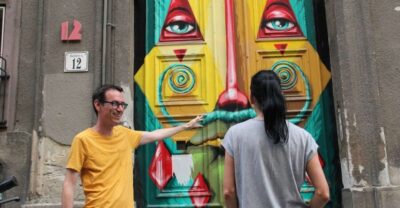
Browse the lists this tour appears in