

REVIEW · BUDAPEST
Original Budapest Alternative Street Art & Jewish Tour
Budapest’s alternative side comes alive in its 6th and 7th districts, where painted walls, unusual public art, old side streets, and the city’s Jewish Quarter meet. This three-hour walking tour links those pieces together, giving you a look at Budapest beyond its grand boulevards and famous thermal baths.
I like the way the tour focuses on local street art, including work connected with Színes Város, or Colourful City. I also like that the route is social and discussion-based, with time to ask about art, history, food, and places to visit later. The main consideration is guide quality: some guests had an excellent guide, while others found a recently trained guide unable to answer basic questions.
Key Points to Know Before You Book
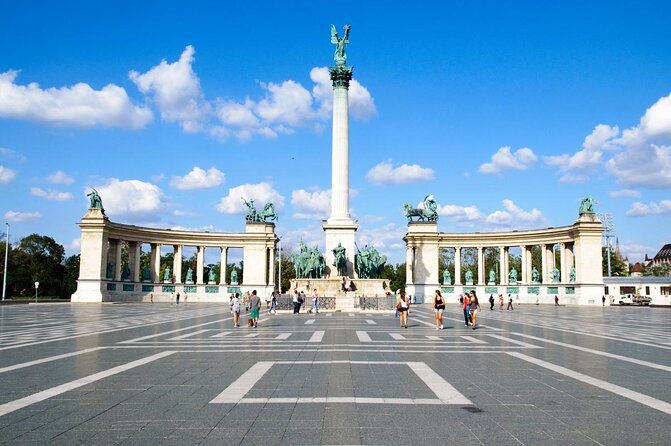
- Three hours on foot: The tour starts at 11:00 am at St. Stephen’s Basilica and ends somewhere in Budapest, with the exact finish point varying.
- Street art with local context: You’ll see Lépcső Street Art, Színes Esernyők, and other works linked to Budapest’s Colourful City movement.
- A look at two central districts: The walk covers Terézváros and the 7th District, including parts of the Jewish Quarter.
- A social group experience: The guide encourages conversation and recommendations, though the group can include up to 100 people.
- Tip-based tour model: The listed price is $25.20 per person, while the tour description says guides work for tips and you choose your own price.
- Weather matters: The walk can be moved or refunded if poor weather prevents it from operating.
Why Budapest Street Art Tells a Bigger Story
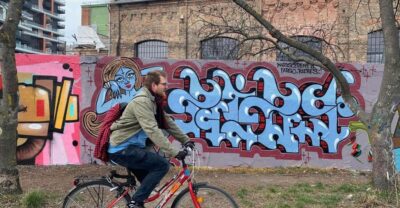
The appeal here is not simply finding colorful walls and taking photographs. Budapest’s street art often appears on ordinary side roads, stairways, building fronts, and public spaces. The art changes how you read neighborhoods that might otherwise seem like a collection of old façades and patched-up streets.
The Colourful City movement is an important part of that story. Known in Hungarian as Színes Város, it helped push public art into more everyday parts of Budapest. The result is work that adds color to common streets rather than keeping art inside galleries.
I like this approach because it gives you a reason to look up, turn corners, and pay attention to places you might otherwise pass. It also puts modern Budapest beside its older buildings and Jewish Quarter landmarks. That contrast is the real subject of the walk.
You should not expect a formal gallery tour or a carefully staged photo route. The art you see depends on the route, current conditions, and what remains in place. Street art changes, fades, and sometimes disappears. That is part of the nature of the experience, but it also means the exact selection can vary.
More Alternative City Tours in the world:
- London Bike Tour: Landmarks, Secret Gems, Pub Stop & Street Art
★ 5.0 · 943 reviews - Budapest: Street Art and Underground Movements Walking Tour
★ 5.0 · 365 reviews - Berlin: Street Art and Alternative Tour
★ 4.7 · 98 reviews
Starting at St. Stephen’s Basilica at 11:00
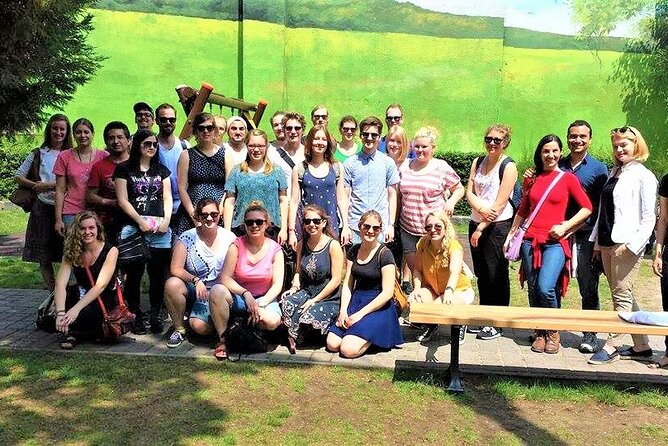
The meeting point is St. Stephen’s Basilica, at Szent István tér 1. That gives you a central starting place in the city, but you should arrive ready to walk rather than expecting a coach or other transport.
The tour begins at 11:00 am and lasts about three hours. The stops are described in roughly 30-minute sections, though real walking tours rarely follow those blocks to the minute. You will spend time moving between districts, streets, and pieces of art, so comfortable shoes matter.
The mobile ticket is useful for a simple meeting arrangement. Keep the booking confirmation easy to open on your phone, especially if the group is large. The maximum size is listed as 100 people, which is a significant number for a walking tour.
That group limit does not mean every departure will reach 100. Still, you should prepare for a social outing rather than a quiet private walk. If your guide is good at gathering people together, the group size may add energy. If the group is full, it may be harder to hear every explanation or ask detailed questions.
Lépcső Street Art: A Small-Scale Opening
The first listed stop is Lépcső Street Art, with about 30 minutes set aside for it. This is a useful opening because it moves you quickly into the tour’s main subject. Instead of beginning with a long historical lecture, the route puts a piece of public art in front of you and uses it as a starting point for discussion.
A stairway or side-street work can also show how Budapest’s street art differs from a large mural. You may notice the relationship between the artwork and the surrounding buildings, pavement, signs, and everyday traffic. That setting is part of the experience.
This stop should suit you if you enjoy seeing how art fits into a neighborhood. If you want a long, detailed explanation of each artist, keep your expectations measured. The information provided does not list particular artists or guarantee a set of named works beyond the locations and Colourful City connection.
Terézváros and the Everyday City
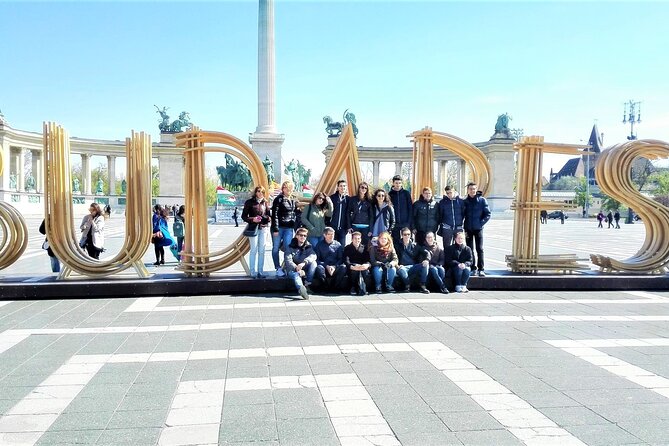
The next section takes you through Terézváros, Budapest’s 6th District. The tour description presents this area as one of the places where younger residents and the young at heart gather, which points to a focus on present-day city life rather than only historic monuments.
Terézváros works well in a street-art tour because it lets you see how the city’s creative side appears in regular urban spaces. You are not only looking at a painted wall. You are also seeing the streets, storefronts, building fronts, and public corners around it.
This part can be especially useful if you already know Budapest’s major sights. One strong point of the experience is that it can add a new layer to a familiar city. You might pass through an area you have already visited and begin noticing its smaller details.
The route also gives your guide room to offer practical suggestions. One particularly positive experience included recommendations for other places to visit, along with an engaging mix of art and history. That is the kind of extra value that can make a three-hour walk useful beyond the official stops.
A few more street art tours around the world worth a look
- Moco Museum Amsterdam Entrance Tickets with Banksy & More
★ 4.4 · 10,088 reviews - Medellin: Comuna 13 Graffiti Tour, Cable Car & Street Food
★ 4.8 · 9,046 reviews - CDMX: Xochimilco, Coyoacan, Frida Kahlo Museum & Murals Tour
★ 4.4 · 3,025 reviews - Moco Museum Barcelona Banksy & More
★ 4.6 · 2,340 reviews
Andrássy Avenue and the Move Toward District Seven

Andrássy Avenue provides a change of scale. It is one of Budapest’s best-known central avenues, and the tour uses it as a marker between different parts of the city. Király Street marks the southern end of the area described for this stop, and crossing it brings you into Budapest’s 7th District.
That transition matters. The walk moves from a grand, formal avenue toward streets associated with Budapest’s younger social life and alternative culture. You get a clearer sense of how different parts of central Budapest sit close together, even when their mood and appearance change quickly.
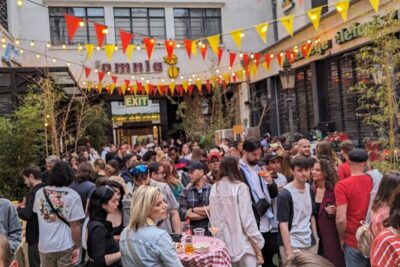
This is also one of the social sections of the tour. You will be walking with other people while the guide explains the atmosphere of the 7th District. The format is a good fit if you enjoy learning through conversation and want recommendations for the rest of your stay.
The drawback is that the information may not be equally strong on every departure. Two low ratings described guides who had been on the job for only one week. One guide reportedly gave an incorrect location for the Jewish ghetto and could not answer many questions. That is a serious concern on a tour where clear local context is part of what you are paying for.
Színes Esernyők and Budapest’s Colourful City Movement
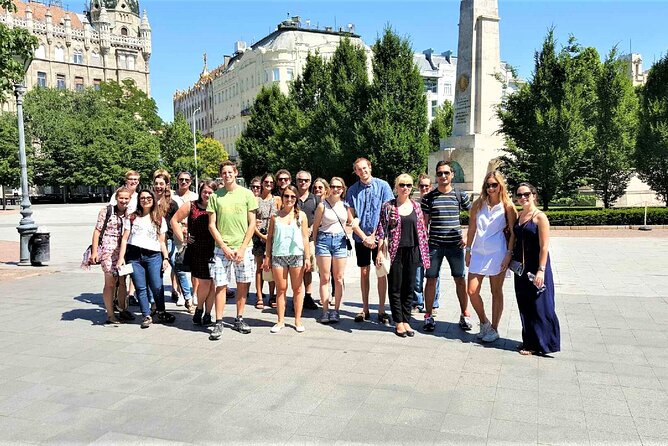
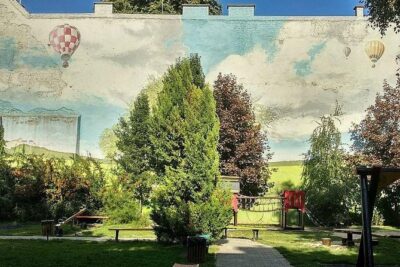
Színes Esernyők is another 30-minute stop. The name refers to colorful umbrellas, and the work is presented as part of Budapest’s wider public-art movement. This is the point where the tour most clearly connects individual street pieces with the city’s organized art culture.
The Colourful City idea helped fuel interest in alternative street-art walks in Budapest. Seeing this work in person gives you a practical example of how public art can alter a common passage or landmark. It also explains why the city has more to offer than the famous painted walls you may already have seen online.
I appreciate that this section recognizes local artists rather than treating Budapest as a blank backdrop for international street art. The aim is to show how the city’s own creative scene shapes public space.
Still, you should remember that outdoor art is not permanent. The supplied information does not promise a fixed number of murals or guarantee that every work will look exactly as pictured. If you want a precise artist-by-artist inventory, this may feel too informal. If you want to understand the feel of Budapest’s alternative art scene, it is a better match.
The Jewish Quarter Connection
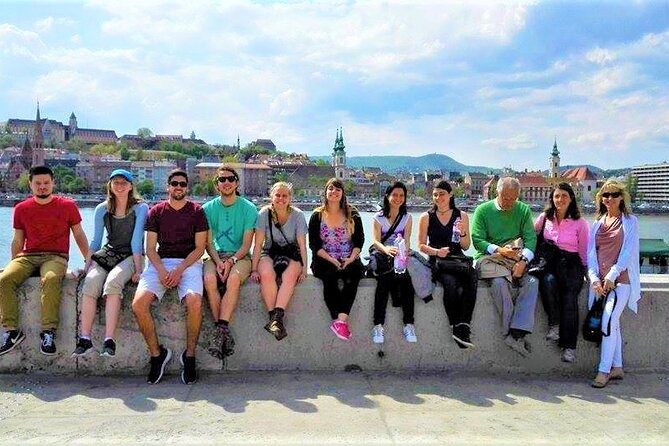
The tour is presented as an alternative street-art and Jewish tour, and the route includes Budapest’s 7th District, an area closely associated with the Jewish Quarter. The walk can therefore connect modern art with the district’s Jewish past and its changing present.
That combination is valuable because the area is not only a nightlife zone or a collection of decorative walls. Its streets carry layers of memory, urban change, and cultural identity. A good guide can help you understand how those layers sit beside restaurants, bars, public art, and ordinary residential life.
Guide quality matters most here. One highly positive account praised a guide’s ability to explain both art and history in the Jewish Quarter. By contrast, another guest was unhappy after the guide placed the Jewish ghetto in the wrong location. Those two experiences show exactly why you should listen carefully and ask questions if something does not seem clear.
I would treat this as an introduction to the Jewish Quarter rather than a complete Jewish heritage tour. The listed route gives the district a place within a wider alternative-culture walk. It does not promise a full memorial tour, museum visit, synagogue visit, or detailed account of wartime Budapest.
What the $25.20 Price Really Gets You
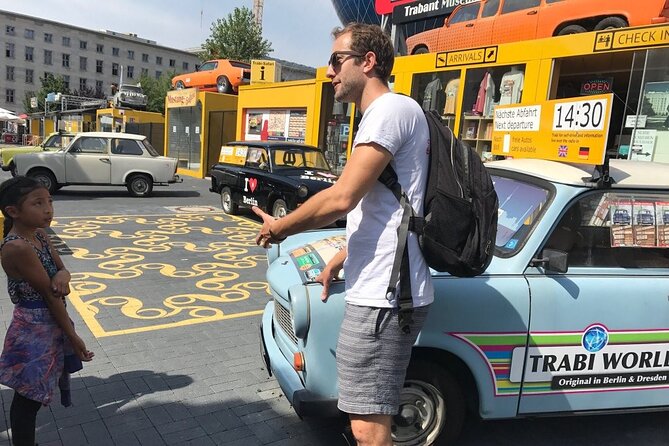
The listed price is $25.20 per person. For a three-hour guided walk in central Budapest, that can be fair value if the guide provides strong local context, useful recommendations, and a coherent route through several districts.
The tour description also says the guides work for tips and that you choose your own price. That creates a point you should clarify before booking. The online price and the tip-based description do not communicate the same payment model, so check how the charge and any expected tip work when you reserve.
There are no paid admissions listed. The stops are free, and bottled water is not included. That means your main expense beyond the booking price is likely whatever you choose to spend on drinks, food, or later visits based on the guide’s suggestions.
I see the best value for someone who wants orientation and local context early in a Budapest visit. A good guide can help you understand the 6th and 7th districts, then point you toward places worth returning to independently.
The value drops if you need a tightly scripted, specialist-level history tour. The maximum group size of 100 is large, and the experience depends heavily on the person leading it. The rating of 4.4 from 14 reviews is encouraging but not enough to erase the uneven guide reports.
Who Will Enjoy This Walk Most
I would recommend this tour to you if you:
- Like street art, public design, and changing city neighborhoods
- Want to see the 6th and 7th districts on foot
- Enjoy social tours with room for questions and recommendations
- Have already seen Budapest’s main monuments and want a different angle
- Want a broad introduction to the Jewish Quarter alongside modern urban culture
It may be less suitable if you want a private group, a guaranteed small party, or a highly academic treatment of Jewish history. It may also disappoint you if your main goal is a long list of famous murals, since outdoor artwork can change and the supplied details do not promise a fixed collection.
Bring comfortable shoes, your phone for the mobile ticket, and water, since bottled water is not included. Because the walk requires good weather, keep a little flexibility in your schedule.
Booking and Cancellation Details
You receive confirmation at booking, and most people can take part. The experience may be canceled if there are too few participants or if the weather is poor. In either case, you are offered another date or experience, or a full refund.
You can cancel for a full refund up to 24 hours before the start time. Cancellations or changes made within 24 hours are not refunded or accepted, and the cut-off follows local Budapest time.
Should You Book the Original Budapest Alternative Tour?
Book it if you want a friendly, central walking tour that mixes street art, the Jewish Quarter, and modern Budapest life. The route covers several useful areas in three hours, and the best version of the experience will give you ideas for the rest of your visit.
I would book with realistic expectations. The tour is not a private art seminar, and the group can be large. Guide quality is the deciding factor, with excellent reports about art, history, friendliness, and recommendations balanced by serious concerns about limited training and inaccurate historical information.
For $25.20, it is a reasonable choice for a first look at Budapest’s alternative culture. If accurate Jewish history is your top priority, consider pairing this walk with a dedicated heritage tour or museum visit. If you mainly want to see how public art changes the city’s everyday streets, this outing offers a useful and sociable introduction.
FAQ
Where does the Original Budapest Alternative Tour start?
It starts at St. Stephen’s Basilica, Budapest, Szent István tér 1, at 11:00 am.
How long does the tour last?
The tour lasts approximately three hours.
Which parts of Budapest does the tour visit?
The route includes Terézváros, the 6th District, the 7th District, Andrássy Avenue, and areas associated with the Jewish Quarter.
What street-art locations are included?
The listed stops include Lépcső Street Art and Színes Esernyők. The tour also discusses Budapest’s Colourful City, or Színes Város, movement.
Is admission to the stops included?
The listed stops have no admission charge. A local tour guide is included, but bottled water is not.
Where does the tour finish?
The end point varies, and the available details only identify it as Budapest, Hungary.
How large can the group be?
The experience can have a maximum of 100 participants.
Can I cancel for a refund?
Yes. You can receive a full refund if you cancel at least 24 hours before the start time. Cancellations within 24 hours are not refunded.
Just added around the world
- Your Own Belgrade: Street Art and Hidden Gems Walking Tour★ 5.0 · 2 reviews
- Xochimilco floating gardens, Coyoacan and UNAM murals★ 4.0 · 6 reviews
- Vienna Urban Art Tour: Explore a different side of Vienna!★ 3.8 · 14 reviews
- Wynwood Walls Street Art & Neighborhood Walking Tour★ 4.9 · 9 reviews
- Vancouver: Street Art & Craft Beer Walking Tour with Tasting★ 4.8 · 14 reviews
- Vancouver: Street Art & Craft Coffee Walking Tour w/ Tasting★ 4.8 · 11 reviews
- Urban Canvas: Osaka Street Art Bike Tour★ 5.0 · 10 reviews
- UNAM: Murals & Revolution★ 4.9 · 8 reviews
Budapest Street Art Tours, compared.
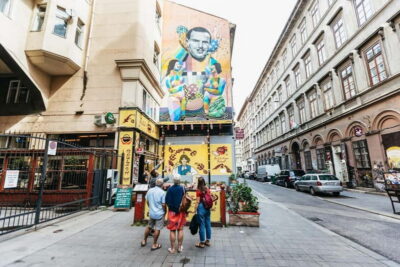
Street Art and Underground Movements Walking Tour
Read our review →
Alternative Street Art Free Walking Tour of Budapest
Read our review →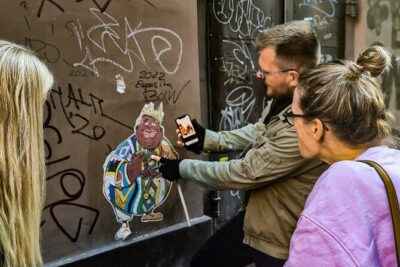

Budapest Vibe: Ruin Bars, Street Art and Culture Tour
Read our review →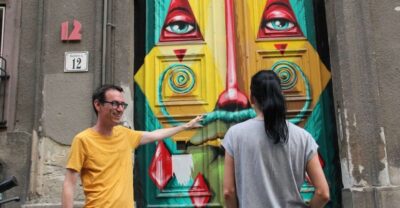
Browse the lists this tour appears in