
REVIEW · GRAFFITI TOURS
Tel Aviv: Street Art and Graffiti Tour
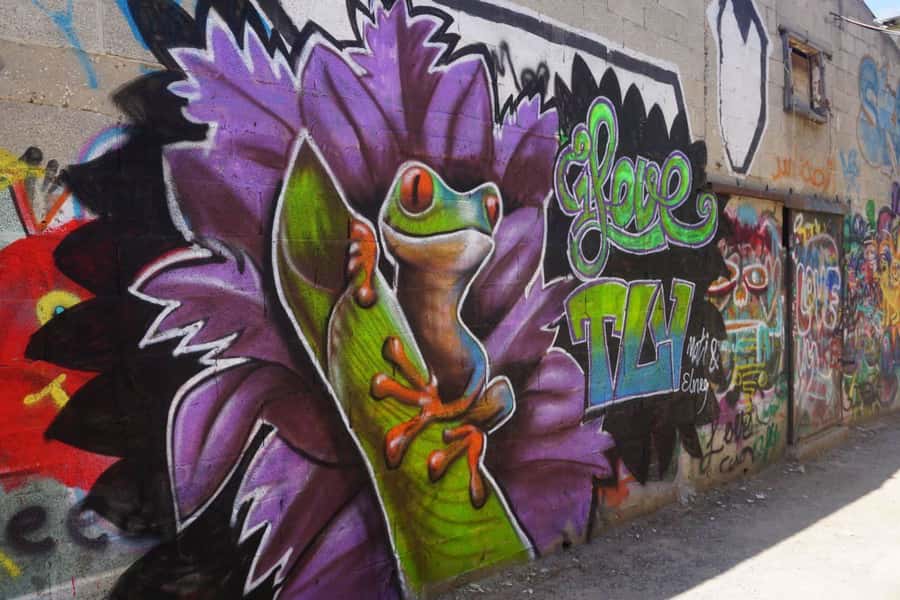
Tel Aviv’s street art is not just decoration. It is a public conversation, spread across walls, alleys, and everyday routes. This tour helps you read that conversation, from artist styles to the philosophical, psychological, and economic ideas behind graffiti. I like the close look at working artists, especially when a guide such as Shir can point out his own pieces. I also like that you explore on foot rather than view the art from a bus.
The main drawback is that the experience depends on a minimum of six participants. The meeting point changes with your selected route, and street art itself is always changing, so a piece you hoped to see may be painted over or gone.
Key points to know before you book
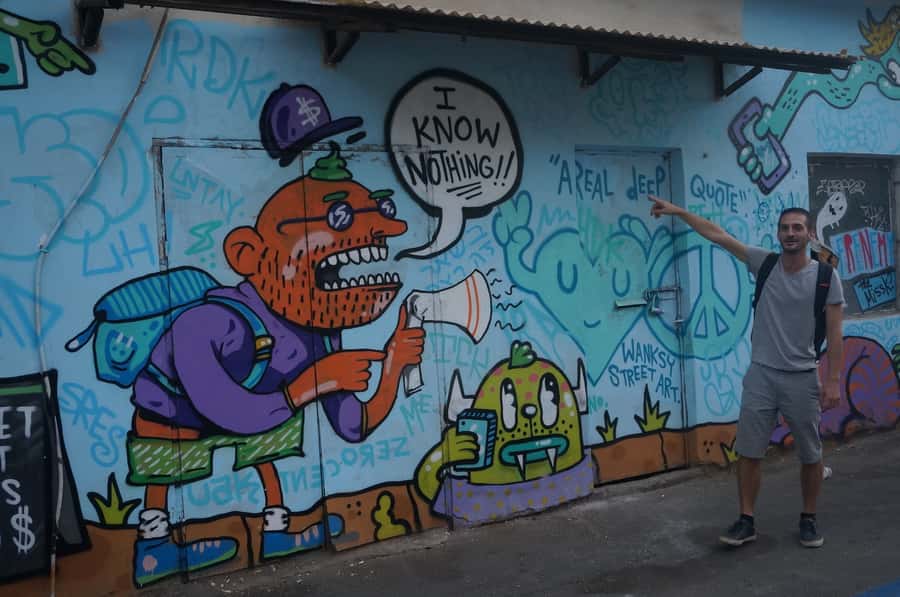
- Choose between two distinct routes: Explore Florentine or Ha’Mesila Park, depending on the option and meeting point you select.
- Learn the language of graffiti: The guide explains styles, artists, history, and the social and economic forces behind public art.
- Meet the scene through local insight: A guide such as Shir may reveal personal connections to works on the route, including his own art.
- Plan for a 90-minute to two-hour walk: Wear comfortable shoes and allow enough time for a thoughtful stroll through urban streets.
- English and Hebrew are available: The live guide can lead the tour in either language, with English support for international visitors.
- Check the group requirement: The tour runs only when at least six people are booked.
Why Tel Aviv graffiti deserves a closer look
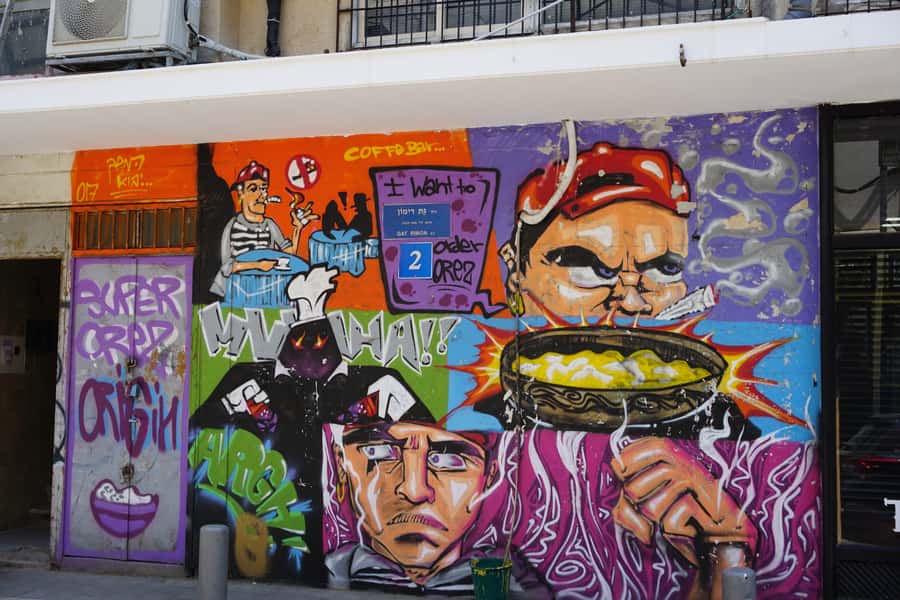
You can see painted walls all over Tel Aviv on your own. The difference here is learning how to look. A wall covered in color can seem like a single picture at first, but a guide can separate the lettering, symbols, characters, tags, and larger pieces into different styles and intentions.
That matters because graffiti is often temporary. Paint gets covered, buildings change, and new artists add their work. A guided walk gives you a snapshot of a scene that is always being rewritten. You are not simply collecting photographs. You are learning how to notice the next piece you encounter around the city.
The tour also treats street art as more than a visual attraction. You discuss philosophical and psychological questions, along with the economic side of urban art. That makes the walk useful for anyone who wants context rather than a quick parade of colorful walls.
I especially like the chance to hear about the many artists active in Tel Aviv. One particularly memorable format, described by a participant, involved guide Shir revealing that he was a graffiti artist only after stopping at one of his original works. That kind of personal connection can change the tone of the walk. Instead of hearing general facts about an anonymous scene, you may hear how an artist thinks about the city and his own work.
More Graffiti Tours in the world:
- Medellin: Comuna 13 Graffiti Tour, Cable Car & Street Food
★ 4.8 · 9,046 reviews - Wynwood Graffiti Golf Cart Small-Group Tour
★ 5.0 · 1,646 reviews - London: Street Art and Graffiti Guided Walking Tour
★ 4.9 · 1,354 reviews
Florentine: Tel Aviv’s street-level art route
Florentine is one of the two route choices. The supplied information does not promise a fixed list of walls or a set sequence of stops, and that is sensible for street art. The route can respond to what is currently visible and to the guide’s judgment on the day.
Expect to move through streets and alleyways where art forms part of the ordinary surroundings. The appeal is the mix of urban life and public artwork. You may be looking at a large wall one moment, then noticing smaller marks and details nearby that you would have walked past without guidance.
The guide’s job here is not only to point at a painting and name its creator. You can expect discussion of how graffiti developed, how artists use different techniques and styles, and why certain forms appear in public spaces. The tour is strongest when you take time to compare pieces rather than hurry from one photo stop to the next.
Florentine may suit you best if you want the classic street-art walk: alleyways, changing walls, and a close look at how artists use the city as a canvas. It is also a good choice if you enjoy neighborhoods where art is part of the daily setting instead of being separated into a museum.
The practical catch is that the exact meeting point and route depend on your booking choice. Check those details before you leave, since choosing Florentine does not necessarily mean the same starting point as the Ha’Mesila Park option.
Ha’Mesila Park: art along an urban public space
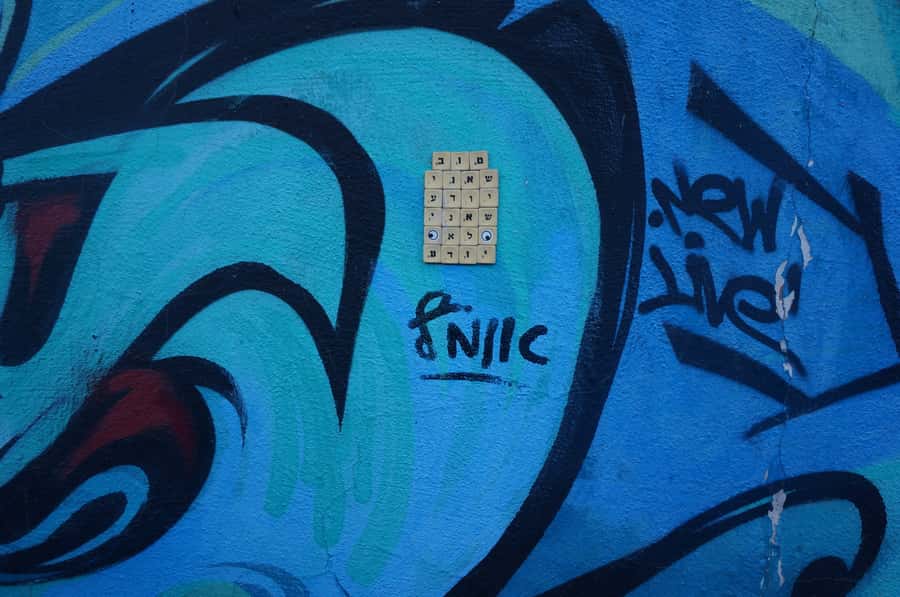
Ha’Mesila Park is the second route. The description presents it as another place to see colorful graffiti and understand Tel Aviv’s street-art scene, but it does not provide a detailed stop-by-stop plan. You should think of this as a guided exploration rather than a rigid sightseeing circuit.
A park route can offer a different relationship with the city’s art. Instead of focusing only on narrow streets and building walls, you may see how public artwork interacts with an open urban setting. That contrast can help you think about who sees graffiti, how people use public space, and how art changes the feel of a neighborhood.
The guide also brings the larger questions into the walk. You can discuss the psychological effect of street art, its place in public life, and the economic questions surrounding art that is made outside traditional galleries. These subjects give the tour more weight than a simple list of artists.
Choose Ha’Mesila Park if you prefer the idea of walking through a public park setting while still examining graffiti and urban art. Since the two routes are separate options, do not assume that you can switch between them during the tour. Pick the one that better matches the kind of walk you want.
The guide makes the difference
A street-art tour rises or falls with its guide. Names are not assigned in advance in the supplied details, but Shir has led at least one memorable tour and is also a graffiti artist whose work appears around Tel Aviv. If he leads your walk, you may get first-hand insight into the scene as well as the standard background.
That personal connection is valuable because graffiti can be difficult to interpret from the outside. An artist can explain why a piece looks the way it does, how artists develop a visual identity, and what it means to work in public space. Even when your guide is someone else, the stated focus on artists and styles gives the walk a useful structure.
You can book the tour in English or Hebrew. If you are the only person in a mixed-language group, clear communication matters. One English-speaking participant described a guide who made sure she understood the conversation when the rest of the group spoke Hebrew. That is the kind of small but important care that keeps an international visitor included.
The best guides also know when to slow down. Street art rewards attention. If the guide points out a detail, artist signature, or difference in style, take a moment to look before moving on. You will likely remember the method of looking long after you forget the name of one wall.
A few more street art tours around the world worth a look
- Moco Museum Amsterdam Entrance Tickets with Banksy & More
★ 4.4 · 10,088 reviews - CDMX: Xochimilco, Coyoacan, Frida Kahlo Museum & Murals Tour
★ 4.4 · 3,025 reviews - Moco Museum Barcelona Banksy & More
★ 4.6 · 2,340 reviews - Amsterdam: Streetart Museum STRAAT Entrance Ticket
★ 4.8 · 2,137 reviews
What the walk actually teaches you
The tour covers the history of graffiti and the different styles found in this changing art form. The material is not limited to dates or names. You also discuss the role of art in public space and how it enters your daily surroundings without asking permission.
The philosophical angle may lead you to consider who has the right to alter a wall or define the look of a neighborhood. The psychological angle looks at how public images affect the people who pass them. The economic angle raises questions about art, property, neighborhoods, and the value attached to creative work.
These subjects can sound academic, but the streets keep the conversation practical. You are looking at actual works while discussing the ideas behind them. That is the tour’s best quality: the concepts stay tied to things you can see.
You should not expect a studio visit, a graffiti workshop, or a chance to paint your own piece. Those are not included. The experience is a walking tour with a local guide, focused on seeing, interpreting, and discussing existing public art.
A good choice for families and older children
This tour can work well for families, particularly if your children or teenagers enjoy art, photography, design, or city culture. One family found that even jet-lagged teens stayed interested and began noticing new works after the tour ended. That makes sense: once you learn a few visual clues, a normal walk through Tel Aviv becomes a small art hunt.
The walk also offers variety for adults. You can focus on the history of graffiti, the artists, the social questions, or the look of the neighborhood. You do not need formal art training. The guide’s role is to give you ways to understand what you are seeing.
The 90-minute to two-hour length is long enough to build a real picture of the scene without taking up your entire day. It is still a walking tour, so consider your comfort with being on foot. The activity is listed as wheelchair accessible, but the exact route and surface conditions are not detailed, so it is wise to confirm route specifics before booking if you have mobility concerns.
Price and practical value at $58
At $58 per person, this is not the cheapest way to see painted walls. You can walk through parts of Tel Aviv without paying anything. The value comes from the guide’s interpretation and from access to local knowledge that is hard to gather quickly on your own.
The price includes a local English-speaking guide. Food and drinks are not included, so plan to eat before or after the walk rather than expecting refreshments along the way. The tour can last up to two hours, which gives you a substantial introduction to Tel Aviv’s urban-art scene.
I would consider the price reasonable if you want context, artist information, and a focused route. It is less compelling if you only want a short photo walk or if you already know the city’s graffiti scene well. The possibility of a practicing artist such as Shir leading the route adds particular value, though no specific guide is guaranteed.
A 5 out of 5 score across 36 ratings suggests strong satisfaction, but I would still judge the tour by your interests. The most consistent strengths are the guides’ enthusiasm, their ability to explain the subject clearly, and the personal feel of the experience. One participant described the walk as a way to understand Israeli life, not just street art. That is an important distinction.
Timing, group size, and route planning
The experience lasts between 90 minutes and two hours, and starting times depend on availability. Leave a little space before and after the scheduled period, especially if you are connecting to another activity.
A minimum of six participants is required. This is the biggest booking consideration. If your group is small, confirm that the tour has enough people before arranging your day around it.
The meeting point varies by route. Check whether you booked Florentine or Ha’Mesila Park and use the meeting details for that specific option. Do not rely on a general Tel Aviv address.
Cancellation is free up to 24 hours before the activity for a full refund. You can also reserve now and pay later, which is useful if you are still arranging your schedule. These policies do not change the experience itself, but they make it easier to fit the walk into a trip with uncertain plans.
How to get the most from your street-art walk
Wear comfortable shoes and keep your eyes open between formal stops. The point of the tour is partly to train your attention, so the best discoveries may be small details near the main works.
Bring a camera if you like photographing public art, but listen before you start shooting. A guide may explain a symbol, style, or artist connection that gives the picture meaning.
Ask questions. The tour specifically invites discussion of artistic, social, psychological, and economic issues, so you do not have to limit yourself to asking who painted a wall. If you are traveling with children, ask the guide to point out differences in style and let them choose which works they find most interesting.
Finally, accept that some art may have changed. That is not a flaw in the tour. Temporary work is part of the nature of graffiti, and learning to notice the city as it changes is one of the main benefits.
Should you book the Tel Aviv Street Art and Graffiti Tour?
Book it if you want more than photographs. The tour suits first-time visitors, families with art-minded children, design fans, and anyone curious about how public art reflects city life. It is especially worthwhile when a guide with direct experience, such as Shir, brings personal knowledge to the route.
Skip it if you prefer a self-guided walk, dislike urban walking, or want a hands-on painting activity. You should also check the six-person minimum and route meeting point before committing.
For most curious visitors, I would book it. The best payoff is not one famous wall. It is learning how to read the many layers of Tel Aviv’s streets after the tour is over.
FAQ
How long does the Tel Aviv Street Art and Graffiti Tour last?
The tour lasts between 90 minutes and two hours. Starting times depend on availability.
What neighborhoods or areas does the tour visit?
You can choose between a Florentine neighborhood route and a Ha’Mesila Park route. The meeting point varies with the option selected.
What does the tour cost?
The listed price is $58 per person.
What is included in the price?
A local English-speaking guide is included.
Are food and drinks included?
No. Food and drinks are not included.
What languages are available?
The live guide can lead the tour in English or Hebrew.
Is the tour wheelchair accessible?
Yes, the activity is listed as wheelchair accessible.
Is there a minimum number of participants?
Yes. The tour requires at least six participants.
Can I cancel for a refund?
You can cancel up to 24 hours in advance for a full refund.
Can I reserve now and pay later?
Yes. You can reserve your place and pay later, allowing you to keep your plans flexible.
Just added around the world
- Your Own Belgrade: Street Art and Hidden Gems Walking Tour★ 5.0 · 2 reviews
- Xochimilco floating gardens, Coyoacan and UNAM murals★ 4.0 · 6 reviews
- Vienna Urban Art Tour: Explore a different side of Vienna!★ 3.8 · 14 reviews
- Wynwood Walls Street Art & Neighborhood Walking Tour★ 4.9 · 9 reviews
- Vancouver: Street Art & Craft Beer Walking Tour with Tasting★ 4.8 · 14 reviews
- Vancouver: Street Art & Craft Coffee Walking Tour w/ Tasting★ 4.8 · 11 reviews
- Urban Canvas: Osaka Street Art Bike Tour★ 5.0 · 10 reviews
- UNAM: Murals & Revolution★ 4.9 · 8 reviews
Graffiti Tours, compared.

Comuna 13 Graffiti Tour, Cable Car & Street Food
Read our review →



Brooklyn Graffiti & Street Art Walking Tour in Bushwick
Read our review →
Medellín: Comuna 13 Tour with Snacks And Your Own Graffiti
Read our review →Browse the lists this tour appears in