
REVIEW · GERMANY
Munich: Street Art Bike Tour
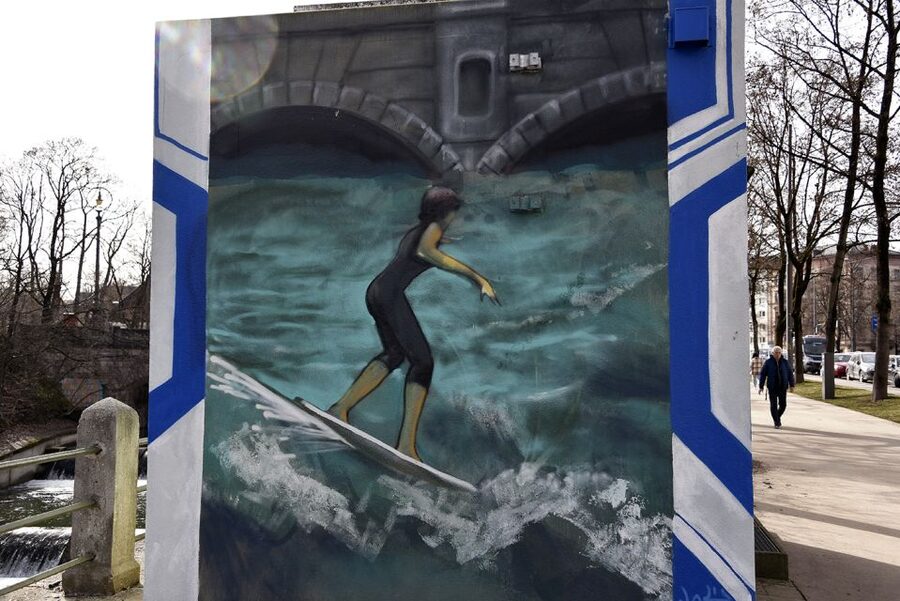
Munich’s polished streets hide a wilder past: in the 1980s, this city helped launch Germany’s graffiti movement. This 210-minute bike tour follows that story from Marienplatz to the Isar, Giesing, and the slaughterhouse district, where murals and painted walls show a less familiar side of Bavaria’s capital.
I like the route for two clear reasons: it takes you away from the usual sights and it connects the artwork to Munich’s graffiti story. I also like the practical mix of cycling and short stops, with rental bikes included. The main catch is the German-only guiding, and three and a half hours may feel long for younger children.
Key points of the Munich Street Art Bike Tour
- Munich’s 1980s graffiti roots: Learn why the city became a major name in European graffiti alongside New York.
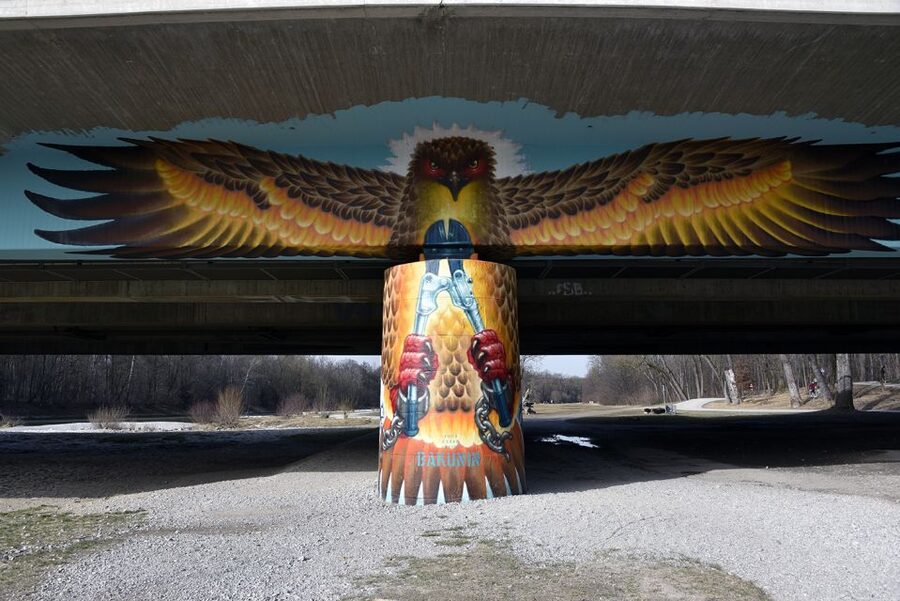
- A ride beside the Isar: See painted walls and other art along the river, away from the busiest central streets.
- Giesing beyond the postcard view: Cycle through a former working-class district that many first-time visitors miss.
- Old masters and newer artists: Compare landmark works from artists who shaped the scene with more recent pieces.
- A railway bridge break: Pause on a boat near the bridge in the slaughterhouse district.
- A German-guided ride with bikes included: Guide Ulrike has received especially strong praise for her patience and explanations.
Why Munich is an unexpected street art city
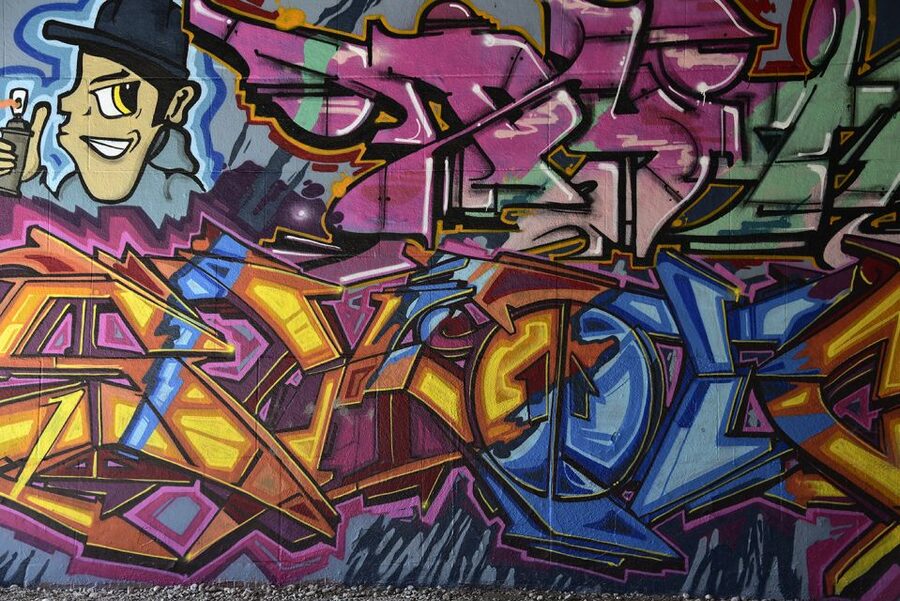
Munich is known for grand squares, elegant shopping streets, museums, and tidy façades. That makes its graffiti past easy to overlook. Yet the city played an important role in Germany’s graffiti movement during the 1980s, when Munich was regarded as a European center for the form, alongside New York.
That background gives this ride more substance than a simple search for colorful walls. You are not only looking at what has been painted. You are learning how graffiti became part of Munich’s urban culture, and how older work sits beside newer art.
I especially like that the tour does not treat every painted surface as interchangeable. The focus is on artists, style, and the people who helped shape the scene. You can expect facts about the history of graffiti as you move through the city, rather than a string of photo stops with little explanation.
The contrast with Munich’s formal center is part of the fun. Start at Marienplatz, where the city’s tourist machinery is at full speed, then pedal toward places with a more local and industrial character. The route changes your view of Munich without requiring a full day or a complicated transport plan.
More Street Art Bike Tours in Germany:
- Cologne: Ehrenfeld Street Art Bike Tour
★ 4.9 · 105 reviews - 3-Hour Cologne Street Art Bike Tour in Small Group with Guide
★ 4.5 · 20 reviews - London Bike Tour: Landmarks, Secret Gems, Pub Stop & Street Art
★ 5.0 · 943 reviews
Starting at Marienplatz with a yellow tour sign
The meeting point is in front of the Tourist Information Office at Marienplatz. Look for a guide holding a yellow street art tour sign with red letters. This is useful in a busy square, where several groups may gather at the same time.
Marienplatz is an easy place to reach and a sensible starting point for a first visit. It also sets up the tour’s main contrast. You begin in the city center, surrounded by Munich’s famous historic architecture, then leave the postcard streets behind on two wheels.
Rental bikes are included, so you do not need to arrange a separate bicycle hire. The supplied information does not specify the bike model or riding equipment, so I would keep your clothing practical and comfortable. You will be cycling for a long stretch, with stops along the way.
The tour is guided in German. That matters. If you do not speak German, you may miss some of the detailed history and artist information. Still, guide Ulrike has shown patience with English-speaking visitors and made a real effort to explain the subject clearly, even when the scheduled language was German.
A private group option is available. That could be useful if your party has a particular interest in graffiti, wants a more personal pace, or includes people who need extra explanation in English. The exact private-group arrangements are not specified, so check the available option before booking.
Following the Isar and its painted walls
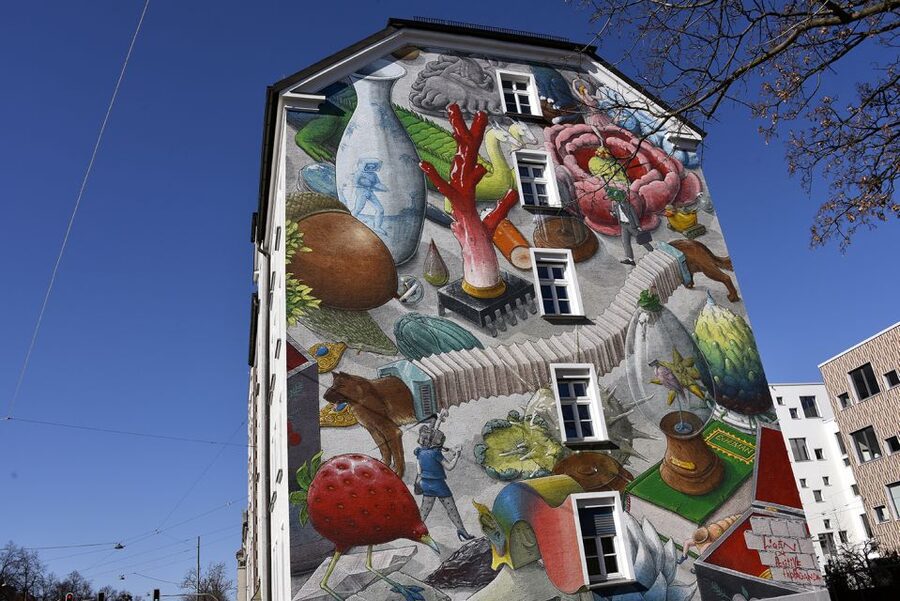
The first major change of scenery comes as you ride toward the Isar. The river gives the route breathing room and lets you see how street art appears outside the city’s formal center.
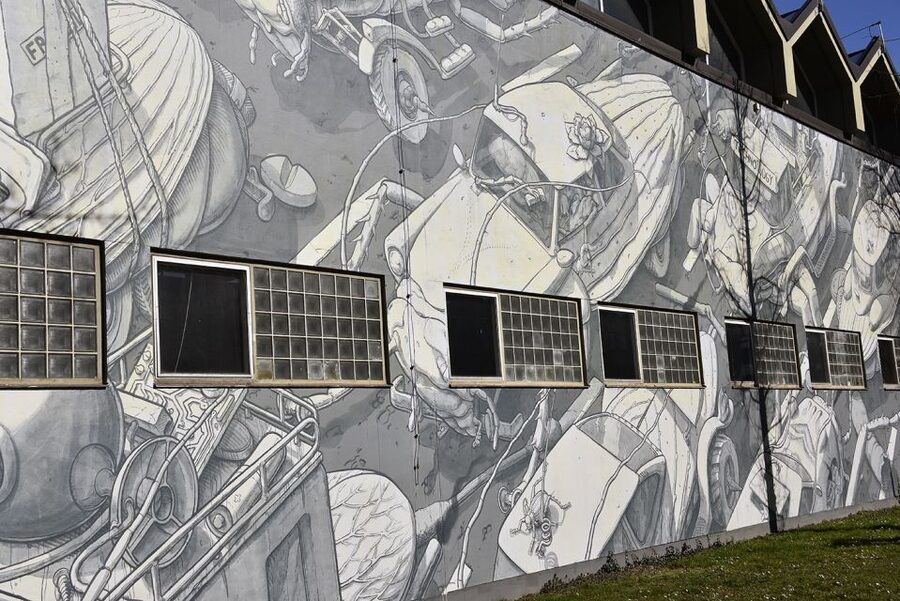
The Isar section is valuable because it makes the art part of the city rather than a collection in a gallery. You may see work placed along routes used by local residents, with the river acting as a natural thread through the ride. The tour description specifically highlights marks left by artists along the Isar, so this is one of the core parts of the experience.
This is also where the bicycle format earns its price. A walking tour could cover central murals, but the bike lets you reach several districts in one outing. You spend less time transferring between points and more time seeing how Munich changes from one neighborhood to the next.
The pace should still be understood correctly. This is not a race or a long-distance cycling challenge. It is a guided city ride with art stops and explanations. Even so, the total duration is 210 minutes, so anyone unused to cycling should consider that before booking.
The river section also helps break up the information. Graffiti history can become a lot to absorb when you stand in one place for too long. Moving between walls, bridges, and neighborhoods keeps the tour active.
Giesing, where the route leaves the tourist center
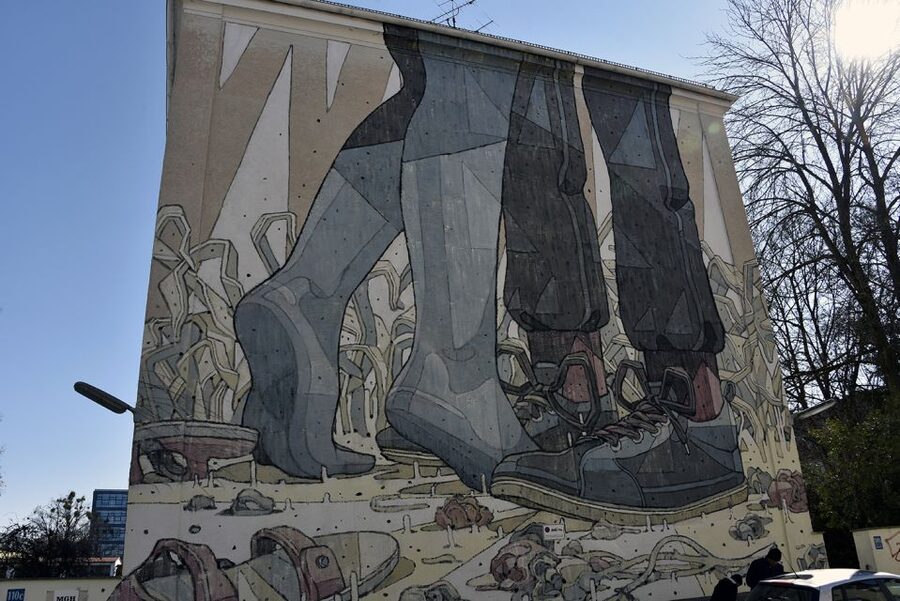
From the Isar, the route heads toward Giesing, a former working-class neighborhood. This is one of the tour’s strongest choices. Giesing gives you a part of Munich that is not usually included in a first sightseeing circuit.
The district helps explain why a bicycle tour can show more than a standard city walk. You are not confined to Marienplatz, the old town, or the major museums. You get a sense of Munich beyond its polished center, with street art acting as a guide to areas that have a different visual character.
The route is not presented as a general architecture tour of Giesing. Its focus remains on street art and graffiti. That distinction is useful because you should book this for the art story, not for a broad survey of every neighborhood landmark.
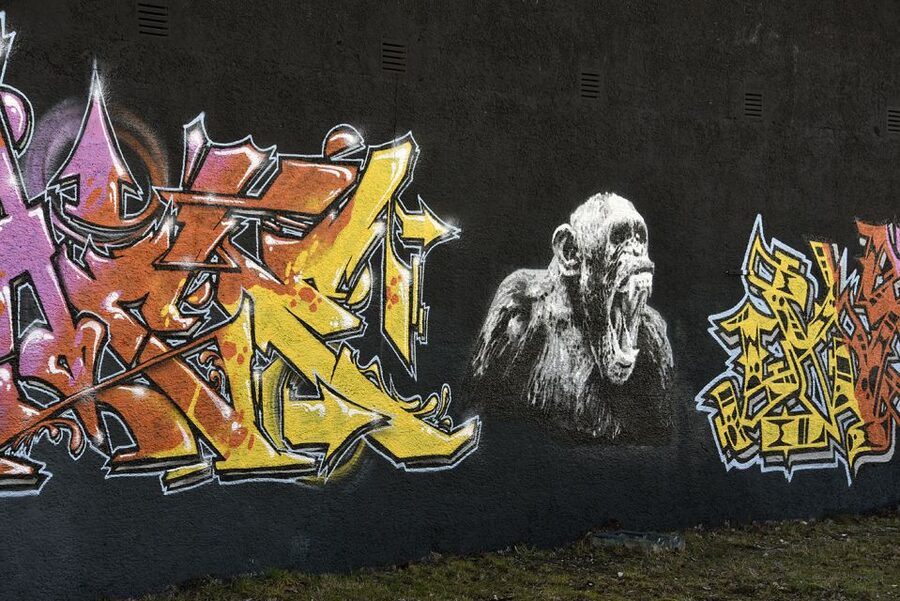
The tour also introduces the idea of artistic generations. You pass works by established artists connected with Munich’s graffiti culture, along with pieces by newer names. I like this approach because it keeps the subject alive. The story does not end with the artists of the 1980s.
Expect the guide to provide context as you go. The strongest part of a street art tour is often the information you would not get from simply passing a wall on your own: who made it, how the scene developed, and why particular places matter. The tour is designed around that explanation.
More Bike Tours in Germany:
- London: Landmarks & Secrets Bike Tour with Pub & Street Art
★ 4.9 · 314 reviews - Mexico City; ART NACO : Murals & Street Art Bike Tour
★ 5.0 · 284 reviews - Mexico City: Art Naco, murals & street art bike tour
★ 4.7 · 166 reviews - Street Art Bike Ride
★ 5.0 · 125 reviews
The slaughterhouse district and a boat break
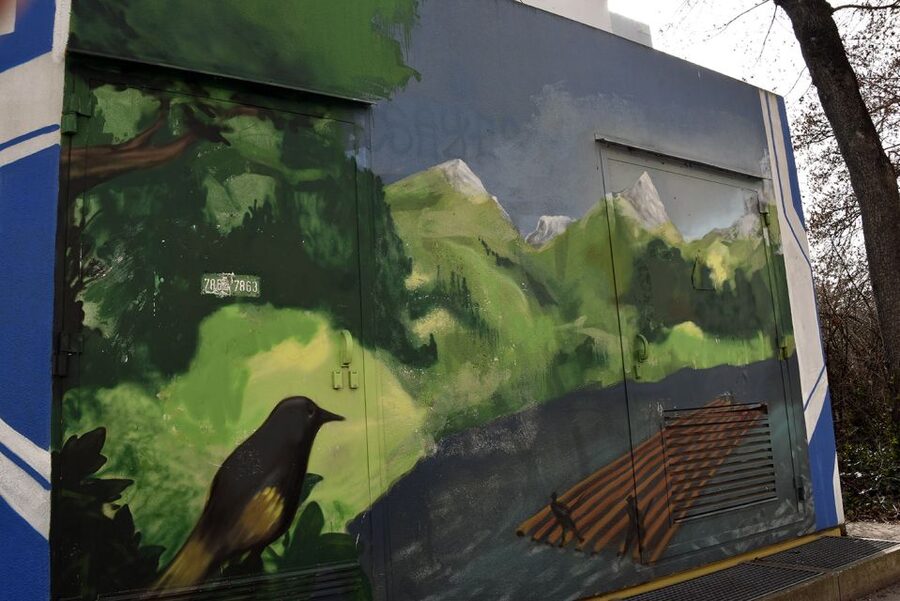
After Giesing, the route continues toward Munich’s slaughterhouse district. This adds an industrial note to the day and keeps the route firmly off the standard sightseeing path.
The district is also where you can enjoy a break on a boat near a railway bridge. That pause is a welcome detail in a three-and-a-half-hour outing. It gives you time to rest, take in the surroundings, and let the art and history settle before continuing.
The railway bridge setting fits the theme well. Street art often appears in places shaped by transport, industry, and large blank surfaces. I cannot promise a particular mural or exact view at the stop, since the supplied details do not identify individual works, but the combination of boat, bridge, and industrial district is one of the route’s more distinctive moments.
This stop may also help families. One parent described the ride as too long for a 12-year-old, while another family found that children aged 10 and 12 enjoyed it and stayed interested for several hours. That tells you the experience can work for children, but attention spans and interest in cycling will matter.
Children under 10 are not permitted. The tour is also not suitable for wheelchair users, which is important because the experience depends on cycling between several outdoor locations.
Seeing old masters beside newer artists
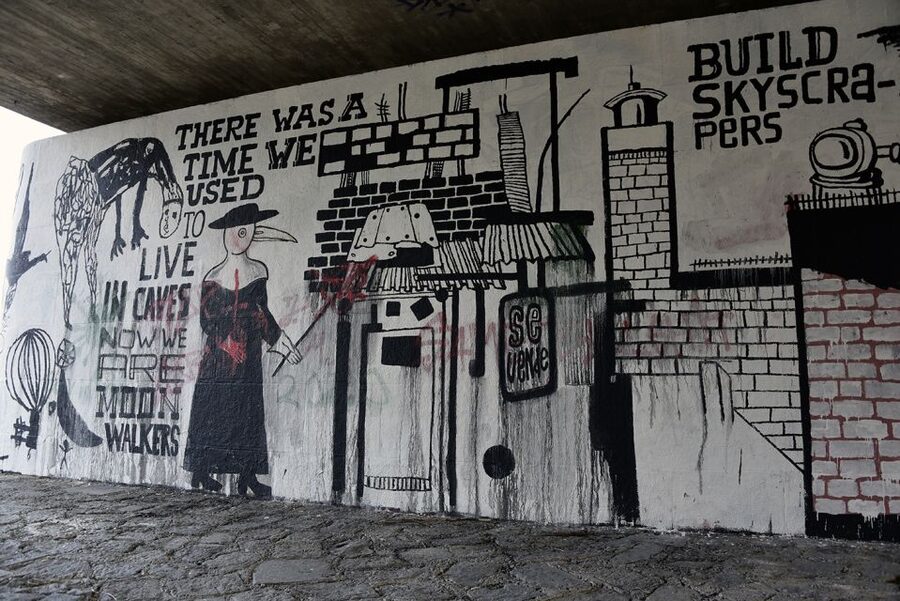
The tour includes work by artists who helped shape Munich’s graffiti culture and by up-and-coming artists. That range is more useful than a route built only around famous names.
Older pieces provide the historical anchor. They show how Munich became associated with graffiti in the 1980s and help explain why the city was once considered a mecca for artists. Newer work shows that the scene is not simply a museum piece from that decade.
Street art can change quickly. Paint fades, buildings are altered, and new work appears over older work. For that reason, I would treat the exact walls as part of a changing city rather than a fixed checklist. The guide’s knowledge of current spots is likely to matter as much as the route itself.
You should also expect different kinds of art. The description refers to colorful, energy-filled art forms, but the precise styles and artists are not listed. That means the experience is best for someone who enjoys discovery and explanation, not someone who wants a guaranteed list of specific murals.
One useful detail from the tour feedback is a mural featuring fruit and vegetables, along with an unusual note about Aldi advertising paint in Weinbauernstraße. The paint was identified as photocatalytic, a technical detail that shows how the tour can touch on more than classic graffiti. You may hear similar side facts that connect public art with advertising, materials, and urban design.
What the German-language guiding is like
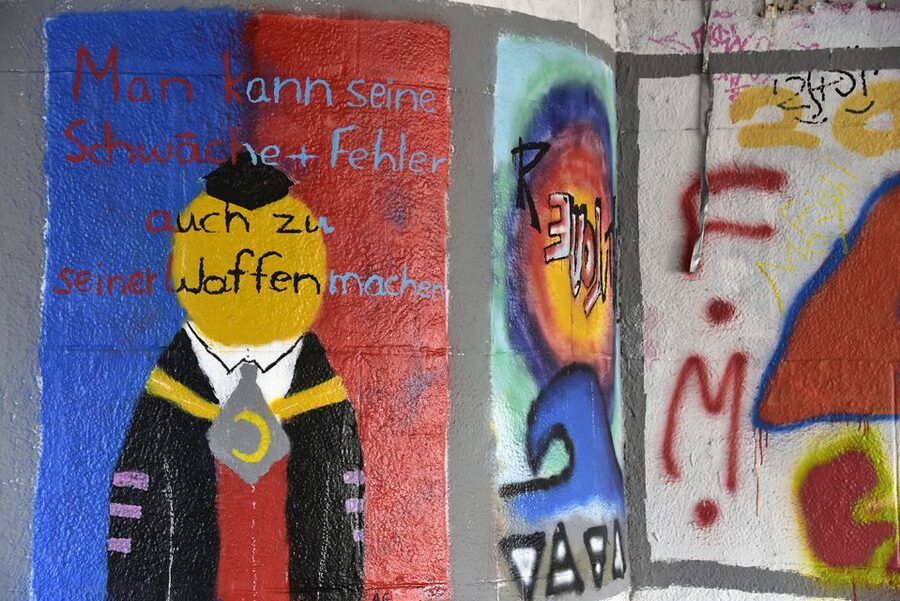
The official tour language is German. If you understand German, you should get the full benefit of the guide’s explanations, jokes, and historical detail.
If you speak English, do not assume the tour will be fully translated. However, Ulrike has made a strong effort to explain the material to English-speaking groups. Her patience and friendly manner have been singled out, and she has also been praised for adapting when rain turned a group tour into a private outing.
That kind of flexibility can make a big difference on a subject that depends on context. Looking at a mural is easy. Understanding its place in Munich’s street art story is harder, especially if you are hearing the language only partly.
I would still contact the operator if language is central to your decision. The stated language is German, and individual guide availability can change. Book this confidently if you speak German, or if you are comfortable with a visual tour supported by some English explanation when available.
Is $40 a fair price for 210 minutes?
At $40 per person, the cost is reasonable if you want a guided experience that combines transportation, local history, and art. Rental bikes are included, and the tour lasts three and a half hours. You are paying for access to a spread-out subject, not just a short walk around a few central walls.
The value is strongest for first-time visitors who would not know how to find Giesing, the Isar art spots, or the slaughterhouse district on their own. The guide also saves you from researching Munich’s graffiti history and trying to connect isolated works into a story.
The price may feel less attractive if you only want to take photographs of murals. You could see some public art independently, but you would lose the route planning and explanation that make the tour different from a casual bike ride.
A private group option adds another possible value point for families or friends. A smaller setting can make it easier to ask questions and adjust the pace, though the price and conditions for that option are not provided.
The booking terms are friendly: you can cancel up to 24 hours before the activity for a full refund, and a reserve-now, pay-later option is available. Those policies are useful if your Munich schedule depends on weather or changing plans.
Who should book this Munich bike tour?
I would choose this tour if you have already seen the main center or want an alternative introduction to Munich. It suits adults, older children, photographers, design fans, and anyone curious about how graffiti developed in Germany.
It is particularly good for you if:
- You enjoy learning the story behind public art.
- You want to see Giesing and the industrial side of Munich.
- You are comfortable cycling for several hours.
- You speak German, or you are prepared for a German-guided experience.
- You prefer small-group or private touring options.
I would think twice if you dislike bicycles, want a short activity, need wheelchair access, or are booking for children under 10. Families with children aged 10 and 12 may have a good time, but the length can test a younger child’s patience.
Rain is another practical consideration. The tour can still become a more personal experience in wet weather if the group changes, but the route is outdoors and cycling conditions will affect comfort. Wear clothes suited to the forecast and avoid treating this as a quick indoor activity.
Should you book the Street Art Bike Tour?
Book it if you want Munich beyond the old town, especially if graffiti, urban art, and local neighborhoods interest you. The route links the Isar, Giesing, and the slaughterhouse district into one outing, while the guide supplies the historical thread that makes the paintings worth stopping for.
The strongest reasons to go are the 1980s graffiti connection, the access to areas many visitors skip, and the chance to see older artists alongside newer work. Guide Ulrike has been especially praised for patience and clear effort with English-speaking groups.
Skip it if you need an English-language tour guaranteed in advance, cannot cycle, or want a short activity with little physical commitment. For everyone else, $40 is a fair price for 210 minutes of guided riding, local context, and a side of Munich that is easy to miss.
FAQ
How long does the Munich Street Art Bike Tour last?
The tour lasts 210 minutes, or three and a half hours.
How much does the tour cost?
The listed price is $40 per person.
Where does the tour meet?
Meet in front of the Tourist Information Office at Marienplatz. The guide will hold a yellow street art tour sign with red letters.
What language is the tour conducted in?
The stated tour language is German. Private groups are available, and guide Ulrike has made an effort to explain the tour to English-speaking participants.
Are rental bikes included?
Yes. The tour includes a guide and rental bikes.
Which parts of Munich does the route visit?
The route includes the Isar river, Giesing, and the slaughterhouse district. It begins at Marienplatz.
Are children allowed on the tour?
Children under 10 are not allowed. The tour can suit older children, but the three-and-a-half-hour duration may feel long for some 12-year-olds.
Is the tour suitable for wheelchair users?
No. The experience is not suitable for wheelchair users.
Can I cancel the tour for a full refund?
Yes. You can cancel up to 24 hours in advance for a full refund. You can also reserve now and pay later.
Just added around Germany
- Art Nouveau Meets Street Art in Munich (Max. 12 guests)★ 5.0 · 3 reviews
- Alternative Hamburg Private Alternative Street Art Tour★ 4.5 · 6 reviews
- Street Art Tour Dresden Neustadt★ 4.0 · 15 reviews
- 3-Hour Cologne Street Art Bike Tour in Small Group with Guide★ 4.5 · 20 reviews
- Explore Cologne’s best Street Art Quarter★ 4.5 · 4 reviews
- Open graffiti workshop in the Mauerpark in Berlin★ 5.0 · 2 reviews
- Berlin Private Street Art Tour – Off The Grid★ 5.0 · 9 reviews
- Alternative Berlin & Street Art Tour★ 4.5 · 14 reviews
Germany Street Art Tours, compared.
Dresden: Neustadt District Street Art Guided Walking Tour
Read our review →

East Meets West: Berlin Food Culture & Street Art
Read our review →
Browse the lists this tour appears in