
REVIEW · AUSTRALIA
Fremantle: Convicts, Culture, and Street Art
Fremantle’s best stories are not all inside museums. They sit in the old port, narrow West End streets, prison walls, and bits of street art that can be easy to miss. This two-hour walking tour links those places with tales of convicts, whalers, migrants, Indigenous people, and hard-edged sailors.
I like the route for two reasons: it gives you a useful first look at central Fremantle, and it treats history as a series of human stories rather than a list of dates. I also like the relaxed pace and local advice, with guides such as Winona, Vaughan, Joanie, and Daniel adjusting their talk to the group.
The main consideration is that this is an outdoor walking tour, not a deep visit inside every landmark. You will need comfortable shoes and weather-ready clothing, especially from April through August, when cold rain can roll in.
Key points to know before you book
- Convict history with real consequences: Learn why nearly 10,000 men were sent from Great Britain and Ireland and how they helped build Fremantle’s prison.
- A broad central Fremantle route: Walk from Kings Square through the cappuccino strip, boat harbour, West End, High Street, and the Roundhouse area.
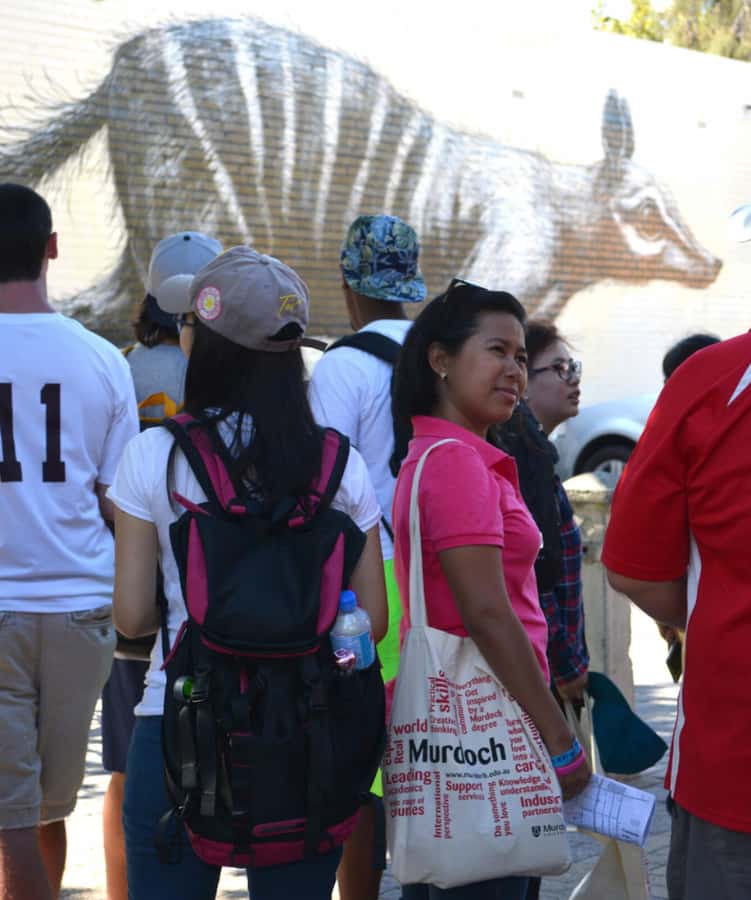
- Street art with local context: Look beyond the paint itself and hear how public art reflects Fremantle’s stories and changing culture.
- Guides shape the experience: Winona, Vaughan, Joanie, and Daniel are among the local hosts praised for clear storytelling and easy conversation.
- Good value for a first orientation: At $46, the tour combines two hours of guiding, history, local tips, and a walk through several major parts of town.
- Plan for the weather: The tour is wheelchair accessible, but outdoor surfaces and changing weather still make sensible clothing important.
Why Fremantle’s past works best on foot
Fremantle is compact enough for a walking tour, but its past is spread across several very different settings. The port points to migration and maritime trade. The old streets reveal how commerce and settlement grew around that port. The Roundhouse and nearby convict sites bring a harder story into view.
That mix gives the tour its purpose. You are not simply looking at old buildings. You are moving between the places where Fremantle’s stories happened, with a guide explaining how they fit together.
The tone is intended to be lively rather than classroom-like. You can expect factual history, local anecdotes, funny details, and darker episodes. Prison escapes and convict antics sit alongside the forced removal of Indigenous people to Rottnest Island, so the tour covers both the colorful and painful parts of Fremantle’s past.
I appreciate that balance. A port town is never just a postcard. It is built by people arriving, working, trading, resisting, and sometimes being pushed aside. A good guide can help you hold those different stories together without making the walk feel heavy from start to finish.
A few more street art tours around Australia worth a look
- Melbourne Street Art Tour
★ 5.0 · 378 reviews - PERTH BAR+STREET ART TOUR: Hidden Secrets, Laneways + Good Times!
★ 5.0 · 183 reviews - Melbourne: Street Art Walking Tour with a Street Artist
★ 4.9 · 147 reviews
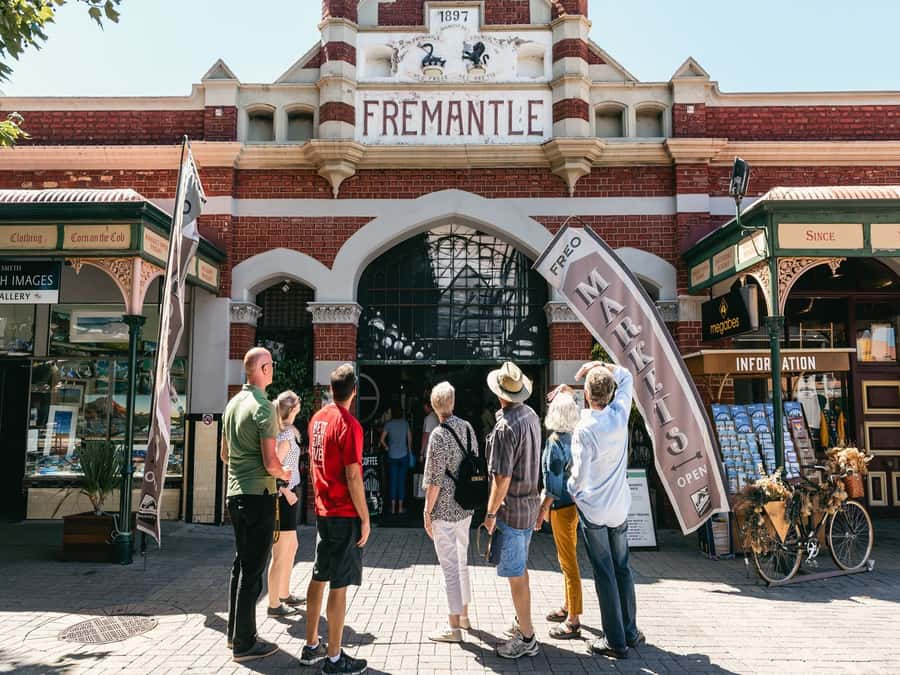
Starting at Kings Square and the Fremantle Visitors Centre
The meeting point is the Fremantle Visitor Information Centre at Kings Square. This is a practical place to begin because you are already in central Fremantle, with shops, cafés, and other sights nearby.
Your guide meets you there and sets the tone for the walk. The experience is offered in English, with a live local host rather than an audio recording or a self-guided route. That matters because you can ask questions as the story develops.
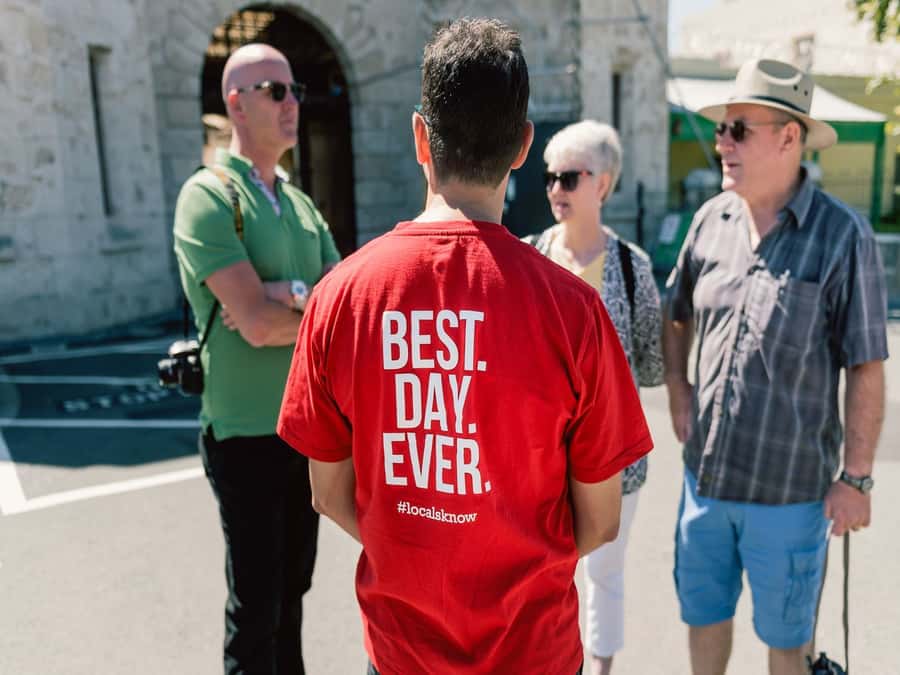
The guides bring different personalities to the walk. Winona is described as easygoing and especially good at shaping the discussion around what the group wants to learn. Vaughan is praised for explaining the area clearly and for pointing people toward museums worth visiting later. Joanie is noted for a relaxed, informative style, while Daniel is described as both personable and well informed.
Those details suggest an important strength: you are not locked into a stiff script. The core route and themes remain, but the conversation can shift depending on your questions.
The cappuccino strip and Fremantle’s everyday character
From Kings Square, the route moves through the cappuccino strip, where cafés and foot traffic show you present-day Fremantle. This section helps connect the old port town with the place you see now, a social center with food, markets, art, and a strong local identity.
The value here is less about a single landmark and more about orientation. You start to see how Fremantle’s historic core functions as a living town rather than a preserved set of façades.
Your guide may point out details you would otherwise pass without thought. Street art, old buildings, and small urban corners can carry clues about the town’s changing culture. The street-art element is particularly useful for people who want more than architecture. You learn to read the artwork as part of Fremantle’s public conversation, not just as colorful decoration.
Do not expect a separate street-art workshop or a long stop at every mural. The art is woven into a broader history walk. That makes it a good choice if you want several themes in one outing, but less suitable if street art is your only priority.
The boat harbour and Fremantle’s maritime past
The boat harbour shifts the focus toward the sea. Fremantle grew through its port, and the waterfront helps explain why sailors, migrants, workers, and traders all became part of the town’s story.
Here, the talk turns to whaling stations, maritime work, and the people who made their living around the water. The stories are not presented as polished tales of progress. You hear about a rougher town shaped by hard labor, travel, risk, and survival.
This is also where the migration story becomes more tangible. Fremantle served as a gateway for people arriving in Western Australia, and the port brought together communities with very different backgrounds. Your guide explains how those arrivals added to the town’s multicultural character.
The harbor is a good place to pause and picture that movement. Ships came and went, while the town absorbed new workers and families. The experience does not require you to know the full story beforehand. The guide fills in the links as you walk.
Same walls, a different guide:
- Sydney Street Art & Food Tour
★ 5.0 · 120 reviews - Brisbane Small Bars and Street Art Tour
★ 5.0 · 34 reviews - Street Food & Street Art, Backroads & Boroughs
★ 5.0 · 23 reviews - Paint and Palate Street Art Tour with Food
★ 5.0 · 21 reviews
West End streets and the stories behind the façades
The narrow streets of Fremantle’s West End provide some of the most atmospheric walking on the route. You get a closer look at the older urban fabric, with buildings and lanes that feel removed from the open waterfront.
This section is well suited to a guide-led visit because the details are easy to overlook. A façade may look attractive, but the story behind it can explain what the street was used for, who worked there, or how the port shaped the neighborhood.
The tour’s storytelling also brings in local characters. Fremantle’s early residents included sailors, prisoners, migrants, business owners, and people living on the margins. The guide’s job is to show you the human friction between those groups.
You may hear tales of escape attempts and convict behavior that bring the penal system to life. These stories can be amusing, but they also show how tightly controlled life was for transported prisoners. Nearly 10,000 men were sent from Great Britain and Ireland, and convicts were used to build infrastructure that helped shape Western Australia.
That is a major reason I would choose this walk early in a Fremantle stay. It gives you enough context to make later museum visits more meaningful.
High Street, the Whaler’s Tunnel, and the Roundhouse
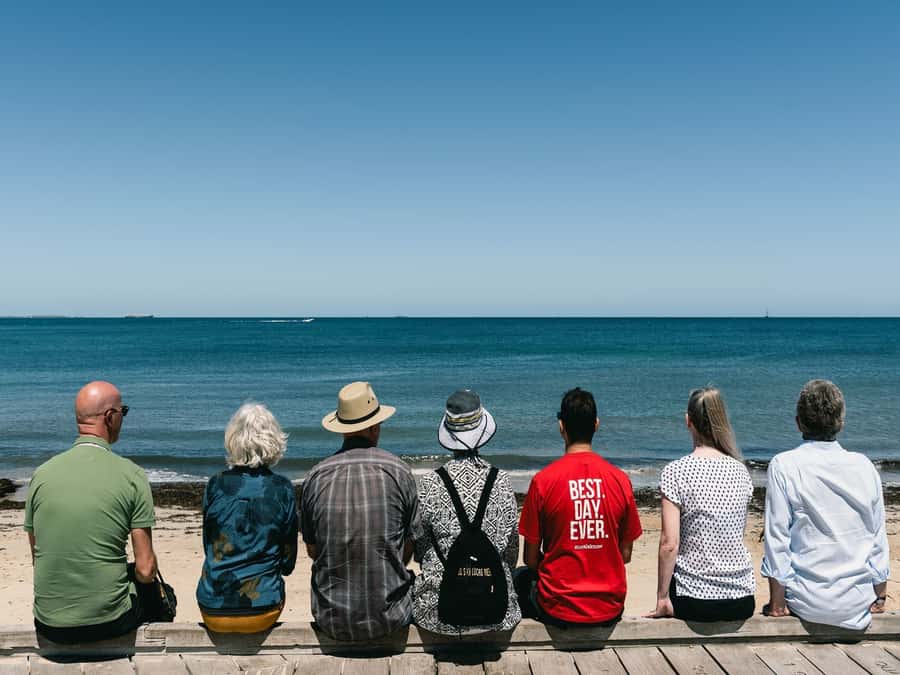
High Street adds another layer to the route, linking the old center with the port and the West End. The walk then includes landmarks such as the Whaler’s Tunnel and the Roundhouse, two places that help explain the town’s maritime and penal past.
The Whaler’s Tunnel is especially useful as a reminder that Fremantle’s history was practical and industrial. It is not simply about elegant old buildings. Whaling, shipping, labor, and trade all left physical marks on the town.
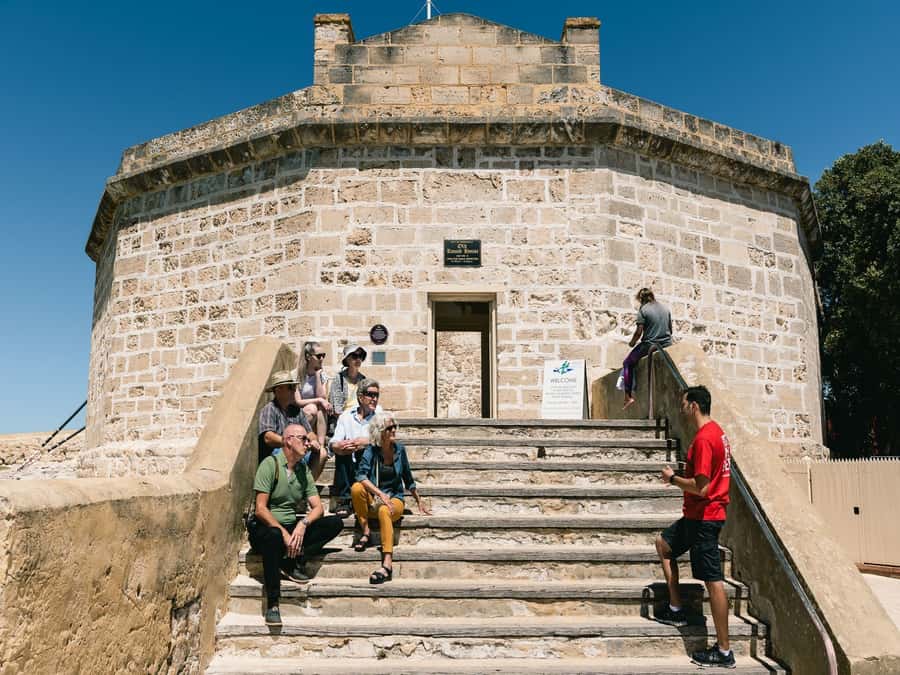
The Roundhouse brings the convict story into sharper focus. You learn how prisoners were transported, how they were controlled, and how they contributed to the building of their own prison. That last point is worth remembering: Fremantle’s colonial development was tied to forced labor, not just pioneering ambition.
The tour also addresses the expulsion of Indigenous people to Rottnest Island. This is an essential part of the story, and it prevents the phrase pioneering heroes from becoming too simple. Fremantle’s growth brought opportunity to some people and profound harm to others.
You will not receive a full museum-style examination of every site during a two-hour walk. Instead, the guide gives you the key context and directs your attention to the places themselves. If you want a longer visit inside the Roundhouse or a detailed prison tour, you should allow separate time.
How the guides shape the experience
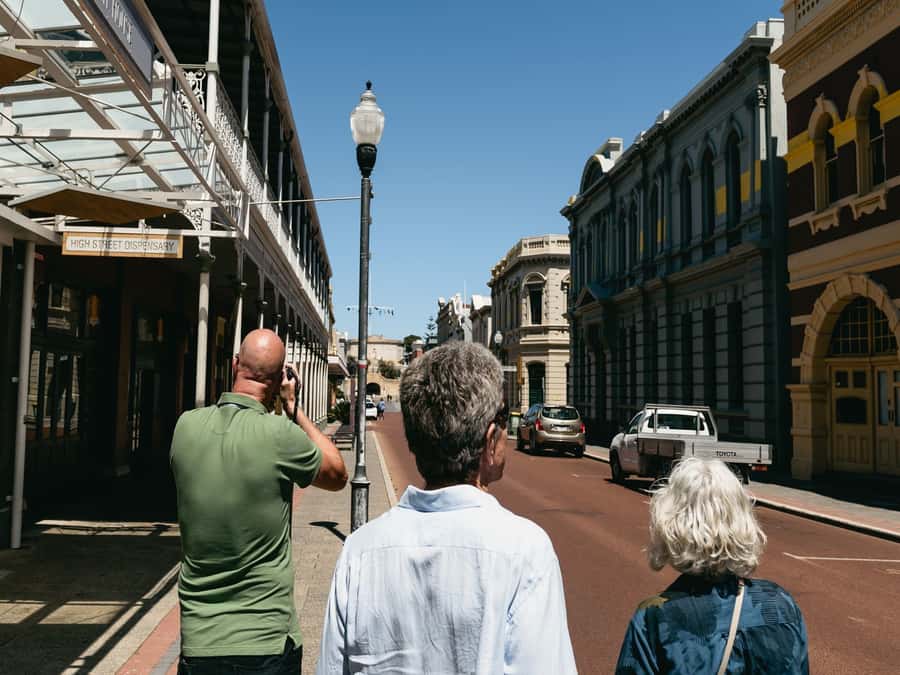
The guide is the main reason to book this experience rather than simply follow a map. Fremantle’s streets are easy enough to explore on your own, but the stories are not always visible.
Winona appears particularly suited to groups that want a conversational walk. She has been noted for asking what people are interested in rather than delivering only a fixed speech. Vaughan is a strong choice for those who enjoy detailed local context and follow-up suggestions for museums. Joanie and Daniel are also praised for making the history approachable and personal.
The strongest pattern is clear storytelling at a relaxed pace. You are not rushed from one stop to the next, and the walk leaves room for questions. One outing extended close to three hours, despite the stated duration of two hours, because the guide continued sharing stories and the group was enjoying the conversation. You should treat two hours as the planned length, not assume every walk will run longer.
The pace also makes the tour easier to enjoy than a rapid landmark checklist. You have time to look up, notice the street art, and understand why a location matters.
What $46 buys you
The price is $46 per person. For two hours, that is fair if you value interpretation and want a well-shaped introduction to Fremantle rather than only a list of places to photograph.
You are paying for a professional local host, a guided route, local history, informal stories, and practical tips. There is no hotel pickup or drop-off included, though group transport may be requested. Bottled water is also not included, so bring your own.
The value is strongest at the start of a trip. You can use the walk to decide which museums, markets, cafés, and historic sites deserve more of your time. One guide specifically recommended two museums after the tour, which is exactly the sort of follow-up advice that can make a short orientation more useful.
The price is less attractive if you already know Fremantle well or want long indoor visits at specific monuments. In that case, independent walking plus admission to the sites you choose may suit you better.
Weather, walking comfort, and access
Wear comfortable shoes. The experience covers several districts on foot, so this is not the place for footwear chosen only for appearance.
Fremantle weather can change, and April through August may bring cold conditions and rain. Check the forecast the day before and bring suitable layers or rain protection. A wet day will not erase the stories, but it can affect how much you enjoy standing outside.
The tour is listed as wheelchair accessible. That is useful for many visitors, but you should still contact the local partner before departure if you have specific mobility needs, especially because the route includes historic streets and outdoor landmarks.
You should also confirm the trip with the local partner 24 hours before departure. The tour starts at the Fremantle Visitor Information Centre, so allow enough time to reach Kings Square without hurrying.
Who should book this Fremantle walk
I would recommend it to first-time visitors who want to understand Fremantle before exploring alone. It also suits people who enjoy local anecdotes, street art, port history, and colonial stories in the same outing.
Families and mixed-age groups may like the range of subjects. Convict escapes and odd local characters can hold attention better than a formal lecture, while the migration and Indigenous history give adults important context to discuss.
It is also a good fit for museum-minded people who want a short outdoor introduction before deciding where to spend a full afternoon. The route gives you a map in your head and a set of stories to carry into later visits.
I would hesitate to recommend it if you dislike walking, need guaranteed indoor shelter, or want an exhaustive visit to one site. The experience samples several parts of Fremantle rather than spending the whole time at the Roundhouse, the port, or the street art.
Should you book Fremantle: Convicts, Culture, and Street Art?
Book this tour if you want a personable introduction to Fremantle’s many layers for $46. The blend of convict history, maritime life, migration, Indigenous history, street art, and local tips gives you more than a standard old-town stroll.
The biggest reason to choose it is the guide. A strong host can turn an ordinary street corner into a story, and the consistently positive feedback about Winona, Vaughan, Joanie, and Daniel points to a reliable strength in the experience.
Bring good shoes, water, and weather protection. If you do, this walk should leave you better prepared to explore Fremantle’s museums, markets, harbor, and historic streets on your own.
FAQ
Where does the tour begin?
It begins at the Fremantle Visitor Information Centre at Kings Square, Fremantle WA 6160.
How long is the walking tour?
The planned duration is two hours. One outing lasted close to three hours, but you should plan around the stated two-hour schedule.
What price should I expect?
The price is $46 per person.
What language is the tour offered in?
The tour is offered in English with a live guide.
What places does the route include?
The route begins at the Fremantle Visitors Centre and includes the cappuccino strip, boat harbour, narrow West End streets, High Street, the Whaler’s Tunnel, and the Roundhouse.
What history will I hear about?
You can expect stories about Fremantle’s maritime past, whaling stations, migration, convicts, prisoner escapes, convict construction work, pioneering figures, and the forced removal of Indigenous people to Rottnest Island.
Is hotel pickup included?
No. Hotel pickup and drop-off are not included. Group bookings may request this service.
Is the tour wheelchair accessible?
Yes, the activity is listed as wheelchair accessible.
What should I bring or wear?
Wear comfortable shoes and dress for the weather. From April through August, prepare for possible cold weather and rain. Bottled water is not included, so bring your own.
Just added around Australia
- Sydney Small Bars and Street Art Tour★ 5.0 · 14 reviews
- Melbourne Street Art Quest: Self-Guided Urban Story Game★ 3.5 · 3 reviews
- Melbourne Street Art Tour with a Local: Private & Personalized★ 4.5 · 3 reviews
- Fremantle – Convicts, Culture & Street Art★ 5.0 · 8 reviews
- Hipster and Street Art Walking Tour★ 5.0 · 13 reviews
- Hidden Adelaide: Laneways and Street Art Tour★ 5.0 · 6 reviews
- Paint and Palate Street Art Tour with Food★ 5.0 · 21 reviews
- Sydney: Street Art and Multicultural Food Walking Tour★ 5.0 · 19 reviews
Australia Street Art Tours, compared.
PERTH BAR+STREET ART TOUR: Hidden Secrets, Laneways + Good Times!
Read our review →


Browse the lists this tour appears in