
REVIEW · GERMANY
Dusseldorf: Urban Art Walk / Street Art Tour
Düsseldorf’s street art is not confined to a museum wall. On this 3-kilometer walk through Friedrichstadt and Bilk, gallery owner Klaus Rosskothen leads you to murals, installations, stickers, and paste-ups that can be easy to miss from a tram or sightseeing bus. I like the mix of international names and local artists, and I like that the route includes district history rather than treating art as decoration. The main catch is the German-only commentary, which may feel fast if you do not speak German well.
- Gallery insight: Klaus Rosskothen brings 18 years of urban art experience and runs Pretty Portal gallery.
- Artists to watch for: Alexis Bust Stephens, Marc Woehr, MadC, Innerfields, Harald Naegeli, L.E.T., and PDOT.
- Offbeat route: The walk focuses on real public art locations in Friedrichstadt and Bilk, not Düsseldorf’s standard sightseeing circuit.
- Art in motion: Murals, stickers, paste-ups, and interventions may change or disappear over time.
- Small-group format: A maximum of 20 participants keeps the walk more personal than a large city tour.
- Practical warning: The tour is in German and covers about 3 km in two hours.
Why Düsseldorf’s street art belongs outdoors
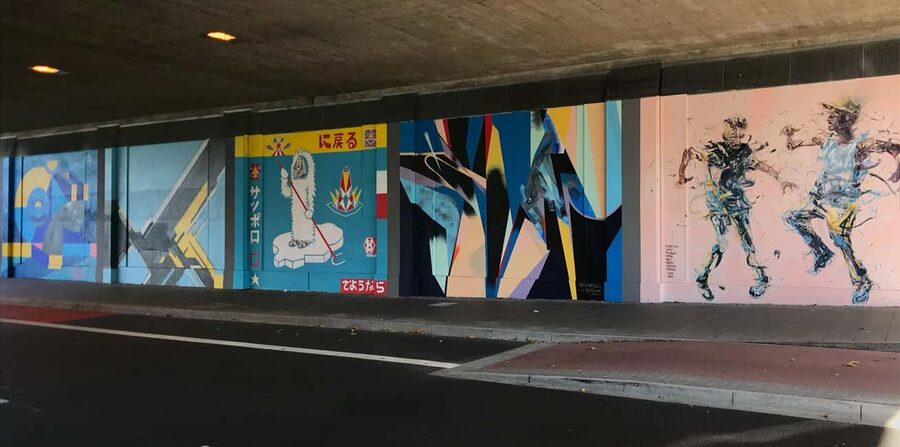
Düsseldorf has a strong reputation for museums, galleries, and formal art institutions. This walk takes a different approach. It treats the city itself as an exhibition space, where a painted wall, a pasted image, or a small intervention can alter how you read an ordinary street.
That idea gives the experience its appeal. You are not simply being shown large murals for quick photographs. You are introduced to several forms of urban art and the choices behind them. The guide explains how works were made, what techniques artists use, and how public art became recognized as part of contemporary art.
I especially like the contrast between permanence and uncertainty. A large mural may remain visible for years, while a sticker can be covered within days. That changing quality is part of the subject. You see art that belongs to a particular place and moment, not an indoor collection protected from weather, construction, or other artists.
The route is also designed for people who want more than the classic Düsseldorf sights. You will spend time in Friedrichstadt and Bilk, districts with their own cultural development and urban character. The walk connects the artwork to those surroundings, giving you a better sense of how public art becomes part of daily city life.
Meeting Klaus Rosskothen and Pretty Portal
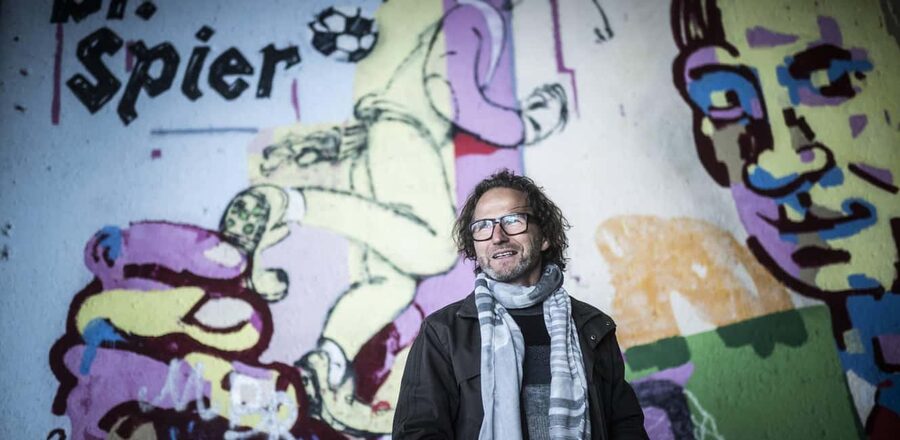
Your guide is Klaus Rosskothen, a curator and gallery owner with 18 years of experience in urban art. He also operates Pretty Portal, a Düsseldorf gallery linked to contemporary urban art. That background matters because the tour is not presented only as a general city walk.
Rosskothen can place artists and works within a wider art setting. You get information about the artists, the methods they use, and the development of urban art as a recognized art form. For someone who already visits galleries, this connection between indoor exhibitions and public work should be useful.
At the same time, the experience is not limited to specialists. You do not need a degree in art or a working knowledge of street-art terminology. The appeal is simply that the guide helps you notice things you might otherwise pass without seeing.
The group limit is 20 people. That is not an ultra-small private tour, but it is modest enough for a more direct experience than a large walking group. If you have a question about a work or an artist, the format should make it easier to ask, though the German language is still an important factor.
More Street Art Walking Tours in Germany
- Berlin: City Street Art Guided Walking Tour
★ 4.8 · 1,051 reviews - Dresden: Neustadt District Street Art Guided Walking Tour
★ 4.3 · 333 reviews - Berlin Street Art Walking Tour – Off The Grid
★ 5.0 · 270 reviews
Starting at Ellerstrasse and Willi Becker Allee
The meeting point is at the corner of Ellerstrasse and Willi Becker Allee. From there, the walk moves through Friedrichstadt and Bilk, covering about 3 km over roughly two hours.
That distance works out to a steady pace rather than a long-distance hike. Still, you should wear comfortable shoes and allow enough time to look around. Urban art is often found on the side of a building, above eye level, or in a place where the guide needs to pause while the group gathers.
The route is intentionally not a standard tourist path. You should not expect a parade of Düsseldorf’s best-known monuments between each art stop. The payoff is a closer look at ordinary streets and less obvious corners of the city.
This is also why the walk may suit repeat visitors particularly well. If you have already seen the main museums and central sights, the route gives you another way to understand Düsseldorf. If this is your first visit, it can still work, but it should not replace a general orientation tour if you want the city’s major landmarks explained.
Friedrichstadt and Bilk as part of the story
The districts are not just a backdrop for the artwork. The walk includes short explanations of their history and cultural development, helping you understand why urban art appears in these parts of Düsseldorf.
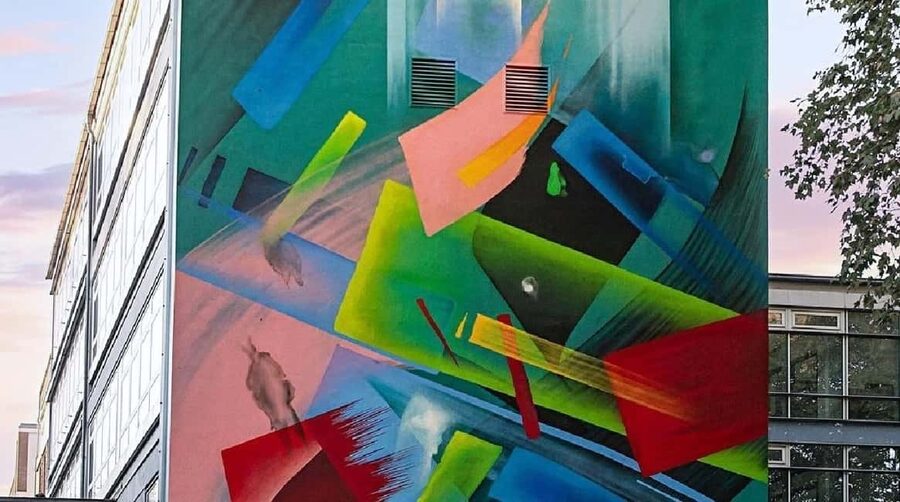
You will move between selected locations rather than following one single wall from beginning to end. The route may include large murals, smaller pasted works, stickers, installations, and other interventions in public space. Each format asks you to look differently.
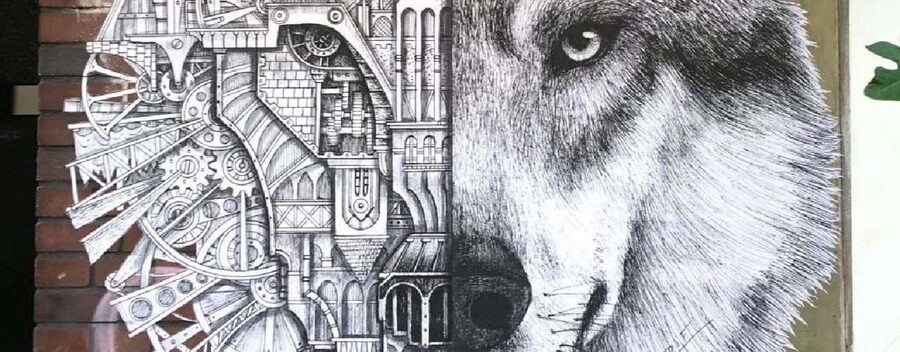
A mural can change the feel of an entire building. A sticker or paste-up rewards closer attention. An installation may depend on its exact position in the street. By placing these forms together, the walk shows that street art is not one fixed style.
The district context also helps explain why public art can have a lasting effect even when the individual work is temporary. An image may disappear, but it may still have changed the way residents and visitors see a wall, a passage, or a corner of the neighborhood.
Artists and works you may encounter
The walk includes work by well-known artists such as Alexis Bust Stephens, Marc Woehr, MadC, Innerfields, Harald Naegeli, and L.E.T. You will also hear about PDOT’s characteristic spirits, along with sticker art and paste-ups by regional and international artists.
That range is one of the best reasons to book. You are not being taken to a single artist’s project or one narrow style. The experience presents a broad sample of the city’s urban art scene, from major painted surfaces to smaller works that may be easy to overlook.
Harald Naegeli, for example, connects Düsseldorf’s public art story to an earlier generation of intervention in the city. Other artists represent more recent approaches and techniques. The guide’s role is to explain those differences without reducing every work to a quick label.
You should also expect the exact selection to change. Public art is exposed to weather, building work, removal, repainting, and new work placed over older work. A visit is therefore tied to the city as it appears at that time. This is a strength if you like art that feels connected to place, but it can be a drawback if you expect a fixed museum collection.
Same walls, a different guide:
- Berlin: 3-Hour Street Art Tour
★ 4.7 · 778 reviews - Berlin: Graffiti Workshop at the Berlin Wall
★ 4.6 · 234 reviews - Cologne: Ehrenfeld District Street Art Walking Tour
★ 4.9 · 202 reviews - East Meets West: Berlin Food Culture & Street Art
★ 5.0 · 157 reviews
What the explanations add
The most praised part of the experience is the background information. Annette, writing after a February 2026 visit, described the tour as very interesting because of its explanations. That is a useful clue about where the value lies: the walk is not just a hunt for colorful walls.
You will hear about the origins of selected works, the strategies artists use, and the way urban art developed into a recognized part of contemporary art. This can change how you judge a work. A piece that first looks like a simple image may have a deliberate relationship to its wall, street, or audience.
The guide also offers suggestions for other art venues and galleries in Düsseldorf. That makes the walk a good early activity for an art-focused stay. You can use the recommendations to plan the rest of your visit, especially if you want to continue beyond public art.
There is a limit, however. The tour is conducted in German, and some material is shown in its original language. Hilde from the Netherlands found the German explanations too quick and felt that the pace made it easy to miss parts of the commentary. If your German is limited, you may understand the visual side better than the spoken analysis.
The pace, language, and physical effort
Two hours and 3 km sound manageable for most people, but the pace deserves attention. The walk covers several locations, and the guide must keep the group moving between them. It is not designed as a slow, seated talk with long breaks.
Hilde also noted that a leg injury made it difficult to keep up, causing her to miss parts of the explanations. That is a practical concern, not a minor footnote. If you walk slowly or need frequent stops, ask about the pace before booking, since the tour does not promise a reduced-speed option.
The German-only format is the other major consideration. Strong German speakers should receive the full benefit of the stories and art terms. If you only understand some German, the visual material still gives you plenty to see, but you may lose details about techniques, origins, and artistic intent.
The available information does not promise an English-language departure or written translation. Do not assume one will be provided. For language learners, the tour could be a useful way to hear German in a real setting, but it may not be the best choice if you want every explanation in full.
Is $23 a fair price?
At $23 per person, the walk is priced like a focused specialty tour rather than a basic orientation walk. The value comes from the personal guidance and the subject matter. You are paying for access to a route selected by someone who works in urban art, along with explanations that would be difficult to assemble on your own.
You could certainly walk through Friedrichstadt and Bilk without paying anything. The problem is knowing where to look, what you are seeing, and how the pieces connect to Düsseldorf’s art scene. The fee makes sense if that interpretation is important to you.
The small group limit also supports the price. Up to 20 people is not private, but it is still a controlled group size for a specialized walk. You are likely to spend less time waiting for a large crowd to gather and more time focused on the work.
The value is weaker if you speak little or no German, walk slowly, or mainly want a long list of famous murals for photographs. In that case, much of what you are paying for is the spoken context, and you may not receive it fully.
Who should book this walk?
I would recommend this experience to art lovers, design students, curious city visitors, and repeat visitors to Düsseldorf who want to see a side of the city outside the major museums. It is also a good fit if you enjoy learning how artists work, not simply collecting photos of finished pieces.
It suits independent-minded visitors who like routes that are not polished for mass tourism. The selected locations are part of the city’s public spaces, and the walk includes work that may be temporary or easy to miss.
Families with older children could enjoy it if the children have an interest in drawing, painting, or city design. The two-hour length is reasonable, but the German commentary and steady pace may be a challenge for younger participants.
I would be cautious if you need an English-language tour, have limited mobility, or want a relaxed walk with plenty of sitting time. The 3 km route and German-only explanations are clear parts of the format, not small details to discover later.
Booking details worth knowing
The walk lasts about two hours and is offered at different starting times depending on availability. It meets at Ellerstrasse and Willi Becker Allee and takes place in Friedrichstadt and Bilk.
The tour is led in German, with some content shown in its original language. Free cancellation is available up to 24 hours before the activity for a full refund, and you can reserve now and pay later. Those terms are useful if your Düsseldorf schedule is still changing.
The overall rating is 4.4 from three reviews, with especially strong approval for the information provided by the guide. The more critical response focused on language speed, walking pace, and a desire to see more small, possibly unofficial works. That gives you a fair picture: strong for context and discovery, less certain for accessibility and language coverage.
Should you book the Düsseldorf Urban Art Walk?
Book it if you want to understand Düsseldorf’s public art rather than simply spot a few painted walls. Klaus Rosskothen’s gallery background, the mix of international and local artists, and the route through Friedrichstadt and Bilk make this a focused way to see the city from a different angle.
Skip it if you need English commentary, cannot comfortably walk 3 km in two hours, or expect a large number of small illegal works and stickers. The tour includes stickers and paste-ups, but its main strength is the guide’s explanation of selected works and the wider development of urban art.
For the right visitor, $23 is a sensible price for a specialized, personal walk. Bring comfortable shoes, arrive ready to listen in German, and keep an open eye for art that may not be there the next time you visit.
FAQ
Where does the Urban Art Walk meet?
The meeting point is at the corner of Ellerstrasse and Willi Becker Allee in Düsseldorf.
How long does the tour last?
The tour lasts about two hours.
How far does the walk cover?
The route covers approximately 3 km.
Which Düsseldorf districts does the tour visit?
The walk goes through the Friedrichstadt and Bilk districts.
What language is the tour conducted in?
The live tour guide speaks German. Some content is shown in its original language.
Who leads the Urban Art Walk?
Klaus Rosskothen leads the walk. He is a curator, gallery owner, and operator of the Pretty Portal gallery, with 18 years of urban art experience.
What kinds of art will I see?
The tour includes murals, installations, stickers, paste-ups, and other interventions in public spaces.
Which artists may be included?
Artists connected with the walk include Alexis Bust Stephens, Marc Woehr, MadC, Innerfields, Harald Naegeli, L.E.T., and PDOT, as well as regional and international artists.
Can I cancel the tour for a refund?
You can cancel up to 24 hours in advance for a full refund. You can also reserve now and pay later.
Just added around Germany
- Art Nouveau Meets Street Art in Munich (Max. 12 guests)★ 5.0 · 3 reviews
- Alternative Hamburg Private Alternative Street Art Tour★ 4.5 · 6 reviews
- Street Art Tour Dresden Neustadt★ 4.0 · 15 reviews
- Explore Cologne’s best Street Art Quarter★ 4.5 · 4 reviews
- 3-Hour Cologne Street Art Bike Tour in Small Group with Guide★ 4.5 · 20 reviews
- Berlin Private Street Art Tour – Off The Grid★ 5.0 · 9 reviews
- Open graffiti workshop in the Mauerpark in Berlin★ 5.0 · 2 reviews
- Alternative Berlin & Street Art Tour★ 4.5 · 14 reviews
Germany Street Art Tours, compared.
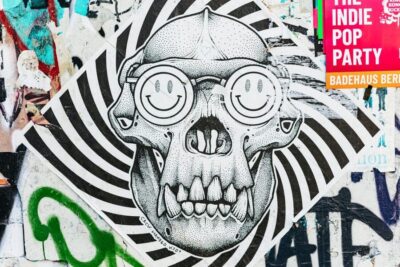
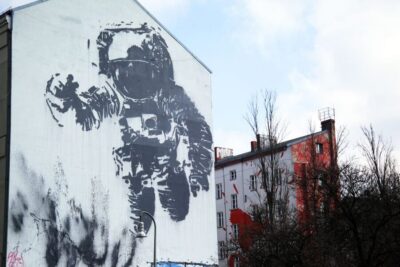
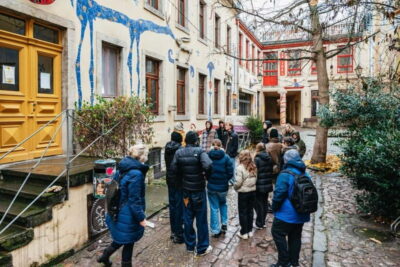
Dresden: Neustadt District Street Art Guided Walking Tour
Read our review →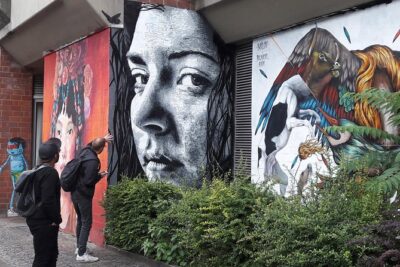
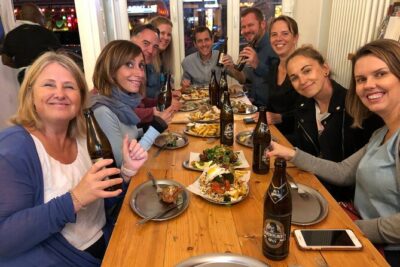
East Meets West: Berlin Food Culture & Street Art
Read our review →
Browse the lists this tour appears in