
REVIEW · SOUTH AFRICA
Cape Town: Woodstock Street Art & Culture Tour
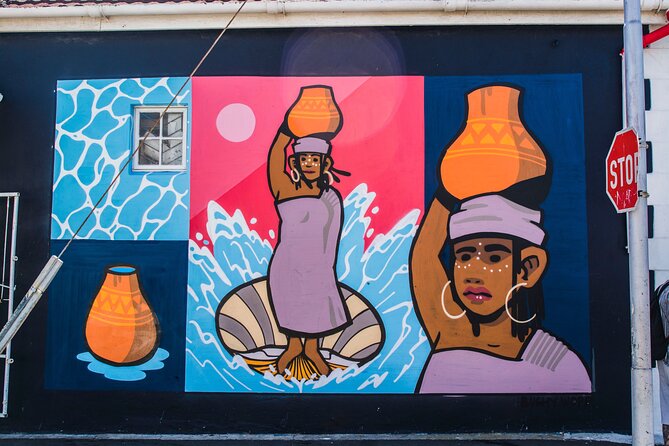
Cape Town’s street art makes the most sense when you know the neighborhoods behind it. This two-hour walk through Woodstock and Salt River pairs colorful murals with straight talk about local politics, economic pressure, youth culture, and the new South Africa. The art is the doorway, not the whole room.
I like two things here. First, the guides bring local insight, and several guides, including Chandy, Terrence, Shandy, and Shipo, are praised for making the walk personal and easy to discuss. Second, you get beyond the usual Cape Town sightseeing route and see how public art can change the way people view their own streets. The main drawback is practical: the meeting-point details have caused confusion before, so confirm them carefully and allow extra time.
Key points at a glance

- Woodstock and Salt River beyond the postcard view: Explore two Cape Town neighborhoods that receive less tourist traffic than the city center and waterfront.
- Art with a social purpose: Discuss the issues shaping local communities, including social and economic pressures and the changing identity of South Africa.
- Guides who know the area personally: Chandy, Terrence, Shandy, Shipo, and other local guides have led walks noted for thoughtful explanations and relaxed conversation.
- More than graffiti: See festival and mural work, then learn about artistic methods, motivations, and the stories behind individual pieces.
- A small enough walking format: The group can reach 30 people, so ask questions early if the group is full.
- Good cancellation flexibility: Cancel at least 24 hours before the start for a full refund.
Why Woodstock and Salt River make a strong setting
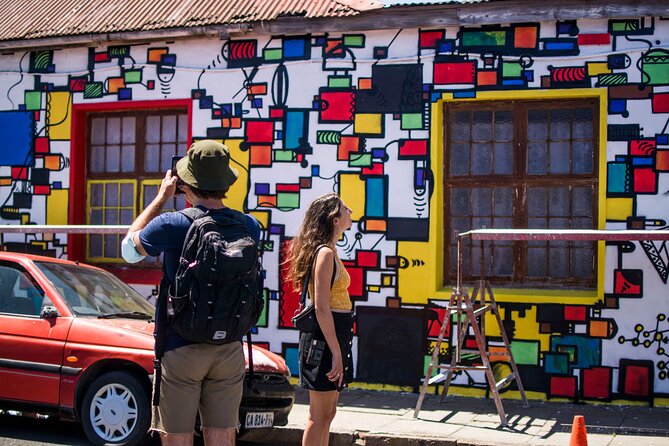
The appeal of this tour begins with the route. Woodstock and Salt River are not simply backdrops for painted walls. They are working neighborhoods with complicated social and economic stories, and the murals give your guide a natural way to explain them.
You will spend about two hours walking through the two areas while discussing street art, community change, and Cape Town’s creative scene. That combination matters. A mural can be striking on its own, but the reason it was painted, who commissioned it, and how local people see it can tell you much more than color and scale.
I also like that the walk is not limited to one tidy public-art zone. One part of the route includes Salt Circle, where several mural pieces were made for a festival or exhibition. This means some art may feel carefully planned and highly finished rather than like spontaneous graffiti. If you arrive expecting walls covered only in quick tags, adjust your expectations. The focus is mural art and the ideas behind it.
A few more street art tours around the world worth a look
- Moco Museum Amsterdam Entrance Tickets with Banksy & More
★ 4.4 · 10,088 reviews - Medellin: Comuna 13 Graffiti Tour, Cable Car & Street Food
★ 4.8 · 9,046 reviews - CDMX: Xochimilco, Coyoacan, Frida Kahlo Museum & Murals Tour
★ 4.4 · 3,025 reviews
The opening walk through Woodstock
The Woodstock portion sets the tone. You will walk through the neighborhood while your guide points out individual works and explains what you are seeing. The goal is not to rush from one photo stop to the next. You are encouraged to look at how a piece works, what techniques may have been used, and what the artist was trying to say.
That slower pace is useful for people who do not know much about street art. Your guide can explain why one image reads as decorative while another carries a political or social message. You may also hear how a work connects with the neighborhood around it.
This part of the tour is strongest when you ask questions. Guides such as Terrence have been praised for inviting conversation, and Chandy is described as thoughtful and willing to explain difficult subjects with care. The walk can become less about identifying famous artists and more about understanding how public images affect daily life.
Do not expect a formal gallery setting. You are on ordinary streets, looking at art in the places where people live and work. That brings authenticity, but it also means the experience depends on the guide’s storytelling and the condition of the walls on the day of your visit.
Salt River’s murals and festival art
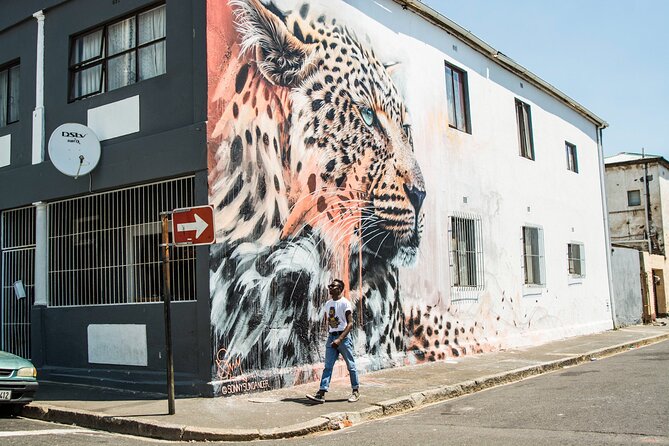
The route continues into Salt River, including the Salt Circle area with several examples of mural street art. This is likely the most concentrated section for people who want strong photographs and a clear sense of Cape Town’s public-art movement.
Your guide discusses the artists, their reasons for making the work, and the techniques used. Some pieces may be large portraits or graphic scenes, while others may carry a direct message about identity, community, or social change. The supplied information does not promise a fixed list of murals, so the exact selection can change.
That flexibility is normal with street art. Walls can be repainted, damaged, removed, or altered. It also means you should treat the tour as a guided reading of a changing neighborhood rather than a permanent museum visit.
The Salt River section is particularly useful if you want to understand the difference between graffiti and commissioned mural work. The tour does not treat all street art as the same. You will hear about the setting, the festival context, the artist’s purpose, and the public response.
Conversations with artists and local guides
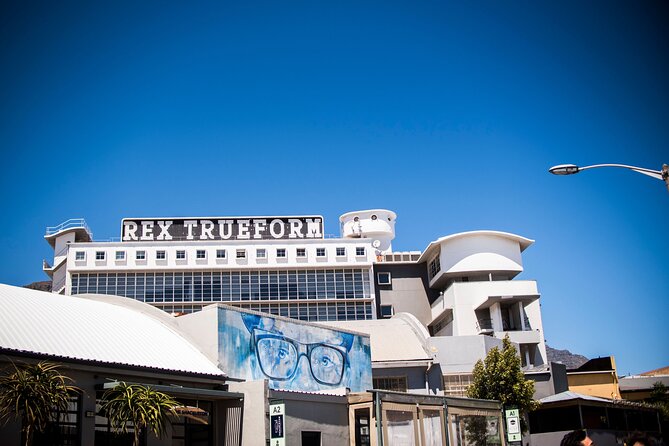
The experience may include meeting some of the artists themselves. That possibility is one of the more appealing parts of the tour, although it should not be treated as a guaranteed appointment with a particular artist.
The guides are a major part of the value. Different names appear in the tour’s feedback, including Chandy, Terrence, Shandy, and Shipo. Terrence is described as personable and willing to answer questions. Shandy is praised for patience and clear explanations. Shipo is noted for explaining the history behind the paintings, while Chandy is described as wise and thoughtful.
Those descriptions point to the right kind of guide for this walk: someone who can connect images with people and place, not just recite artist names. The best moments are likely to come when you ask about a mural’s message, the neighborhood’s changes, or the way young South Africans see the country today.
You should also expect some variation. A two-hour walk with a local guide will not feel exactly the same every day. One guide may focus more on visual technique, while another may spend more time on politics, youth culture, or community concerns.
Same walls, a different guide:
- Moco Museum Barcelona Banksy & More
★ 4.6 · 2,340 reviews - Amsterdam: Streetart Museum STRAAT Entrance Ticket
★ 4.8 · 2,137 reviews - Belfast: Murals Taxi Tour
★ 4.9 · 2,047 reviews - Blackbeard to Banksy – The Ultimate Walking Tour of Bristol
★ 5.0 · 1,961 reviews
The social story behind the paint
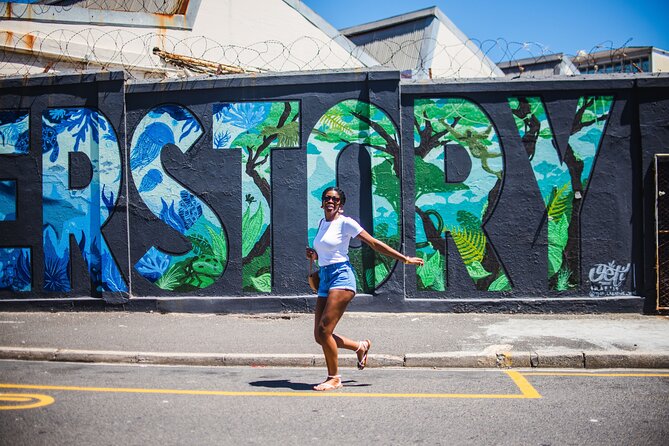
Street art often works as a quick introduction to subjects that can otherwise feel distant. Here, those subjects include social and economic problems in Woodstock and Salt River, the country’s political past, and the positive changes taking place in modern South Africa.
I like this approach because it avoids presenting Cape Town as a collection of pretty views. The walk gives you a chance to discuss how public art can change the mood or reputation of a place. It also shows why artists choose public walls instead of private galleries.
One part of the experience may feel more like a conversation about South African life than a technical art lesson. That is a benefit if you want cultural context. It may be less satisfying if you want a tightly organized art-history lecture with dates, movements, and a complete catalog of works.
The discussion can also be personal. You may hear about the experience of being young in South Africa, local attitudes toward the murals, and the tension between neighborhood identity and outside attention. The material is not just background decoration. It helps explain why these works matter to the people who pass them every day.
What the two-hour format gives you

Two hours is a sensible length for a walking tour. It gives you enough time to see a range of work and discuss the area without turning the outing into a tiring half-day commitment.
The tradeoff is that the walk can only cover so much. You will not see every important mural in Woodstock and Salt River, and you will not get a full history of Cape Town’s modern art scene. Think of the tour as an introduction with local perspective.
The route is also more rewarding if you are ready to walk and stand outdoors. The activity is described as suitable for most participants, and service animals are allowed. Still, the supplied details do not give a distance, pavement report, or rest schedule, so ask the operator if you have specific mobility needs.
A group of up to 30 people is permitted. That is not an intimate private walk, but it is still small enough for a good guide to manage if people participate. If the maximum group arrives, stand where you can hear and raise questions clearly. A guide who encourages discussion can make the experience much better, but only if you can follow the conversation.
Price and what you receive for $38.65
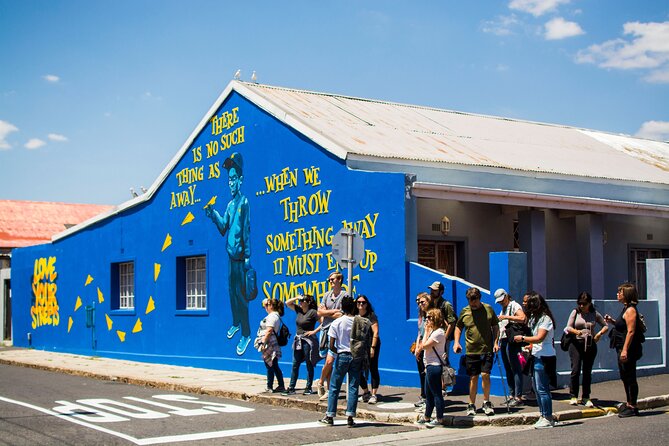
At $38.65 per person, the tour is priced above a casual self-guided mural walk but below a full-day private cultural outing. The value depends on how much context you want.
You could walk through parts of Woodstock and Salt River on your own and photograph murals for less. What you would miss is the explanation of the artists’ motives, the social issues connected to the neighborhoods, and the chance to ask a local guide about the work.
The price makes the most sense for you if you want cultural interpretation rather than a simple list of photo stops. It also helps if you are curious about modern South Africa and want a conversation that links art with daily life.
The value is weaker if you only want a fast collection of famous murals. The route is not presented as a fixed, star-driven art itinerary, and the experience may spend substantial time on community issues and South African life. That is precisely the reason to book it for some people, and the reason others may prefer a more visual tour.
Timing, meeting point, and booking details
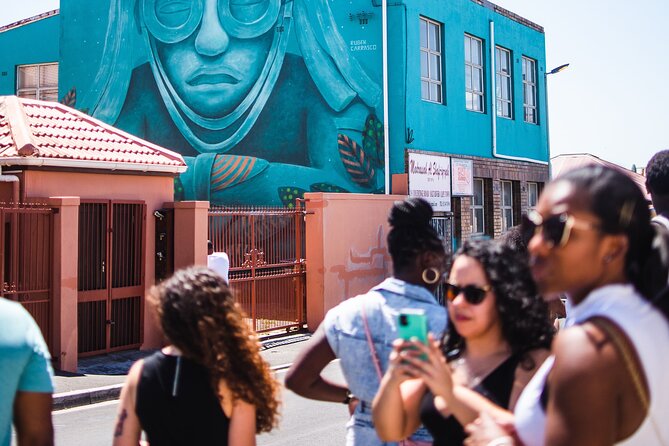
The tour is booked, on average, 15 days before the departure date. That suggests you should not leave it until the last minute if your Cape Town schedule is tight, especially if you want a particular day.
You receive a mobile ticket, and confirmation is provided when you book. The tour is near public transportation, which is helpful because Woodstock and Salt River are easy areas to include in a wider Cape Town day, but the exact transport plan is not provided here.
Pay close attention to the meeting point. One person lost about 30 minutes because the correct location was not clear in the booking information. I would check the confirmation, contact One Day Africa if anything looks vague, and arrive early. This is the one practical weakness worth taking seriously.
Cancellation is generous if you plan ahead. You can receive a full refund by canceling at least 24 hours before the local start time. Cancellations or changes made inside that window are not accepted for a refund.
Who will enjoy this walk most
This tour suits you if you like street art but want to know why it exists. It is also a good match if you have already seen Cape Town’s main sights and want a neighborhood-based experience with more social context.
I would recommend it to:
- First-time visitors who want a different view of Cape Town
- People interested in mural art, public art, and artist technique
- Visitors curious about South African politics and community change
- Photographers who enjoy colorful walls with a story behind them
- Anyone who prefers a conversational walking tour to a formal museum visit
Families and mixed-age groups may also find the format workable because most people can participate, but the subject matter can be serious. Children who enjoy drawing or murals may like it, while very young children may find the social discussion slow.
You should think twice if you dislike walking, want a fully fixed schedule, or expect every minute to focus on art. The guide may spend time on social and economic concerns, the new South Africa, and the lives of local people. That is not filler. It is central to the point of the tour.
My verdict on the Woodstock street art experience
I would book this tour if you want to see Cape Town through local walls rather than only through major attractions. The strongest features are the neighborhood setting, the thoughtful guides, and the way the art opens a discussion about South African society.
The main cautions are simple. Confirm the meeting point, expect a walking tour rather than a gallery visit, and understand that the exact murals and guide may vary. A group of up to 30 can also feel less personal than a private walk.
For $38.65, you are paying for interpretation and local conversation as much as for the murals themselves. If that sounds worthwhile, this is a practical two-hour addition to a Cape Town itinerary. If you only want photographs, you can explore on your own. If you want the stories behind the paint, book the guide.
FAQ
How long does the Cape Town street art tour last?
The tour lasts approximately two hours.
Where does the tour take place?
It takes place in the Woodstock and Salt River neighborhoods of Cape Town.
What will I learn during the walk?
You will learn about the artists, their motivations, the techniques used in the artwork, and the social and economic issues affecting the neighborhoods. The discussion also covers South Africa’s creative scene and social changes.
Can I meet the street artists?
The experience includes the possibility of meeting some of the artists themselves, but a meeting with a particular artist is not guaranteed.
How many people can join the tour?
The tour can have a maximum of 30 participants.
Can I cancel for a full refund?
Yes. You can cancel at least 24 hours before the experience start time for a full refund. Cancellations or changes made less than 24 hours before the start are not accepted for a refund.
Just added around the world
- Your Own Belgrade: Street Art and Hidden Gems Walking Tour★ 5.0 · 2 reviews
- Xochimilco floating gardens, Coyoacan and UNAM murals★ 4.0 · 6 reviews
- Vienna Urban Art Tour: Explore a different side of Vienna!★ 3.8 · 14 reviews
- Wynwood Walls Street Art & Neighborhood Walking Tour★ 4.9 · 9 reviews
- Vancouver: Street Art & Craft Beer Walking Tour with Tasting★ 4.8 · 14 reviews
- Vancouver: Street Art & Craft Coffee Walking Tour w/ Tasting★ 4.8 · 11 reviews
- Urban Canvas: Osaka Street Art Bike Tour★ 5.0 · 10 reviews
- UNAM: Murals & Revolution★ 4.9 · 8 reviews
South Africa Street Art Tours, compared.

Johannesburg: Maboneng Street Art & Culture Tour
Read our review →Johannesburg: Maboneng Street Art & Culture Tour
Read our review →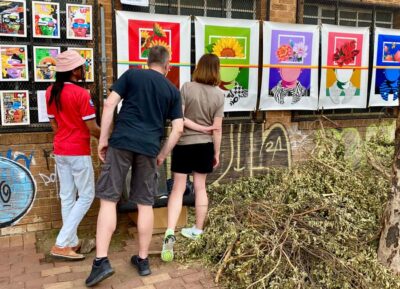
Johannesburg: Street Art and Culture in Maboneng!
Read our review →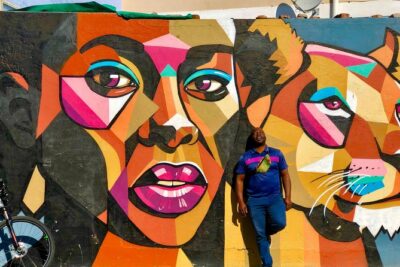
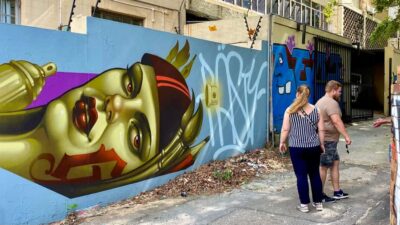
Colours of Johannesburg: A Graffiti & Street Art Tour
Read our review →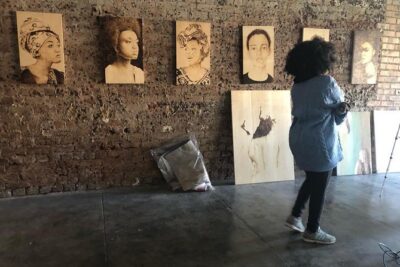
(Meet the Artist)Art Gallery & Street Art tour with lunch
Read our review →
Johannesburg Street Art & Museum Walking or E-scooter Tour
Read our review →Browse the lists this tour appears in