
REVIEW · STREET ART WALKING TOURS
Bangkok: Chinatown & Taladnoi Street Art Guided Walking Tour
Bangkok’s Chinatown is at its best when you leave the main Yaowarat road and follow the smaller lanes toward Talad Noi. This four-hour walk takes you from Chinese temples and food markets to old workshops, community art, and the Chao Phraya River. I like the clear Thai-Chinese history and the chance to see working neighborhoods, not just photo stops. I also like that guides such as Jenny, Nok, Mai, and Jib adjust their pace and explanations to the group.
The main drawback is the heat. You walk for hours on uneven city streets, with little promise of shade, and meals are not included. Pregnant women and wheelchair users should choose another outing, but anyone who enjoys urban walking and local stories gets a lot for the $19 price.
Key points at a glance
- Start at Wat Mangkon MRT: Meet at Exit 3, a practical rail connection into Chinatown.
- See the Chinese spiritual center: Wat Mangkon Kamalawat offers a strong introduction to local religious life.
- Walk beyond Yaowarat Road: Markets, shrines, old buildings, and narrow lanes give the district its character.
- Understand Thai-Chinese history: The route connects immigration, trade, charity, craft, and family life.
- Finish beside the river: River City Bangkok is handy for lunch, art, or a boat ride after the walk.
- Expect a flexible guide: Jenny, Nok, Mai, Jib, Ploy, Mariyah, and others are praised for patience, good explanations, and personal attention.
Why this Chinatown walk is worth your morning
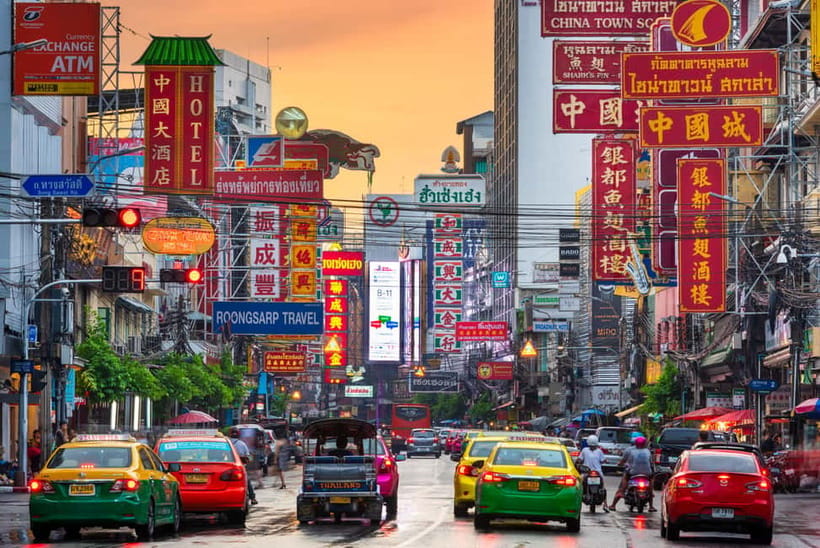
Bangkok’s Chinatown can feel like a wall of noise, traffic, signs, incense, and food stalls when you first arrive. That is part of its appeal, but it is not always easy to understand on your own. This tour gives the district a clear shape. You learn how Chinese immigration, commerce, religion, charity, and metalwork shaped the streets you are walking through.
I like the route because it does not stop with Wat Traimit and the Golden Buddha, the best-known sight in this part of town. It also takes you to Wat Pathum Khongkha, the Talad Noi Community Museum, tucked-away shrines, and old ironworks lanes. Those less famous stops help explain how the neighborhood functions.
The tour lasts four hours and costs $19 per person. That is strong value if you want an introduction to two historic districts without paying for a full-day excursion. Your fee includes an English-speaking licensed guide and a bottle of water, but not food or personal purchases. Bring some cash if you hope to snack in the market, though no specific meal stop is promised.
More Street Art Walking Tours in the world:
- Blackbeard to Banksy – The Ultimate Walking Tour of Bristol
★ 5.0 · 1,961 reviews - Bristol: Blackbeard to Banksy Guided Walking Tour
★ 4.9 · 1,422 reviews - London: Street Art and Graffiti Guided Walking Tour
★ 4.9 · 1,354 reviews
Meeting at MRT Wat Mangkon Exit 3
The standard meeting point is MRT Wat Mangkon Exit 3. This is a sensible starting place because it puts you directly into Chinatown rather than wasting time collecting people from several distant hotels.
Pickup may be available as a paid option. If you select it, you are asked to wait in your hotel lobby at least five minutes before the arranged time. The guide will look for you with a sign bearing your name. One booking included a private pickup in a clean car with a driver, while another had a delay of about an hour caused by a failed pickup. That second detail is a useful reminder to confirm the pickup option and allow some slack in your morning plans.
If you meet at the MRT station, arrive ready to walk. Wear light clothing and comfortable shoes. A hat, sunscreen, and extra water are sensible in Bangkok’s heat, even though one bottle is included.
Wat Mangkon and the first taste of Yaowarat
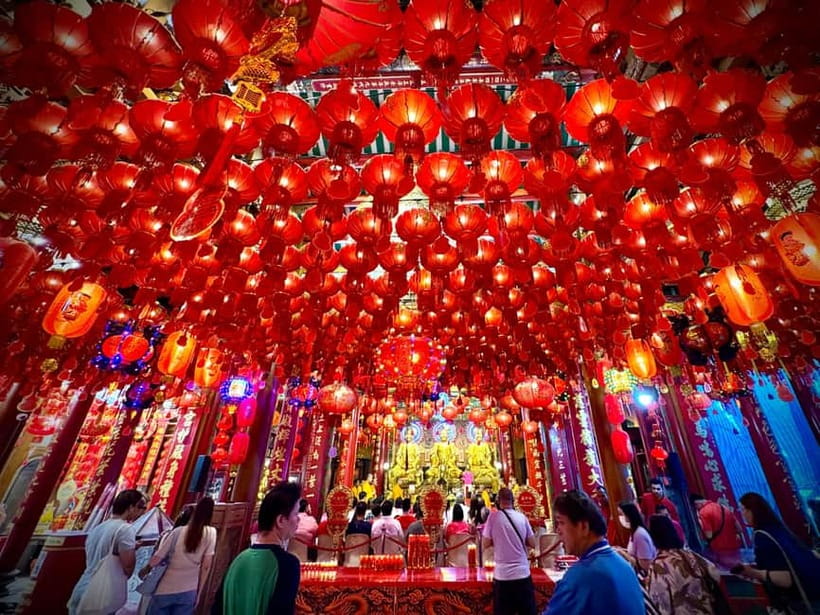
The first major stop is Wat Mangkon Kamalawat, one of Bangkok’s most important Chinese Buddhist temples. It gives you an immediate sense of the spiritual side of Chinatown, with the guide explaining how Chinese religious traditions fit into the local community.
This is more than a quick temple photograph. The stop helps you read the district. Incense, shrines, offerings, and worshippers are part of daily life here, not simply decoration for visitors. Dress lightly, but remember that you are entering religious spaces. Follow your guide’s instructions about respectful behavior and photography.
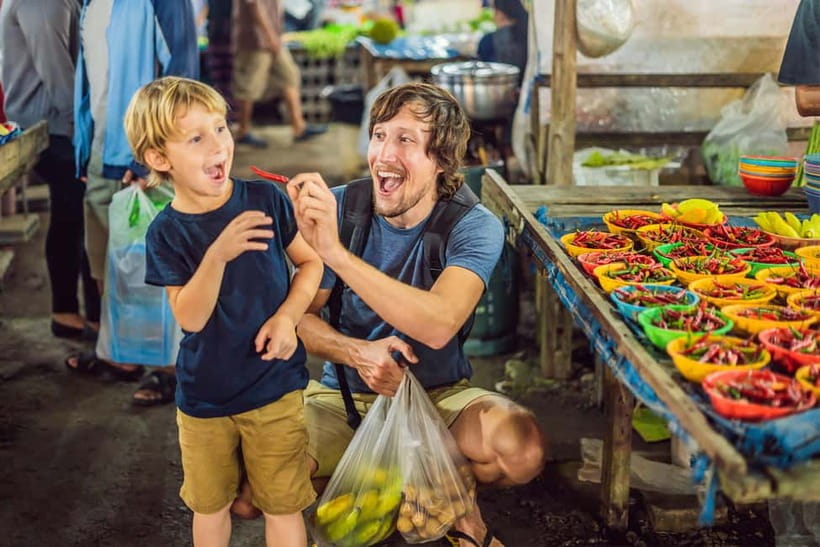
From the temple, the walk continues into a morning market. This is where Chinatown becomes a working neighborhood rather than a sightseeing set. Expect stalls, food, incense, shopfronts, and people handling their daily business. The exact market activity will depend on the day and time, so treat it as a chance to observe rather than a fixed food tasting session.
That distinction matters. Meals are not included, and the tour does not promise a set menu. You may find something tempting along the way, but plan to pay for snacks yourself and do not rely on the walk as breakfast or lunch.
Tian Fah Foundation Hospital and the story of charity
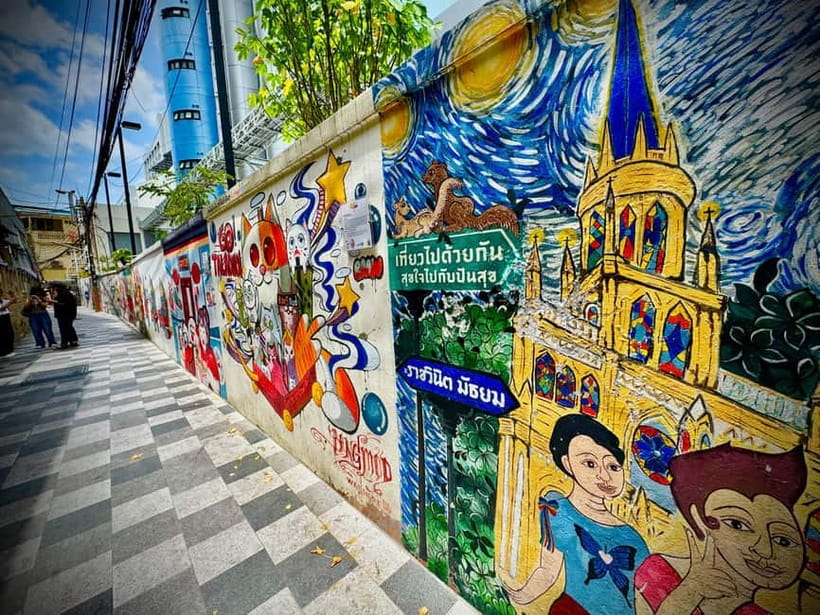
The Tian Fah Foundation Hospital adds an important layer to the route. It was Thailand’s first Chinese charitable hospital, and its presence shows how immigrant communities built institutions to support their own people and the wider city.
I find this kind of stop especially useful because it moves the story beyond temples and trading streets. A neighborhood is not made only by shops. Hospitals, foundations, shrines, and community groups tell you how people settled, organized, and cared for one another.
Your guide is the key here. Names assigned to the walk include Jenny, Nok, Mai, Jib, Toto, Ploy, and Mariyah. The strongest pattern in the feedback is not one particular sightseeing claim, but the guides’ ability to explain clearly, answer questions, and keep the walk personal. Jenny is praised for patience and simple explanations, while Nok is noted for connecting the area with Thai-Chinese culture, trade, commerce, and immigration.
More Guided Tours in the world:
- Berlin: City Street Art Guided Walking Tour
★ 4.8 · 1,051 reviews - Palermo: Graffiti and Street Art Guided Tour in English
★ 4.8 · 684 reviews - Glasgow: Street Art Guided Walking Tour
★ 4.8 · 385 reviews - Athens: Guided Urban Street-Art Tour
★ 4.9 · 361 reviews
Wat Traimit and the Golden Buddha
The story of the Golden Buddha at Wat Traimit is another major Chinatown stop. The guide explains the tale behind the statue, giving you more than a quick look at one of Bangkok’s famous religious sights.
This is a good example of why a guide helps. Large temples can be visually impressive but difficult to place in context. You may remember the gold, the scale, or the crowd, yet miss the story that gives the object meaning. Here, the stop is tied to the wider development of Chinatown and its Chinese heritage.
The route does not turn every sight into a long formal lecture. It is a walking tour, so the pace keeps changing as you move between temples, market streets, and residential lanes. If you want extended time at each temple or a slow photography session, four hours may feel tight. If you prefer a moving overview, the rhythm works well.
Wat Pathum Khongkha and quieter city streets
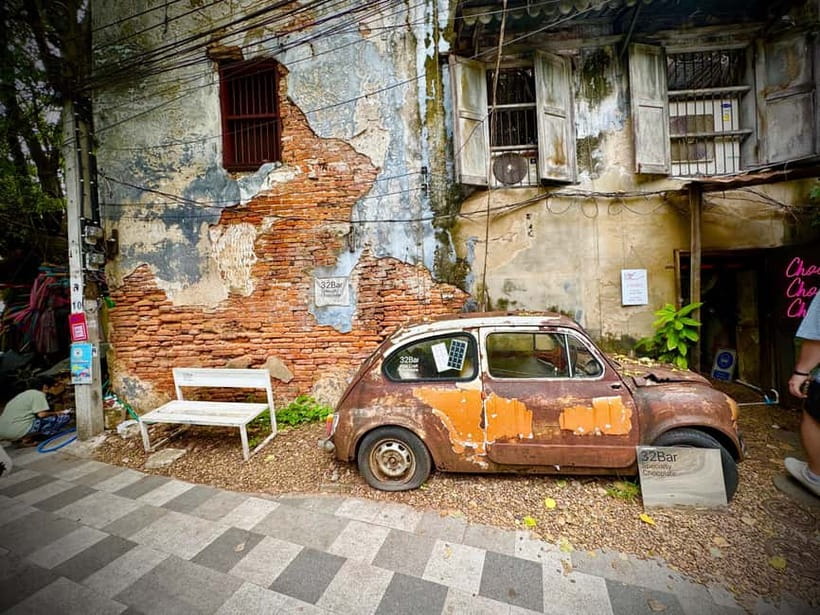
Wat Pathum Khongkha offers a calmer contrast to the commercial energy of Chinatown. The temple is described as peaceful and connected with royalty, giving the group a chance to pause and see another side of Bangkok’s religious architecture.
I like this change of pace. A good city walk needs quiet moments, otherwise every stop blends into a stream of noise and movement. This temple also helps show that the area is not only Chinese commercial Bangkok. Its streets contain several layers of Thai history and belief.
The route through the lesser-known streets is where the tour feels most useful to first-time visitors. You pass old buildings, small shrines, and lanes that are easy to miss if you stay on the main road. Your guide links these ordinary-looking places to stories of immigration, commerce, and local legend.
Do not expect polished streets throughout. The appeal is the lived-in setting, not perfect presentation. Watch your footing, stay aware of traffic, and keep the group in sight when the lane narrows.
Talad Noi’s ironworks lanes and street art
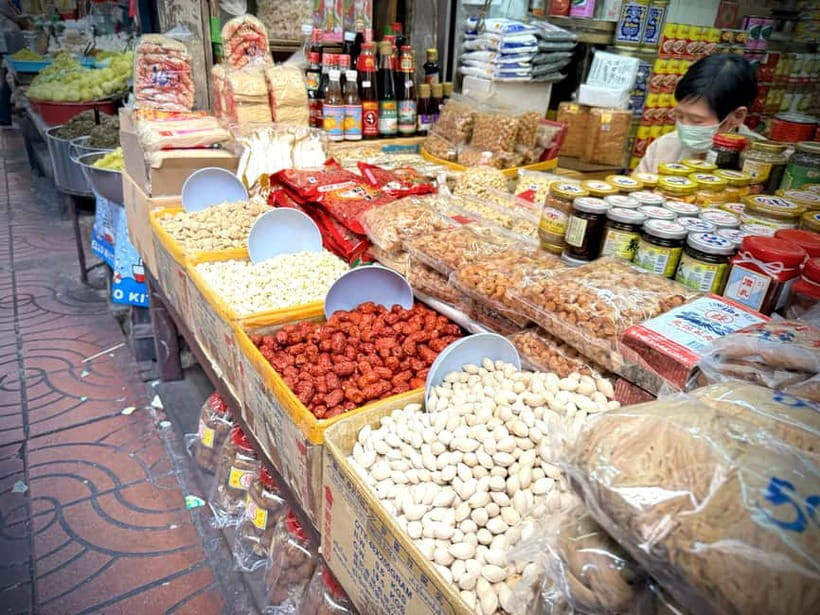
After Chinatown, the walk reaches Talad Noi. The neighborhood is tied to Chinese craftsmen who once forged metal tools in its narrow alleys. That detail gives the district a strong sense of work and place. You are not simply seeing old walls. You are walking through streets shaped by skilled labor and family businesses.
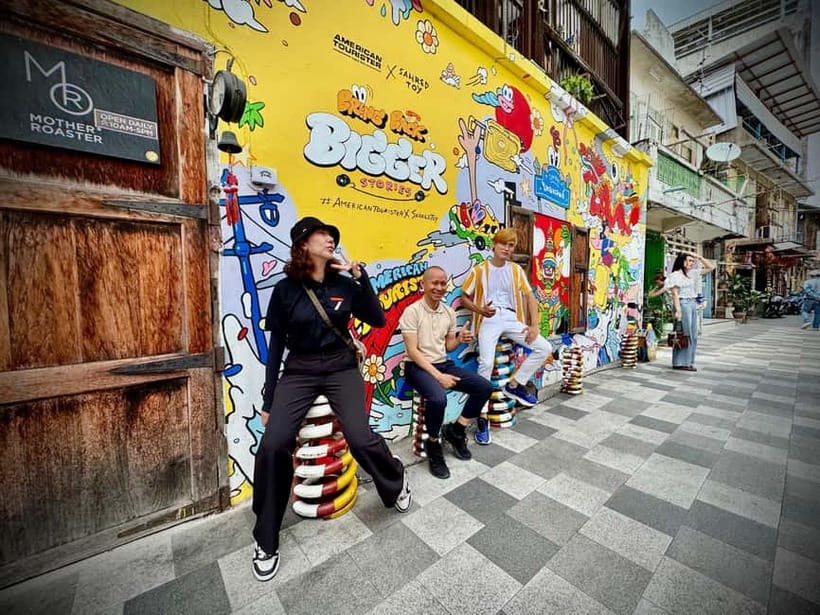
Talad Noi also brings a creative change to the tour. Colorful street art appears among older buildings and community spaces. The art makes good photographs, but the guide’s explanation is more valuable than the image alone. You learn how the neighborhood has carried its past into a changing Bangkok.
The Talad Noi Community Museum adds another piece to the story. It is a useful stop for connecting the small details you have seen on foot: old commerce, Chinese settlement, craft, faith, and community life. The museum visit also gives the group a brief break from the open street.
The tour includes free time in Talad Noi, which is helpful if you want a little longer with a photo, a shrine, or a shop. The exact amount of free time can vary, so do not assume you will have a long independent wander.
Shrines between old buildings
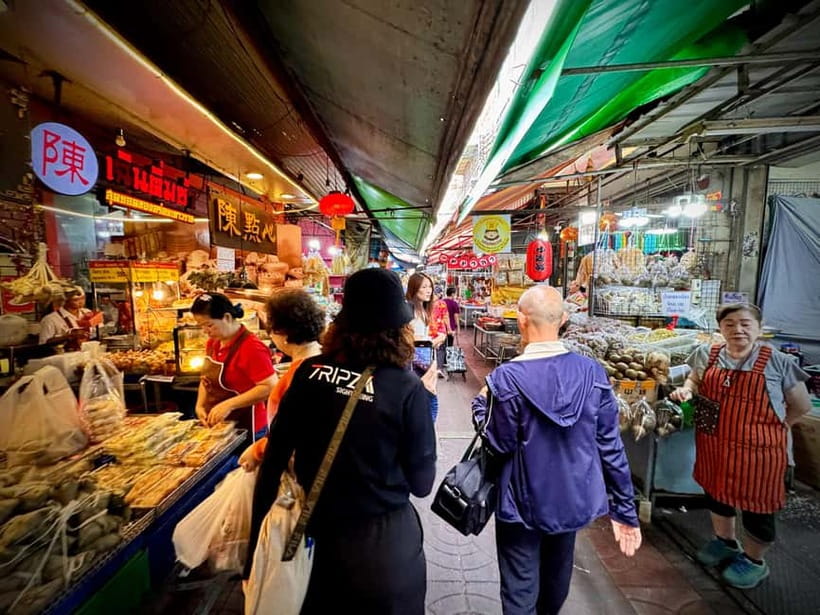
One of the most appealing parts of the route is the search for small shrines tucked between older structures. These places can be easy to overlook when you are focused on traffic or storefronts. With a guide, you are more likely to notice them and understand why they matter.
This is also where the personal style of the guide makes a difference. Several guides are praised for being friendly, patient, and flexible. One guide adjusted the walk to match a participant’s interests, while another brought traditional snacks for a private outing. Those details suggest that the experience may feel more like exploring with a local companion than following a rigid script, though the exact guide and group size will vary.
Families can enjoy this section because there are plenty of visual details and stories. Still, four hours of walking can be a lot for young children, especially in hot weather. One family found the explanations clear and the guide patient, but you should judge your own group’s stamina.
Ending at River City Bangkok
The walk ends at River City Bangkok beside the Chao Phraya River. This is a practical finish because you are not left in an obscure lane with no clear next step.
You can stop for a riverside lunch, continue exploring the area, or look into a scenic boat ride. Since food is not included, this is a natural time to eat and rest. The ending also makes the tour useful as part of a larger Bangkok day: Chinatown in the morning, the river afterward.
There is no return transport included in the standard plan. That is not a problem if you enjoy arranging your own afternoon, but it is worth remembering when planning your schedule. The endpoint is part of the value, since you can continue independently instead of retracing the route to the start.
Guide style and what the feedback reveals
The guide is the heart of this experience. The most praised qualities are clear English, patience, flexibility, warmth, and strong explanations of Thai-Chinese culture.
Jenny appears several times in the feedback and is described as friendly, patient, smiling, and easy to understand. Nok receives praise for explaining trade, commerce, immigration, and Thai-Chinese culture. Mai is noted for a friendly and flexible walk, while Jib is praised for a careful, polite four-hour explanation of temples and surroundings.
Ploy and Mariyah also receive warm comments, including appreciation for thoughtful treatment and a trainee guide who handled the outing well. Toto is described as part of a team that made the group feel safe and well supported.
The overall rating is 4.7 from 36 reviews, with the supplied comments heavily focused on guide quality. That is encouraging, but you should understand the limit: a walking tour depends on the individual guide assigned that day. The route is strong, yet the depth and humor of the experience may differ from one guide to another.
Who should book this walk
I would choose this tour if you want context, street life, and a manageable introduction to Chinatown and Talad Noi. It suits first-time Bangkok visitors, history fans, photographers, and people who prefer local districts to large sightseeing buses.
It also works well for solo visitors. A good guide helps you notice small details and makes a dense neighborhood easier to read. Private or very small groups may feel especially personal, but group size is not specified, so do not book on the assumption that you will have a private outing.
I would skip it if you dislike heat, cannot walk comfortably for four hours, or want a food tour with included tastings. It is also not suitable for pregnant women or wheelchair users according to the activity information.
Book if the price and route fit your plans. For $19, you get four hours, an English-speaking licensed guide, a bottle of water, several major sights, and a useful introduction to Bangkok’s Thai-Chinese story. Just wear sensible shoes, protect yourself from the sun, and leave room in your day for an independent riverside stop afterward.
FAQ
Where does the tour begin?
The standard meeting point is MRT Wat Mangkon Exit 3.
Where does the tour end?
The walk ends at River City Bangkok beside the Chao Phraya River.
How long does the tour last?
The tour lasts four hours.
What language is the tour offered in?
The live tour guide speaks English.
Is hotel pickup available?
Pickup is available as an optional choice. If you select it, wait in your hotel lobby at least five minutes before the scheduled pickup time.
Is food included?
No. Meals are not included, and personal expenses are also excluded.
Is bottled water provided?
Yes. One bottle of water is included.
What should I wear?
Wear comfortable shoes and light clothing. A hat and sunscreen are also recommended.
Is the tour suitable for wheelchair users?
No. The activity is not suitable for wheelchair users.
Can I cancel for a full refund?
Yes. You can cancel up to 24 hours in advance for a full refund. You can also reserve now and pay later.
Just added around the world
- Your Own Belgrade: Street Art and Hidden Gems Walking Tour★ 5.0 · 2 reviews
- Xochimilco floating gardens, Coyoacan and UNAM murals★ 4.0 · 6 reviews
- Vienna Urban Art Tour: Explore a different side of Vienna!★ 3.8 · 14 reviews
- Wynwood Walls Street Art & Neighborhood Walking Tour★ 4.9 · 9 reviews
- Vancouver: Street Art & Craft Beer Walking Tour with Tasting★ 4.8 · 14 reviews
- Vancouver: Street Art & Craft Coffee Walking Tour w/ Tasting★ 4.8 · 11 reviews
- Urban Canvas: Osaka Street Art Bike Tour★ 5.0 · 10 reviews
- UNAM: Murals & Revolution★ 4.9 · 8 reviews
Street Art Walking Tours, compared.
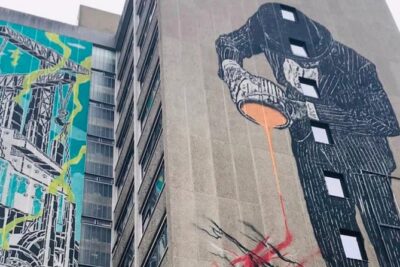
Blackbeard to Banksy – The Ultimate Walking Tour of Bristol
Read our review →
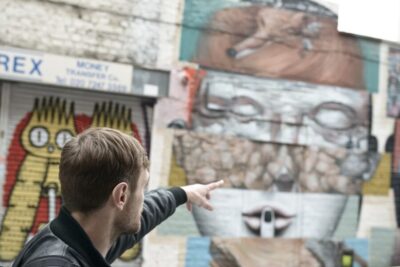


Naples Spanish Quarters Walking Tour Street Art, Folklore & Sweet
Read our review →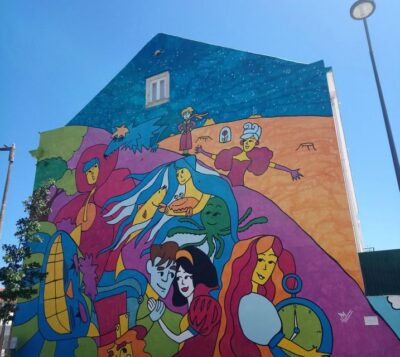

Brooklyn Graffiti & Street Art Walking Tour in Bushwick
Read our review →Browse the lists this tour appears in