
REVIEW · ATHENS
Athens: Guided Street Art Walking Tour
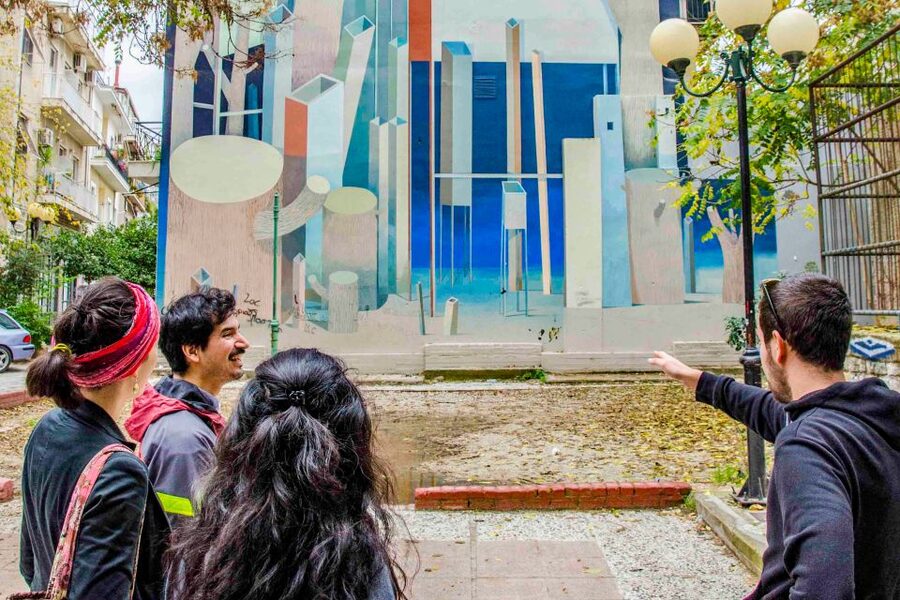
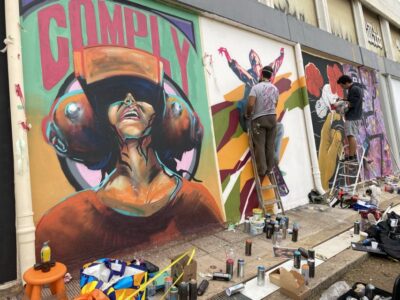
Athens tells its modern story in spray paint. On this three-hour walk, a local artist guide leads you through Psyri, Gazi, and Monastiraki, explaining how to read the city’s walls rather than simply photograph them. You’ll see work by artists such as iNO, WD, and Moralez, along with plenty of pieces that may be gone or changed by your next visit.
I like two things here: the guide is part of the local art scene, and the route takes you beyond the Acropolis circuit into neighborhoods you might otherwise pass by. The main caution is practical: this is a walking tour over city streets, with no transport and no wheelchair access, so comfortable shoes and steady mobility matter.
Key points at a glance

- A working artist leads the walk: Guides including Nikos, Pavlina, Elisabeth, and Achilles bring an insider’s view of Athens graffiti and its creators.
- Three central neighborhoods: The route links Thiseio, Psyri, Gazi, and Monastiraki, ending in Psyri.
- Art with a political edge: Expect discussion of Greece’s economic and social crises, protest, identity, and everyday life.
- A useful way to see Athens: The tour adds contemporary culture to the city’s ancient monuments and introduces local streets away from the main sights.
- Good for families with older children: Several families found the tour held the attention of children and teenagers, especially those interested in art.
- Plan for a real walk: The tour lasts three hours, uses no transportation, and is not suitable for wheelchair users or people with mobility impairments.
Why Athens street art deserves three hours

Athens is often treated as an open-air museum of temples, statues, and marble columns. That is only half the picture. Its walls carry a running conversation about politics, money, frustration, humor, identity, and hope.
The value of this tour is not just the number of murals you see. It gives you a way to read them. Your guide can explain the difference between a quick tag, a planned mural, a political statement, and a work made mainly for visual effect. That context helps you look at Athens differently for the rest of your stay.
I especially like the link between art and recent Greek history. The country’s economic crisis and social pressures are not presented as a dry lecture. They appear through images, slogans, symbols, and the choices artists make about where and how to work.
The art is also temporary. A piece may be painted over, damaged, altered, or replaced. That makes the walk feel tied to the present rather than fixed in a museum. You are seeing a city in conversation with itself.
More Street Art Walking Tours in Athens:
- Athens Street Art Walk
★ 5.0 · 309 reviews - Private Tour: Athens Street Art Walking Tour
★ 5.0 · 23 reviews - Athens: Street Art Walking Tour
★ 4.7 · 23 reviews
Starting in Thiseio, where old Athens meets the present
The meeting point is in front of the Association of Greek Archaeologists in Thiseio. It is easy to reach from Thissio station on the green line, or from Monastiraki station on the blue line by walking along Adrianou Street.
This is a smart starting area. Thiseio is close to the major archaeological sights, yet the tour quickly shifts your attention from ancient stone to modern walls. You begin with a useful explanation of what street art is, which helps prevent the walk from becoming a simple hunt for colorful backdrops.
That opening matters. Without it, you might lump every mark on a wall together. With it, you can start noticing style, scale, placement, purpose, and the difference between commissioned work and unauthorized painting.
Your guide may also use the early part of the route to explain how graffiti developed in Athens. Since guides such as Nikos have personal experience with street art, the discussion can include the working methods and attitudes behind the pieces, not only a standard date-and-name presentation.
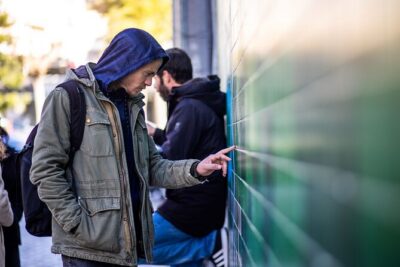
The route is not a formal art gallery. You may stop on pavements, in side streets, and near buildings where the surrounding setting is part of the story. Pay attention to the architecture and street life around each work, because the same image can mean something different in a tourist plaza than on a worn neighborhood wall.
Psyri: Athens in layers of paint

Psyri is the main finishing neighborhood and one of the most rewarding parts of the route. It has a strong mix of older buildings, restaurants, bars, workshops, and creative businesses. Here, street art appears in layers, with large works beside small tags and newer pieces covering older ones.
A guide can help you separate decoration from message. Some pieces are made to catch the eye from across the street. Others use coded imagery or local references that are easy to miss if you are not familiar with Athens.
This is also where the tour’s social side becomes clear. You may hear about the pressures faced by people living through the Greek economic crisis, or about the political ideas expressed through graffiti. The point is not that every painted wall has one correct meaning. A good guide gives you enough background to form your own view.
Nikos is frequently mentioned by name as a relaxed and engaging guide, but the team has included other artists, such as Pavlina, Elisabeth, and Achilles. The exact guide can affect the tone of the walk, yet the central strength remains the same: you are hearing about Athens from someone connected to its art world.
Psyri is also a handy place to finish. Past participants have received suggestions for nearby restaurants, bars, and cafés, and one guide included a coffee stop in a local café. These recommendations are not part of the formal inclusions, so treat them as useful local advice rather than a promised meal break.
Gazi: industrial edges and a different side of Athens

The walk continues to Gazi, another central neighborhood with a more urban feel. The area helps show that Athens street art is not limited to the postcard center or the streets immediately around the Acropolis.
Gazi is useful for understanding how neighborhood identity shapes public art. Industrial-looking settings, large blank walls, and changing commercial areas offer a different backdrop from the narrow streets of Psyri. Your guide can connect the art to the area’s past and present, while pointing out works that you might not locate on your own.
This is one reason the tour works better than a self-guided photo walk. You can certainly find graffiti in Athens by wandering, but you are unlikely to know which works are significant, which artists made them, or how a particular image connects to local politics and daily life.
The route may include recent work, and that brings a small uncertainty. Street art changes quickly. The specific walls shown on one date may not look the same later. That is not a flaw in the concept, but you should book this for the conversation and local perspective as much as for any single mural.
More Guided Tours in Athens:
- Athens: Guided Urban Street-Art Tour
★ 4.9 · 361 reviews - Bristol: Blackbeard to Banksy Guided Walking Tour
★ 4.9 · 1,422 reviews - London: Street Art and Graffiti Guided Walking Tour
★ 4.9 · 1,354 reviews - Berlin: City Street Art Guided Walking Tour
★ 4.8 · 1,051 reviews
Monastiraki: the busy center with an alternative view
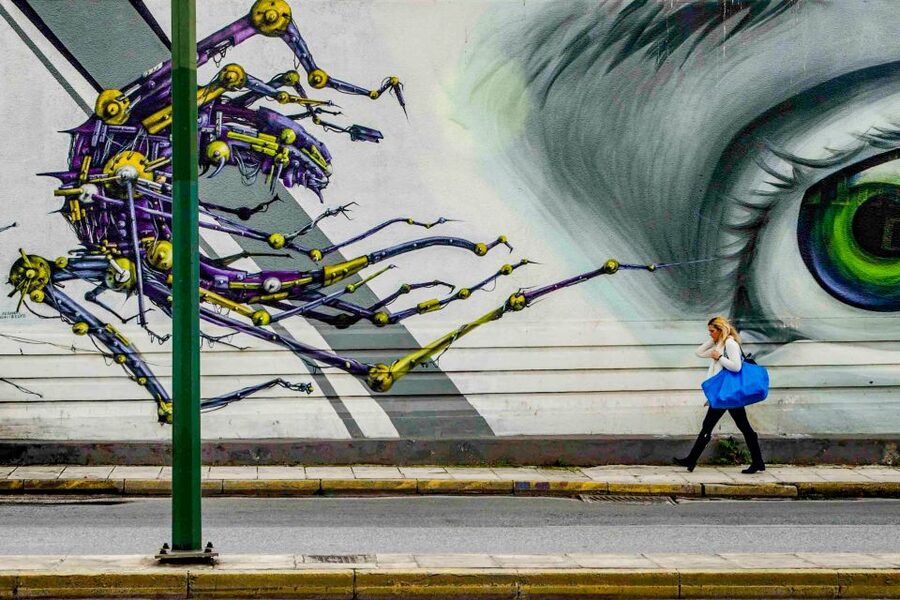
Monastiraki is one of Athens’s best-known central areas, filled with shops, food spots, archaeological remains, and heavy pedestrian traffic. It may seem like an odd place to search for an alternative view of the city, but its popularity creates a useful contrast.
The tour can show you how contemporary art exists alongside the classic Athens experience. You may begin the day thinking of the city mainly through ancient monuments, then see how modern artists respond to the same streets and pressures.
Monastiraki is also a practical landmark. If you arrive by metro, you can walk from the blue line station along Adrianou Street to the meeting point in Thiseio. That makes the activity easy to combine with sightseeing in the historic center, though you should allow time to arrive before the walk begins.
The official finish is in Psyri, not Monastiraki. That distinction matters if you have a timed reservation or need to meet a driver afterward. The tour is on foot, so you will need to make your own way back or continue exploring from the end point.
What the artist guides add
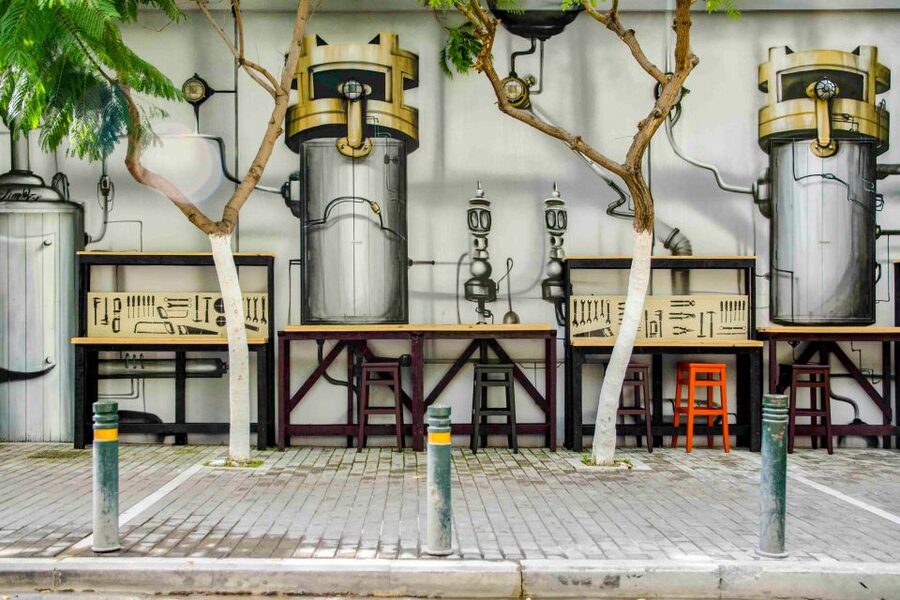
The guide is the heart of this experience. A general city guide can identify a mural, but a practicing or former street artist can discuss technique, artistic choices, local names, and the culture around the work.
Nikos, also associated with the name Rude, has led many of the walks. He is described as having a calm, friendly manner and a strong grasp of both street art and wider Greek culture. Pavlina has also led tours, with a style that connects street art to struggle, revolution, and contemporary city life. Other named guides include Elisabeth and Achilles.
You should not assume that every booking will have Nikos. The listed languages are English and French, and the guide is assigned by availability. If a particular guide matters to you, ask the provider before booking rather than relying on a name you have seen elsewhere.
The best guides do more than talk. They invite questions, compare interpretations, and make room for people who know little about art. That makes the tour suitable for beginners as well as art students. One especially useful feature is the chance to discuss the work rather than receive a one-way lecture.
The tone is informal. Several descriptions compare the experience to exploring with a local artist friend. That does not mean the tour lacks structure. The three-hour route has a clear neighborhood focus, but the conversation can move naturally from a mural to architecture, food, politics, or life in Athens.
Price, pace, and practical value

At $57 per person, this is not the cheapest way to spend three hours in Athens. You are paying for a specialist guide and interpretation, not transport, admission tickets, or a meal.
I think the price makes sense if you care about modern culture, photography, politics, architecture, or street art. It also offers good value if you have only two or three days in Athens and want an efficient introduction to neighborhoods you would not confidently explore on your own.
The value is weaker if you only want to see famous ancient sites, dislike long walks, or prefer to explore independently. Athens has plenty of graffiti, and a person with time and curiosity can find a great deal without paying for a tour. The difference is that you will miss much of the background and may not know which pieces or artists deserve your attention.
The pace is described as comfortable, but three hours on foot still requires stamina. Wear supportive shoes, carry water, and consider the heat when choosing a starting time. The activity does not include transportation, and it is not suitable for wheelchair users or people with mobility impairments.
Private groups are available. That can be useful for families, friends, or art students who want more control over the conversation. A private format may also suit you if you want to ask detailed questions without worrying about slowing down a larger group.
Who will enjoy this most

This tour is a strong choice for:
- Art lovers and photographers who want context, not just attractive walls.
- Teenagers and older children who may find contemporary art more immediate than another ancient monument.
- Repeat visitors to Athens who have already seen the main archaeological sights.
- First-time visitors with limited time who want a guided introduction to modern neighborhoods.
- People interested in Greek politics and society who want to see how public art reflects recent events.
- Architecture fans who enjoy the contrast between old buildings, changing neighborhoods, and new artwork.
It is less suitable if you have mobility limits, want an air-conditioned activity, or need a tightly timed sightseeing schedule. The route can also be less satisfying if you expect every stop to feature a famous mural. Street art is changeable, and some of the most interesting pieces may be small, damaged, or politically pointed rather than conventionally beautiful.
Families should consider the ages and interests of their children. The tour has worked well for children around 11 to 18, particularly those interested in art. Younger children may find the walking and extended explanations less absorbing.
How to fit it into an Athens visit

I would schedule this early in your stay. Once you learn the names of artists, recognize recurring styles, and understand some of the social context, you can notice more on your own afterward.
The meeting point is convenient for a day in the historic center. You could pair the tour with ancient sights before or after it, but do not crowd the schedule too tightly. Three hours of walking, plus the time needed to reach the starting point and continue from Psyri, deserves room.
If you plan to visit museums and archaeological sites, this tour works as a useful change of pace. It puts present-day Athens beside the ancient city instead of treating them as separate worlds.
For booking flexibility, cancellation is free up to 24 hours before the activity, and you can reserve now and pay later. Starting times vary, so check availability for your date.
Should you book the Athens street art walk?
Book it if you want Athens beyond the Acropolis, enjoy asking why a work exists, or like the idea of seeing the city through a local artist’s eyes. The strongest reasons are the three-neighborhood route, the direct discussion of Greece’s recent social and economic struggles, and the chance to find streets you might otherwise overlook.
Skip it if you need step-free access, have little tolerance for walking, or want a conventional sightseeing tour focused on ancient Athens. For everyone else, $57 buys more than a series of murals. It gives you a set of tools for reading the city, plus a better sense of how Athens expresses itself today.
FAQ
How long does the Athens street art tour last?
The walking tour lasts three hours.
Where does the tour start?
The meeting point is in front of the Association of Greek Archaeologists in Thiseio.
How can I reach the meeting point?
You can take the green line train to Thissio, or take the blue line to Monastiraki Metro Station and walk along Adrianou Street.
Which neighborhoods does the tour visit?
The route includes Psyri, Gazi, and Monastiraki, with the activity starting near Thiseio and finishing in Psyri.
Where does the tour finish?
The tour finishes in Psyri.
Which languages are available?
The tour is offered in English and French.
Is transportation included?
No. This is a walking tour, and transportation is not included.
Is the tour suitable for wheelchair users?
No. The activity is not suitable for wheelchair users or people with mobility impairments. Comfortable shoes are recommended.
Just added around Athens
- Athens Street Art – Private Walking Tour★ 5.0 · 9 reviews
- Athens Street Art Bike Tour★ 5.0 · 20 reviews
- Athens Food and Wine Walk from Street Art to Greek Dinner★ 5.0 · 11 reviews
- Explore Athens Street Art & Street Food Extravaganza★ 5.0 · 18 reviews
- Private Tour: Athens Street Art Walking Tour★ 5.0 · 23 reviews
- Street Art Tour & Graffiti Painting Workshop in Athens★ 5.0 · 6 reviews
- Athens: Greek Life and Street Art Electric Bicycle Tour★ 4.7 · 16 reviews
- Private Athens Street Art & Culture Tour★ 5.0 · 9 reviews
Athens Street Art Tours, compared.



Awesome Street Art Tour in Athens with a Local Expert Small-Group
Read our review →

Browse the lists this tour appears in