
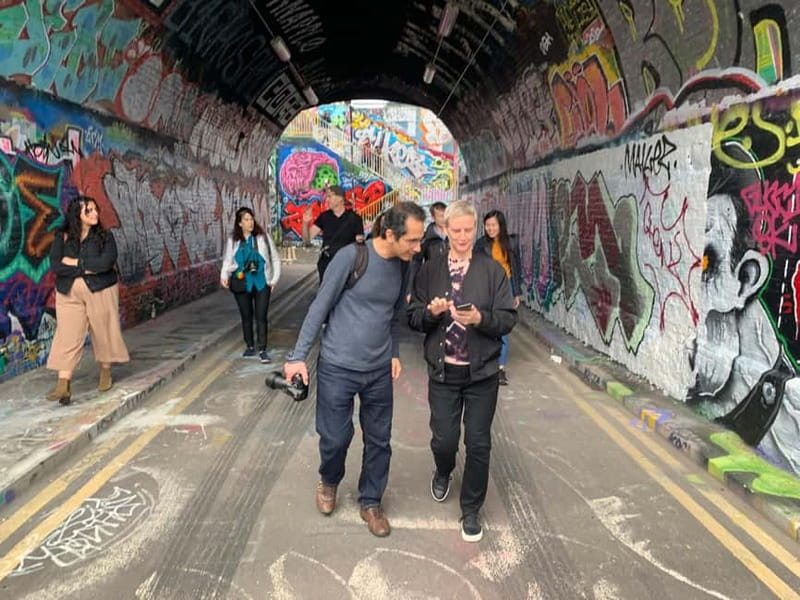
REVIEW · LONDON
ADVANCED GRAFFITI STREET ART TOUR / SHOREDITCH / EAST LONDON
Shoreditch is not a street-art museum. Its walls change, pieces fade, and artists still work in the gaps. That makes this 2.5-hour walking tour more than a hunt for Banksy murals. James of Jam Graffiti Tours explains how to read the whole area, from quick tags and painted letters to political stencils and carefully planned street art.
I like two things in particular: the tour puts Banksy in context, rather than treating him as the only artist worth seeing, and James explains the codes, rivalries, and visual choices that most people walk past. I also like the small group limit of 15, which leaves room for questions.
The main drawback is that this is an outdoor walking tour, and Shoreditch can be cold and busy. One Banksy work may also be unavailable depending on access, though the tour includes at least three. It is not suitable for wheelchair users.
Key points at a glance
- At least three Banksy works: You learn about Banksy’s methods, inspirations, disputes, and place in London’s street-art story.
- Shoreditch and Brick Lane: The route covers some of East London’s best-known art-filled streets, along with less obvious corners.
- Graffiti codes explained: James breaks down tags, lettering, layering, rivalries, and the slang used by writers.
- Small groups, real conversation: The maximum of 15 helps the guide answer questions instead of delivering a fixed speech.
- More than Banksy: Ben Eine, Team Robbo, London writers, and newer artists receive proper attention.
- Strong photo opportunities: Photography is welcome, but you must act discreetly if artists are working nearby.
Why this Shoreditch walk is different from a Banksy photo hunt
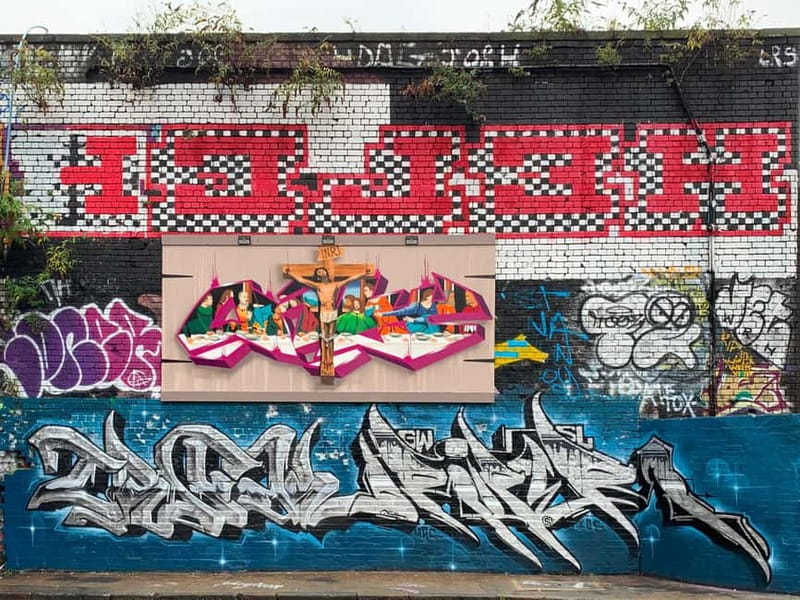
You can walk through Shoreditch and see dozens of painted walls without understanding much of what you are looking at. A tour guide can point out the obvious Banksy piece, but that does not explain why one wall matters, how a work relates to the area, or why another piece beside it may be more important to graffiti writers.
This tour takes a more serious approach. You learn where graffiti came from, how it changed in the United Kingdom, and how class, politics, gentrification, and social media shaped its development. That context matters because street art is not just decoration. It can be a personal signature, a public argument, a response to another artist, or a way to claim space.
James is the guide, and his approach is analytical without being stiff. He explains what to look for, then gives you time to look again. That second glance is the point. A wall that first appears to be a jumble of paint can reveal lettering styles, old layers, deliberate placement, and links to other writers.
You do not need a background in art. The tour works for first-time visitors, but it also has enough detail for people who have already taken a street-art walk or explored Brick Lane alone.
More Graffiti Tours in London
- London: Street Art and Graffiti Guided Walking Tour
★ 4.9 · 1,354 reviews - Shoreditch Street Art and Graffiti Tour (Private Group Booking)
★ 5.0 · 108 reviews - London: East End Instagrammable Street Art & Graffiti Tour
★ 4.9 · 22 reviews
Entering Shoreditch through layers of graffiti
The Shoreditch section gives you a useful introduction to the area as a living canvas. You are not simply shown a set of finished murals. You see how walls are altered, painted over, tagged, and reclaimed.
A key part of the experience is learning the difference between graffiti and street art. Those terms overlap, but they do not mean exactly the same thing. James explains the artistic styles and the social codes behind them, including how writers identify themselves and how work can be ranked or challenged within the scene.
This is where the tour earns its price. A self-guided walk gives you access to the walls, but not the vocabulary. Once you know what a tag, throw-up, piece, or layered wall may represent, the entire neighborhood becomes easier to read.
You should expect to stop often. The route is built around looking closely, discussing details, and asking questions. If you prefer to cover lots of ground quickly, the pace may feel slow. If you want to understand what is in front of you, that pace is useful.
Brick Lane and the social side of street art
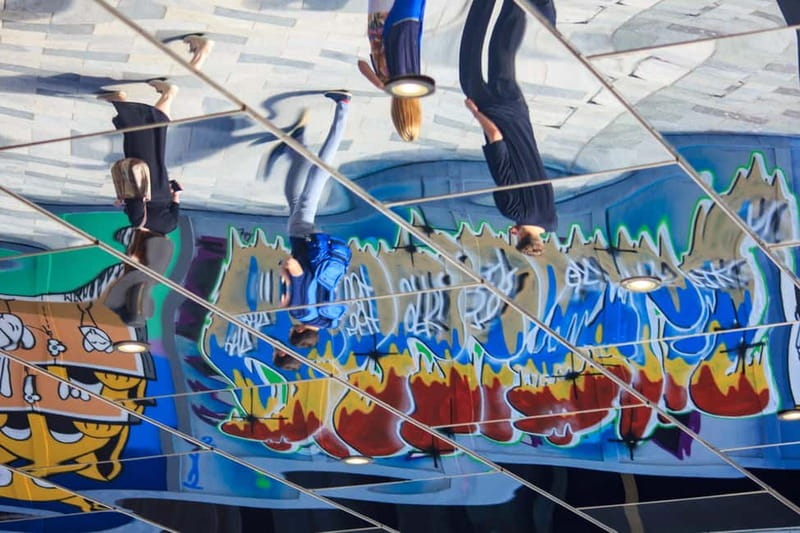
Brick Lane is one of the tour’s main settings, and it is a strong place to discuss the push and pull around street art. The area is famous for creative work, but it has also changed through gentrification and commercial growth. Those forces affect which walls survive, who gets heard, and how public art is treated.
The tour does not present street art as a simple feel-good attraction. You look at the political and social issues tied to the work, including disputes over ownership, permission, public space, and commercial use. That makes the walk more honest.
Brick Lane is also useful for showing several styles close together. You may see large painted works, small stencils, lettering, paste-ups, and fast tags within a short distance. James helps you compare them instead of placing them all under one broad label.
This part should appeal to photographers, but remember that walls can change. Street art is temporary by nature. A piece may be partly covered, removed, or altered by the time you visit. The value is not only in getting a perfect photograph. It is in understanding why the work was there and how it fits into the wider scene.
Banksy, three works, and the stories behind them
The tour includes at least three Banksy works in East London, with a fourth possible depending on access. That is enough to satisfy anyone hoping to see Banksy, but the real benefit is the discussion around each piece.
James covers Banksy’s history, inspirations, artistic methods, and controversies. You get more than a quick identification and a camera stop. The conversation places Banksy within London graffiti and street art, then asks why his work reached such a large public audience.
That distinction matters. Banksy is often treated as a complete category of his own, but he grew out of a wider culture of writers, political artists, and image makers. The tour gives you a way to appreciate his work without ignoring the artists around him.
Access is the one uncertainty. The advertised plan includes three pieces, while a fourth depends on current access. You should not book expecting a guaranteed number of four. The route and available walls can change, which is normal for an outdoor art experience.
You will have plenty of photo chances, but do not reduce the Banksy stops to quick snapshots. Listen for the details about inspiration and controversy. Those stories help explain why a simple image can become a public argument.
More Graffiti Tours in the UK
- East End London Instagrammable Street Art and Graffiti Tour
★ 5.0 · 16 reviews - 3-Hour Private Tour of East London Graffiti & Street Art
★ 4.5 · 5 reviews
Ben Eine and the writers beyond Banksy
Ben Eine receives specific attention, and that is a useful choice. He is known for mastering both graffiti and street art, so his work helps show how the two forms can overlap without becoming identical.
The tour also pays respect to legendary London writers and covers newer developments. You may come away with several artist names to research later, rather than remembering only Banksy. That is a sign that the tour is doing its job.
One of the best features is the attention given to lettering and style. Graffiti is often judged quickly by people who cannot read its codes. James explains how artists make choices about form, scale, color, placement, and repetition. You begin to see that a letter style can be as personal as a painter’s brushwork.
The tour also connects London’s scene with graffiti communities in the United States and France. That wider view helps explain why local walls can reflect international ideas while still carrying a distinct London character.
Team Robbo versus Banksy
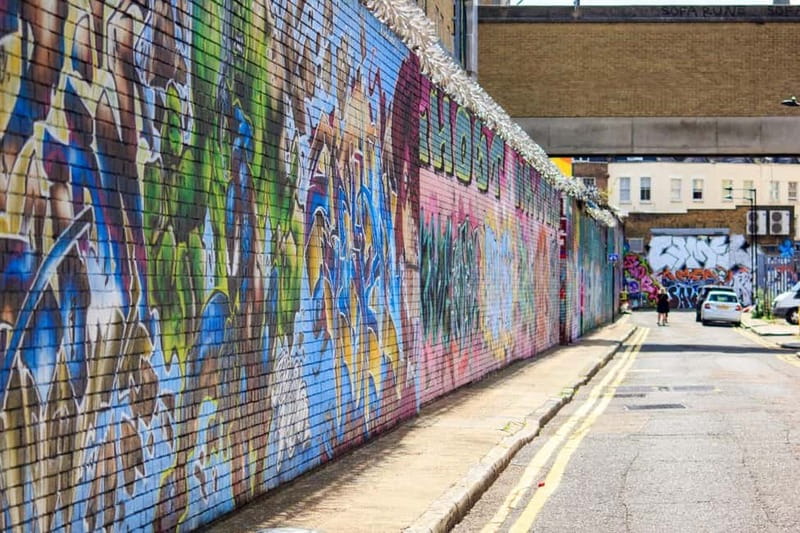
The Team Robbo versus Banksy conflict adds a human and political edge to the tour. It is not just an entertaining feud. It raises questions about authorship, respect, territory, and what happens when one artist alters another artist’s work.
James uses the conflict to explain the unwritten rules of graffiti culture. Those rules are not always visible to people walking past. A painted wall may look like a finished object, but writers can see who arrived first, what was covered, and whether a change was seen as fair or insulting.
This is a strong example of why context improves the experience. Without an explanation, you may see only competing images. With one, you can consider how the artists understood the wall and each other.
The subject also keeps the tour balanced. Street art is often discussed as a pleasant urban feature, but it can involve conflict and strong opinions. That complexity is part of what makes the scene worth studying.
The guide’s teaching style and group size
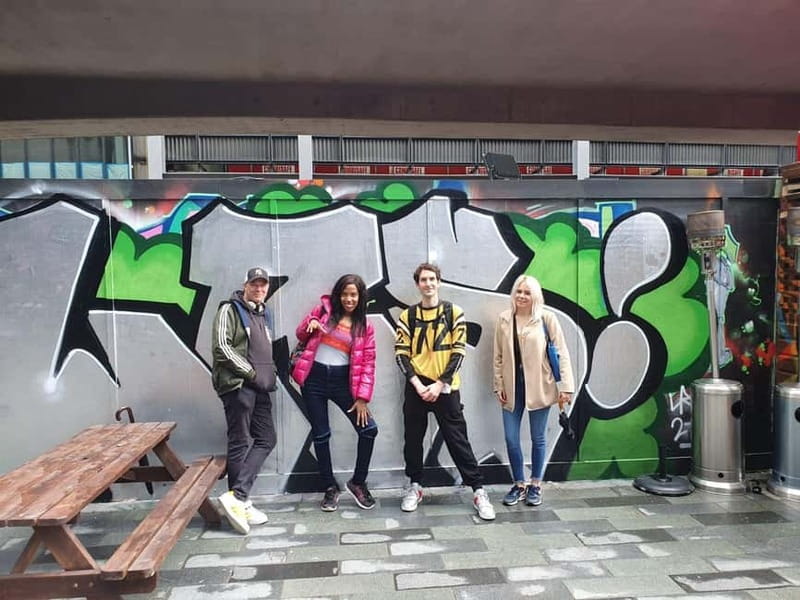
James is clearly the central part of the experience. He is described as friendly, passionate, well prepared, and able to answer detailed questions. That matters because this tour promises analysis, not just sightseeing.
The small group limit is 15 people. The group may be smaller, and on one occasion it continued with only three participants. For you, that means a better chance to ask about a particular artist, style, or technical detail.
This is especially useful if you are visiting with a teenager. A 12-year-old and a 14-year-old were both able to engage with the tour, and families with children as young as seven found the subject accessible. Younger children may enjoy the colors and stories, while older children can start thinking about public space, politics, and artistic identity.
The English-only format is worth noting. James can answer questions in English, but the activity is not listed as multilingual.
What the 2.5 hours feel like
The duration gives the guide enough time to build an argument. You start with origins and terminology, then move through the local scene, artist examples, Banksy, rivalries, and current developments.
This is not a quick loop with a few photo stops. You should expect a mix of walking, standing, looking up at walls, and listening. Wear comfortable shoes and dress for the weather, especially in winter. The tour runs outdoors, and cold can make a long stop less pleasant.
Photography is allowed and encouraged. Keep your camera ready, since the walls offer frequent photo opportunities. However, if you see artists at work, you should be discreet and must not photograph them without express permission.
That rule is more than basic courtesy. The tour is about a living art form, not a staged performance. Giving artists space helps protect the respectful relationship between visitors and the local scene.
Is $22 good value?
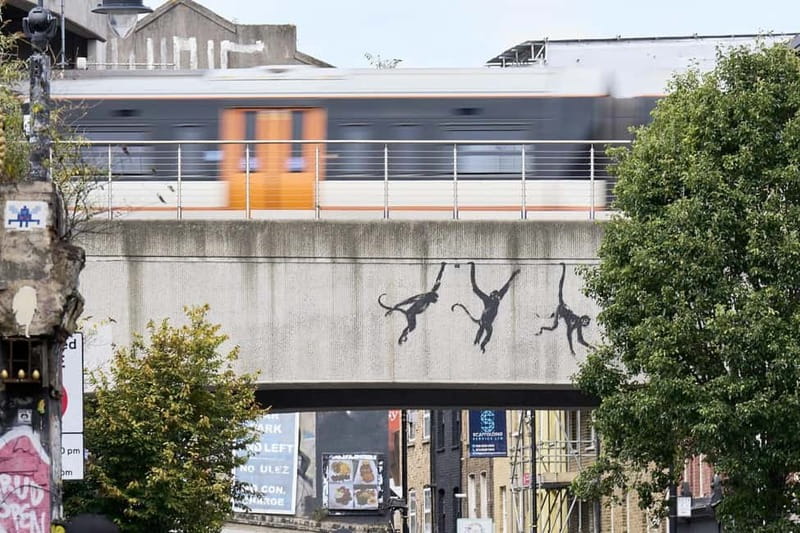
At $22 per person, this is a reasonable price for 2.5 hours with a specialist guide and a maximum group of 15. You are paying for interpretation, not merely access to public walls. The route itself is free to walk, but the stories, artist connections, and visual vocabulary are what turn a walk into a useful experience.
The value is strongest if you are new to graffiti or have already visited Shoreditch but felt you were missing something. One participant who had visited the neighborhood three times found the tour changed the way the area looked. That is the lasting benefit: you can keep using the skills after the tour ends.
The price may feel less worthwhile if you only want a short Banksy checklist. You can probably find some well-known works on your own, though you may miss less visible pieces and the background behind them.
You can reserve now and pay later, and cancellation is free up to 24 hours before the start time. Those policies make it easier to fit the walk into a changing London schedule.
Who should book this tour?
I would choose this tour if you want to understand street art rather than simply photograph it. It suits art students, curious first-time visitors, photographers, families with older children, and anyone interested in London’s social and political life.
It is also a good choice for repeat visitors to Shoreditch. The neighborhood can seem familiar after one visit, but a guide who points out overlooked details can give you a new reason to return.
You may want to skip it if you dislike outdoor walking, need step-free access, or prefer a short, purely visual introduction. Wheelchair users should note that the activity is listed as unsuitable.
Should you book the Advanced Graffiti Street Art Tour?
Book it if Banksy is part of your plan but not the whole plan. You will see at least three Banksy works, yet the stronger experience is learning how those pieces sit within London’s wider graffiti culture.
James’s detailed explanations, the small group format, and the focus on codes and rivalries make this more useful than a standard photo walk. Just allow for changing access, outdoor weather, and plenty of time standing at walls. At $22, it offers solid value for anyone who wants to leave Shoreditch seeing more than paint.
FAQ
How long is the Advanced Graffiti Street Art Tour?
The tour lasts 2.5 hours.
Where does the tour take place?
It covers Shoreditch, Brick Lane, and other parts of East London.
How many Banksy works will I see?
The tour includes at least three Banksy works. A fourth may be included depending on access.
Who guides the tour?
The guide is James from Jam Graffiti Tours.
Is the tour conducted in English?
Yes. The live tour guide speaks English, and English is the listed language.
How large is the group?
The group has a maximum of 15 people. It may be smaller depending on bookings.
Can I take photographs?
Yes. Photography is allowed and encouraged. If artists are working, you must act discreetly and not photograph them without express permission.
Is the tour suitable for wheelchair users?
No. The activity is listed as not suitable for wheelchair users.
Can I cancel or pay later?
You can cancel up to 24 hours in advance for a full refund. You can also reserve your place and pay later.
Just added around London
- Shoreditch Street Art Private Photography Tour including Brick Lane★ 5.0 · 5 reviews
- London Street Art Tour of the East End Semi-Private 12ppl Max★ 5.0 · 23 reviews
- The Great Street Art Experience★ 5.0 · 2 reviews
- London Street Art Tour of the East End Exclusive Walking Tour★ 5.0 · 12 reviews
- Private Shoreditch Street Photography Workshop★ 4.5 · 4 reviews
- 3-Hour Private Tour of East London Graffiti & Street Art★ 4.5 · 5 reviews
- London Unexpected Private Tour – Markets, Street Art & Camden Town★ 5.0 · 2 reviews
- Private Royal London Bike Tour with pub & street art★ 5.0 · 2 reviews
London Street Art Tours, compared.
London Bike Tour: Landmarks, Secret Gems, Pub Stop & Street Art
Read our review →
Landmarks & Secrets Bike Tour with Pub & Street Art
Read our review →

East End Street Art Tour and Spray Painting Workshop
Read our review →
Shoreditch Street Art and Graffiti Tour (Private Group Booking)
Read our review →Browse the lists this tour appears in