
REVIEW · GRAFFITI TOURS
Nairobi Street Art and Graffiti Tour
Nairobi’s walls tell stories that a standard city tour can miss. In three hours, you may move from murals and downtown alleys to the loud, painted world of matatus, then hear how politics, hardship, music, and hope shape everyday city life. The street art is the entry point, but the wider experience is urban culture.
I like two things here. A local guide gives the art a human voice, explaining who made it and what its symbols mean. I also like the chance to ride a nganya, Nairobi slang for matatu, into Eastlands, surrounded by wild vehicle art and loud music. The main caution is simple: this may feel more like a general city exploration than a dedicated art crawl, with only a few major murals on some departures.
Key points to know before booking
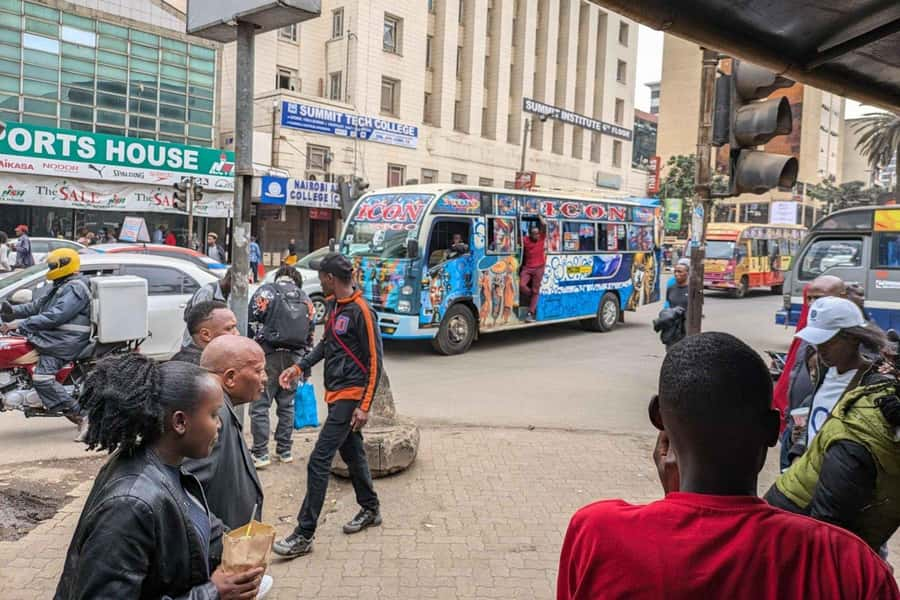
- Expect more than wall art: The tour can include politics, history, slang, music, matatus, and present-day Nairobi life.
- A nganya ride may be part of the route: One detailed outing included a matatu trip into the densely populated Eastlands area.
- Your guide matters: Guides are local artists or cultural experts. Kevin has led at least one tour and is praised for making unfamiliar areas easier to approach.
- The art count may vary: You can see graffiti and murals, but the tour is not guaranteed to focus on a large number of works.
- It is a private three-hour outing: That gives you room for questions and photos without a large group setting.
- CBD pickup is included: Hotel pickup and drop-off apply within Nairobi’s Central Business District.
Nairobi’s walls as a record of city life
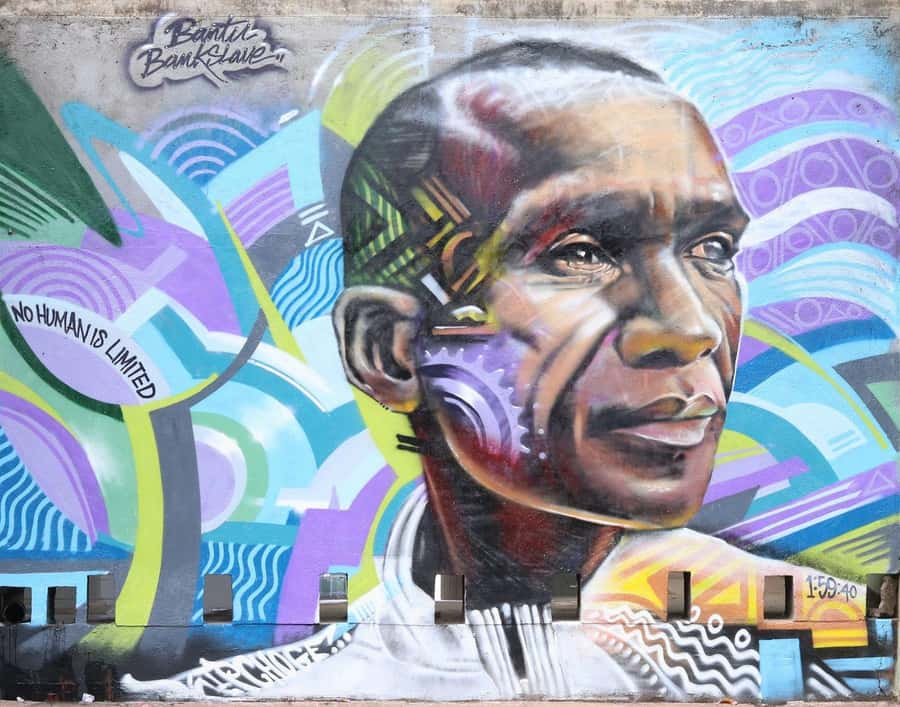
Street art in Nairobi is not just decoration. A painted wall can speak about identity, elections, inequality, community, or the wish for a better future. Your guide helps you read those messages instead of treating the city’s art as a backdrop for quick photos.
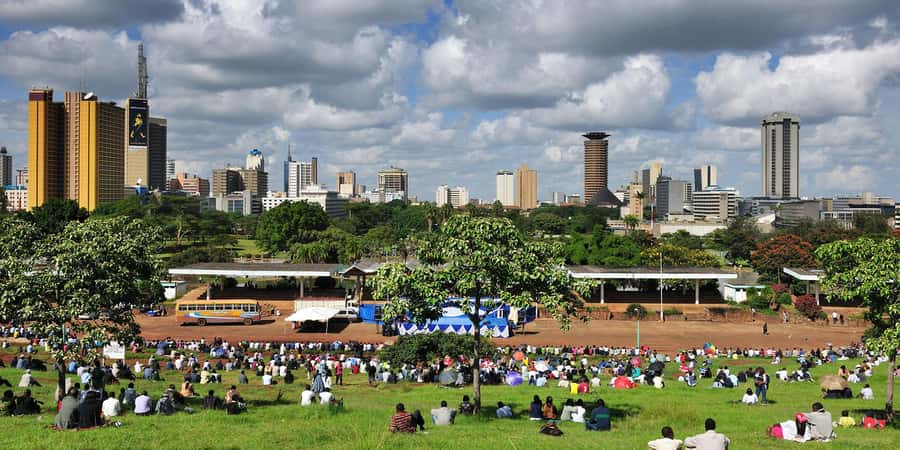
The exact route can change, but the experience may take you through Nairobi West, central streets, and less obvious downtown lanes. These areas offer different types of city art. Some pieces are large public murals with a clear message. Others are smaller tags, painted signs, or quick bursts of color that make more sense when a local explains the setting.
I like this approach because it puts the art in context. A mural about empowerment means more when you understand the social pressure behind it. A political image means more when you know which event or public debate it reflects. Without that context, you might see only bold paint. With a guide, you get a better sense of why a wall became a place for public expression.
Still, you should set your expectations correctly. This is not presented as a fixed gallery route with a long list of named works. The amount of street art you see can depend on the day, the route, and current conditions in the city. One outing included only a few street art pieces, with one especially detailed explanation. If you want nonstop murals, this may not be the right fit.
More Graffiti Tours in the world:
- Medellin: Comuna 13 Graffiti Tour, Cable Car & Street Food
★ 4.8 · 9,046 reviews - Wynwood Graffiti Golf Cart Small-Group Tour
★ 5.0 · 1,646 reviews - London: Street Art and Graffiti Guided Walking Tour
★ 4.9 · 1,354 reviews
From Nairobi West to downtown alleys
The walking portion gives the tour its strongest sense of place. You are not simply driven between attractions. You move through working streets, look closely at walls, and see how art sits beside shops, traffic, signs, and daily city routines.
Nairobi West is mentioned as one possible area for powerful murals and wall art. Downtown can offer a different mood, with narrow lanes and less polished surroundings. The value is not only in finding a perfect photograph. You are seeing where art appears in ordinary public space and how people pass it every day.
The walking can be substantial. One outing covered about 9,000 steps, so comfortable shoes are a smart choice. Three hours can pass quickly when you are stopping for photos and stories, but the route still requires steady movement. If you prefer a short, low-effort sightseeing stop, ask about the route before confirming.
The start may also feel a little unorganized. Pickup instructions say that a guide meets you at your hotel lobby or agreed point 15 to 30 minutes before the start if you are staying in the CBD. If you are outside the CBD, you receive a meeting point and Google Maps pin. Keep your phone ready for WhatsApp or SMS, since that is how same-day coordination is handled.
Once the tour gets moving, the private format should help. You can ask why a particular image was painted, stop for a photo, or spend longer on a piece that interests you. That flexibility matters more here than on a standard sightseeing circuit, because street art is often discovered in small moments rather than at clearly marked entrances.
The matatu culture that changes the tour
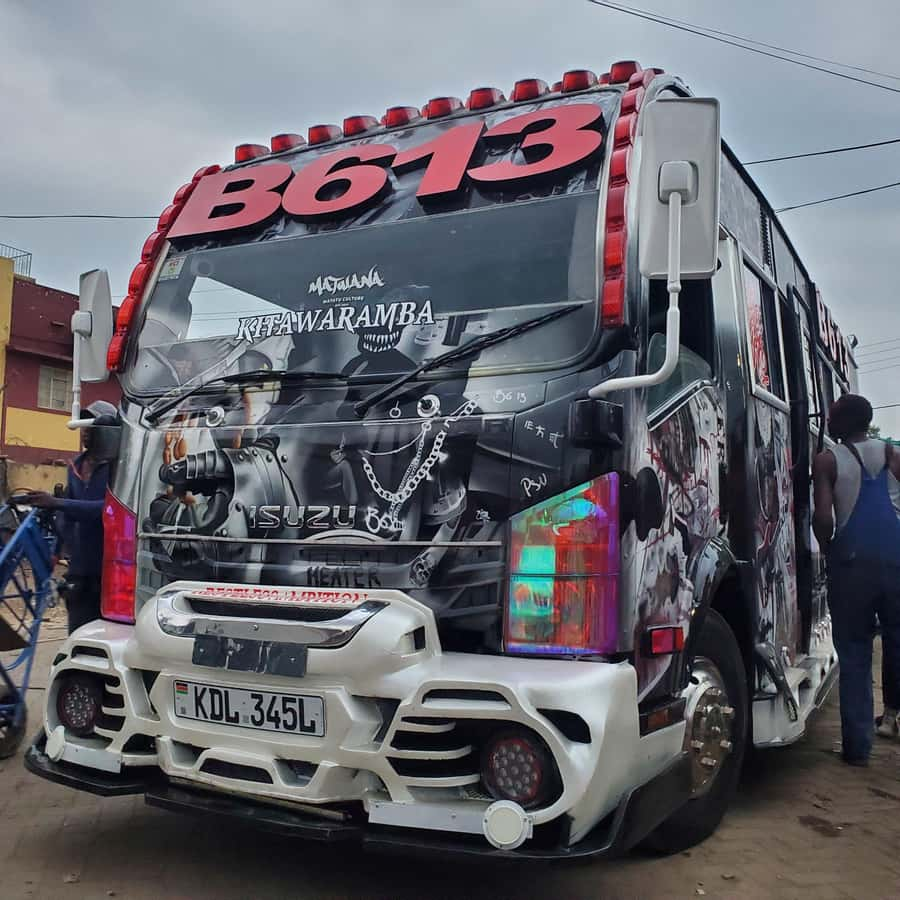
The matatu section may be the most memorable part of the experience. Matatus are shared minibuses, and Nairobi’s decorated versions are often called nganyas. Their painted exteriors, loud music, and strong visual style form a moving part of the city’s creative culture.
One outing included riding a nganya toward Eastlands. That adds a real local transport experience to the walking tour and takes you beyond the central areas most short city visits cover. You see how design, music, slang, and public transport connect in Nairobi.
This is also where the tour becomes broader than its title suggests. You may come for graffiti and end up learning about Nairobi slang, popular music, neighborhood life, and the ways people make room for joy during difficult times. The matatu is not just transportation on this route. It is part of the city’s public art scene and social life.
The ride may not suit everyone. Matatus are lively and can be loud, and public transport is less predictable than a private vehicle. The experience information does not promise a matatu ride on every departure, so treat it as a possible part of the route rather than a guaranteed feature. If the nganya experience is your main reason for booking, confirm the plan with the operator.
Meeting Kevin and hearing the city from a local guide
The guide is central to the value of this tour. The experience uses a local artist or cultural expert, and that person can explain things that are hard to learn from a photograph or guidebook.
Kevin led one outing and brought a friendly, informed approach to Nairobi’s history and present-day realities. His route included political and cultural art, a matatu ride, and Eastlands. If Kevin is assigned to your group, you can expect the tour to reach beyond painted walls into questions of hardship, community, and how people cope by coming together.
Guide assignments can vary, so Kevin is not guaranteed. That is worth knowing before you book. The supplied information describes the guide as often an artist or activist, which suggests a focus on meaning and social issues rather than only taking you to photo stops.
I would use the private format to ask direct questions. Ask what a symbol means, how artists choose public walls, or why certain messages appear in particular neighborhoods. You may not meet an artist in person, even though the experience description allows for opportunities to meet local creatives. One outing did not include an artist meeting, so consider that a possibility rather than a promise.
A few more street art tours around the world worth a look
- Moco Museum Amsterdam Entrance Tickets with Banksy & More
★ 4.4 · 10,088 reviews - CDMX: Xochimilco, Coyoacan, Frida Kahlo Museum & Murals Tour
★ 4.4 · 3,025 reviews - Moco Museum Barcelona Banksy & More
★ 4.6 · 2,340 reviews - Amsterdam: Streetart Museum STRAAT Entrance Ticket
★ 4.8 · 2,137 reviews
What the political and social art adds
Some art on this route deals with politics, identity, empowerment, and hope. Those themes can make the experience more serious than a colorful photo walk. You are seeing public comment in a city where walls can carry messages that are not found in formal museums.
The guide may connect individual works to historical events and current realities. That context is important because a political image can look vague if you do not know what it refers to. A short explanation can turn an attractive mural into a record of public feeling.
This kind of tour also shows how creativity can help people handle hard conditions. The focus is not only on protest. It includes community, humor, music, and the ability to create something bold in a crowded urban setting. That balance keeps the outing from becoming a grim lecture.
The tradeoff is that the tour may feel less tidy than a museum visit. You are walking through active neighborhoods rather than controlled exhibition rooms. The art may be weathered, partly covered, or viewed quickly. For me, that is part of the point, but you should choose this tour for the setting and stories as much as for polished art.
Photography, storytelling, and what you actually receive
You will have plenty of chances to take photos and short videos. The painted matatus are especially suited to photography, and the mix of walls, vehicles, signs, and street scenes gives you more variety than a single mural stop.
The experience includes photography opportunities and storytelling sessions, bottled water, and entry fees if the route uses certain galleries or spaces. Meals and snacks are not included, so eat before you go or plan around the start and finish time. Personal purchases and souvenirs are also your responsibility.
Because this is a private group, you can keep the focus on your own interests. An art lover can ask about technique and symbolism. A photographer can pause for better framing. Someone visiting Nairobi for the first time can ask basic questions about slang, transport, and neighborhood life without holding up a large group.
Do not assume that every photograph will be an art photograph. Much of the pleasure comes from capturing the surrounding city and the matatu culture. If your goal is a carefully selected series of major graffiti works, you may find the art coverage too light. If you want photos that show Nairobi as people experience it, the broader route works better.
Is $95 a fair price for three hours?
At $95 per person, this is not a cheap walking tour. The price makes more sense if you value a private guide, hotel pickup and drop-off within the CBD, bottled water, local storytelling, and help handling a route you might not feel comfortable attempting alone.
The possible nganya trip also adds value. A ride into Eastlands with a local guide gives you access to a side of Nairobi that can be difficult to approach without local help. That is not the same as simply checking off a mural. You are paying for interpretation, coordination, and a wider look at the city.
The value is weaker if you want only graffiti. Since the route may include general city exploration and only a few major works, a dedicated art fan could feel that the price does not match the art count. A private photography walk with a clearly fixed mural route might suit that purpose better, though no alternative is included here.
For a first visit to Nairobi, I see the price as easier to justify if your interests include culture, transport, music, and social history. The tour is best understood as a private urban culture outing with street art at its center, not as a three-hour outdoor gallery.
Timing, pickup, and practical planning
The activity lasts three hours, with start times based on availability. Check the available time before booking because the information does not provide one fixed departure schedule.
Pickup and drop-off are included for hotels within Nairobi CBD. Your guide aims to meet you in the lobby or at the designated point 15 to 30 minutes before the start. Staying outside the CBD means arranging your own transport to the meeting location, and transportation beyond the stated pickup zone is not included.
Keep your mobile phone reachable by WhatsApp or SMS on the day. That is especially useful if you are being collected or meeting the guide at a separate starting point. Save the meeting-point address and map pin before leaving your hotel.
Wear shoes suitable for a long walk and bring a phone or camera with room for photos. Bottled water is supplied, but snacks are not. Since the route may include public transport, keep personal belongings secure and carry only what you need.
Free cancellation is available up to 24 hours before the tour for a full refund. You can also reserve and pay later, which helps if your Nairobi schedule is still changing.
Who should book this Nairobi experience?
I would choose this tour if you want a local view of Nairobi that combines visual art with real city life. It suits photographers, first-time visitors who want more than landmark stops, and anyone curious about matatus, slang, music, politics, and neighborhood culture.
It is also a good choice if you would like to explore areas beyond the central tourist circuit but prefer a guide to help with the route. The private format gives you a more personal pace, and a guide such as Kevin can make unfamiliar parts of the city easier to approach.
I would hesitate if your main goal is to see a large number of graffiti pieces or meet working artists. The experience can include those elements, but neither is guaranteed. You also need to be comfortable with a long walk, a possible public transport ride, and a start that may require some coordination.
Should you book the Nairobi Street Art and Graffiti Tour?
Book it if you want street art as a doorway into Nairobi’s wider culture. The strongest parts are the guide’s local perspective, the chance to see political and social messages in context, and the possible nganya ride into Eastlands. Those features offer more than a standard mural walk.
Skip it if you want a tightly planned art itinerary with wall after wall of major pieces. At $95, the value depends on appreciating the broader experience: walking, storytelling, matatu culture, photos, and a more personal look at Nairobi. Go in expecting a lively city outing with art at its core, and you are more likely to feel the price is fair.
FAQ
How long is the Nairobi Street Art and Graffiti Tour?
The tour lasts three hours.
How much does the tour cost?
The listed price is $95 per person.
Is the tour private?
Yes. The activity is offered as a private group tour.
Is hotel pickup included?
Hotel pickup and drop-off are included for people staying within Nairobi’s Central Business District. Pickup is not included outside the designated zone.
Where does the tour go?
Possible areas include Nairobi West, downtown streets and alleys, and Eastlands. The exact route can vary.
Will I ride a matatu?
A matatu, or nganya, ride can be part of the experience. One route included travel into Eastlands, but the available information does not guarantee a ride on every departure.
Are meals included?
No. Meals and snacks are not included. Bottled water is provided.
Can I cancel for a refund?
Yes. You can cancel up to 24 hours before the tour for a full refund.
Just added around the world
- Your Own Belgrade: Street Art and Hidden Gems Walking Tour★ 5.0 · 2 reviews
- Xochimilco floating gardens, Coyoacan and UNAM murals★ 4.0 · 6 reviews
- Vienna Urban Art Tour: Explore a different side of Vienna!★ 3.8 · 14 reviews
- Wynwood Walls Street Art & Neighborhood Walking Tour★ 4.9 · 9 reviews
- Vancouver: Street Art & Craft Beer Walking Tour with Tasting★ 4.8 · 14 reviews
- Vancouver: Street Art & Craft Coffee Walking Tour w/ Tasting★ 4.8 · 11 reviews
- Urban Canvas: Osaka Street Art Bike Tour★ 5.0 · 10 reviews
- UNAM: Murals & Revolution★ 4.9 · 8 reviews
Graffiti Tours, compared.
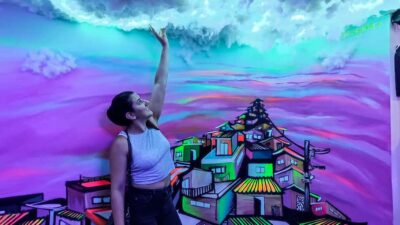
Comuna 13 Graffiti Tour, Cable Car & Street Food
Read our review →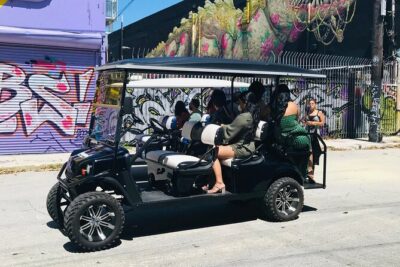
Brooklyn Graffiti & Street Art Walking Tour in Bushwick
Read our review →
Medellín: Comuna 13 Tour with Snacks And Your Own Graffiti
Read our review →Browse the lists this tour appears in