REVIEW · TOURS
Street Art Tour in Vienna
Vienna’s grand palaces get most of the attention, but this walk takes you to a rougher, more changeable side of the city. You’ll see painted walls, tags, crew marks, and large works by artists such as Roa, Nycos, Stratton, Lugosi, and Manuel Muriel, with the Danube Canal serving as the tour’s main open-air gallery.
I like the offbeat route, which reaches Spittelau, Das Werk, Friedensbrücke, and Schottenring rather than staying around the usual sights. I also like the personal guide style: Tobi, who stepped in for a sick guide on one departure, adjusted the walk around his favorite works and gave useful Vienna tips along the way. The main caution is that street art changes fast, and some visitors may find the route heavy on tags rather than polished murals.
Key points before you book
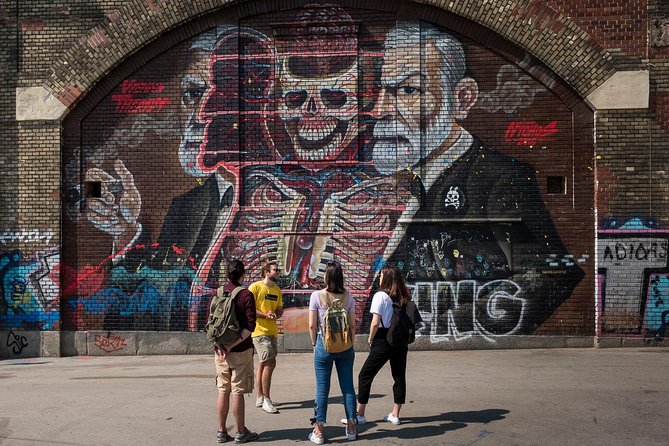
- The route runs from Spittelau to Schottenring, with most of the tour spent walking beside the Danube Canal.
- Das Werk is a key stop, with pieces linked to well-known names in Vienna’s street art scene.
- The art is temporary, and walls may be painted over between visits.
- Guides can shape the walk, so the exact pieces and route may vary.
- Food and drinks are not included, despite the chance to hear about Austrian sausage, beer, and wine.
- Plan for public transport, with transport to and from the attractions listed at €2.20 each way.
Why this walk changes your view of Vienna
Vienna is easy to admire from a palace courtyard or a coffeehouse table. This tour asks you to look at the city’s walls instead. The art is not presented as a neat museum collection. It appears on industrial buildings, canal barriers, underpasses, and surfaces that may not exist in the same form next month.
That changing quality is part of the appeal. You may see a carefully planned mural beside a quick tag, then hear how both fit into the local street art culture. The guide helps you read the difference between a large commissioned work, an illegal piece, a crew mark, and a personal signature.
The walk also takes you into parts of Vienna that are easy to miss if you stay near the Ringstrasse. You’ll begin in the 9th district at Spittelau and finish near Schottenring and the Flex nightclub. The route is practical for visitors who want a break from museums and historic interiors, though it is less satisfying if you only want large, polished murals.
The listed group limit is 20 people. That is small enough for a guide to point out details and answer questions, though the experience will still depend on the guide’s energy and the size of the actual group.
A few more street art tours around the world worth a look
- Moco Museum Amsterdam Entrance Tickets with Banksy & More
★ 4.4 · 10,088 reviews - Medellin: Comuna 13 Graffiti Tour, Cable Car & Street Food
★ 4.8 · 9,046 reviews - CDMX: Xochimilco, Coyoacan, Frida Kahlo Museum & Murals Tour
★ 4.4 · 3,025 reviews
Spittelau starts beneath Vienna’s famous chimney
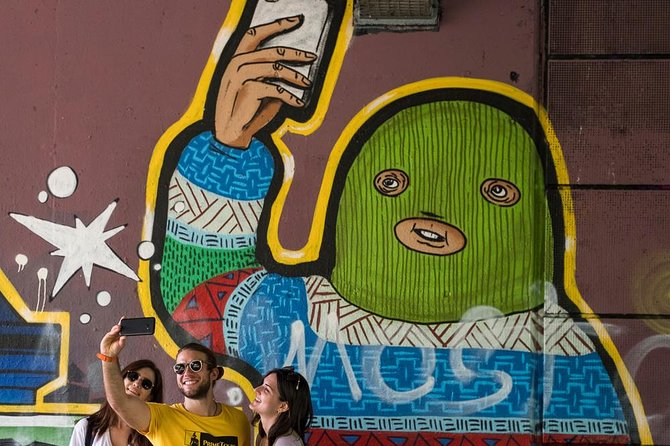
The meeting point is the District Heating Plant Spittelau, at Spittelauer Lände in Vienna’s 9th district. The plant is known for its colorful chimney and unusual exterior, so you get an interesting first look at Vienna’s public art before the walking route properly begins.
The opening 15 minutes introduce the local and global street art scene. You’ll see a few illegal pieces around the area and hear why artists use public walls, industrial sites, and leftover urban spaces. The suburban setting gives the start a different feel from central Vienna, and the chimney provides a memorable landmark for meeting your guide.
This is also where you should pay attention to the guide’s approach. The tour is not simply a procession from one mural to another. You’ll be asked to notice placement, scale, signatures, and the difference between work intended to last and work made for the moment.
Because the start is outside the most visited part of Vienna, leave time to reach Spittelau. The tour does not include transport, and the listed cost for transport to and from the attractions is €2.20 each way. Your confirmation provides the meeting details, but you should still plan your public transport connection before the day begins.
Das Werk brings Vienna’s artists into focus
The next stop is Das Werk, a former industrial setting that functions as a hall of fame for the Vienna street art scene. The stop lasts about 30 minutes, giving you time to look at several pieces and connect names with styles.
Roa, Nycos, Stratton, and Lugosi are among the artists associated with work here. The value of this section is context. Instead of passing anonymous paintings, you begin to recognize recurring forms, signatures, and methods. That makes the rest of the walk easier to follow.
If you enjoy learning who made a work and how artists build a reputation, Das Werk may be one of the strongest parts of the tour. It gives the walk a clear local focus rather than treating Vienna as just another city with painted walls.
The setting also reminds you that street art does not always belong in a formal gallery. An industrial site can offer a better surface, a larger canvas, and a stronger connection to the city’s working spaces. Still, the appeal depends on what is visible on the day you visit. Street art is not a fixed exhibition, and pieces can be covered or changed.
The Danube Canal is the long middle stretch
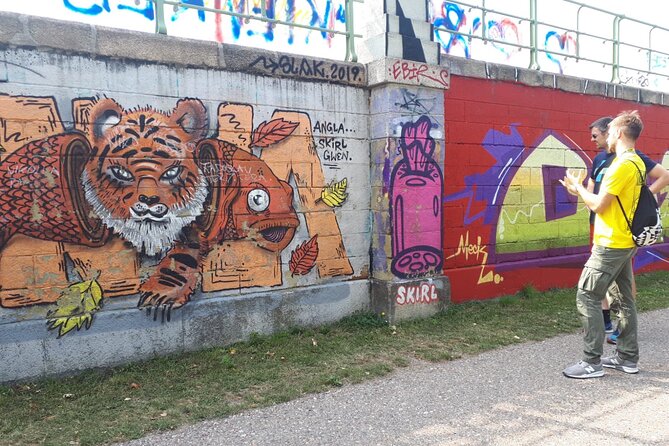
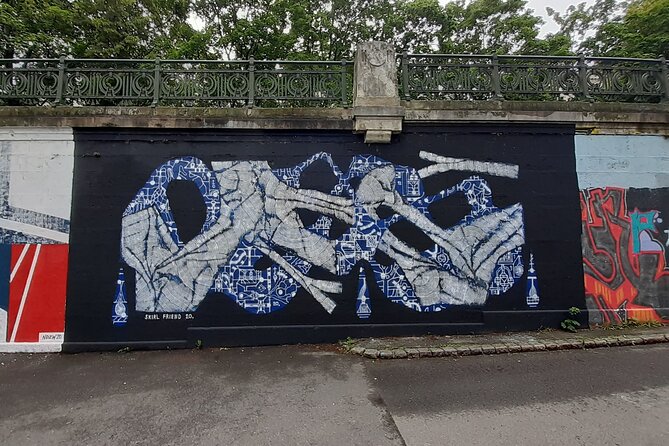
The tour then spends about an hour along the Danube Canal, the main part of the route. You’ll pass legal and illegal walls, see a local hall of fame, and learn about tagging and the artists who have made their mark along the water.
This is where expectations matter most. The canal contains a wide mix of work. Some pieces may be large and carefully finished, while others are quick tags or smaller crew marks. If you are hoping for one perfect mural after another, you may find the route uneven.
I see that variety as useful if you want to understand street art rather than only photograph it. Tagging is part of the subject, and a guide can explain how names and styles spread across the city. You’ll also begin to recognize an artist’s signature, which is one of the tour’s stated aims.
The canal walk is long enough to give you a real sense of the scene, but it is also the part most likely to divide opinion. One visitor felt the route was poor because much of the walk involved tagging. The company acknowledged that the canal has many pieces but also explained that covering everything is difficult and that the art changes.
That is a fair warning. The canal should be treated as a changing public gallery, not a guaranteed list of exact murals. The guide may adjust the walk to show stronger current pieces or personal favorites. On one tour, Tobi chose not to follow the canal route exactly because he wanted to show works he considered more worthwhile.
Same walls, a different guide:
- Moco Museum Barcelona Banksy & More
★ 4.6 · 2,340 reviews - Amsterdam: Streetart Museum STRAAT Entrance Ticket
★ 4.8 · 2,137 reviews - Belfast: Murals Taxi Tour
★ 4.9 · 2,047 reviews - Blackbeard to Banksy – The Ultimate Walking Tour of Bristol
★ 5.0 · 1,961 reviews
Friedensbrücke shows how quickly the walls change
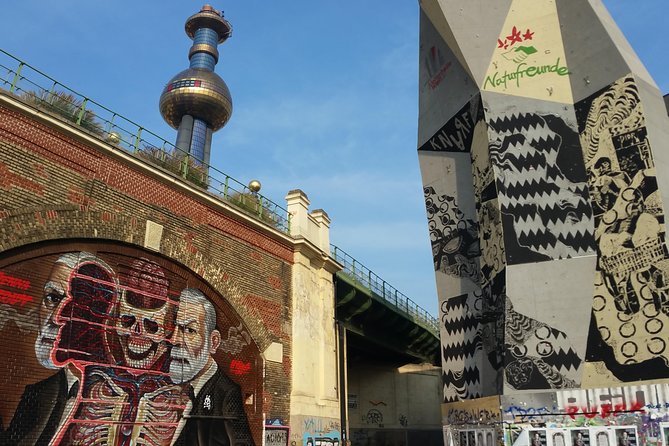
At Friedensbrücke, the tour spends about 30 minutes looking at work from the TS90 local crew, an octopus by Manuel Muriel, and other newer pieces. This is one of the most changeable parts of the route.
The octopus gives you a clear example of how a recognizable image can anchor a public wall. The TS90 pieces add a local crew connection, helping you see that Vienna’s scene is not only built around individual artists. Crews, tags, and repeated signatures matter too.
You should expect some gaps or substitutions here. Pieces are often painted over, and the tour description openly treats each visit as different. That is good news if you like discovery, but less convenient if you want to compare photographs or follow a strict checklist.
The guide’s role matters a lot at Friedensbrücke. A good explanation can turn a wall covered in marks into a story about competing styles and changing ownership of public space. A rushed explanation would leave you seeing only layers of paint.
Schottenring finishes near Flex and the canal
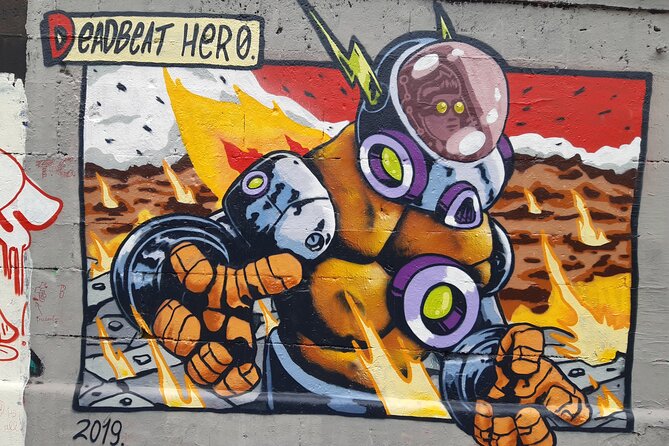
The walk ends near Flex, a well-known nightclub on Franz-Josefs-Kai near Schottenring U-Bahn station. The final 15 minutes continue the art theme, with more pieces and a chance to review what you have learned.
By this point, you should be better at spotting artists and signatures. That is more useful than simply collecting a few photographs because it gives you a way to keep noticing street art after the tour ends. Vienna’s walls will make more sense when you know to look for recurring styles and crew marks.
The ending is also convenient. It is near public transport and close to restaurants and cozy cafes, so you can continue your evening without crossing the city. Food and drinks are not included, but the location gives you a practical place to find them after the walk.
The finish near a nightclub may not suit everyone. It is part of the canal’s active urban setting, not a quiet historic square. If you prefer a calm final stop, you may want to plan a short break after the tour before choosing your next activity.
What the guide can add to the experience
The guide is central here. The tour includes a local guide, a professional guide, and a tour host, but no individual guide is guaranteed in advance. The walk is offered in English.
One especially useful example comes from a tour led by Tobi. He replaced a guide who became ill, then took the group to his own favorite works rather than following the advertised canal route exactly. He also offered tips on other things to see and do in Vienna.
That flexibility can work in your favor. Since the art changes and different guides know different walls, a guide who follows current conditions may show you better work than a rigid route would. It also means you should not expect every departure to look identical.
The tradeoff is less consistency. If you book mainly for a particular piece, artist, or exact route, ask about current conditions when possible. The company’s response to the mixed route feedback indicates that it is willing to adjust the experience, but the art itself cannot be controlled.
Price, walking time, and what you actually receive
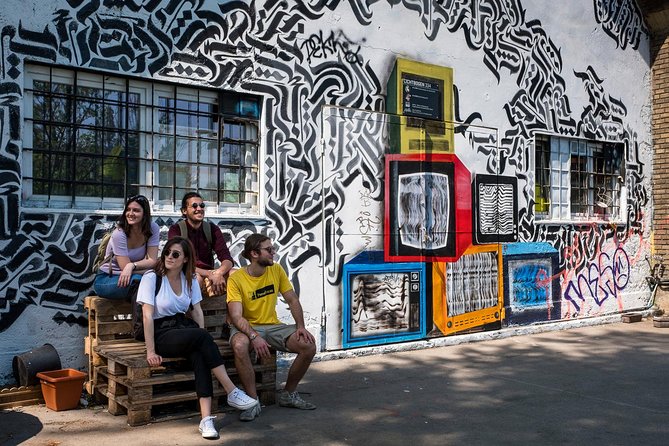
At $46.96 per person, the tour is not the cheapest way to see public art. You are paying for roughly two to two and a half hours with a guide, local background, route planning, and access to works you might not notice alone.
The value is strongest if you want interpretation. You can walk along the canal for free, but you may not know which names matter, how tagging fits into the scene, or where to look for legal and illegal work. The guide gives structure to an area that can otherwise feel like a long line of painted walls.
The value is weaker if you mainly want photographs. Since pieces may be overpainted and the route can include plenty of tagging, the exact visual payoff is uncertain. You are buying a guided introduction to Vienna’s street art culture, not guaranteed access to a fixed collection.
The walk calls for moderate physical fitness. You will be on foot for up to two and a half hours, and there is no hotel pickup or drop-off. Wear shoes suited to extended city walking and dress for the weather. The experience operates in all weather conditions, although poor weather can lead to cancellation, a new date, or a full refund.
The tour is often booked about 38 days ahead, so booking early makes sense if your Vienna dates are fixed. Free cancellation is available up to 24 hours before the start time. A cancellation within 24 hours is not refunded, and changes inside that window are not accepted.
Who will enjoy this street art tour most
I would choose this walk if you have already seen some of central Vienna and want a different angle. It is also a good fit if you enjoy art in public spaces, industrial settings, local names, and the small clues that separate a tag from a larger piece.
The tour can suit a mixed-age group. One departure included people ranging from 18 to 80, and the group walked for two enjoyable hours. That does not remove the need for moderate fitness, but it suggests the pace can work for a broad range of adults.
You may want to skip it if you need a tightly controlled itinerary or dislike walking beside changing urban walls. The route can shift, and the canal section may feel too tag-heavy for anyone expecting only large murals.
Food and drink are not part of the $46.96 price. The highlights refer to Austrian sausage, beer, and wine as local on-the-go staples, but you should budget separately rather than expect a tasting included in the tour.
Should you book the Vienna street art walk?
Book it if you want to see Vienna beyond palaces and museums, and if you are happy with a changing route. The strongest reasons are the local artist focus, the Danube Canal setting, Das Werk’s connection to the Vienna scene, and the chance to learn how to recognize signatures after the walk ends.
Go in with realistic expectations. Some walls will be striking, others will be rough or dominated by tags, and a favorite piece may have disappeared under fresh paint. That uncertainty is not a flaw in the city’s street art, but it does make the tour less predictable than a museum visit.
For the best chance of enjoying it, treat the walk as a guided introduction rather than a mural checklist. If that sounds right to you, the price is reasonable for an English-speaking guide and a route through parts of Vienna you might otherwise miss.
FAQ
How much does the Street Art Tour in Vienna cost?
The tour costs $46.96 per person.
How long does the tour last?
The experience lasts approximately two to two and a half hours.
What language is the tour offered in?
The tour is offered in English.
Where does the tour start?
It starts at District Heating Plant Spittelau in Vienna’s 9th district.
Where does the tour end?
It ends near Schottenring U-Bahn station, close to Flex and the Danube Canal, at Franz-Josefs-Kai.
Which places are included on the route?
The route includes Spittelau, Das Werk, the Danube Canal, Friedensbrücke, and Schottenring.
Are food and drinks included?
No. Food and drinks are not included in the tour price.
Is transport included?
No. Transport to and from the attractions is not included. The listed transport cost is €2.20 each way.
Does the tour operate in bad weather?
The experience operates in all weather conditions, so you should dress appropriately. If poor weather causes a cancellation, you will be offered another date or a full refund.
Can I cancel for a full refund?
Yes. You can cancel up to 24 hours before the experience start time for a full refund. Cancellations or changes made less than 24 hours before the start time are not accepted for a refund.
How large is the group?
The maximum group size is 20 people.
What level of fitness is needed?
A moderate level of physical fitness is recommended because the tour involves walking for up to two and a half hours.
Just added around the world
- Your Own Belgrade: Street Art and Hidden Gems Walking Tour★ 5.0 · 2 reviews
- Xochimilco floating gardens, Coyoacan and UNAM murals★ 4.0 · 6 reviews
- Vienna Urban Art Tour: Explore a different side of Vienna!★ 3.8 · 14 reviews
- Wynwood Walls Street Art & Neighborhood Walking Tour★ 4.9 · 9 reviews
- Vancouver: Street Art & Craft Beer Walking Tour with Tasting★ 4.8 · 14 reviews
- Vancouver: Street Art & Craft Coffee Walking Tour w/ Tasting★ 4.8 · 11 reviews
- Urban Canvas: Osaka Street Art Bike Tour★ 5.0 · 10 reviews
- UNAM: Murals & Revolution★ 4.9 · 8 reviews
Tours, compared.
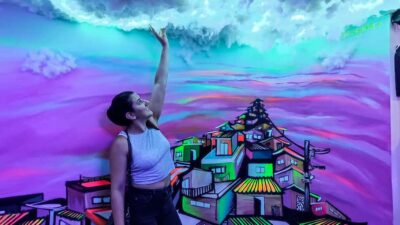
Comuna 13 Graffiti Tour, Cable Car & Street Food
Read our review →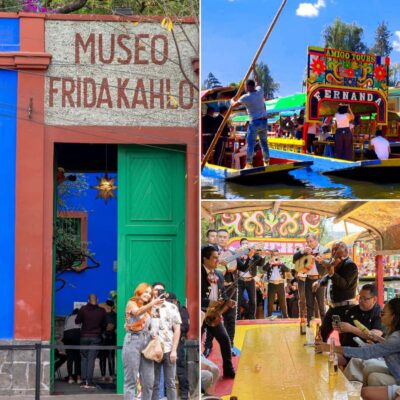
Xochimilco, Coyoacan, Frida Kahlo Museum & Murals Tour
Read our review →
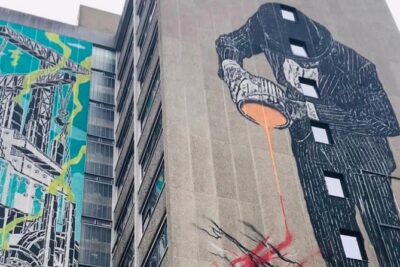
Blackbeard to Banksy – The Ultimate Walking Tour of Bristol
Read our review →