
REVIEW · GRAFFITI TOURS
Tel Aviv Street Art & Graffiti Tour
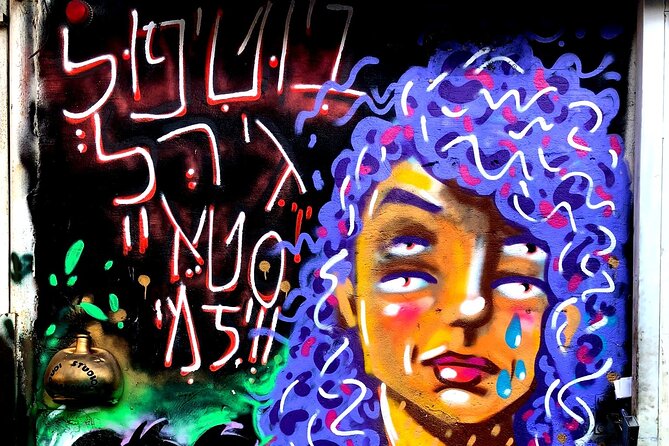
Tel Aviv’s street art is not confined to a gallery. It spills across shutters, walls, alleys, and neglected corners, often changing before you can see it twice. This 90-minute walking tour takes you into Florentine and Nachalat Binyamin, where the art is tied to local politics, artists, city growth, and neighborhood change.
I like two things right away: the route takes you beyond the usual tourist circuit, and the guide explains how to read the work instead of simply pointing at colorful walls. Guides such as Ari, Yan, Roey, Dina, and Orel have brought personal stories, artist details, and current examples to the walk.
The main drawback is that $78 is a serious price for a short walking tour, especially since there is no hotel pickup. You are paying for interpretation and access to a constantly changing art scene, not for admission to a major attraction.
Key points to know before you book
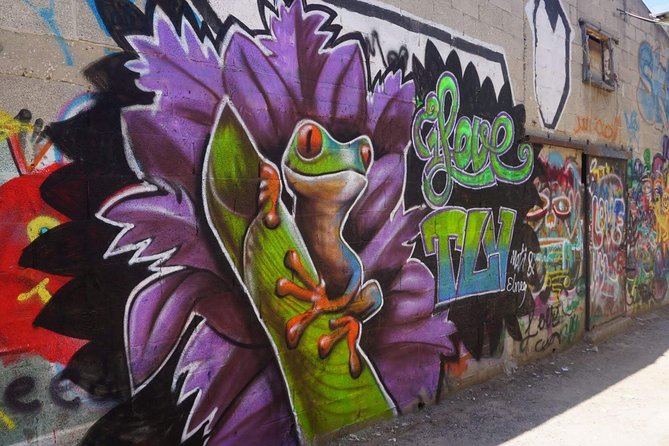
- Florentine is the artistic center of the route: Expect side streets, alleys, galleries, and layers of graffiti in one of Tel Aviv’s best-known creative neighborhoods.
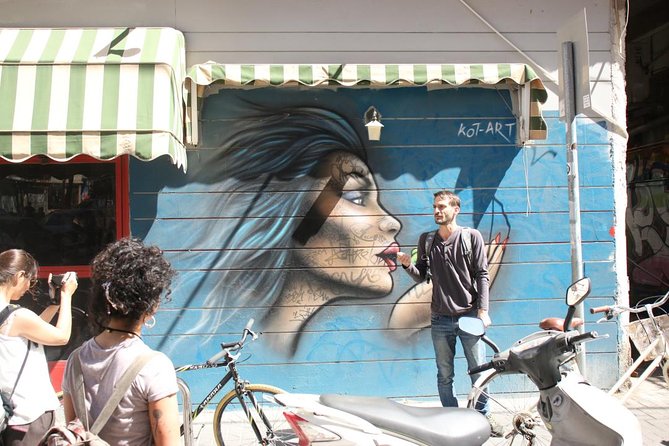
- Nachalat Binyamin works like an open-air gallery: The pedestrian mall adds a more organized street-art setting to the rougher walls of Florentine.
- The guide makes the difference: Ari, Yan, Roey, Dina, Efrat, Roni, Orel, and Alef have all led praised walks, with an emphasis on artists, symbols, politics, and technique.
- The route links art with city change: A newer section follows the old Ottoman rail line and looks at urban renewal and gentrification.
- Morning is the practical choice in hot weather: One guide specifically advised going before the temperature rises and crowds arrive.
- The group can reach 25 people: That is manageable for a walking tour, though a smaller group will make it easier to ask questions and see details.
Why Tel Aviv graffiti deserves a closer look
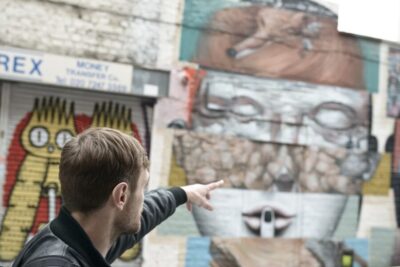
At first glance, graffiti can seem like decoration or visual noise. A good guide changes that quickly. You begin to notice tags, repeated symbols, stencils, large painted figures, political statements, and signs of work that appeared only days earlier.
I like this tour because it treats street art as part of the city’s daily life. The walls are not isolated objects. They sit beside apartments, shops, galleries, rail corridors, and newly renovated public spaces. That setting matters. It helps you see how artists respond to the neighborhood around them.
The guides also explain how artists identify themselves and how styles spread through Tel Aviv. Roey, for example, has been praised for pointing out both very recent work and older pieces, then helping people recognize artists later in the day. That is a useful result from a walking tour: you leave with a better eye, not just a camera full of murals.
This is also a social and political tour. The route can touch on the messages behind the work and the way graffiti reflects the city’s culture. One guide, Yan, was especially praised for explaining the political and social side of the art while keeping the walk light and enjoyable.
More Graffiti Tours in the world:
- Medellin: Comuna 13 Graffiti Tour, Cable Car & Street Food
★ 4.8 · 9,046 reviews - Wynwood Graffiti Golf Cart Small-Group Tour
★ 5.0 · 1,646 reviews - London: Street Art and Graffiti Guided Walking Tour
★ 4.9 · 1,354 reviews
Florentine: Tel Aviv’s wall-to-wall art district
The tour begins in Florentine, described as a major hub for Tel Aviv graffiti and one of the city’s best-known hip neighborhoods. The appeal is not one famous wall. It is the density and variety of work spread across the area.
You will walk through streets and alleys that many first-time visitors would miss. Some walls may carry carefully planned pieces, while others show quick tags or layers of paint from different periods. The guide gives those markings a place in the wider story, explaining who made them, what they may mean, and how artists sign or repeat their work.
I would give Florentine your full attention rather than rushing around for photographs. Look up at shutters and upper walls, then down side streets. The art may be tucked beside ordinary businesses, so the guide’s timing and local awareness are important.
The neighborhood also includes galleries. That combination is useful because it shows the difference between art made for a formal indoor setting and art placed directly into the street. You do not need to decide that one is better. The contrast helps explain why street artists choose public walls and how their work reaches people who would never enter a gallery.
Florentine can feel rough around the edges, which is part of its character and part of the point. This is not a polished art park. If you want a tidy series of large murals with clear labels, the route may feel less predictable. If you enjoy art in its original setting, the untidy mix is a strength.
Nachalat Binyamin: an open-air street-art gallery
The route also includes the Nachalat Binyamin Pedestrian Mall. Here, the experience shifts from the scattered walls of Florentine to a more defined public art setting.
Calling it an open-air street-art gallery is helpful. You can take in the work at a slower pace, while the guide adds the background that a casual walk would miss. The area gives the tour a second visual mood and keeps the experience from becoming one long sequence of similar alleyways.
I especially like this stop for people who are new to graffiti. Florentine may show you how street art grows organically across a neighborhood, while Nachalat Binyamin offers a clearer way to study individual pieces and artists. Together, the two areas make the tour more than a simple photo walk.
The mall is also a good place to ask questions. The guides have been praised for being approachable and for explaining both the artists’ lives and their methods. If you are curious about why a piece was made, how an artist’s signature works, or how political meaning enters a design, this is the time to speak up.
Do keep your expectations practical. Street art changes. A work may be painted over, altered, or replaced, and the exact selection will depend on what is on the walls when you visit. That is not a flaw in the format, but it does mean you are booking an introduction to a living scene rather than a fixed museum collection.
The old Ottoman rail line and a changing neighborhood
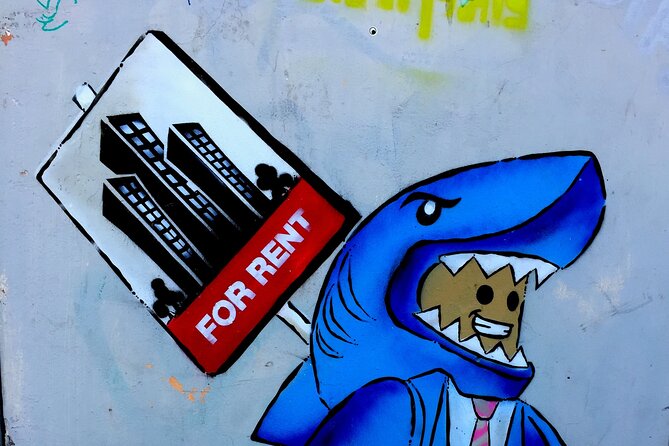
The newer part of the route follows the path of an ancient Ottoman railway, where a recently opened park brings old infrastructure and new urban planning together. This section adds useful context to the art.
Here, the focus is not only on what is painted but also on what happens when a neighborhood changes. Older graffiti can sit beside new public spaces, renovated buildings, and signs of gentrification. The guide uses those contrasts to discuss how art survives, disappears, or takes on a different meaning as the city redevelops.
This is one of the tour’s most valuable ideas. Street art is often treated as a backdrop for photographs, but it can also mark ownership, protest, humor, identity, or a neighborhood’s changing population. You may find that the same wall looks different once you understand the forces around it.
The route description places this newer section under Florentine, so the exact order may vary. The important point is that the walk combines the established graffiti scene with newer urban renewal. That gives you a wider view of Tel Aviv than a route focused only on its most photographed walls.
A few more street art tours around the world worth a look
- Moco Museum Amsterdam Entrance Tickets with Banksy & More
★ 4.4 · 10,088 reviews - CDMX: Xochimilco, Coyoacan, Frida Kahlo Museum & Murals Tour
★ 4.4 · 3,025 reviews - Moco Museum Barcelona Banksy & More
★ 4.6 · 2,340 reviews - Amsterdam: Streetart Museum STRAAT Entrance Ticket
★ 4.8 · 2,137 reviews
The guides shape the experience
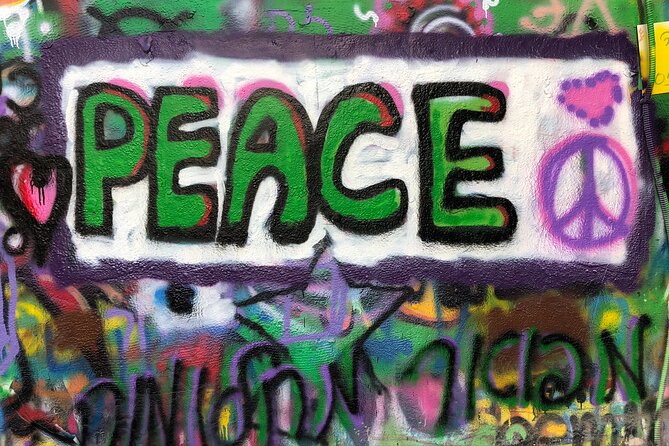
The strongest part of this tour is the guide’s ability to turn visual details into a story. Several guides have led the experience, and the style may vary from one departure to another.
Ari has been praised for extensive research, personal stories, and an ability to make the art feel inspirational rather than merely decorative. Yan has made a strong impression by connecting graffiti with political and social issues while keeping the tone fun.
Roey brings a useful eye for current work. His strength is helping you tell the difference between new pieces and older work, then recognize artists after the tour. Dina and Efrat have been described as friendly, engaging, and clear when discussing the local art scene.
Roni is a good name to remember if you are choosing between times. The practical advice connected with his walk was to go in the morning, before the heat and crowds build. Orel and Alef have also been praised for making the experience both informative and enjoyable.
You cannot choose every guide in advance based on the information provided, so I would not book this expecting one particular person unless the booking system confirms it. Still, the repeated pattern is encouraging: the guides are not simply escorting you from wall to wall. They explain artists, techniques, history, motivations, and messages.
Is $78 good value for 90 minutes?
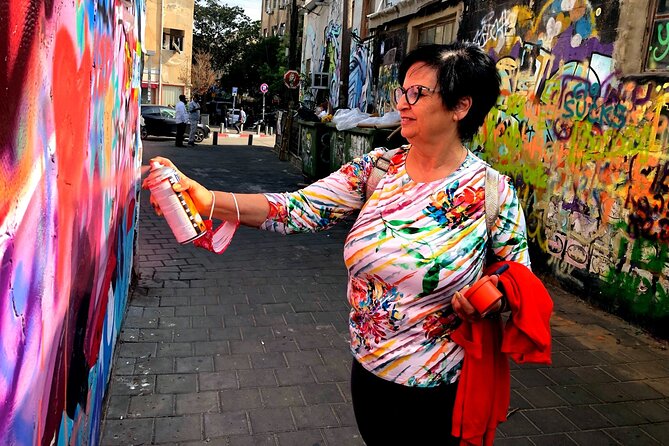
At $78 per person, this is not a bargain walk. The price makes sense only if you want interpretation from someone who follows Tel Aviv’s street-art scene and can show you work you would probably miss alone.
There are no admission fees along the route, and hotel pickup and drop-off are not included. You are paying for the professional guide, route planning, local knowledge, and the chance to understand what you are seeing.
I would compare the cost with your interests. If you already know Tel Aviv graffiti well, you may prefer to explore Florentine independently and spend the money elsewhere. If you are new to street art, the guide can save you from wandering past important pieces without understanding them.
The value also improves if you use the tour as a starting point for the rest of your visit. Afterward, walk around on your own and see if you can identify artists, tags, or newer work. The best outcome is not simply a pleasant 90 minutes. It is learning how to look at the city’s walls for yourself.
Timing, group size, and practical comfort
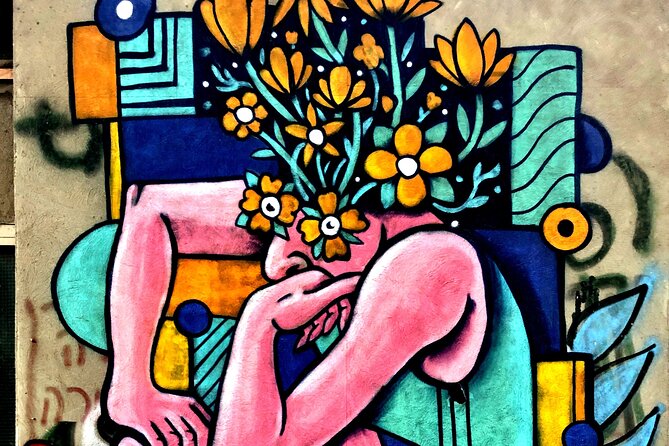
The experience lasts about one hour and 30 minutes and ends back at the meeting point. The information lists a 12:00 p.m. start, while the tour is also described as offering morning and evening departure choices. Check the exact departure time when you book, since the available option may vary.
For hot weather, I would choose the earliest available time. You will be walking outdoors, and one guide specifically advised starting before the temperature rises and crowds arrive. Evening can offer a different atmosphere, but the supplied details do not promise a particular lighting condition or a special night route.
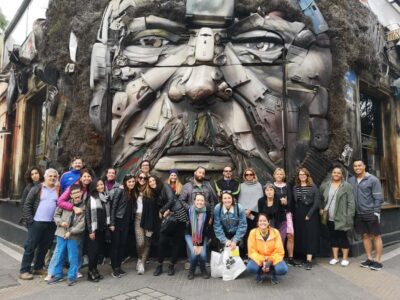
The maximum group size is 25 people. That is not a private walk, but it is still a reasonable size for a street-art tour. Larger groups can make narrow alleys and detailed pieces harder to follow, so stay close to the guide and ask questions when the group pauses.
The meeting point is near public transportation, and most people can take part. Children must be accompanied by an adult. No health restrictions are listed, but this is still a walking activity, so sensible shoes, water, and sun protection are wise choices.
You receive a mobile ticket, and confirmation is provided when you book. There is no hotel transfer, so plan to reach the meeting point yourself.
Who will enjoy this tour most?
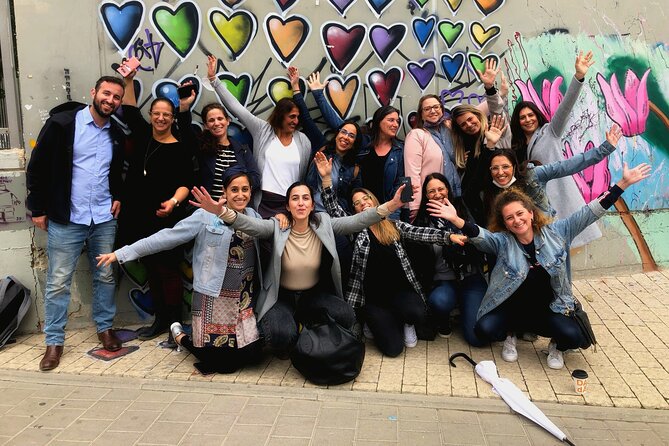
I would recommend it to first-time visitors who want to see a less polished side of Tel Aviv. It suits people interested in art, urban culture, photography, politics, and neighborhood change.
It is also a good choice for families with older children who can manage a guided walk and enjoy visual details. The subject is approachable, and the guides appear to use stories and humor rather than turning the experience into a formal art lecture.
You will get the most from it if you are willing to look closely. The tour is not just about finding the biggest painted wall. It is about noticing a signature, a symbol, a layer of older paint, or a message that changes how you read the street.
I would be more cautious if you want a private experience, a guaranteed list of famous murals, or a long tour focused only on photography. The group can reach 25 people, and the city’s art changes from day to day.
Booking, cancellations, and the final call
Free cancellation is available if you cancel at least 24 hours before the local start time. Changes or cancellations made inside that window are not accepted for a refund, and the activity requires a minimum number of participants. If the operator cancels because that minimum is not met, you are offered another date or experience, or a full refund.
Should you book it? Yes, if you want context as much as color. The strongest reason to go is the guide’s interpretation, especially if you choose a departure with someone such as Ari, Yan, Roey, Dina, Roni, or Orel.
At $78, I would not call it an automatic buy for every visitor. But if you are curious about how Tel Aviv’s artists use public space, how neighborhoods change, and why graffiti carries more meaning than its quick appearance suggests, this is a focused and useful introduction. Choose a cooler time, wear comfortable shoes, and keep exploring the walls after the guide says goodbye.
FAQ
How long does the Tel Aviv Street Art and Graffiti Tour last?
The walking tour lasts approximately one hour and 30 minutes.
Where does the tour visit?
The route includes Florentine, the Nachalat Binyamin Pedestrian Mall, and a newer section near the route of the old Ottoman railway and its recently opened park.
What time does the tour start?
The listed start time is 12:00 p.m. The experience is also described as offering morning and evening departure choices, so confirm the available time when booking.
Does the tour include hotel pickup and drop-off?
No. Hotel pickup and drop-off are not included. The meeting point is near public transportation.
How many people can join the tour?
The activity has a maximum group size of 25 people.
Can children take part?
Yes. Children can participate, but they must be accompanied by an adult.
Is the tour suitable for most people?
Yes. Most people can participate, and no health restrictions are listed in the tour information.
Can I cancel for a full refund?
Yes, if you cancel at least 24 hours before the experience’s local start time. Cancellations or changes made less than 24 hours before the start are not accepted for a refund.
Just added around the world
- Your Own Belgrade: Street Art and Hidden Gems Walking Tour★ 5.0 · 2 reviews
- Xochimilco floating gardens, Coyoacan and UNAM murals★ 4.0 · 6 reviews
- Wynwood Walls Street Art & Neighborhood Walking Tour★ 4.9 · 9 reviews
- Vienna Urban Art Tour: Explore a different side of Vienna!★ 3.8 · 14 reviews
- Vancouver: Street Art & Craft Beer Walking Tour with Tasting★ 4.8 · 14 reviews
- Vancouver: Street Art & Craft Coffee Walking Tour w/ Tasting★ 4.8 · 11 reviews
- Urban Canvas: Osaka Street Art Bike Tour★ 5.0 · 10 reviews
- UNAM: Murals & Revolution★ 4.9 · 8 reviews
Graffiti Tours, compared.

Comuna 13 Graffiti Tour, Cable Car & Street Food
Read our review →

Brooklyn Graffiti & Street Art Walking Tour in Bushwick
Read our review →
Medellín: Comuna 13 Tour with Snacks And Your Own Graffiti
Read our review →Browse the lists this tour appears in