REVIEW · TOURS
14-Day Private Morocco Street Art Tour
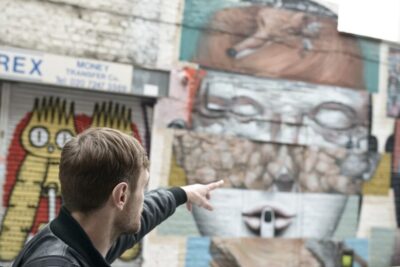
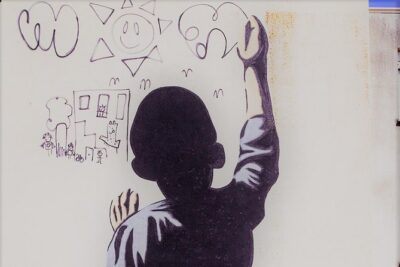
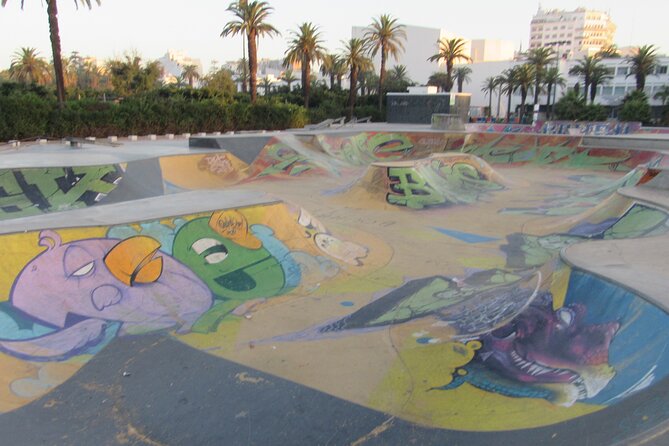
Morocco’s street art tells stories that old monuments cannot always explain. On this 14-day private route, you’ll see football loyalties painted on Marrakech walls, Rabat’s giant JIDAR murals, freshly painted scenes in Asilah, and neighborhood stories across Casablanca. The art is your guide to modern Moroccan life.
I like the private format, which gives your group its own 4×4, English-speaking driver, and local guides in each city. I also like the route’s range: you move from inland Marrakech to Atlantic Essaouira, then north through Rabat, Asilah, and Tangier, with time for palaces, hammams, seafood, and medinas.
The main drawback is the amount of driving. The trip includes several long transfers, and some days offer only a short guided visit before you are back on the road. At $5,285.52 per person, you are paying for a private, multi-city experience, not a budget art walk.
Key points to know before booking
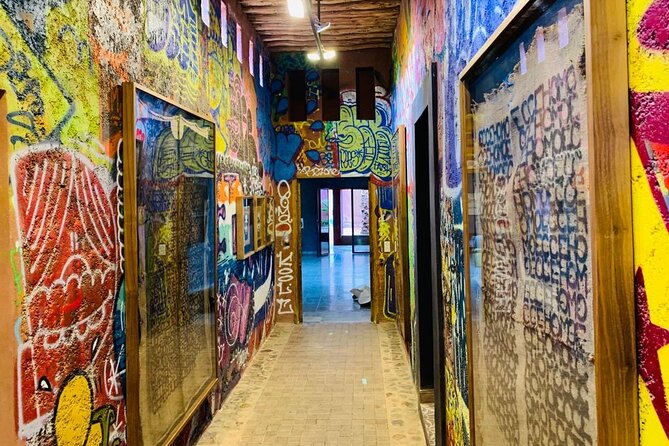
- Street art is the organizing theme: You’ll connect murals with football, local identity, festivals, women’s work, coastal life, and Moroccan popular culture.
- The route covers six major bases: Marrakech, Essaouira, Casablanca, Rabat, Asilah, and Tangier, with Safi, El Oualidia, and El Jadida along the way.
- Rabat’s JIDAR festival is a major highlight: Large walls painted by artists from Morocco and abroad give the capital a strong public-art focus.
- Asilah offers changing artwork: The medina walls are repainted each late spring before the annual street art festival.
- Transport and accommodation are built in: You receive a private 4×4, fuel, an English-speaking driver, local certified guides, 13 hotel nights, daily water, and breakfast.
- Meals are mostly extra: Lunches, dinners, drinks, tips, and personal purchases are not included, so plan for a separate daily food budget.
Why this Morocco street art route is different
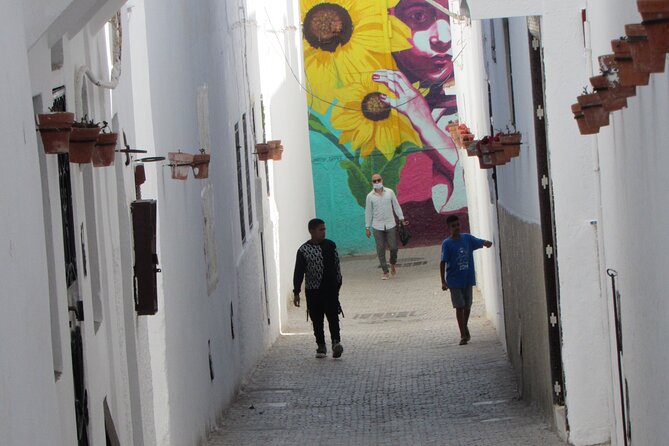
This is not simply a sequence of photo stops. The tour uses painted walls to help you read the country. A football logo in Marrakech can show local pride. A mural in Casablanca may focus on an actor, a mother, a neighborhood, or a famous team. In Rabat and Asilah, organized festivals shape the public art you see.
That idea gives the trip a clear purpose. Morocco has famous architecture and dramatic scenery, but street art brings you closer to present-day concerns and local identity. You’ll still see palaces, medinas, coastal towns, and historic sites, but the painted walls keep asking a modern question: who gets represented in public space?
Because this is a private tour, the pace can be adjusted within the day. You can return to your riad after a guided visit, continue exploring on your own, or add optional visits in Marrakech. Still, the route is set across 14 days, so this is best for someone who wants a broad introduction rather than a slow stay in one city.
A few more street art tours around the world worth a look
- Moco Museum Amsterdam Entrance Tickets with Banksy & More
★ 4.4 · 10,088 reviews - Medellin: Comuna 13 Graffiti Tour, Cable Car & Street Food
★ 4.8 · 9,046 reviews - CDMX: Xochimilco, Coyoacan, Frida Kahlo Museum & Murals Tour
★ 4.4 · 3,025 reviews
Day 1: Casablanca arrival and the road to Marrakech
Your trip begins at Mohamed V Airport in Casablanca, where a driver waits near the arrival door with a sign bearing your name. From there, you drive roughly two and a half hours to Marrakech by highway.
The first day is mainly a transfer day. Depending on your arrival time, you’ll have dinner at the riad or spend the evening at your own pace. That is useful after a flight, but you should not expect a full Casablanca visit on arrival day. Casablanca comes later in the trip.
Day 2: Marrakech murals and football pride
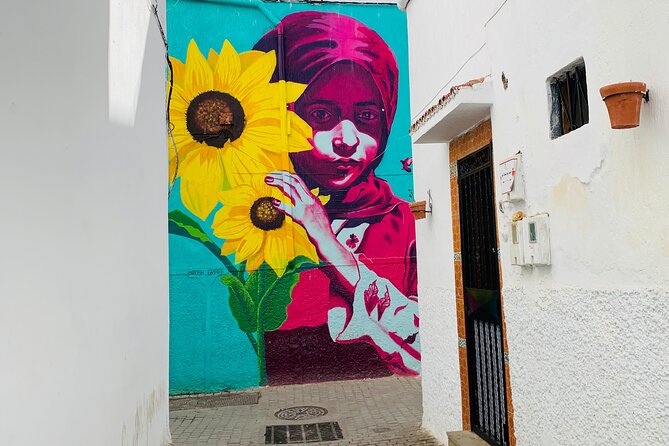
Marrakech provides the first real look at the tour’s central idea. Your driver and local certified guide take you beyond the medina to see large street art murals on broad exterior walls.
You then have the option to enter the old city. The smaller lanes offer a different kind of public art, including painted football logos and scenes celebrating team victories. This is one of the more personal parts of the trip because football support is shown through symbols that local fans immediately understand.
I would ask your guide to explain which teams are represented and how the murals relate to Marrakech. That turns a photo stop into a lesson in local identity. If Hicham is assigned to your Marrakech visit, the available feedback specifically connects him with taking visitors to high-quality artisans and less obvious souk lanes, so he may be a useful person to ask about the city beyond the main route.
The guided portion lasts about four hours. Afterward, you can return to your riad or keep exploring the old city on your own. The free time is welcome, though the plan does not include admission tickets to major Marrakech sights on this day.
Day 3: Add palaces, museums, gardens, or a hammam
Day three is listed as free time, with optional arrangements available. This flexibility is helpful because Marrakech deserves more than one hurried morning.
You can visit Bahia Palace and Dar Si Said, both known for tilework and painted wooden ceilings. The Tiskiwin Museum offers a look at Berber culture and trade routes linking North Africa with the Sahel. Jardin Majorelle gives you a garden setting and a break from the medina’s narrow streets.
A local hammam is another suggested option. It can be a pleasant way to slow down after the first two active days. Since these visits are optional, confirm the cost and schedule before committing. This is also your best chance to rest before the coastal drives begin.
Same walls, a different guide:
- Moco Museum Barcelona Banksy & More
★ 4.6 · 2,340 reviews - Amsterdam: Streetart Museum STRAAT Entrance Ticket
★ 4.8 · 2,137 reviews - Belfast: Murals Taxi Tour
★ 4.9 · 2,047 reviews - Blackbeard to Banksy – The Ultimate Walking Tour of Bristol
★ 5.0 · 1,961 reviews
Day 4: Argan oil and arrival in Essaouira
After breakfast, you drive toward Essaouira. The route includes a stop at a well-known argan oil area, where you can learn about the oil-making process with Berber women.
This stop adds useful context to the landscape and economy around Marrakech. It also gives you a direct look at a traditional production process rather than treating argan oil as just a shop item. An optional stop may be made to see goats climbing argan trees, a familiar sight on this route.
You then continue to Essaouira, staying at a riad near the beachfront. The drive is listed at about three hours, making this one of the easier transfer days. A relaxed evening by the coast is a good change after Marrakech’s city pace.
Day 5: Essaouira from medina to coast
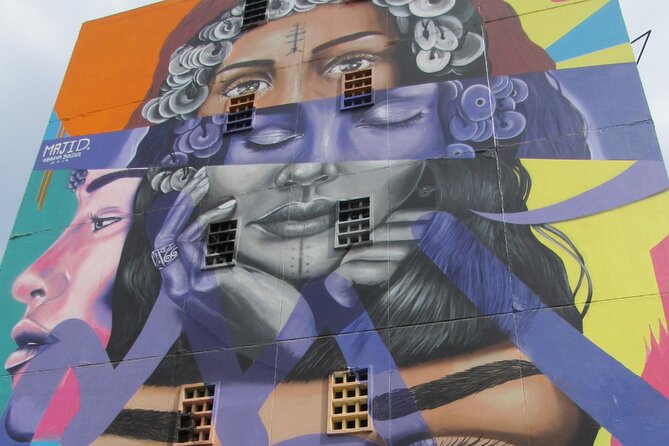
Essaouira is one of the most naturally appealing parts of the route. The old medina and coast are close together, so you can walk between them while seeing how street art fits into the city’s character.
A local guide leads the visit and explains how painting can help you understand Essaouira’s past and present. The provided schedule gives this stop an unusually short time listing, so confirm the actual meeting time before you go. The description suggests a compact walking visit rather than a full-day program.
That limited timing may be a drawback if you want long stops for photography, shopping, or cafés. Still, Essaouira’s compact layout makes it easier to enjoy independently after the guided portion.
Day 6: Safi murals, oysters, and a long Atlantic transfer
This is the longest driving day, with about seven hours on the road from Essaouira to Casablanca. The route passes through Safi, known here as Morocco’s sardine capital, and continues to El Oualidia for lunch.
Safi is important for the art theme. You’ll see murals and discuss the stories painted on the walls. This is a good example of how the tour uses smaller cities, not only famous destinations, to show local concerns.
El Oualidia gives the day a food stop, with oysters as its specialty. After lunch, you continue through El Jadida toward Casablanca. Dinner is at the hotel or your choice, but meals are not included in the tour price.
This day will suit you if you enjoy seeing how places connect. It will feel tiring if you prefer short transfers and long sightseeing blocks. Pack water and keep your expectations realistic: the road is the main event for much of the day.
Day 7: Casablanca to Rabat
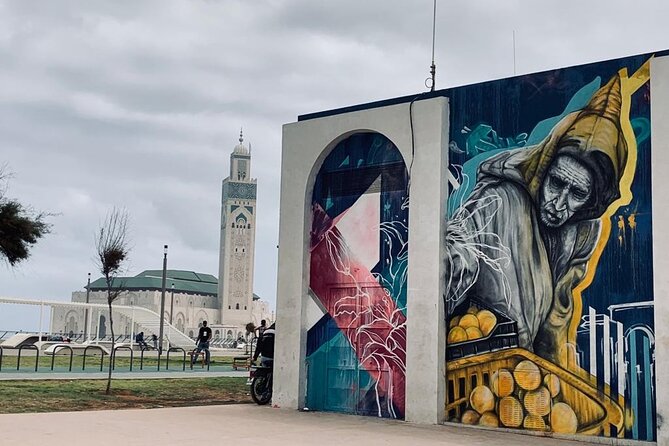
After breakfast, you drive about an hour and a half along the Atlantic coast to Rabat. Your riad is inside the old medina, and the rest of the day is free.
That open afternoon gives you time to settle in without another formal visit. Since dinner is at your own expense, you can choose how much energy to spend exploring. The private transfer also means you are not tied to a large group schedule.
Rabat is a useful midpoint in the tour. It has a capital-city setting, an old medina, and a major public-art festival, so the next day brings a sharper focus on the street art itself.
Day 8: Rabat and the JIDAR walls
Rabat’s JIDAR festival is one of the strongest reasons to choose this trip. The name means walls, and the festival invites artists from around the world to paint large public works over the course of a week.
With a local certified guide, you’ll see murals in and around the old and new medinas. The discussion centers on how the art portrays Moroccan life. Large-scale work makes this different from Marrakech’s smaller football paintings or Essaouira’s coastal scenes.
The guided visit lasts about four hours. You return to your hotel for one last night in Rabat, with dinner at your own expense. If public art is your main reason for booking, this is likely one of the days you’ll remember most. Festival murals can also change over time, so the exact works on view may depend on when you visit.
Day 9: The short move to Asilah
The drive to Asilah is short, and the rest of the day is set aside for relaxation. Your accommodation offers a Mediterranean view, and you may choose to swim at the beach below the medina walls.
Asilah is a strong contrast to Rabat. Its painted walls sit in a smaller coastal town, where the medina and sea are closely linked. A free afternoon is valuable here because you can enjoy the setting without rushing straight into another guided walk.
The schedule gives only a brief time estimate for the day, but the description clearly treats it as a transfer and rest day. Confirm the exact driving time and check-in plan with the provider.
Day 10: Fresh murals in Asilah
Asilah’s street art changes with the annual festival cycle. Each late spring, the medina walls are painted white in preparation for new artwork. That means the murals you see are tied to a particular season and year.
After breakfast, a local guide takes you through the current murals. The tour is designed to show the year’s work and includes stops where you can take photographs. Lunch by the sea follows, then you return to the riad for the afternoon.
This is a good day for photography, but keep in mind that the artwork is not permanent. If you have a particular mural in mind, ask how recently it was painted and whether it is still visible. The guided visit lasts about four hours, leaving time to enjoy the coast at a slower pace.
Day 11: Along the northern coast to Tangier
You drive to Tangier, a city only about 14 kilometers from Spain at its closest point. The route offers views toward Spain and the coastal mountains, depending on visibility.
The day is mainly about reaching Tangier and settling into your riad. That makes the schedule easy, but it also means the cultural visit comes the following day. After several transfers, you may appreciate the quieter arrival.
Tangier brings a different mood to the trip. It sits at the meeting point of the Atlantic and Mediterranean, and its street art appears alongside the city’s older lanes and coastal viewpoints.
Day 12: Hercules caves, minaret views, and Tangier street art
Your guided Tangier day begins at the Caves of Hercules, natural caves about 10 kilometers from the city at the Atlantic entrance to the Strait of Gibraltar. This gives you a break from painted walls and a look at one of the area’s best-known natural sites.
Afterward, you drive to Tangier’s oldest minaret for coffee and views of the Mediterranean. Then you enter a small street in the old medina to see local street art and hear the stories connected to the city.
The mix works well. You get a natural site, a city view, and a close look at neighborhood art in one four-hour visit. The final medina section sounds especially personal because the paintings are presented as stories told by local people on their own walls.
Day 13: Casablanca’s Sbagha Bagha murals
Your last major touring day begins with an early breakfast and a roughly three-and-a-half-hour drive back to Casablanca. The city is Morocco’s economic capital and one of the country’s best-known street art centers.
The visit focuses on murals associated mainly with the Sbagha Bagha art festival. With a local certified guide, you move through neighborhoods and look at how each wall tells part of Moroccan life.
The subjects range from football teams and famous Moroccan actors and actresses to women helping children and neighbors. That range makes Casablanca a fitting finale. By this point, you’ll have seen how street art can speak about sport, work, family, festivals, and city pride.
The guided visit lasts about four hours. Since this is your last night, check your airport transfer time and keep shopping modest unless you have room in your luggage.
Day 14: Airport transfer
The final transfer to Casablanca airport takes about 45 minutes. The tour ends there, so make sure your departure time allows enough room for the drive and airport procedures.
Pickup is offered, and the start point is Mohamed V Airport. Confirmation is provided at booking, and mobile tickets are available. The tour is private, so only your group participates.
What the $5,285.52 price buys you
At $5,285.52 per person, this is a costly trip. Its value depends on how much you want private transport, hotel arrangements, and local guiding across a wide route.
The price includes a private 4×4, fuel, an English-speaking driver, local certified guides in all the cities, 13 nights of hotel accommodation, daily bottled water, and breakfast. You avoid arranging separate transfers between six bases and several smaller stops, which can save time and reduce planning work.
The price does not include lunch, dinner, drinks, tips, or personal purchases. You should also clarify which optional Marrakech visits have extra charges. For two people, the total cost becomes substantial, so ask for room details, hotel names, and the exact guide schedule before paying.
The strongest value comes if you want a private cultural route built around a narrow subject. If you mainly want Morocco’s standard sights at the lowest possible cost, a shorter shared tour will likely make more sense.
Who should book this experience?
I’d recommend it to you if public art is a serious interest, you want a private trip, and you like moving through several regions rather than settling in one place. It also suits photographers and repeat Morocco visitors who want a theme beyond palaces and markets.
You should think twice if long drives wear you down, if you want a fixed list of museum admissions included, or if you prefer independent travel with plenty of unplanned time. The route is broad, and some days are designed around transport.
The weather policy matters too. The experience requires good weather, and a weather cancellation results in a different date or a full refund. You can cancel for a full refund up to 24 hours before the start time, but changes or cancellations inside that window are not accepted.
FAQ
Where does the tour start?
The tour starts at Mohamed V Airport in Casablanca, Morocco. The stated start time is 8:00 am.
How long is the tour?
The experience lasts approximately 14 days and includes 13 hotel nights.
Which cities are included?
The route includes Casablanca, Marrakech, Essaouira, Rabat, Asilah, and Tangier. It also passes through or stops in places such as Safi, El Oualidia, and El Jadida.
Is this a private tour?
Yes. Only your group participates in the private tour or activity.
What transportation is included?
A private 4×4, fuel, and an English-speaking driver are included. Airport pickup and the final airport transfer are also provided.
Are meals included?
Breakfast is included. Lunch, dinner, drinks, tips, and personal purchases are not included.
What happens if bad weather cancels the experience?
You will be offered a different date or a full refund if poor weather causes the experience to be canceled.
Just added around the world
- Your Own Belgrade: Street Art and Hidden Gems Walking Tour★ 5.0 · 2 reviews
- Xochimilco floating gardens, Coyoacan and UNAM murals★ 4.0 · 6 reviews
- Vienna Urban Art Tour: Explore a different side of Vienna!★ 3.8 · 14 reviews
- Wynwood Walls Street Art & Neighborhood Walking Tour★ 4.9 · 9 reviews
- Vancouver: Street Art & Craft Beer Walking Tour with Tasting★ 4.8 · 14 reviews
- Vancouver: Street Art & Craft Coffee Walking Tour w/ Tasting★ 4.8 · 11 reviews
- Urban Canvas: Osaka Street Art Bike Tour★ 5.0 · 10 reviews
- UNAM: Murals & Revolution★ 4.9 · 8 reviews
Tours, compared.
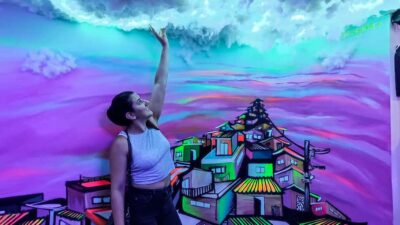
Comuna 13 Graffiti Tour, Cable Car & Street Food
Read our review →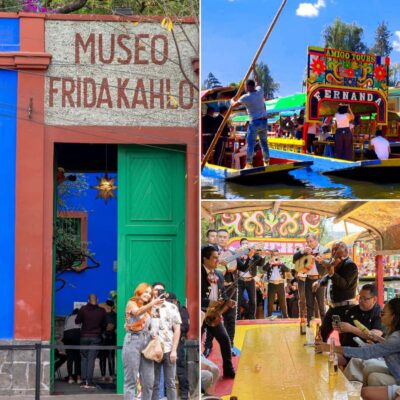
Xochimilco, Coyoacan, Frida Kahlo Museum & Murals Tour
Read our review →
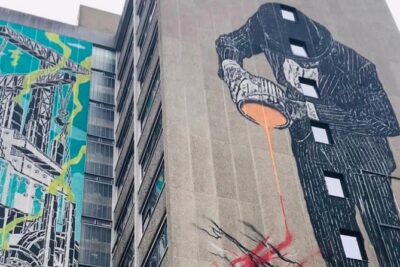
Blackbeard to Banksy – The Ultimate Walking Tour of Bristol
Read our review →