
REVIEW · INDIA
Delhi: Explore Delhi’s Street Art & Visit to an Art Centre
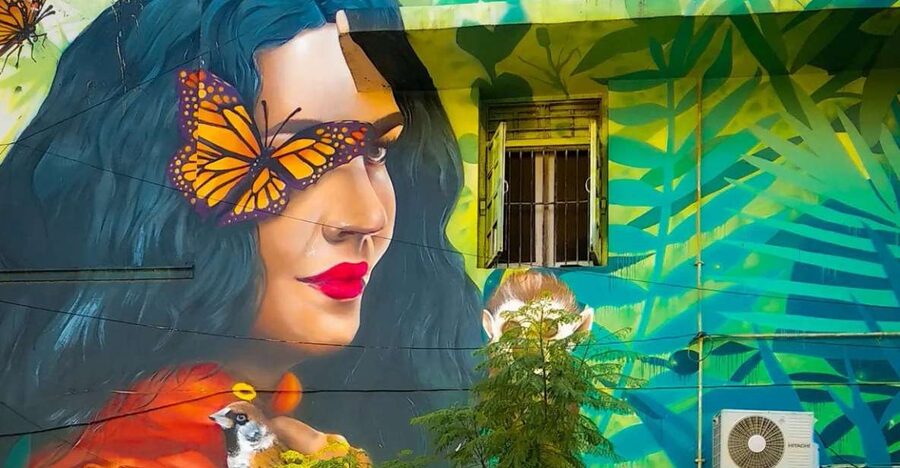
Delhi’s Lodhi Art District turns an ordinary walk into an open-air art show. You’ll move through painted lanes, hear the ideas behind the murals, visit a respected art gallery and a creative space for young artists, then ride a tuk-tuk through New Delhi.
I like the small group of six, which gives Faizy room to answer questions and discuss what each artwork suggests. I also like the optional South Indian meal, where the art conversation continues over lunch and filter coffee. The main drawback is that this is a walking experience with no luggage allowed, so it is not a good fit if you have mobility limits or large bags in tow.
Key points
- Lodhi Art District: See large-scale murals in public lanes rather than only inside a museum.
- Faizy’s guided stories: Explore subjects such as sci-fi, feminism, gender equality, and responsible citizenship.
- Art centre visit: Visit a New Delhi gallery and a creative space where young artists learn and develop.
- Tuk-tuk ride: Add a short, lively burst of local transport to the walking route.
- Optional South Indian meal: Finish with a sit-down meal and filter coffee at an authentic café.
- Small-group format: With no more than six participants, the outing feels personal and discussion-friendly.
Why Lodhi Art District is worth your morning
Delhi is full of grand monuments, old markets, and formal museums. Lodhi Art District offers something different: art placed directly on the walls of the neighborhood, where it becomes part of daily city life.
The painted lanes let you see how public art changes a familiar urban setting. Instead of walking from one isolated exhibit to another, you follow a route through an outdoor gallery. The murals are large, easy to see, and varied in subject, so the walk has a steady sense of discovery without requiring a full day.
I especially like this setting for visitors who want a break from Delhi’s major historic sights. You are not simply looking at decoration. Faizy connects the work with ideas about Indian society and the wider world, including gender equality, feminism, sci-fi, and social responsibility.
The experience is discussion-based rather than a silent art lecture. You can ask questions, explain what a piece suggests to you, and compare different reactions. That open exchange is a major part of the value, especially if you enjoy art but do not want a formal museum tour filled with dates and names.
A few more street art tours around the world worth a look
- Moco Museum Amsterdam Entrance Tickets with Banksy & More
★ 4.4 · 10,088 reviews - Medellin: Comuna 13 Graffiti Tour, Cable Car & Street Food
★ 4.8 · 9,046 reviews - CDMX: Xochimilco, Coyoacan, Frida Kahlo Museum & Murals Tour
★ 4.4 · 3,025 reviews
Meeting Faizy at Khanna Market
The meeting point is Golden Bakery in Khanna Market, in Lodhi Colony. You should arrive ready to walk, since hotel pickup and drop-off are not included.
The small-group setup matters here. The group is limited to six people, which gives the guide a practical chance to respond to individual questions. A large group would make it harder to pause in front of a mural or discuss an idea without blocking the route.
Faizy leads the experience in English or German. The available feedback points to his friendly, open manner and his ability to respond to questions and requests. That is useful on an art walk, where the best moments often come from a conversation that develops around a particular image.
I would choose this outing when I wanted a guided introduction to Delhi’s contemporary culture rather than another tightly scripted sightseeing circuit. The tone appears suited to curious adults who enjoy exchanging ideas, not just taking photographs.
Walking through the painted lanes
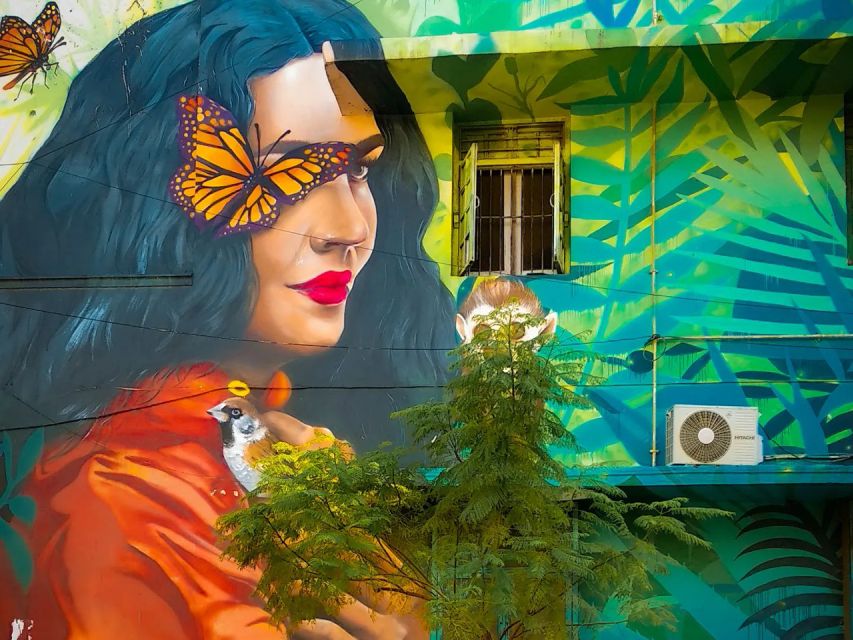
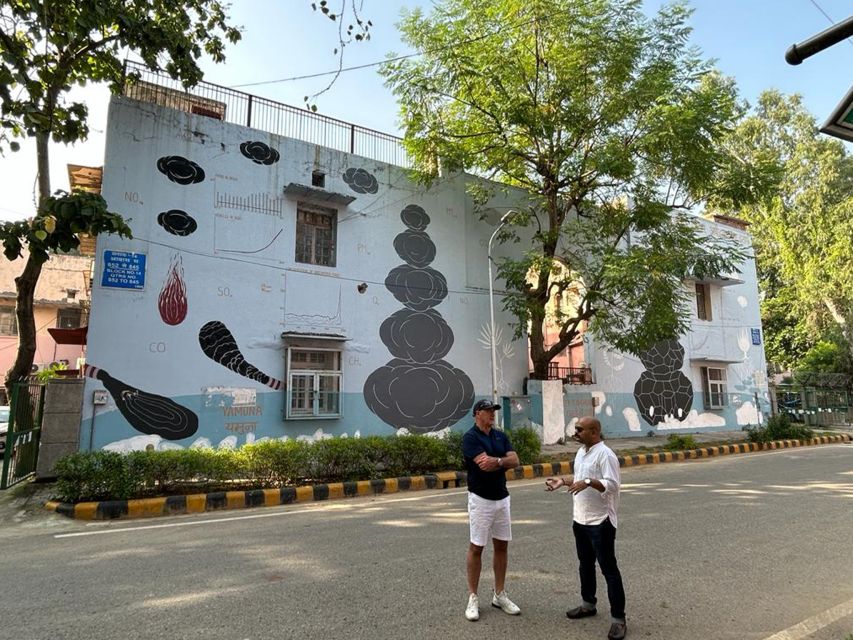
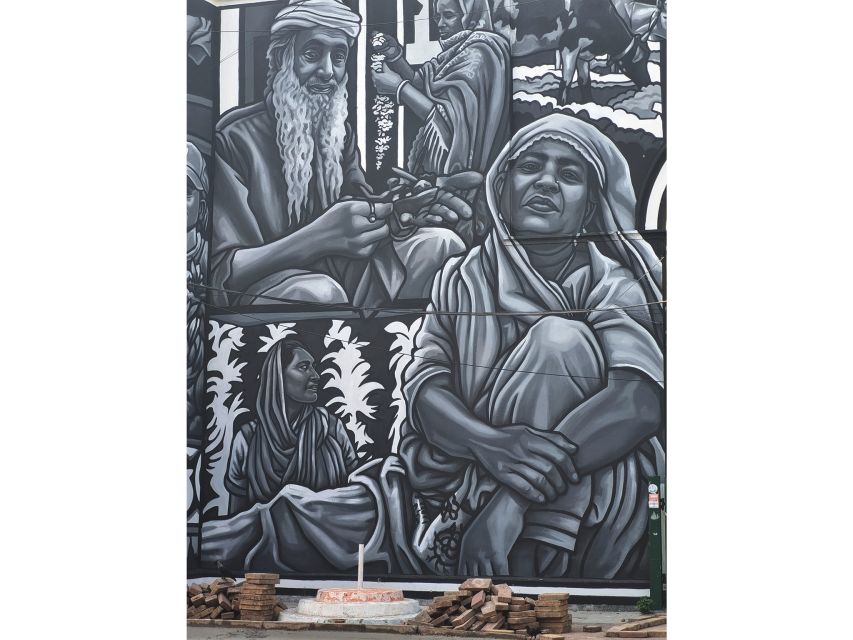
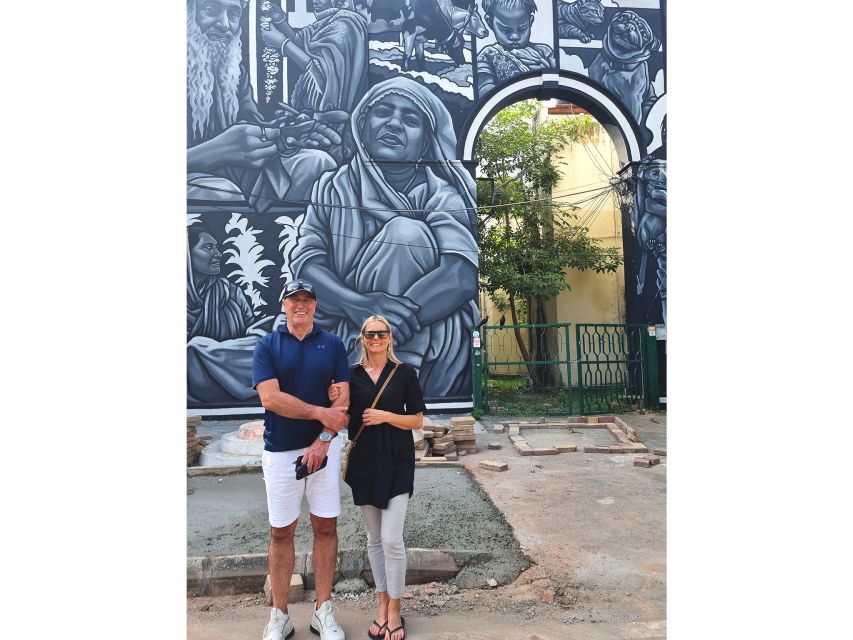
The Lodhi Art District section is the heart of the experience. You walk through lanes covered with brightly painted murals, seeing Indian art and culture presented in a public setting.
The artwork is thought-provoking rather than purely decorative. Subjects can touch on science fiction, feminism, gender, and the way people take part in society. Faizy’s role is to give you a way into those themes, then let the conversation develop.
This approach helps if you are new to contemporary art. You do not need to arrive with specialist knowledge. You can look at the work, hear some background, and decide what it brings to mind. The experience is strongest when you are willing to talk about your response instead of treating the murals as a quick photo stop.
Give yourself room to look up and around. Street art is often made for the scale of a wall, so it can be easy to miss details if you hurry. Comfortable shoes are important, since the outing lasts three and a half hours and includes walking between several stops.
The setting also brings a little unpredictability. This is an outdoor art district, not a controlled gallery room. The experience depends on moving through public lanes, so anyone wanting a quiet, climate-controlled art visit may prefer a traditional museum instead.
Art, social ideas, and open conversation
One of the most useful features is the way the route links visual art with current social themes. A mural about gender or citizenship can become a starting point for a broader conversation about Delhi and India.
I like that the experience does not appear limited to a list of technical art terms. Faizy discusses the origins of the art project and the social and political climate connected with it. That gives the murals more context without turning the walk into a dry lecture.
You may also find that the same artwork means different things to different people in the group. The small size makes it easier to share those reactions. This was particularly evident in the feedback from Natasha, who appreciated discussing what each work evoked and connecting the art with literature, active citizenship, and public responsibility.
That sort of exchange is not guaranteed on every sightseeing tour, but the format supports it. If you prefer to keep your thoughts private and move quickly, this may feel slower than expected. If you like asking why an artwork was made and what it says about society, it is a strong match.
Same walls, a different guide:
- Moco Museum Barcelona Banksy & More
★ 4.6 · 2,340 reviews - Amsterdam: Streetart Museum STRAAT Entrance Ticket
★ 4.8 · 2,137 reviews - Belfast: Murals Taxi Tour
★ 4.9 · 2,047 reviews - Blackbeard to Banksy – The Ultimate Walking Tour of Bristol
★ 5.0 · 1,961 reviews
Visiting the New Delhi art gallery
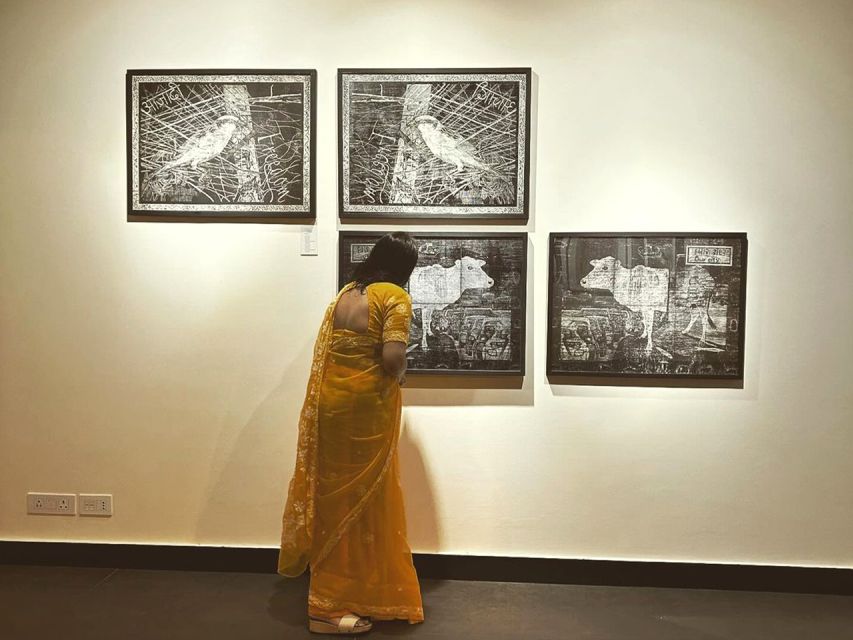
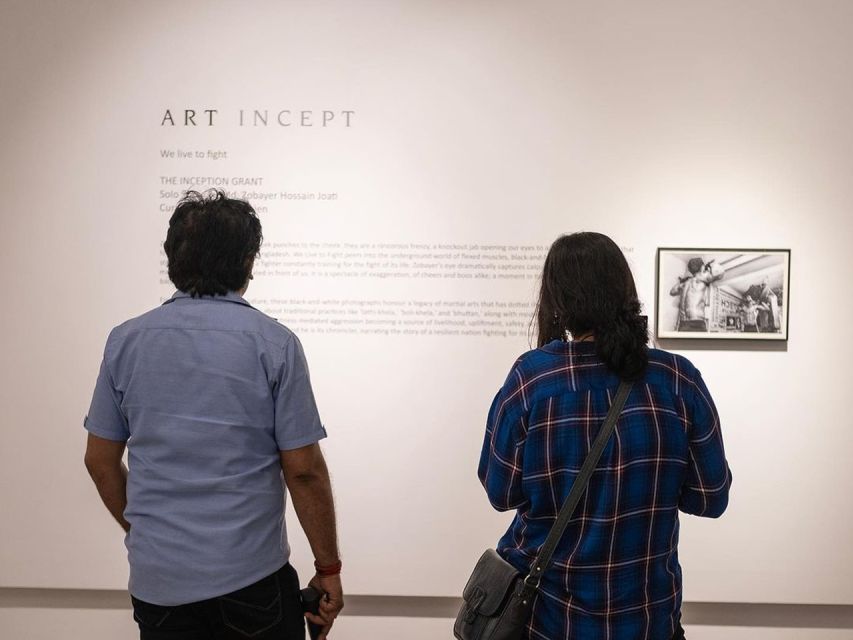
The outing also includes a visit to a renowned art gallery in the heart of New Delhi. The gallery adds an indoor setting to the street art portion, giving you a chance to see art presented in a more formal environment.
That contrast is useful. In Lodhi Art District, the wall and the surrounding neighborhood are part of the experience. In a gallery, the art receives more focused attention. Seeing both settings helps you consider how the location changes the way you read a work.
The available details do not specify the gallery’s name or the exact collection on view, so you should book this for the wider art experience rather than for a particular artist or exhibition. If you have one specific gallery in mind, confirm the current plan before booking.
The visit is also a good reason to bring questions. Faizy’s strength appears to be explaining background and responding to requests, and the gallery setting may give you a more direct way to connect public art with the wider New Delhi art scene.
Meeting young artists at a creative space
Another stop is a creative space where young artists learn and grow. This adds an important working dimension to the tour.
You are not only seeing finished murals or gallery pieces. You are also getting a glimpse of a place linked with artistic development. That can make the experience feel more grounded, since it connects the city’s public art with people who are still building their skills and finding their voices.
The information provided does not promise a workshop, demonstration, or chance to meet individual artists, so do not book it expecting hands-on instruction. Think of it as a visit that shows how creative work is supported and developed.
For me, this is one of the more meaningful parts of the route. It moves the experience beyond photographs and gives you a sense of art as an ongoing practice. It also suits visitors who want to understand how a city’s creative culture is built, not just admire finished images.
The tuk-tuk ride adds a local change of pace
A tuk-tuk ride is included as part of the experience. After walking through art-filled lanes and spending time in galleries and creative spaces, the ride gives the outing a change of pace.
It also fits the character of Delhi better than a standard vehicle transfer would. A tuk-tuk puts you closer to the movement and sound of the city, even during a short journey.
The details do not state the exact distance or length of the ride, so I would treat it as a fun element rather than the main form of transport. The art walk remains the central activity.
If you have mobility concerns, keep in mind that the tuk-tuk does not remove the walking requirement. The experience is specifically not suitable for people with mobility impairments, and the organizers ask you to bring comfortable shoes.
Choosing the South Indian lunch option
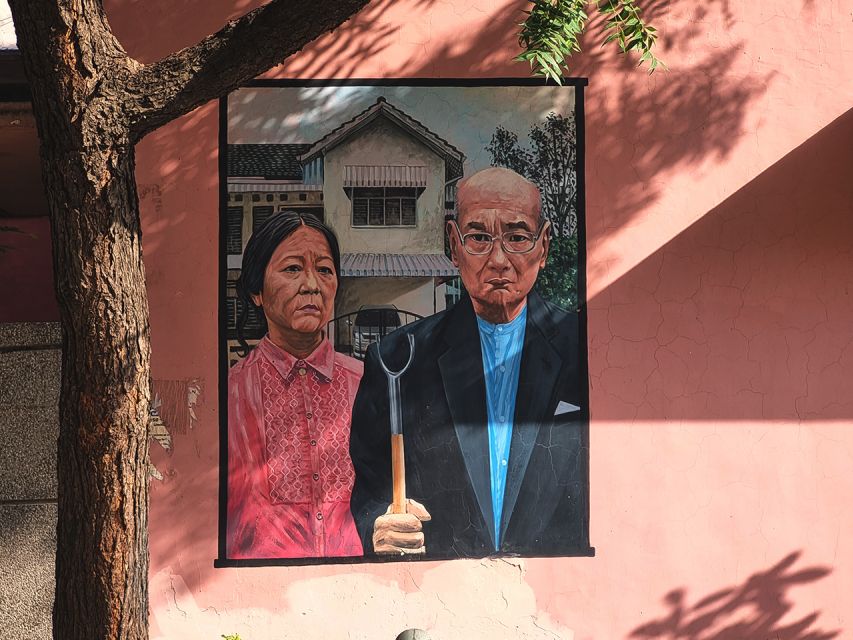
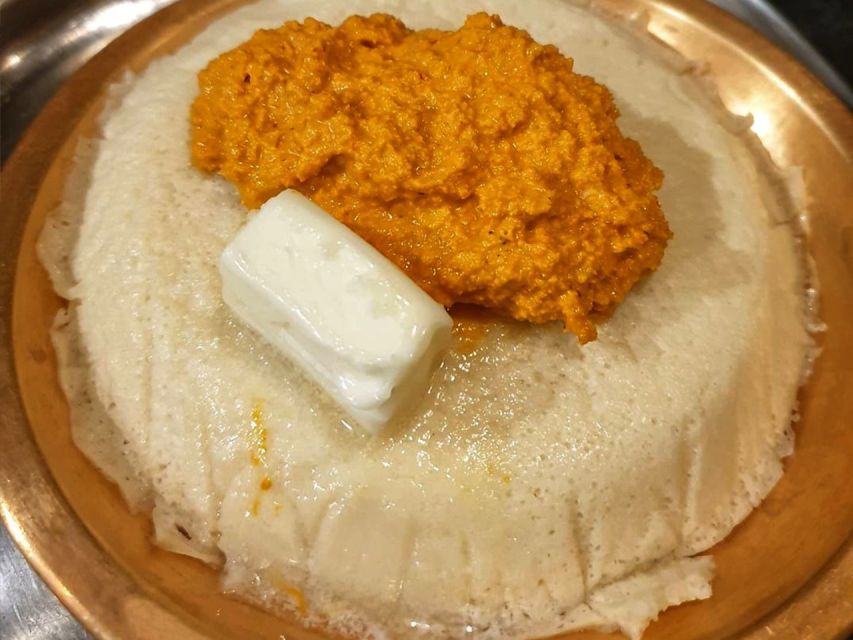
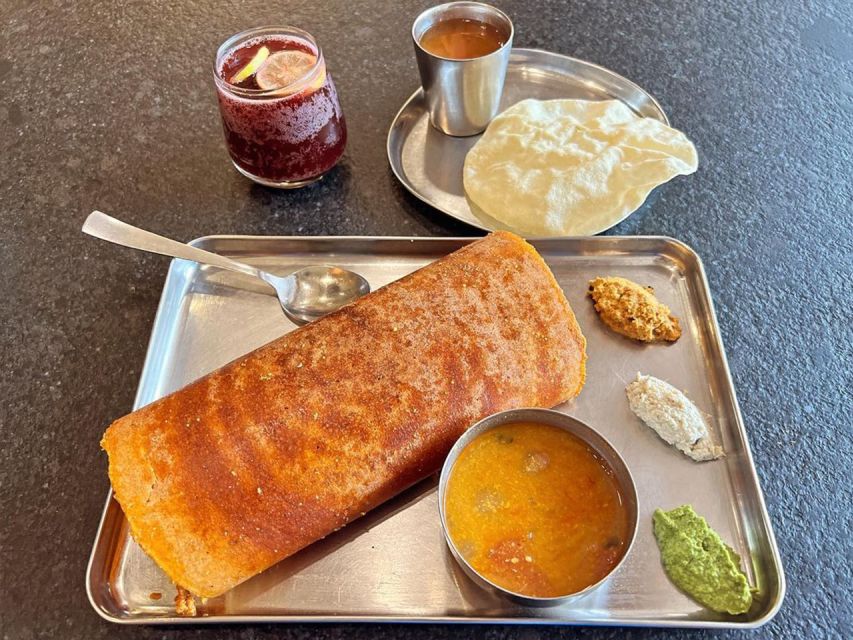
You can add a sit-down South Indian meal at an authentic café. The meal includes filter coffee, while other drinks are not included.
This optional finish gives the tour a social ending. Instead of separating after the final artwork, you can continue talking over food. Natasha particularly enjoyed the meal and the free-flowing conversation, which covered art, literature, responsible citizenship, and related subjects.
I would choose the lunch option if you want the outing to feel like a fuller cultural experience. Food provides another way to connect with place, and a sit-down meal is welcome after several hours on foot.
Skip it if you have a separate lunch plan, dietary needs that require advance confirmation, or limited time after the tour. The supplied information does not give a menu or promise specific dietary accommodations, so contact the provider before booking if those details matter to you.
The meal is optional, and the standard experience still includes the art district, gallery, creative space, guide, and tuk-tuk ride. The lunch simply gives the experience more time for conversation and a more relaxed finish.
Is $38 a fair price?
At $38 per person, this is not priced like a basic neighborhood walk. It combines several elements: a three-and-a-half-hour guided route, a maximum group size of six, an art district visit, a New Delhi gallery, a creative space, and a tuk-tuk ride.
That makes the price reasonable for you if you value interpretation and personal attention. A self-guided walk through the murals would cost less, but you would miss the stories about the project and the chance to discuss themes such as feminism, sci-fi, and social responsibility with a guide.
The optional lunch should be considered separately. Since the meal is not included in the base price unless you select that option, check the booking choice carefully. Other drinks besides filter coffee are not included with lunch.
I would not choose this tour mainly for transport or food. I would choose it for access to a particular side of Delhi and for Faizy’s conversation-led approach. The value improves if you enjoy contemporary art and want to ask questions rather than simply tick off sights.
Timing, language, and what to bring
The activity lasts three and a half hours. Starting times vary, so check availability for your date before you book.
English and German are offered. The small group and live guide format make it easier to follow the explanations and ask questions in either language.
Bring comfortable shoes and a passport or ID card. A copy of your identification is accepted. Do not bring luggage or large bags, since they are not allowed on the experience.
There is no hotel pickup or drop-off, so plan your route to Golden Bakery in Khanna Market. I would also leave a little flexibility around the finish, especially if you select lunch and want to stay for conversation.
You can cancel up to 24 hours in advance for a full refund, and the reserve-now, pay-later option lets you hold a place without paying immediately. Those policies are helpful if your Delhi schedule is still changing.
Who should book this Delhi art walk?
I recommend it to you if you enjoy:
- Contemporary art and public murals
- Small groups instead of large sightseeing crowds
- Conversations about social and political ideas
- Local transport and neighborhood walks
- A relaxed meal after a cultural activity
- Guides who welcome questions and different opinions
It is less suitable if you want a major monument tour, a quiet museum-only visit, or a route with very little walking. It is also not suitable for people with mobility impairments, and large bags cannot come along.
The experience is a particularly good choice for repeat visitors to Delhi who have already seen the main monuments. It also works for first-time visitors who want one morning focused on the city’s present-day creative life rather than its imperial and Mughal past.
Should you book the Lodhi Art District experience?
Book it if you want to see Delhi through its murals, meet the city’s creative side, and spend time talking about what art says about society. Faizy’s friendly, open style and the six-person limit make the experience feel more like a guided conversation than a standard procession from stop to stop.
Add lunch if you want a longer social finish and enjoy South Indian food with filter coffee. Skip the meal if time is tight or you have other plans.
At $38, the outing offers solid value for anyone who would rather have context and conversation than simply walk past painted walls. Just arrive at Golden Bakery without large luggage, wear shoes made for walking, and book only if the three-and-a-half-hour format suits your energy and schedule.
FAQ
Where does the Delhi street art experience meet?
Meet your host at Golden Bakery in Khanna Market, Lodhi Colony.
How long does the experience last?
The activity lasts three and a half hours. Starting times vary, so check availability for your chosen date.
Which languages are available?
The live tour guide is available in English and German.
How large is the group?
The experience is limited to six participants.
Is lunch included?
A sit-down South Indian meal with filter coffee is available if you select that option. Other drinks are not included.
What should I bring, and can I bring luggage?
Bring comfortable shoes and a passport or ID card. A copy of your identification is accepted. Luggage and large bags are not allowed.
Just added around the world
- Your Own Belgrade: Street Art and Hidden Gems Walking Tour★ 5.0 · 2 reviews
- Xochimilco floating gardens, Coyoacan and UNAM murals★ 4.0 · 6 reviews
- Vienna Urban Art Tour: Explore a different side of Vienna!★ 3.8 · 14 reviews
- Wynwood Walls Street Art & Neighborhood Walking Tour★ 4.9 · 9 reviews
- Vancouver: Street Art & Craft Beer Walking Tour with Tasting★ 4.8 · 14 reviews
- Vancouver: Street Art & Craft Coffee Walking Tour w/ Tasting★ 4.8 · 11 reviews
- Urban Canvas: Osaka Street Art Bike Tour★ 5.0 · 10 reviews
- UNAM: Murals & Revolution★ 4.9 · 8 reviews
India Street Art Tours, compared.
Delhi Street Art Walk in Lodhi Art District with Chai & Food
Read our review →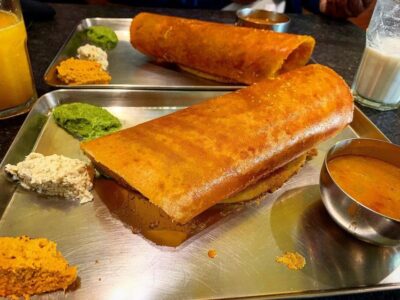
Delhi Street Art Tour: Explore the Murals & Visit a Stepwell
Read our review →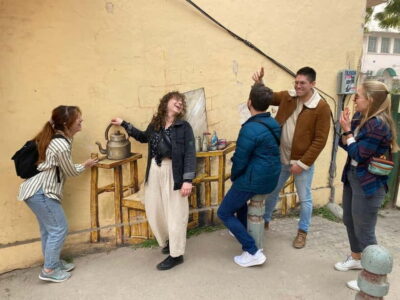
Browse the lists this tour appears in